
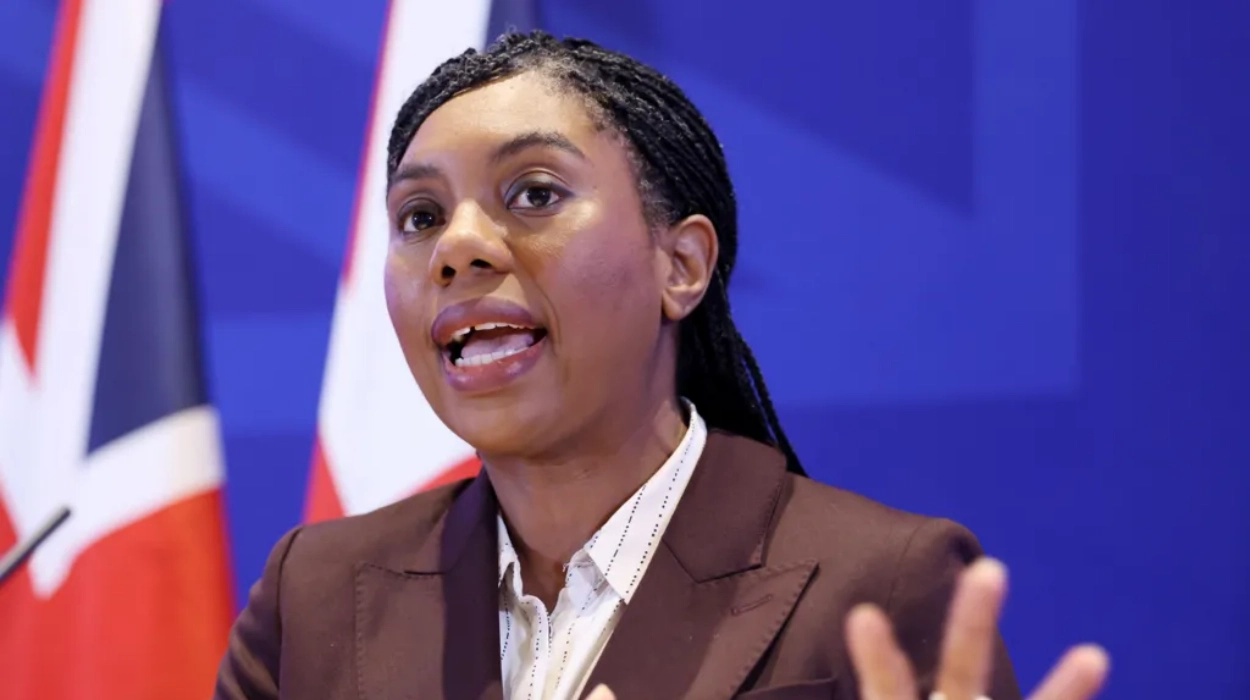
London (Parliament Politics Magazine) January 11, 2026 – Kemi Badenoch, leader of the Conservative Party, has stated that a future Tory government would introduce a ban preventing children under 16 from using what she describes as “addictive” social media platforms. The policy pledge comes amid ongoing debates over youth mental health and online safety regulations in the United Kingdom.
The Conservative leader emphasised the need for stringent measures to protect young users from harmful content and addictive algorithms.
How did Kemi Badenoch propose banning social media for under-16s?
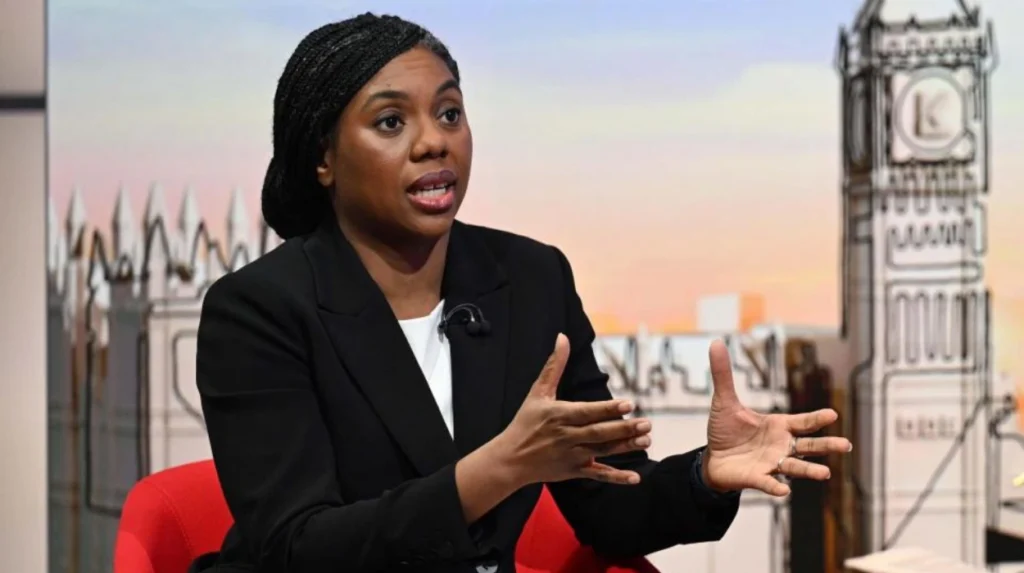
As reported by Rowena Mason of The Guardian, Kemi Badenoch declared that under a Conservative government, access to social media for those under 16 would be outright banned. She specifically targeted platforms with “addictive design features,” arguing that current safeguards remain insufficient.
Badenoch told the BBC’s Sunday with Laura Kuenssberg programme,
“What we are seeing is a lot of children spending so many hours a day on platforms that are profiting from their anxiety, from their distraction, and they are actually designed to be addictive.”
She said,
“So what we want to see is common sense, protection for children and freedom for adults. We want to give parents some understanding that the government understands what they’re going through. So we want to bring in age limits.”
The Tory leader added,
“The internet is a wild west, social media in particular. We don’t think children should be on there, and we want the industry to set the direction of travel so that we can start working with them now in order to get the proper solutions in place.”
The policy would enforce age verification at the point of access, with non-compliant platforms facing severe penalties, including potential blocking in the UK.
The announcement builds on existing legislation such as the Online Safety Act 2023, which mandates platforms to protect children but stops short of a total age-based ban. Badenoch criticised the Labour government’s implementation of the Act as “toothless.”
The pledge was delivered as part of Badenoch’s keynote speech at the annual Conservative Party gathering. Attendees included shadow cabinet members and party activists focused on reclaiming voter trust on cultural and safety issues.
Badenoch, who assumed leadership of the Conservatives following the 2024 general election defeat, has prioritised “common-sense” policies on technology and youth welfare. Her speech also touched on broader digital reforms, including tougher content moderation rules.
Reports from the event indicate strong applause from the audience, with party insiders noting the policy’s appeal to suburban and parental demographics.
The ban would apply to major platforms like Instagram, TikTok, Snapchat, and others classified as “addictive” based on algorithmic engagement metrics. Exceptions might cover educational or monitored parental accounts, though specifics remain under review.
Enforcement would involve mandatory digital ID checks or biometric verification, similar to models trialled in Australia. Platforms failing to comply could be fined up to 10% of global turnover or have their services restricted in the UK.
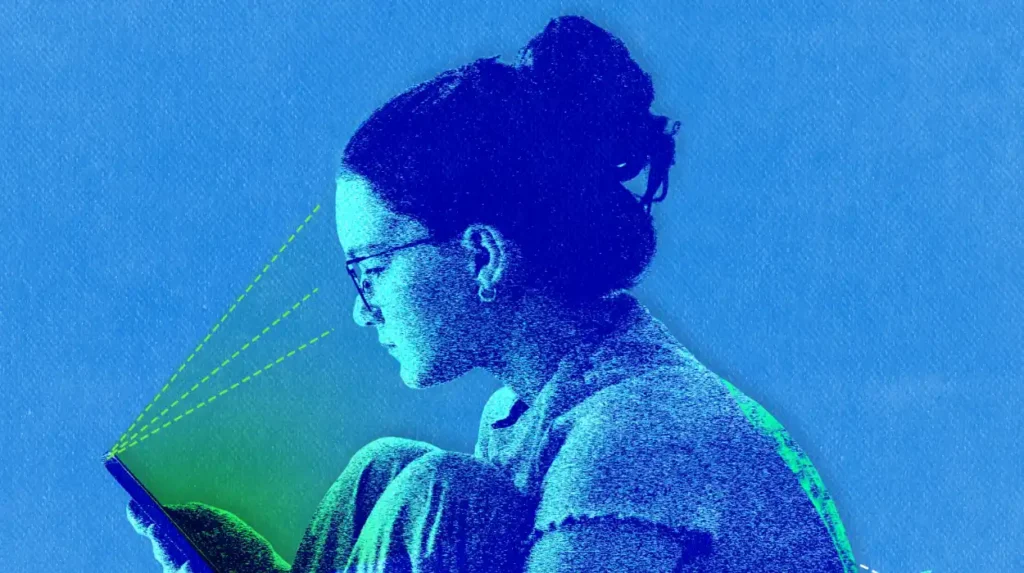
Badenoch highlighted data showing rising anxiety and sleep disruption among teens linked to social media use. She cited studies from the UK’s Chief Medical Officer recommending reduced screen time for minors.
Since becoming Conservative leader in November 2024, Badenoch has shifted the party towards cultural conservatism. Her platform emphasises parental rights, reduced state intervention in family life, and robust tech accountability.
Earlier speeches addressed immigration and NHS reforms, but digital safety has emerged as a key battleground against Labour. Polling from January 2026 shows 65% public support for stricter social media rules for children.
Badenoch’s direct style, often invoking “woke” culture critiques, resonates with the party’s right wing. The social media ban aligns with her vow to “protect Britain’s children from progressive excesses.”
Political journalist Beth Rigby highlighted government divergence, saying in an X post,
“Badenoch calling for social media ban for under-16s. Govt currently doesn’t support a ban, but says it’s taking action to ensure kids better protected only online. Burnham taking different position from Starmer on a policy where I think govt will come under pressure to move….”
Badenoch calling for social media ban for under-16s. Govt currently doesn’t support a ban, but says it’s taking action to ensure kids better protected only online. Burnham taking different position from Starmer on a policy where I think govt will come under pressure to move…. https://t.co/j1Gp8ppxtn
— Beth Rigby (@BethRigby) January 11, 2026
How has the Government reacted to Kemi Badenoch’s social media ban?
A spokesperson for Technology Secretary Peter Kyle described the proposal as “headline-grabbing” but acknowledged ongoing reviews of the Online Safety Act. The government maintains that current age-assurance tech trials represent a balanced approach.
Labour MP Sarah Owen, shadow safeguarding minister, welcomed the focus on child safety but questioned the ban’s practicality.
“Verification tech is not foolproof, and bans can drive activity underground,”
Owen remarked in a statement to broadcasters.
Ofcom, the UK’s communications regulator, has not commented directly but recently published reports on enforcement challenges under existing rules.
How does Kemi Badenoch’s proposal compare to existing Online Safety Rules?
The Online Safety Act, passed in October 2023, requires platforms to remove illegal content and mitigate risks to children. Implementation began in 2025, with age verification pilots for pornography sites extended to social media.
Previous Conservative governments under Rishi Sunak introduced draft codes for child protection, but critics argue that enforcement lags due to technical hurdles. A 2025 Ofcom survey found 60% of parents were concerned about their children’s social media exposure.
Badenoch referenced international precedents, including France’s proposed three-hour daily limit for minors and Australia’s under-16 porn ban. She positioned the Tory plan as more comprehensive.
How did tech firms and child advocacy groups respond to Kemi Badenoch’s ban proposal?
NSPCC chief executive Sir Peter Wanless praised heightened attention to online harms, noting 80% of children encounter upsetting content yearly. The charity called for swift action beyond rhetoric.
TechUK, representing digital firms, expressed concerns over stifling innovation. “Age verification must respect privacy laws like GDPR,” a spokesperson said.
Youth charity Barnardo’s supported the intent but urged investment in digital literacy programmes alongside restrictions.
Netizen sandieshoes voiced parental support, saying in an X post,
“I’m against most things being banned but for kids it’s different. If parents can’t or won’t parent then the government of the day has to step in. In what world does 98% of children watch screens on a daily basis by the age of two. In the U.K. apparently. (with research suggesting that higher screen use in this age group was linked to poorer language development) So kids are conditioned at an early age.
Sky just showed an interview with a young lad who was passed a mobile phone in the playground at the age of 12 – the clip he was shown was a close up of a man blowing his brains out, a suicide.
The effect on him was profound. Do we want our kids and grandchildren accessing that. Under 16’s don’t need mobiles during the school day and they certainly don’t need to access what is available on social media. They are kids fgs.
Badenoch wants social media companies including TikTok and Snapchat to use age verification tools to prevent under-16s from accessing their platforms. The Tories say the scope of the policy would be kept under review. Badenoch said the age restriction would protect children while still giving adults choice.”
I’m against most things being banned but for kids it’s different.
— sandieshoes 🇬🇧 (@sandieshoes) January 11, 2026
If parents can’t or won’t parent then the government of the day has to step in.
In what world does 98% of children watch screens on a daily basis by the age of two.
In the U.K. apparently.
(with research…
What evidence supports Kemi Badenoch’s social media concerns for children?
Kemi Badenoch drew on NHS data linking social media to a 50% rise in youth mental health referrals since 2019. A 2025 University of Oxford study found that addictive algorithms exacerbate body image issues among girls aged 11-15.
The Duke and Duchess of Sussex have previously advocated similar measures, with their Archewell Foundation reporting platform algorithms prioritizing sensational content.
Government statistics indicate that UK children average 3.2 hours daily on social media, the highest in Western Europe.
How does Kemi Badenoch’s social media policy fit into the broader Conservative digital agenda?
The policy forms part of a package including AI ethics oversight and data privacy enhancements. Badenoch announced plans for a “Digital Bill of Rights” safeguarding free speech while curbing harms.
Shadow Digital Minister Claire Coutinho detailed complementary measures like mandatory reporting of cyberbullying incidents.
The announcement coincides with EU probes into TikTok’s child safety practices, potentially influencing UK alignment.
What historical precedents influence Kemi Badenoch’s new policy?

Margaret Thatcher’s 1980s Video Recordings Act banned harmful media for youth, setting a precedent for content controls. Tony Blair’s 1998 Protection of Children Act targeted online grooming.
Recent efforts include 2022’s draft Online Safety Bill, watered down amid free speech concerns. Badenoch’s ban revives absolutist approaches last seen in tobacco advertising prohibitions.
What public and global support exists for Kemi Badenoch’s under-16 social media ban?
A January 2026 YouGov poll commissioned by the Conservatives found 72% backing for an under-16 ban, rising to 85% among parents. Only 12% opposed, citing civil liberties.
Regional variations show stronger support in rural areas (78%) versus urban areas (65%). Cross-party appeal could pressure Labour to toughen its stance.
Social media users trended #BanUnder16s post-speech, amassing 500,000 mentions by January 11 morning.
Australia legislated an under-16 porn ban in 2024, with 90% compliance reported. France enforces screen time alerts via parental controls.
US states like Utah mandate age verification, facing lawsuits from Meta. Badenoch signalled readiness for legal battles to prioritise safety. The policy positions the UK as a potential global leader in youth digital protection.
