The US Iran conflict warning has raised global concerns about stability in the Middle East.
The Strait of Hormuz remains one of the most important energy routes in the world.
Governments and markets are closely watching developments in 2026.
Rising Geopolitical Tensions in the Middle East
Middle East — March 10, 2026 — Parliament News — Global attention has intensified following a US Iran conflict warning that has raised concerns among political leaders, energy analysts, and financial markets.
The warning comes during a period of heightened geopolitical uncertainty across the region. The Middle East remains central to global energy security, and any signal of instability can quickly ripple through international markets.
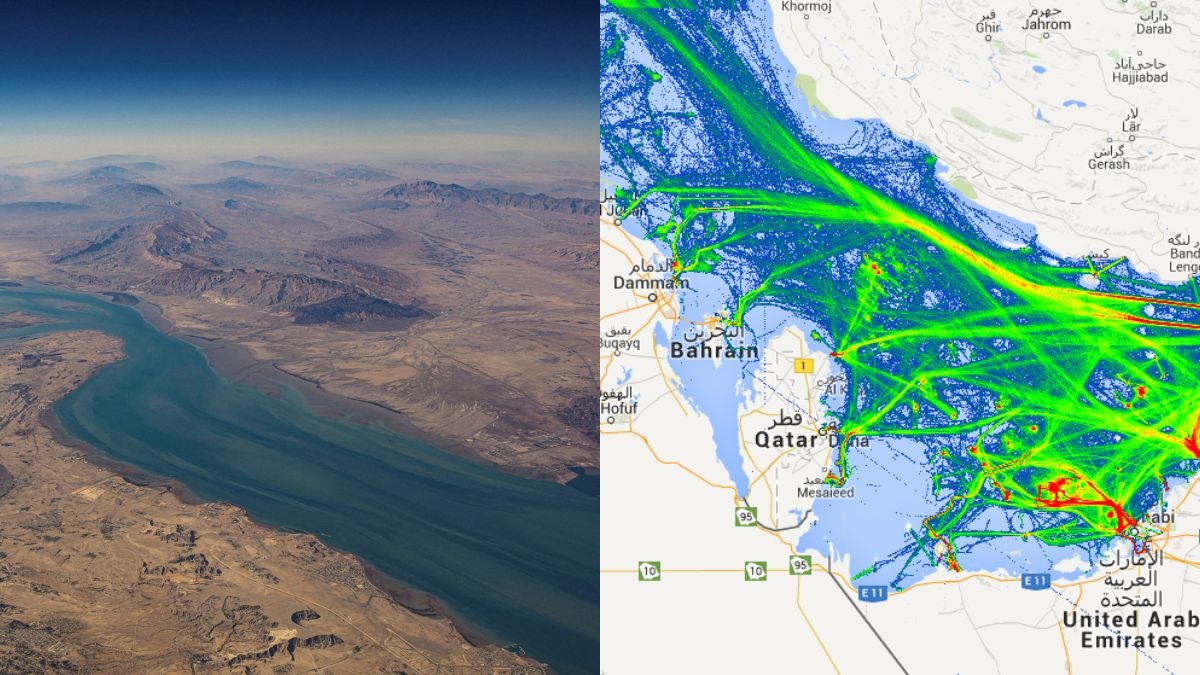
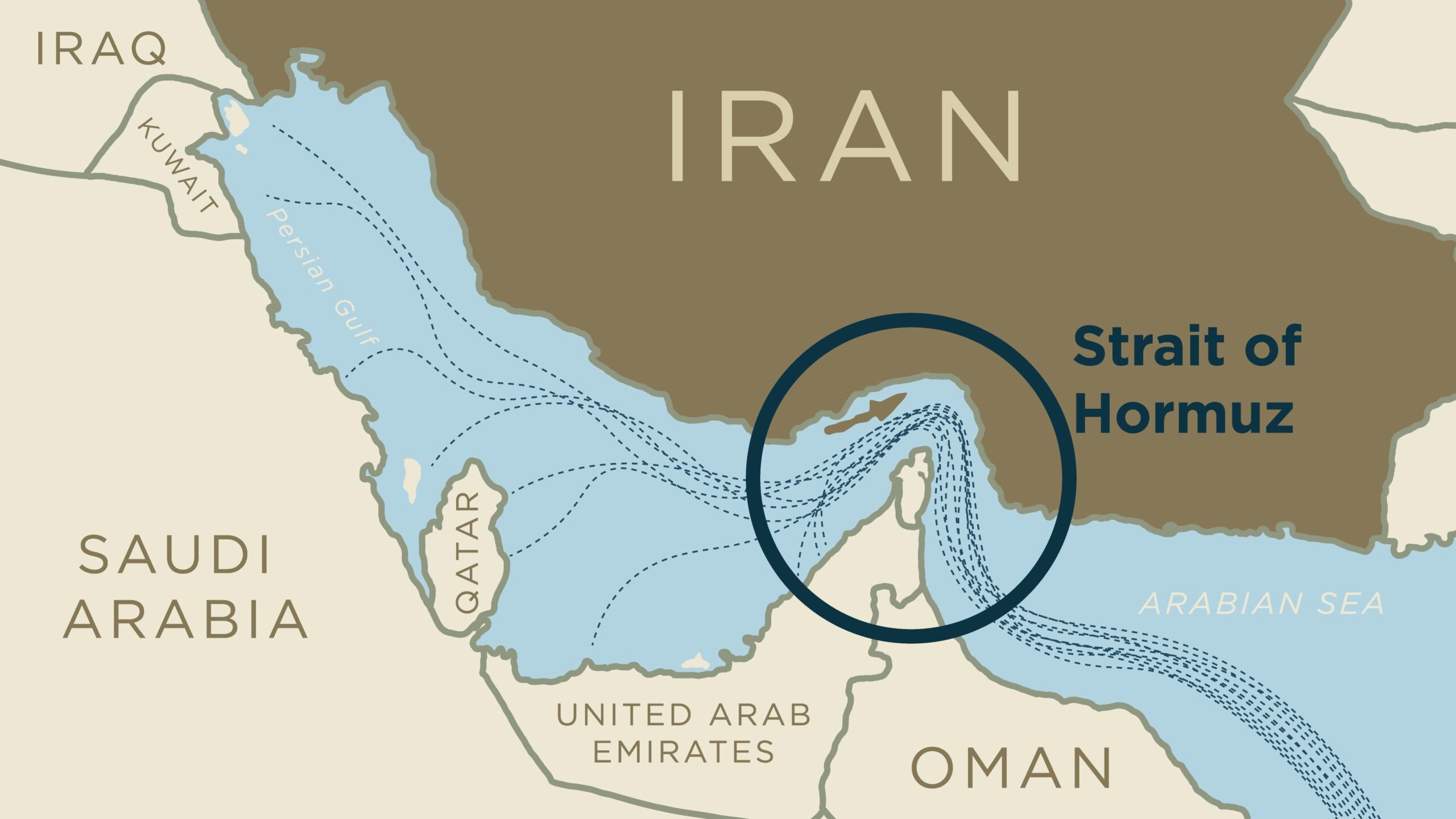
At the center of the discussion is the Strait of Hormuz, a narrow waterway that connects the Persian Gulf to the Gulf of Oman and the Arabian Sea. Despite its relatively small size, the passage carries a significant portion of the world’s oil shipments.
Because of this strategic importance, the US Iran conflict warning has immediately drawn international attention. Governments across Asia, Europe, and North America are monitoring the situation carefully.
Energy traders, shipping companies, and policymakers understand that even the perception of conflict in this region can affect oil prices and global economic stability.
Why the Strait of Hormuz Is So Critical
The Strait of Hormuz has long been recognized as one of the most strategically important maritime chokepoints in the world.
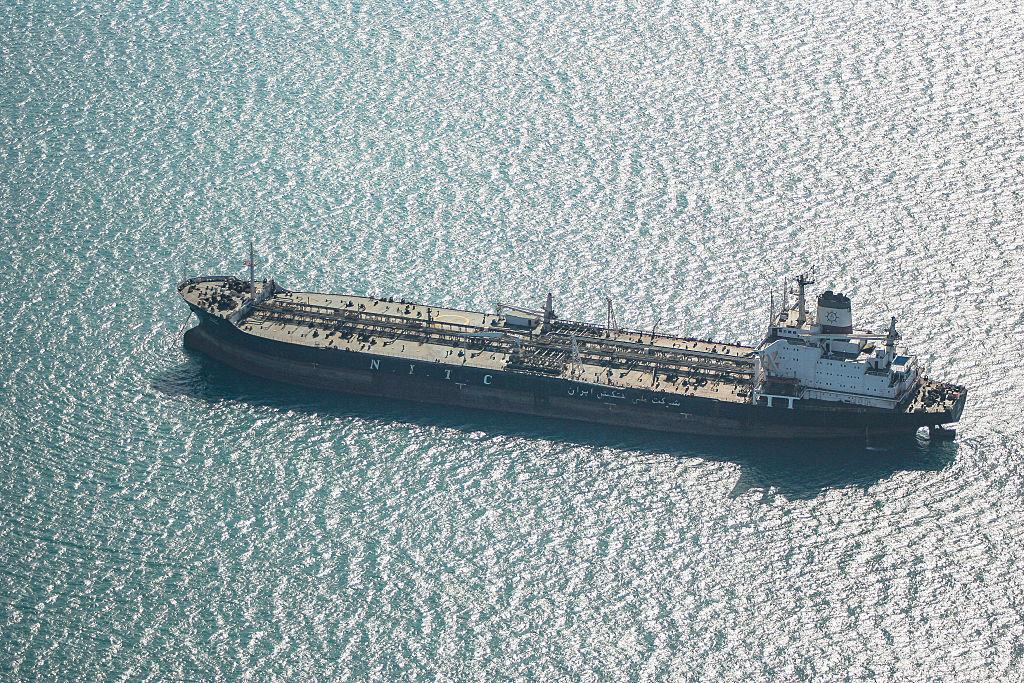
Every day millions of barrels of crude oil move through the waterway. Tankers transport oil from major producers such as Saudi Arabia, Iraq, Kuwait, and the United Arab Emirates to markets around the globe.
Because so much of the world’s energy supply passes through this narrow channel, the US Iran conflict warning carries significant economic implications.
If shipping traffic were disrupted, the impact would be immediate. Oil prices could spike rapidly, transportation costs could rise, and global supply chains could face new challenges.
Energy economists often describe the Strait of Hormuz as the single most important energy corridor on the planet.

Global Energy Markets Watching Closely
Energy markets tend to react quickly to geopolitical developments, and the US Iran conflict warning has drawn close attention from investors and analysts.
Oil traders constantly assess the possibility of supply disruptions in the Persian Gulf. Even a small increase in risk perception can push oil prices upward.
When tensions rise, shipping companies often increase insurance coverage for vessels traveling through the region. Higher insurance costs can also contribute to rising energy prices worldwide.
Financial markets are particularly sensitive to developments in the Middle East because energy prices influence inflation, transportation costs, and manufacturing expenses.
The US Iran conflict warning therefore has implications that extend far beyond the region itself.
Military Presence in the Persian Gulf
The Persian Gulf is already one of the most heavily monitored maritime regions in the world.
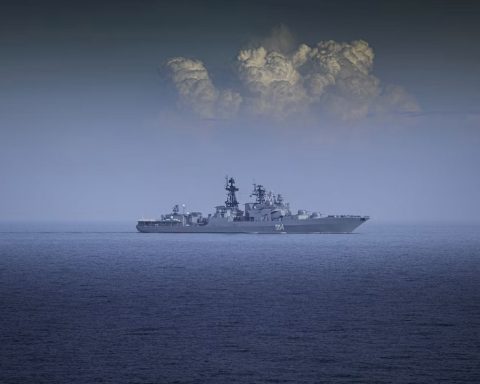
The United States maintains a strong naval presence through the US Fifth Fleet, headquartered in Bahrain. The fleet conducts regular patrols and security operations designed to protect international shipping routes.
When a US Iran conflict warning emerges, military readiness in the region often increases.
Iran also maintains significant military capabilities along its coastline. These include missile systems, naval patrol boats, and defensive infrastructure intended to protect its territorial waters.
Security experts note that both sides are aware of the potential consequences of a direct confrontation. As a result, political messaging often aims to deter escalation while preserving diplomatic options.
History of US Iran Confrontation in the Persian Gulf
The relationship between Washington and Tehran has been shaped by decades of political and strategic rivalry.
The modern period of tension began after the Iranian Revolution in 1979, which dramatically reshaped Iran’s political system and its relationship with Western nations.
Since then, disputes over nuclear development, regional influence, economic sanctions, and maritime security have periodically increased tensions between the two countries.
The US Iran conflict warning reflects a long tradition of strategic messaging between the two governments.
During the 1980s Iran Iraq war, the Persian Gulf experienced what became known as the Tanker War. During that time, attacks on commercial vessels threatened global oil shipments.
International naval forces eventually intervened to ensure the continued movement of oil through the region.
Although decades have passed since those events, the Strait of Hormuz remains a focal point for geopolitical tensions.
Diplomatic Efforts Continue to Reduce Risk
Despite strong rhetoric surrounding the US Iran conflict warning, diplomatic channels remain active.
International organizations and regional governments continue working to prevent escalation.
Diplomacy often plays a critical role in stabilizing crises in the Middle East. Negotiations, economic incentives, and security agreements have historically helped prevent conflicts from escalating into large scale wars.
Several global leaders have emphasized the importance of maintaining open shipping lanes and avoiding actions that could destabilize the global economy.
One diplomatic analyst summarized the situation by saying:
“Stability in the Strait of Hormuz is essential not only for the Middle East but for the entire global economy.”
Regional Security Concerns Grow
Neighboring countries in the Gulf region are paying close attention to the US Iran conflict warning.
Governments in Saudi Arabia, the United Arab Emirates, Kuwait, and other regional states depend heavily on secure shipping routes for their energy exports.
To protect these routes, many nations cooperate with international naval forces operating in the Persian Gulf.
Security coordination between allied countries has increased in recent years as geopolitical tensions occasionally rise.
The US Iran conflict warning has therefore prompted renewed discussions about regional security and maritime protection.
Economic Consequences of Escalating Tensions
If tensions surrounding the US Iran conflict warning were to escalate further, the economic consequences could be significant.
Oil prices are particularly sensitive to developments in the Persian Gulf.
Higher oil prices often lead to increased costs for transportation, manufacturing, and consumer goods.
Airlines, shipping companies, trucking fleets, and industrial manufacturers all rely heavily on stable fuel prices.
As a result, geopolitical tensions in the Middle East can quickly affect economies across Europe, Asia, and North America.
One energy market strategist explained the situation by stating:
“Even the possibility of disruption in the Strait of Hormuz can move global oil prices.”
Strategic Messaging in Global Politics
Political leaders frequently use public statements to send signals during periods of tension.
The US Iran conflict warning can therefore be understood as part of a broader strategy designed to prevent escalation while maintaining deterrence.
Strategic messaging allows governments to outline potential consequences without immediately resorting to military action.
Analysts note that such warnings often serve to clarify red lines and expectations between rival powers.
Another regional security analyst commented:
“Diplomatic signaling is a key part of crisis management in the Middle East.”
Global Stakes of the Strait of Hormuz
Few waterways carry as much strategic significance as the Strait of Hormuz.
Because such a large share of the world’s oil shipments passes through this narrow channel, stability in the region is essential.
The US Iran conflict warning highlights how interconnected global energy markets have become.
A disruption in the Persian Gulf could quickly affect transportation costs, electricity prices, and economic activity around the world.
For this reason, governments across the globe remain focused on ensuring the security of this critical shipping route.
What the Future May Hold for the Region
Looking ahead, analysts believe the situation in the Persian Gulf will continue to require careful management.
The US Iran conflict warning demonstrates how quickly geopolitical developments can influence global markets and diplomatic relations.
While tensions occasionally rise, history shows that diplomacy often plays a key role in preventing full scale conflict.
The coming months will likely involve continued negotiations, strategic messaging, and close monitoring of maritime security.
The international community remains focused on maintaining stability in one of the world’s most important energy corridors.
Global Perspective Summary
The developments surrounding the US Iran conflict warning illustrate the delicate balance that exists in the Middle East.
Energy security, geopolitical rivalry, and economic stability all intersect in the waters of the Persian Gulf.
As governments monitor the situation, the international community continues to emphasize the importance of diplomacy and cooperation.
The Strait of Hormuz remains open, global oil shipments continue to move, and world leaders are working to ensure that stability is preserved in a region that remains central to the global economy.