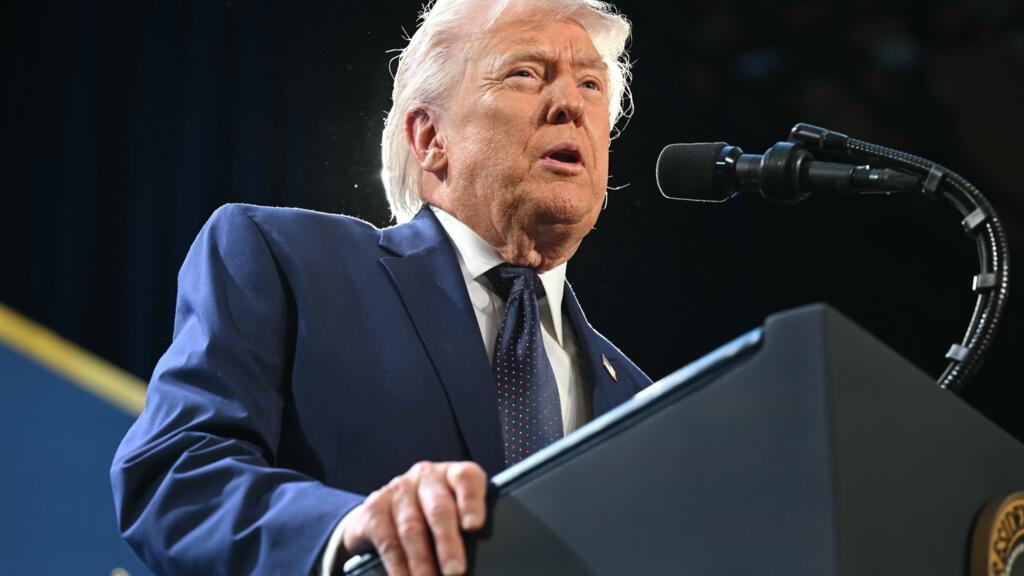
WASHINGTON — March 10, 2026 — Parliament News — The Trump Middle East war statement has quickly become a major topic of discussion across political and diplomatic circles. The remarks suggesting the conflict could be winding down have raised both hope and skepticism among governments closely watching the region.
In Israel and several neighboring countries, leaders are carefully evaluating the implications of the comments. While some see the possibility of reduced fighting as a positive sign, many analysts warn that the complex nature of Middle East conflicts means that predictions about their end should be approached cautiously.
The discussion surrounding the Trump Middle East war statement reflects how influential political messaging can be in shaping expectations during times of war. Even a single statement from a major global political figure can shift the tone of international debate and spark speculation about future diplomatic developments.
Israeli officials react cautiously
Israeli leaders have responded carefully to the Trump Middle East war statement, emphasizing that security threats in the region remain serious. Defense officials continue to monitor military activity across multiple fronts while maintaining strategic readiness.
Military planners stress that wars in the Middle East rarely follow predictable timelines. Political commentary may suggest progress toward peace, but intelligence and operational realities often paint a more complicated picture.
For many security analysts, the Trump Middle East war statement highlights the ongoing tension between political optimism and military caution.
Historical comparison with past Middle East conflicts
History shows that conflicts in the Middle East have often experienced periods when leaders believed the violence might soon end. For example, after several previous wars in the region, diplomatic statements hinted that peace was within reach, yet underlying tensions continued for years.
The current debate surrounding the Trump Middle East war statement echoes those earlier moments when optimism briefly rose before the region returned to uncertainty. Experts say the historical pattern demonstrates how fragile peace expectations can be in such a strategically complex environment.
This comparison reminds policymakers that while progress toward stability is always welcomed, long term peace typically requires sustained diplomatic negotiations and careful security planning.
One voice captures the uncertainty
One foreign policy analyst summarized the situation by saying,
“Political statements can shape the conversation, but they do not always reflect the realities unfolding on the ground.”
That observation reflects why the Trump Middle East war statement has sparked so much discussion among policymakers and analysts. Many believe that while the comments may signal hope for de escalation, the actual trajectory of the conflict will depend on developments across diplomacy, military operations, and regional alliances.
Global attention focused on the region
International observers are now closely watching whether the Trump Middle East war statement signals a potential shift in diplomatic efforts or simply represents political commentary. Governments across Europe, Asia, and the Middle East are evaluating how the remarks might influence negotiations or regional stability.
The global attention illustrates the powerful role of political messaging during major conflicts. Statements suggesting a possible end to war can influence public opinion, diplomatic strategies, and even financial markets that react to geopolitical risk.
What the statement ultimately means
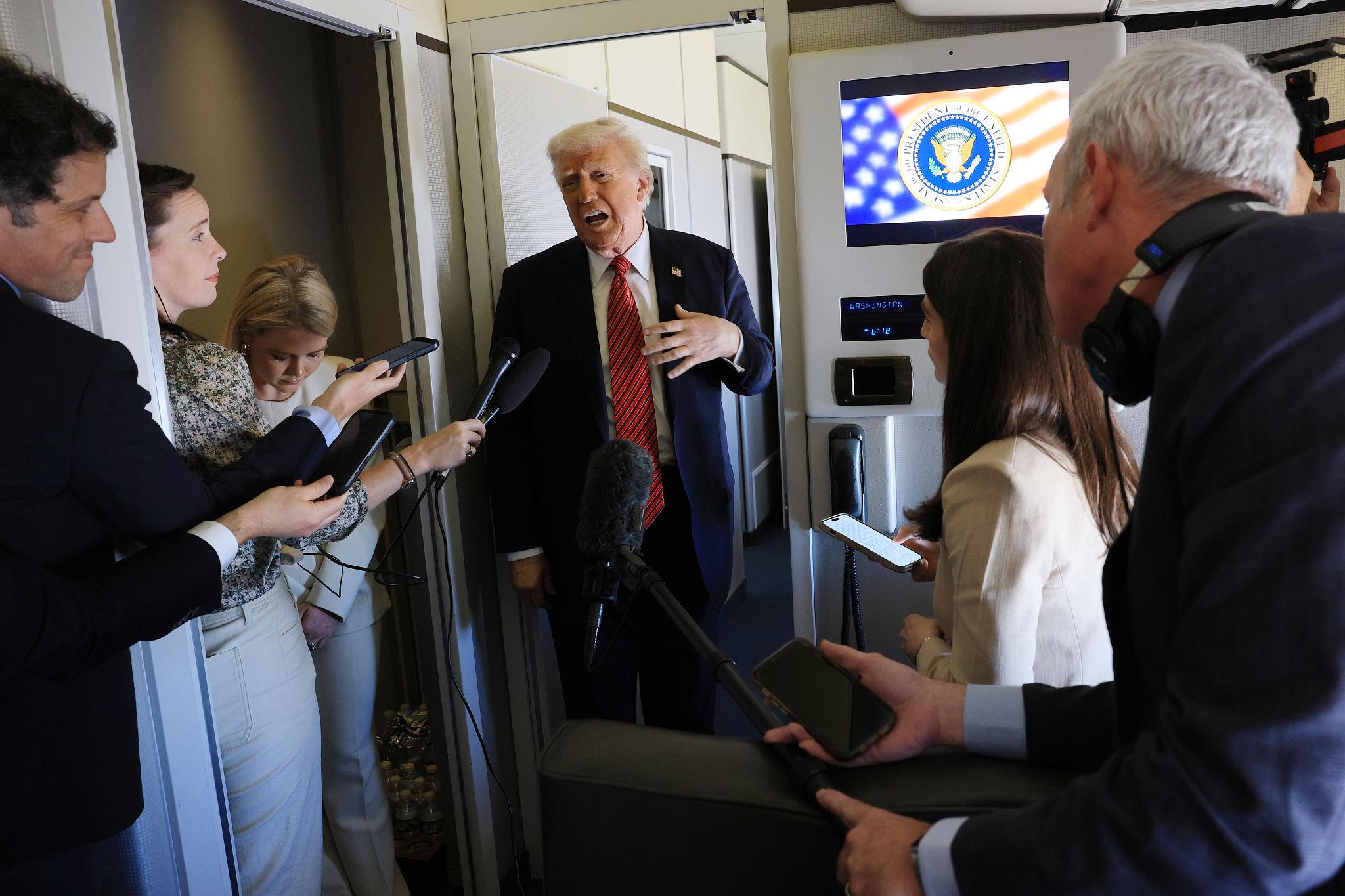
For now, the Trump Middle East war statement remains a signal that has changed the tone of international discussion about the conflict. Whether it reflects real progress toward peace or simply political speculation remains unclear.
Analysts agree that the coming months will be critical in determining whether the region moves toward negotiations or continues to face prolonged instability.
Key takeaway from the debate
In summary, the Trump Middle East war statement has sparked global debate about whether the conflict could be approaching a turning point. Israeli officials remain cautious, historical comparisons remind observers that peace is rarely simple, and international analysts continue monitoring developments closely. While the comments have raised hopes for reduced violence, the future of the conflict will ultimately depend on diplomatic progress, regional security conditions, and decisions made by leaders across the Middle East.