TEHRAN, June 19 (Parliament Politics Magazine) – Iran will waive all planned maritime transit fees for the Strait of Hormuz during a 60-day negotiation window, according to an official announcement made on Friday.
The decision follows a memorandum of understanding signed with the United States earlier this week.
The Persian Gulf Strait Authority (PGSA) confirmed that the temporary policy covers planned charges for security, safety, environmental services, and related maritime insurance. This suspension is intended to serve as a stabilizing measure to restore global trade flows while broader diplomatic discussions take place.
“The move aims to de-escalate tensions and safely restore global shipping traffic,” according to the official statement released by the PGSA.
The waiver remains in effect for 60 days. Following this period, Iran plans to fully implement the maritime service fees. Global shipping traffic has already begun to increase, with tracking firms like AXSMarine reporting the highest single-day count for commercial tankers in the region since mid-April.
Despite the fee waiver, vessels must adhere to strict operational requirements to ensure safety. Commercial ships seeking passage are required to submit formal transit requests at least 48 hours prior to arrival.
Furthermore, all vessels must coordinate their routes and transit schedules with Iranian authorities in advance. This mandate is necessary to navigate areas affected by mines remaining from recent hostilities.
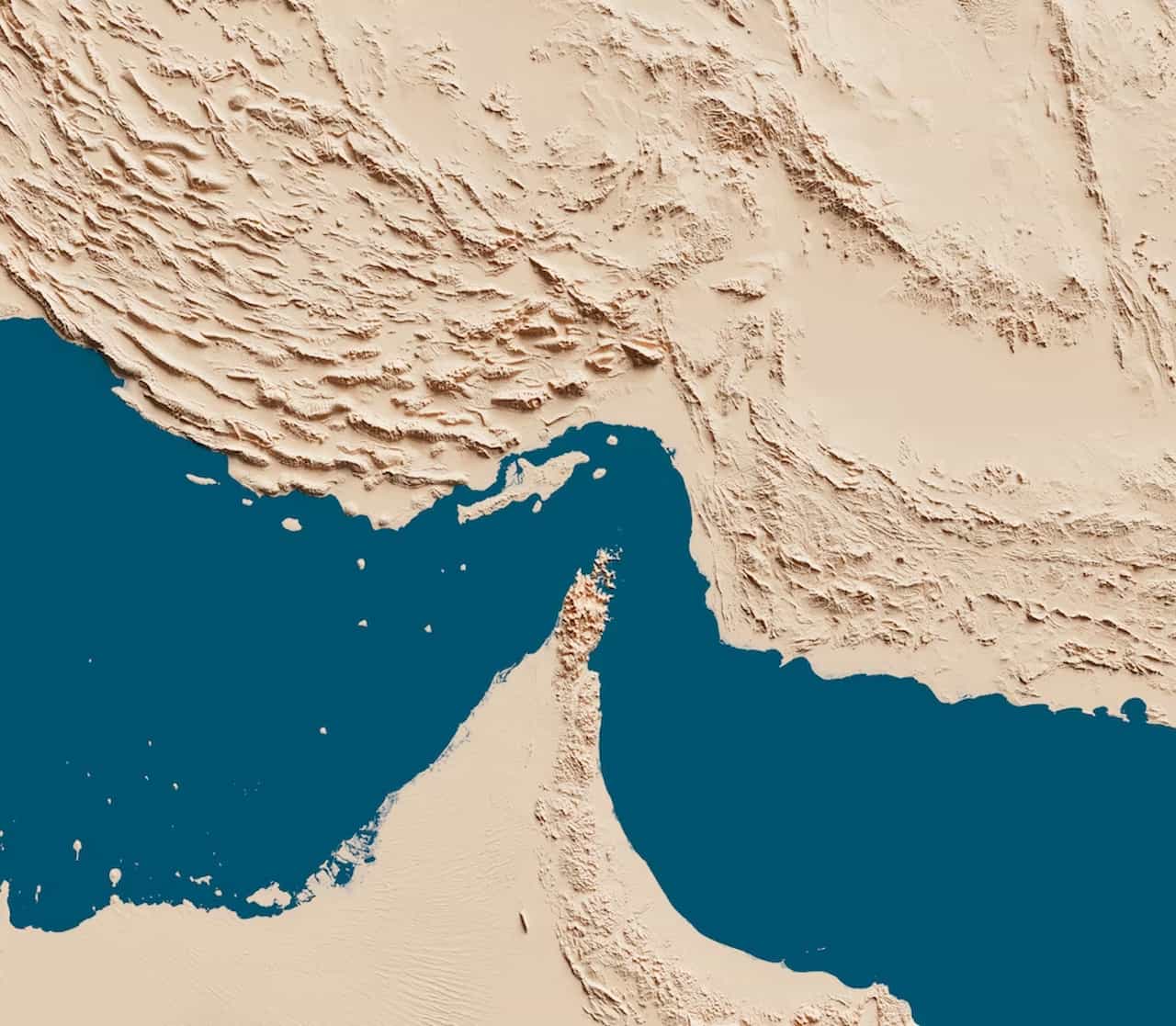
This shift follows the U.S. lifting its naval blockade, an event that contributed to a decline in global oil prices as tankers resumed movement through the critical corridor. About one-fifth of the world’s total petroleum consumption passes through this waterway daily, where shipping lanes are limited to two miles wide in each direction. Regional diplomatic talks mediated by Pakistan, Saudi Arabia, and Turkiye are scheduled to commence this weekend to address the broader geopolitical situation.