

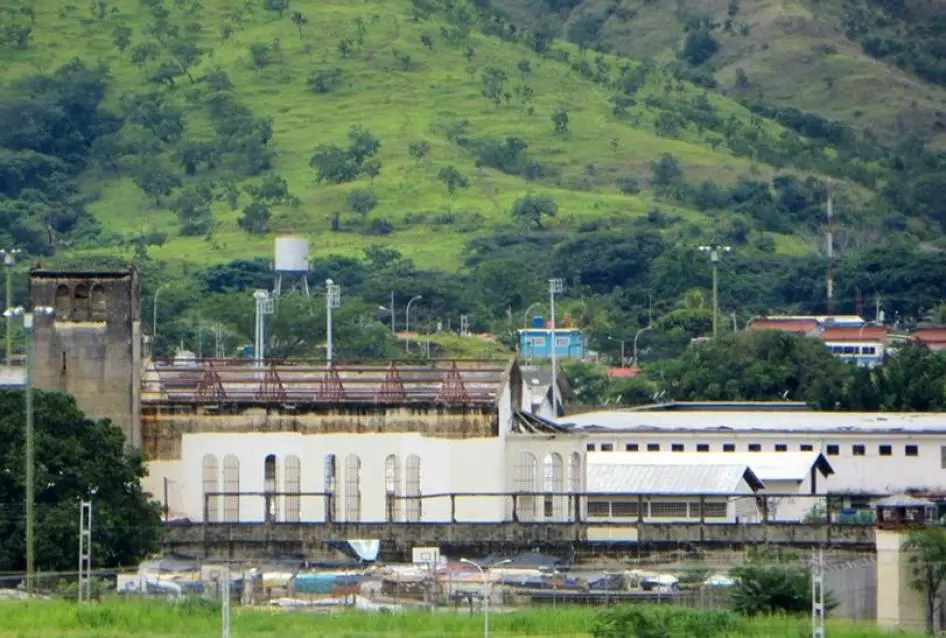
Caracas, Venezuela January, 2026 — Parliament News highlights that the Venezuela prisoner release announced this week has become a central issue in the country’s political debate as authorities confirmed the freeing of 116 detainees following legal and penitentiary reviews. The decision, disclosed by the Ministry of Penitentiary Services, comes amid sustained domestic pressure, economic strain, and growing international focus on governance and human rights as 2026 unfolds.
Officials described the release as part of judicial procedures intended to reduce internal tension while maintaining public order.
Background to the Prisoner Release Decision
The Venezuela prisoner release follows months of legal assessments and consultations among judicial authorities. Government representatives indicated that detainees were selected based on case reviews and humanitarian considerations, though they stopped short of providing a full list or detailed criteria.
Previous, smaller releases over the past year set the stage for the latest announcement, signaling a gradual approach rather than a single sweeping reform.
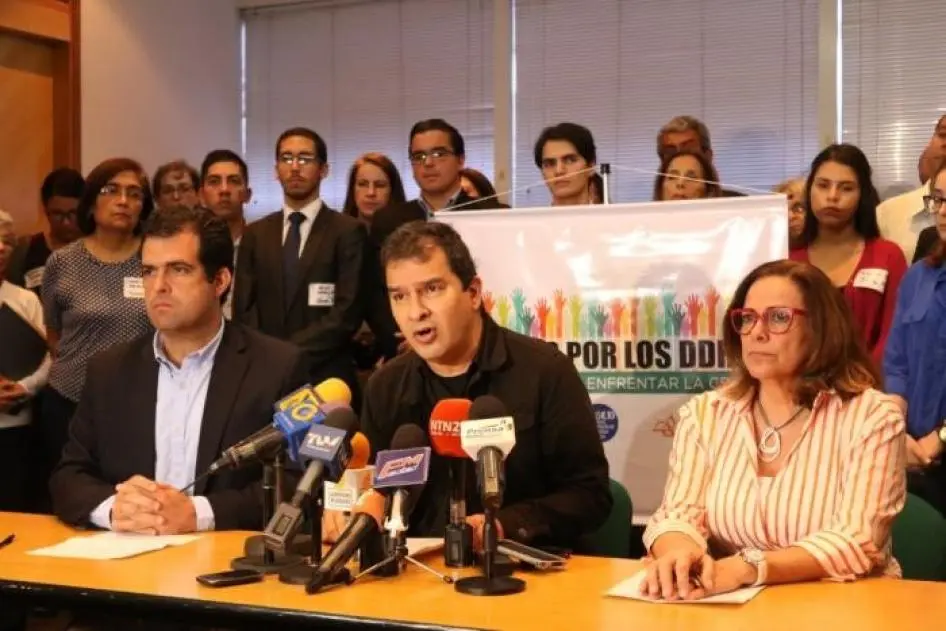
Domestic Political Climate and Public Debate
Within Venezuela, the Venezuela prisoner release has reignited debate about justice, civil liberties, and the balance between security and political expression. Many detainees had been arrested during periods of unrest, often accused of offenses linked to public order and political demonstrations.
Supporters of the government argue that the releases demonstrate institutional flexibility, while critics say they expose deeper problems within the justice system that require structural change.
Public Reaction Across Communities
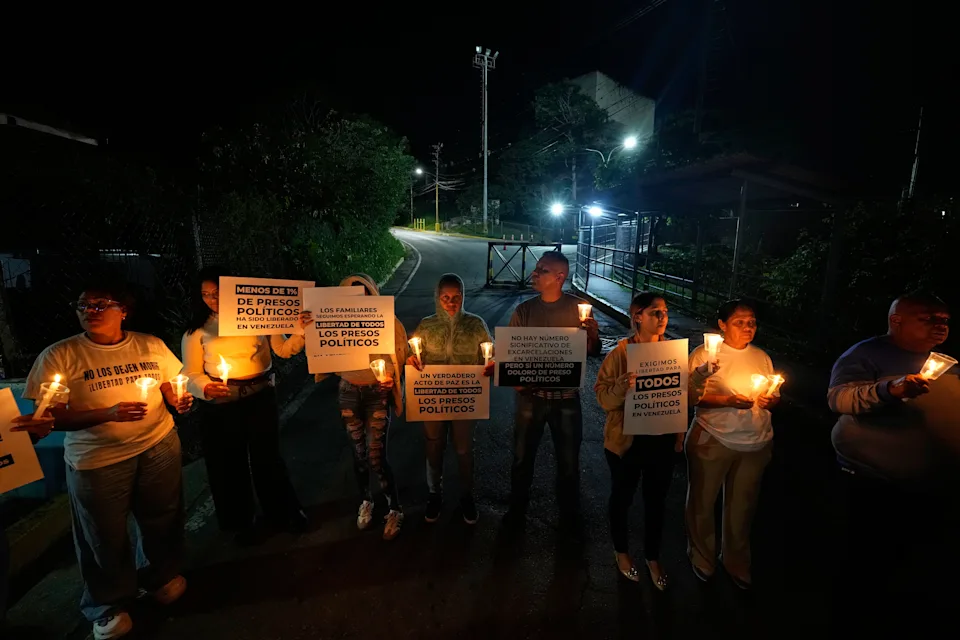
Public reaction to the Venezuela prisoner release has been mixed. Families of those freed expressed relief and cautious optimism, while relatives of detainees still held continue to demand further action.
Community organizations and faith-based groups have mobilized to help former detainees reintegrate, offering legal assistance, counseling, and basic support during the transition back into daily life.
Role of Parliament and Legal Institutions
Parliamentary involvement has featured prominently in discussions surrounding the Venezuela prisoner release, according to officials familiar with the process. Lawmakers emphasized that judicial institutions retain authority over detention decisions and stressed the importance of legal review.
Opposition legislators, however, argue that parliamentary oversight must be strengthened to ensure transparency and consistency in future cases.
Human Rights Concerns and Advocacy Response
Human rights organizations have closely followed the Venezuela prisoner release, welcoming the development while urging authorities to extend the process. Advocacy groups continue to document cases they consider politically motivated and call for the release of detainees held without due process.
They also stress the need for safeguards to prevent arbitrary detention and to reinforce judicial independence.
International Response and Diplomatic Signals
The Venezuela prisoner release has prompted measured reactions from foreign governments and international organizations. Several countries described the move as a positive step while emphasizing that broader reforms remain essential.
Diplomatic sources suggest the release could influence future engagement with Venezuela, particularly in discussions related to sanctions, humanitarian cooperation, and political dialogue.
Economic Pressures and Social Stability
Economic hardship has amplified the significance of the Venezuela prisoner release, as prolonged inflation, limited employment opportunities, and reduced purchasing power have contributed to public frustration.
Analysts note that easing social tension through legal measures may help stabilize communities, but they caution that economic recovery remains critical to restoring public confidence.
Opposition Perspectives and Political Criticism
Opposition leaders responded cautiously to the Venezuela prisoner release, acknowledging the humanitarian impact while questioning the government’s broader intentions. Some argue that selective releases do not address systemic issues related to governance and rule of law.
Calls for inclusive dialogue and institutional reform remain central to opposition messaging as political polarization persists.
Judicial Independence and Reform Debate
Legal experts have used the Venezuela prisoner release to highlight ongoing concerns about judicial independence. Some analysts argue that the process underscores the need for clearer separation between political authority and legal decision-making.
Reform advocates emphasize that consistent application of the law is essential to prevent future cycles of detention and release driven by political circumstances.
Impact on Families and Social Reintegration
At the family level, the Venezuela prisoner release has had a profound emotional impact. Reunions after months or years of separation have brought relief but also uncertainty about employment, health care, and social reintegration.
Local support networks are addressing psychological and economic challenges faced by former detainees as they attempt to rebuild their lives.
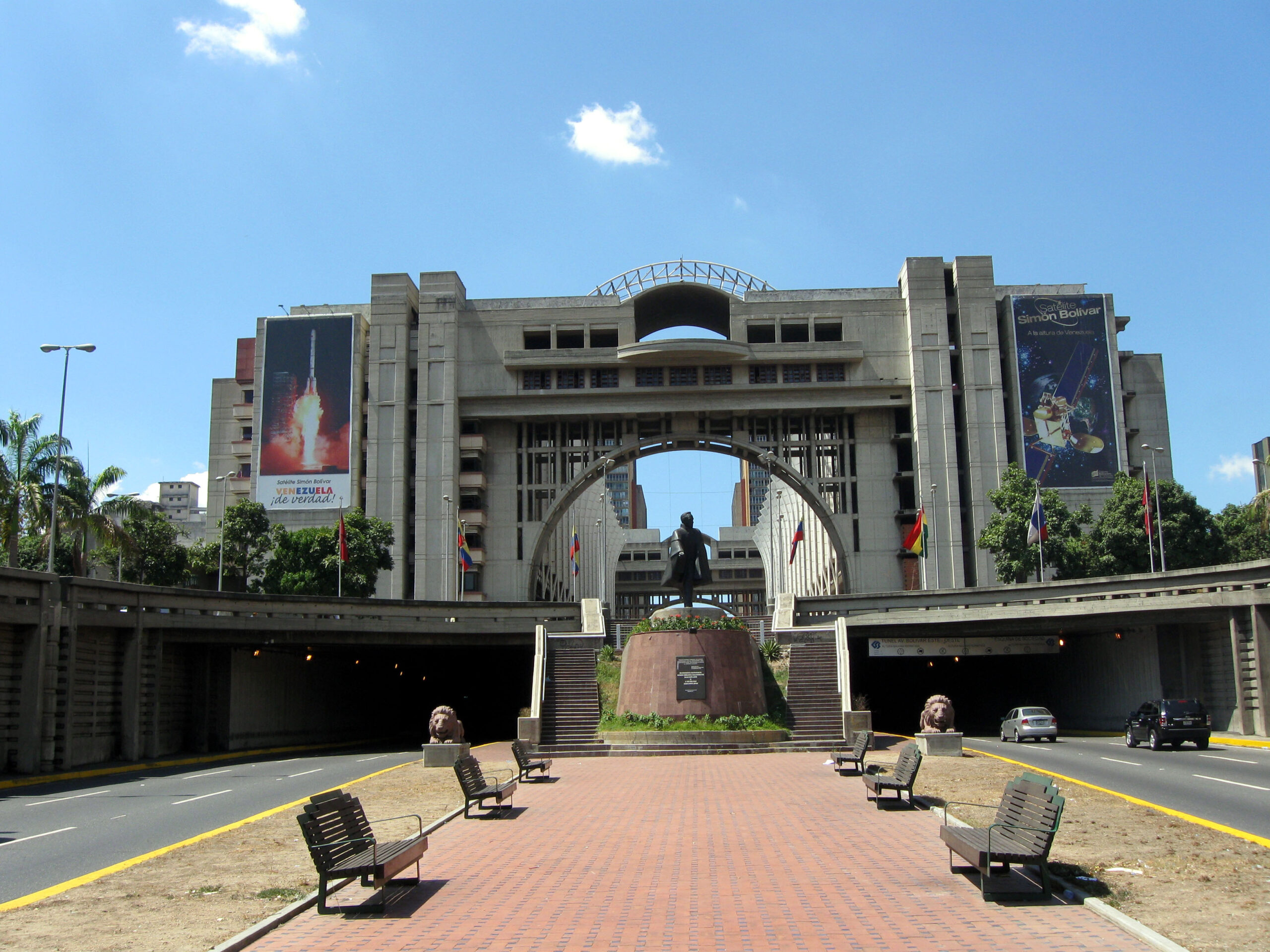
Media Coverage and Narrative Differences
Media portrayals of the Venezuela prisoner release vary significantly. State-aligned outlets emphasize legality and humanitarian intent, while independent and international media focus on unresolved cases and accountability.
This divergence shapes public perception inside and outside Venezuela, influencing how the development is interpreted globally.
Regional Perspective on Stability
Neighboring countries are closely watching the Venezuela prisoner release, recognizing that Venezuela’s internal stability affects migration patterns, trade relations, and regional diplomacy.
Regional leaders have encouraged peaceful solutions and legal transparency as foundations for long-term stability.
Expert View on the Broader Implications
One regional legal analyst said,
“Releasing detainees is meaningful, but lasting progress depends on whether legal protections are strengthened and applied consistently.”
Future Prospects for Political Dialogue
Government officials indicated that the Venezuela prisoner release could support broader dialogue initiatives, though no formal road-map has been announced. Civil society organizations argue that meaningful dialogue must include justice reform, economic policy, and political inclusion.
Without sustained follow-up, observers warn that progress could stall.
Public Expectations and Political Risk
Public expectations surrounding the Venezuela prisoner release remain high. Many citizens see the move as a test of the government’s willingness to address grievances through legal means rather than force.
Failure to expand reforms could deepen skepticism and erode trust.
Why This Moment Matters in 2026
The Venezuela prisoner release represents a pivotal moment in the country’s political trajectory in 2026. It reflects the intersection of domestic pressure, legal processes, and international scrutiny.
How authorities build on this development will shape Venezuela’s political climate in the months ahead.
A Turning Point With Unresolved Questions
As Venezuela moves forward, the Venezuela prisoner release stands as both a humanitarian gesture and a reminder of unresolved challenges. Relief for families is real, but questions about justice, governance, and accountability remain.
Whether this moment becomes a lasting turning point or a symbolic gesture will depend on actions taken beyond the initial announcement.