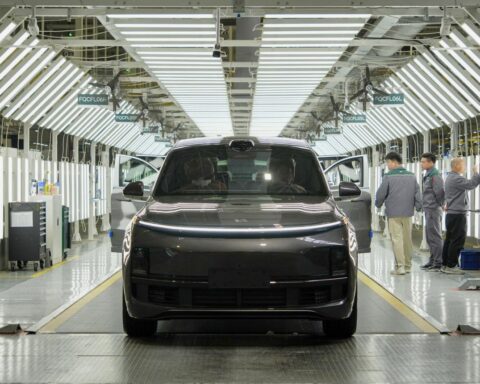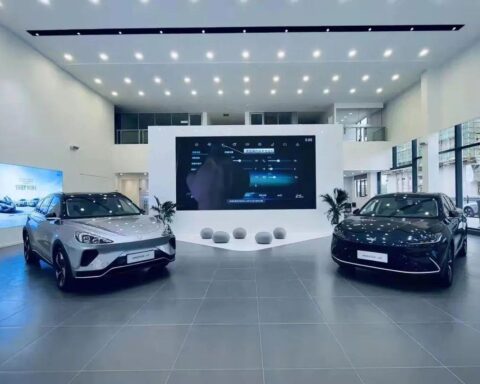
Beijing, China — February 1, 2026 — Parliament News highlights, that New data released this week has brought renewed focus on the Chinese auto industry, as the country’s largest electric vehicle manufacturer, BYD, confirmed a fifth consecutive monthly decline in vehicle sales. The slowdown, recorded across Beijing and other major metropolitan markets, marks a notable turning point in a sector that for more than a decade symbolized rapid industrial expansion and technological ambition. Analysts say the current moment reflects a deeper transformation underway in 2026, shaped by maturing demand, changing government priorities, and intensifying competition at home and abroad.
A Market Long Defined by Rapid Expansion
For much of the past decade, China’s vehicle sector experienced growth at a pace unmatched globally. Annual sales surged as urbanization accelerated, household incomes rose, and infrastructure development expanded into nearly every province. Electric vehicles in particular became a centerpiece of national industrial policy, positioning the Chinese auto industry as a global leader in electrification and battery technology.
This growth phase was fueled by generous subsidies, tax incentives, and aggressive investment in charging networks. Automakers expanded capacity rapidly, often prioritizing scale over efficiency, confident that demand would continue to rise. By the early 2020s, China had become the world’s largest vehicle market by a wide margin, exporting not only cars but also manufacturing expertise and supply-chain dominance.
Signs of a Structural Shift Emerge
The recent sales slowdown, however, suggests that the era of uninterrupted expansion is ending. Monthly delivery declines at leading manufacturers have raised concerns about whether demand is reaching a natural plateau in major urban centers. Market researchers note that vehicle ownership rates in cities such as Beijing, Shanghai, and Shenzhen are now among the highest globally.
This saturation is forcing a recalibration across the Chinese auto industry, as growth increasingly depends on replacement purchases rather than first-time buyers. Replacement cycles tend to be longer and more sensitive to economic conditions, making demand less predictable than in the market’s earlier stages.
Economic Conditions Shape Consumer Behavior
China’s broader economic environment has played a significant role in moderating vehicle demand. Slower wage growth, cautious consumer sentiment, and lingering uncertainty in the property sector have made households more selective about major purchases. Automobiles, despite their utility, represent one of the largest discretionary expenses for families.
As a result, many consumers are delaying vehicle upgrades, waiting for clearer economic signals or more compelling product offerings. These trends are affecting sales across the Chinese auto industry, reinforcing the view that current challenges extend beyond any single manufacturer or model lineup.
Policy Evolution Alters Incentives
Government policy has long been a powerful driver of China’s vehicle market. In recent years, however, policymakers have gradually reduced direct purchase subsidies, signaling confidence that the sector can sustain itself without heavy financial support. The shift reflects a desire to encourage innovation, efficiency, and global competitiveness rather than volume alone.
While investment in charging infrastructure and regulatory backing for electrification continues, the removal of subsidies has dampened short-term demand. This policy evolution is reshaping competition within the Chinese auto industry, particularly for brands that previously relied on incentive-driven sales to maintain momentum.
Price Competition Intensifies Across Segments
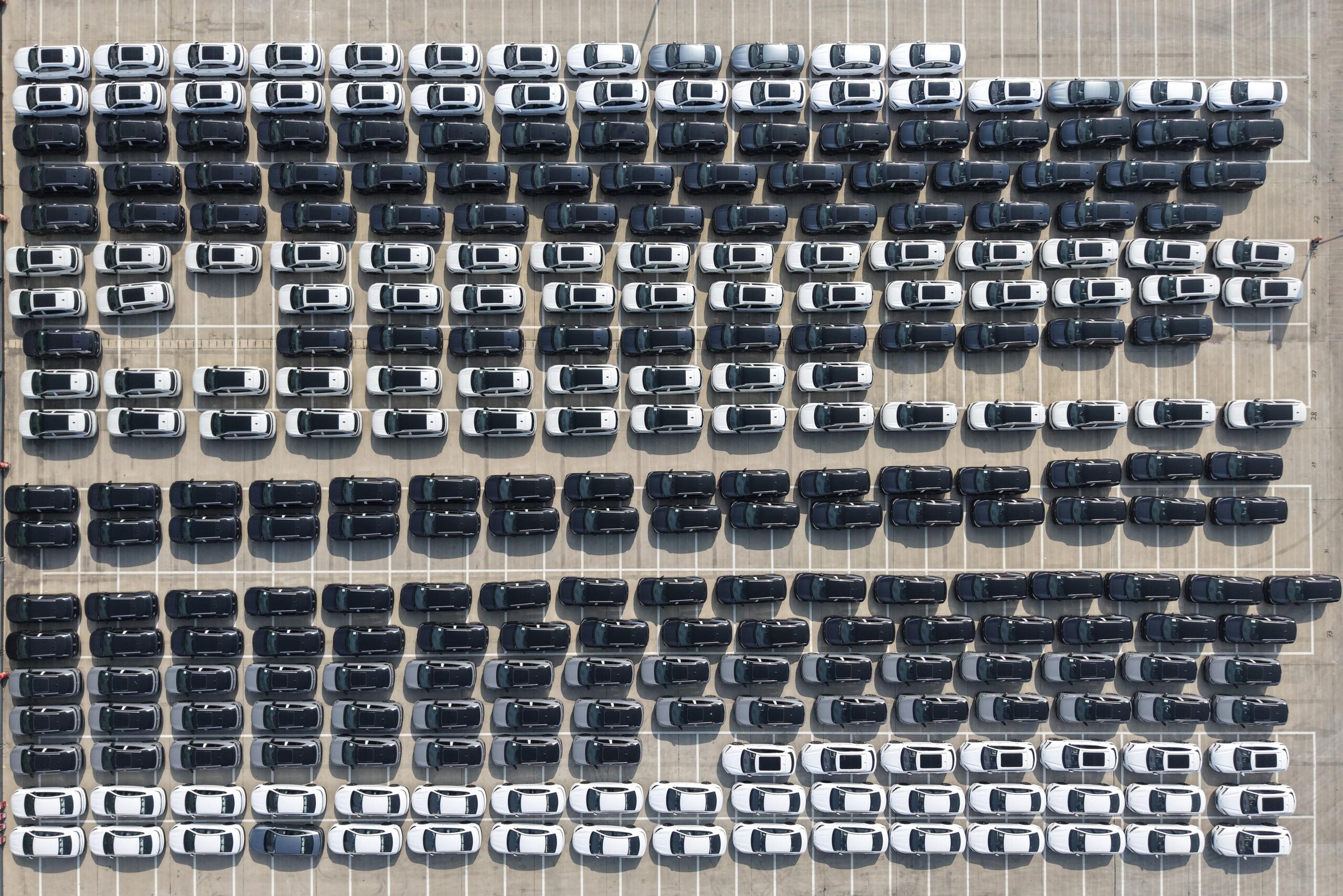
One of the most visible consequences of slowing demand has been a sharp escalation in price competition. Automakers have rolled out discounts, financing incentives, and lower-cost variants in an effort to defend market share. Price adjustments have become frequent, sometimes occurring multiple times within a single quarter.
Although these measures can stimulate short-term sales, they also compress margins and strain profitability. Analysts warn that prolonged discounting could limit investment in research and development, a risk that looms large over the Chinese auto industry as it seeks to maintain technological leadership.
Exports Offer Opportunity but Add Complexity
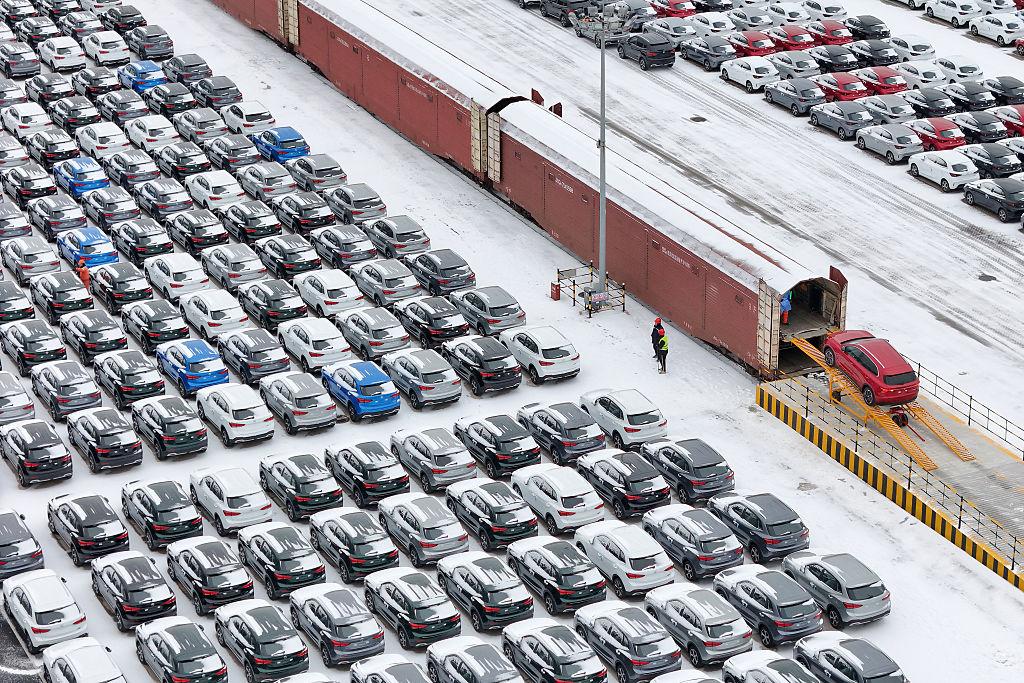
To offset domestic softness, manufacturers have increasingly turned to overseas markets. Exports to Europe, Southeast Asia, the Middle East, and Latin America have risen steadily, supported by global interest in affordable electric vehicles. Chinese brands are now visible in markets where they were virtually absent just a few years ago.
However, international expansion introduces new challenges. Regulatory compliance, tariffs, currency fluctuations, and geopolitical tensions add layers of complexity to global operations. While exports provide diversification, they cannot fully replace domestic demand within the Chinese auto industry, given the scale and importance of the home market.
Technology Becomes the New Battleground
As electric drivetrains become standardized, competition is shifting toward software, connectivity, and intelligent driving systems. Consumers increasingly expect advanced driver-assistance features, seamless smartphone integration, and frequent over-the-air updates as standard offerings.
This evolution is pushing automakers to invest heavily in artificial intelligence, semiconductors, and operating systems. The emphasis on software-defined vehicles marks a strategic shift across the Chinese auto industry, where value creation is moving beyond hardware alone.
Supply Chain Integration Provides Resilience
One factor that continues to differentiate leading manufacturers is supply-chain integration. Control over batteries, key components, and raw material sourcing has helped some firms manage costs and maintain flexibility amid market volatility. Vertical integration reduces exposure to global supply disruptions and price swings.
This model has become increasingly influential across the Chinese auto industry, particularly as geopolitical tensions and commodity market fluctuations highlight the risks of overreliance on external suppliers.
Regional Markets Show Uneven Performance
While sales have softened in major coastal cities, some inland regions continue to show modest growth. Vehicle ownership rates in smaller cities and rural areas remain lower, offering pockets of opportunity for manufacturers willing to tailor products and pricing to local conditions.
This regional divergence underscores the complexity of the Chinese auto industry, where national averages can obscure significant variation in demand patterns and consumer preferences.
Industry Voices Emphasize Normalization
Despite near-term challenges, many industry observers view the current slowdown as a necessary adjustment rather than a crisis. One senior automotive analyst said,
“What we are seeing is normalization after years of extraordinary growth, and this phase is likely to produce a more disciplined and competitive market.”
This perspective reflects a growing consensus that the Chinese auto industry is transitioning from an expansion-driven model to one focused on sustainability and long-term value creation.
Employment and Investment Patterns Evolve
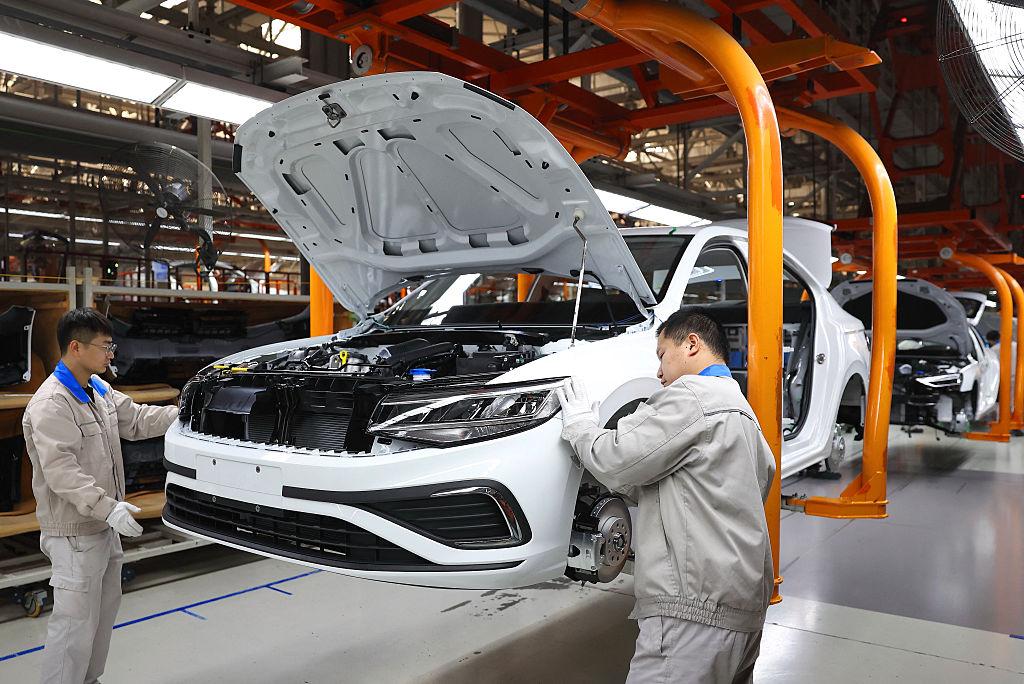
The changing market environment is also influencing employment and capital allocation. Automakers are prioritizing hiring in software development, battery engineering, and autonomous systems, while scaling back roles tied to rapid capacity expansion.
Investment is increasingly directed toward innovation, digital platforms, and overseas growth. These shifts illustrate how transformation within the Chinese auto industry is reshaping not only production strategies but also workforce requirements.
Environmental Goals Remain a Long-Term Driver
China’s commitment to reducing emissions and promoting clean energy remains intact. Electric vehicles continue to play a central role in national climate objectives, ensuring ongoing policy support for electrification through infrastructure investment and regulatory measures.
These goals provide a long-term foundation for recovery and growth within the Chinese auto industry, even as short-term demand fluctuates in response to economic and market conditions.
Global Implications of China’s Market Transition
As the world’s largest vehicle market, China exerts significant influence on global automotive trends. Pricing strategies, technology standards, and export volumes originating in China increasingly shape international markets.
Developments within the Chinese auto industry are therefore closely monitored by governments and manufacturers worldwide, particularly as countries seek to accelerate their own transitions toward electrified transportation.
Outlook for the Remainder of 2026
Looking ahead, analysts expect continued volatility through the rest of the year. Sales may stabilize as inventories normalize and consumer confidence improves, but a return to the rapid growth rates of earlier years appears unlikely.
Instead, the focus is shifting toward profitability, efficiency, and innovation across the Chinese auto industry, marking 2026 as a pivotal year of recalibration rather than retreat.
Beyond Sales Figures A Defining Moment
The recent slowdown at leading manufacturers has become emblematic of a broader transformation underway. The era of subsidy-driven expansion is giving way to one defined by competition, technological leadership, and global integration.
How companies adapt to this environment will shape the trajectory of the Chinese auto industry for years to come, influencing not only domestic outcomes but also the future of the global automotive sector.
A Sector Redefining Its Future
As 2026 unfolds, China’s vehicle market stands at a crossroads. The challenges now facing manufacturers reflect the natural evolution of a once-booming industry into a mature and competitive ecosystem. While uncertainty remains, the sector’s scale, technological depth, and policy alignment continue to provide a strong foundation.
In this context, the Chinese auto industry is not retreating but redefining itself, setting the stage for a new chapter in which innovation, resilience, and global engagement determine success.