

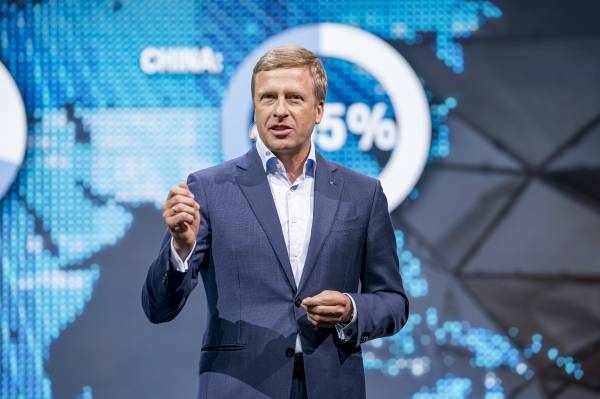
Berlin, January 2026 — The BMW CEO statement delivered at a high-level automotive and industrial forum in the German capital has become a focal point for policymakers, investors, and industry leaders assessing the future direction of the global car sector. At a time of technological transition, geopolitical uncertainty, and regulatory pressure, the remarks set out a measured vision centered on continuity, competitiveness, and long-term execution rather than abrupt strategic shifts.
The message resonated across markets precisely because it avoided dramatic rhetoric, instead offering reassurance that one of Europe’s most influential manufacturers remains committed to stability and disciplined growth.
Context Behind the Berlin Address
The timing of the BMW CEO statement was significant. The automotive industry in 2026 faces overlapping challenges including electrification costs, supply chain recalibration, labor transformation, and evolving trade frameworks. Against this backdrop, leadership communication carries outsized importance.
Industry observers noted that the Berlin setting underscored the company’s intention to engage directly with European policymakers while also sending a global signal about strategic priorities.
A Tone of Strategic Calm
Unlike more reactive corporate messaging seen during past downturns, the BMW CEO statement emphasized calm assessment over urgency. The address framed current pressures as manageable within existing strategic frameworks rather than catalysts for radical restructuring.
This tone reflected a belief that resilience is built through preparation and consistency, not through sudden pivots driven by short-term volatility.
Commitment to Long-Term Planning
A central theme of the BMW CEO statement was the importance of long planning horizons in automotive manufacturing. Vehicle platforms, production facilities, and technology investments often span a decade or more, making predictability essential.
The remarks reinforced the idea that sustained competitiveness depends on aligning investment cycles with realistic market evolution rather than attempting to anticipate every short-term fluctuation.

Global Manufacturing Footprint as a Strength
BMW’s diversified production network featured prominently. In the BMW CEO statement, the company highlighted its ability to balance output across regions, enabling responsiveness to demand shifts while mitigating localized risk.
This global footprint allows the automaker to navigate regulatory differences, currency movements, and logistical challenges without overreliance on any single market.
Trade Policy and Market Access
Trade dynamics were addressed with careful nuance. The BMW CEO statement reiterated support for open markets and cooperative trade relationships, noting that modern vehicle manufacturing relies on deeply integrated supply chains.
Rather than advocating protectionist measures, the company emphasized competitiveness through efficiency, scale, and innovation, positioning trade openness as a strategic advantage.
Technology Transition Without Alarm
Electrification, digitalization, and advanced manufacturing processes are reshaping the industry. The BMW CEO statement approached these transitions as evolutionary rather than disruptive, highlighting phased investment and gradual integration.
This framing suggested confidence in the company’s capacity to absorb technological change without destabilizing existing operations.
Workforce Strategy and Skills Development
Human capital emerged as a critical pillar. The BMW CEO statement underscored ongoing investment in training and upskilling, recognizing that technological transformation requires parallel workforce adaptation.
Rather than large-scale labor displacement, the emphasis was on role evolution, skills renewal, and long-term employment sustainability.

Investor Interpretation and Market Response
Financial markets reacted with measured approval. Analysts interpreted the BMW CEO statement as confirmation of strategic continuity, reducing uncertainty at a time when many industries face abrupt policy and demand shifts.
The absence of surprise announcements or radical changes was widely viewed as a stabilizing signal for long-term investors.
One Industry Perspective
One senior automotive analyst said,
“What stood out was not a single policy demand but the confidence that disciplined execution remains the best response to complexity.”
Environmental Strategy Within a Business Framework
Sustainability featured as an integrated business consideration. In the BMW CEO statement, environmental commitments were positioned alongside cost efficiency, innovation, and product quality rather than as isolated obligations.
This approach reflects a broader industry shift toward embedding sustainability into core operations rather than treating it as a separate compliance function.
Competitive Position in the Premium Segment
Competition in the premium automotive market remains intense, with established brands and new entrants vying for share. The BMW CEO statement acknowledged this pressure while emphasizing brand strength, engineering expertise, and global reach.
Analysts note that premium manufacturers often have greater pricing flexibility, helping them navigate cost volatility more effectively than mass-market competitors.

Supply Chain Lessons From Recent Years
Recent disruptions have reshaped supply chain strategy. The BMW CEO statement referenced the importance of diversification, transparency, and long-term supplier relationships as lessons carried forward from earlier volatility.
These adjustments aim to reduce vulnerability while preserving efficiency and scale advantages.
Policy Stability as a Competitive Factor
Engagement with policymakers formed a subtle but important thread. The BMW CEO statement highlighted the value of regulatory predictability in supporting long-term investment decisions.
Stable frameworks enable manufacturers to commit capital with confidence, benefiting not only companies but also employment and regional development.
Why the Message Resonated in 2026
The broader resonance of the BMW CEO statement stems from its alignment with prevailing industry sentiment. Many established manufacturers share concerns about policy fragmentation, cost escalation, and investment risk.
By articulating a balanced response, the address captured a collective preference for measured adaptation over reactive change.
Implications for the Wider Automotive Sector
Beyond BMW, the BMW CEO statement is being read as indicative of how legacy manufacturers intend to navigate the next phase of transformation. The emphasis on continuity suggests a sector seeking to absorb change without sacrificing operational stability.
This stance may influence peers as they calibrate their own messaging and strategy.
Regional Signals From Berlin
Berlin’s role as host added symbolic weight. The BMW CEO statement delivered in Germany’s political center reinforced the link between industrial policy and manufacturing competitiveness.
Observers noted that such forums often shape future dialogue between industry and government, even when no immediate policy outcomes are announced.
Financial Discipline Remains Central
Cost control and capital efficiency were recurring undercurrents. The BMW CEO statement emphasized disciplined spending, prioritizing projects with clear long-term returns over speculative initiatives.
This focus aligns with investor expectations in an environment where capital costs remain elevated.
Adapting to Consumer Expectations
Consumer preferences continue to evolve toward digital features, sustainability, and personalization. The BMW CEO statement addressed these trends indirectly by reaffirming commitment to innovation within a stable product strategy.
Meeting changing expectations without overextending resources remains a delicate balance.
Global Industry Confidence and Caution
Taken together, the BMW CEO statement reflects an industry posture defined by cautious confidence. Manufacturers recognize the scale of transformation underway but remain convinced that established capabilities provide a solid foundation.
This confidence is tempered by realism about execution challenges.
Looking Beyond the Current Cycle
Long-term vision was a defining feature. The BMW CEO statement consistently framed decisions in terms of decades rather than quarters, reinforcing a strategic mindset oriented toward durability.
Such perspective appeals to stakeholders seeking reassurance amid rapid change.
A Measured Blueprint for Leadership
The address provided a blueprint for leadership communication during uncertainty. The BMW CEO statement avoided extremes, offering neither complacency nor alarmism.
Instead, it articulated a philosophy of steady adaptation grounded in experience.