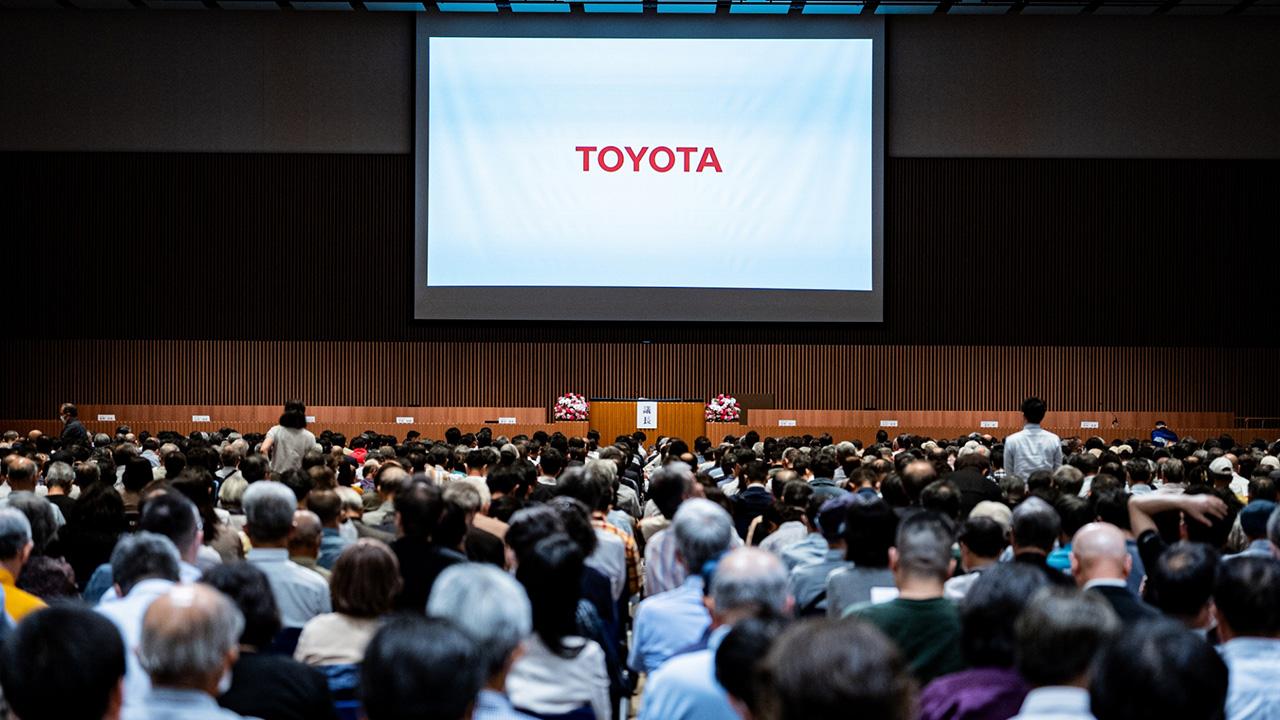
TOKYO, Japan — January: A proposed Toyota buyout has become a defining test of Japan’s evolving corporate governance system, exposing tensions between long-standing business traditions and rising shareholder activism. The dispute has drawn sustained attention from global investors, policymakers, and financial regulators, marking one of the most consequential corporate governance moments in modern Japanese business history.
At stake is not only the future ownership structure of one of the world’s most influential automakers, but also the credibility of Japan’s efforts to modernize boardroom accountability while preserving economic stability.
From Internal Proposal to Public Flash-point
What began as a relatively contained internal discussion quickly escalated into a public debate. The Toyota buyout proposal was initially framed as a strategic restructuring designed to consolidate control and reinforce long-term planning. Such approaches have traditionally been viewed in Japan as prudent measures to shield companies from volatility and hostile influence.
However, the visibility of Toyota as an industrial cornerstone altered the trajectory of the proposal. Market participants recognized that the implications extended far beyond a single transaction, raising broader questions about transparency, shareholder rights, and the balance of power inside Japanese corporations.

Activist Investors Take Center Stage
The turning point came when activist investors openly challenged the Toyota buyout, arguing that minority shareholders were not being adequately protected. These investors questioned valuation methods, governance safeguards, and decision-making independence, calling for deeper scrutiny and clearer disclosures.
While shareholder activism was once rare in Japan, regulatory reforms and global capital integration have reshaped expectations. Activist funds now operate with greater confidence, supported by stewardship codes and governance frameworks introduced over the past decade.
“The Toyota buyout debate reflects a broader recalibration of power between management and shareholders in Japan’s largest companies,”
said a Tokyo-based corporate governance expert.
Their involvement transformed the discussion from an internal corporate matter into a high-profile governance confrontation.
Governance Practices Under International Scrutiny
The Toyota buyout placed Japan’s governance reforms under a global microscope. Investors and analysts examined whether existing structures genuinely empowered independent directors or merely satisfied formal requirements.
Japan has taken measurable steps to align with international norms, including mandating outside directors and encouraging dialogue between boards and shareholders. Yet critics argue that enforcement and cultural acceptance remain uneven, particularly within legacy corporations accustomed to closed decision-making processes.
The case has become a benchmark against which future governance credibility will be judged.
Market Reaction Reflects Cautious Optimism
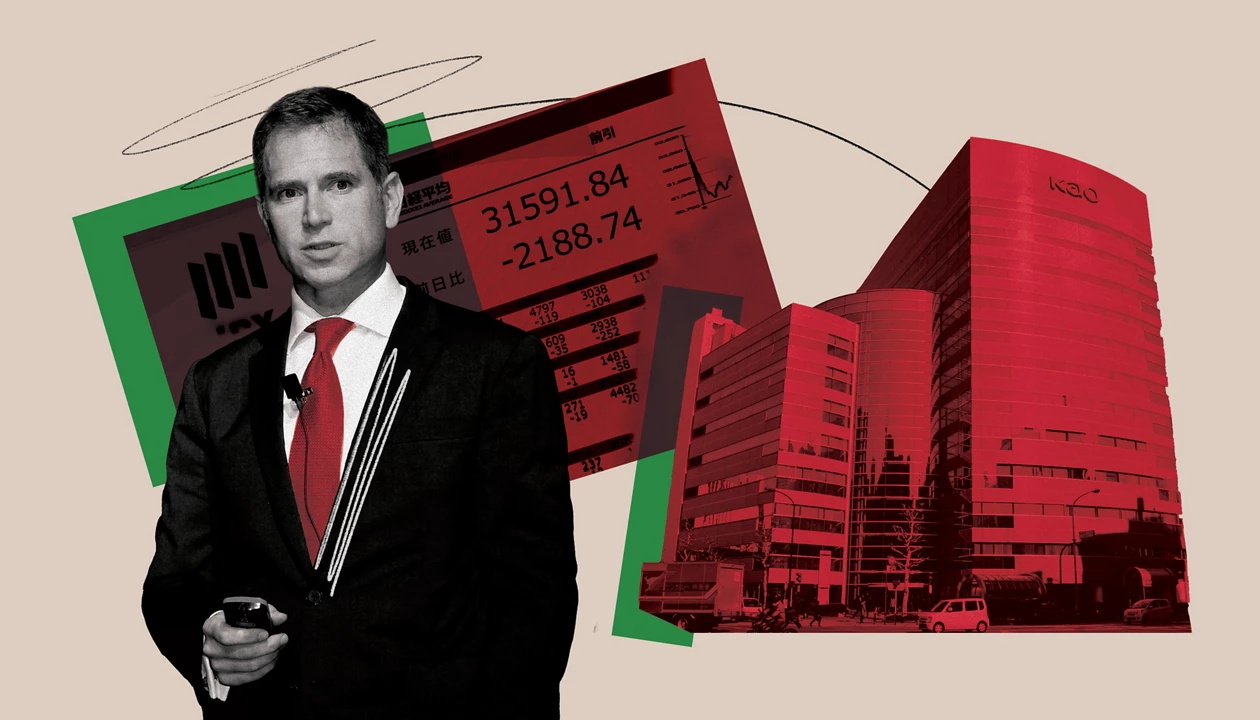
Financial markets have responded with restraint rather than volatility. Share price movements surrounding the Toyota buyout have been moderate, reflecting investor confidence in Toyota’s underlying business while signaling concern over governance clarity.
Institutional investors have emphasized that governance transparency increasingly influences long-term capital allocation decisions. Japan’s ability to navigate this episode without undermining stability is being closely watched by pension funds and sovereign wealth investors worldwide.
Cultural Fault Lines Shape the Dispute
The Toyota buyout has also highlighted deep cultural contrasts in corporate engagement. Japanese executives traditionally emphasize harmony, internal consensus, and long-term employment stability. Public confrontation, especially by external investors, is often viewed as disruptive.
Activist investors, by contrast, operate within systems where public accountability and shareholder pressure are standard mechanisms for change. This divergence has fueled misunderstandings, but it has also forced dialogue that may reshape expectations on both sides.
Regulators Walk a Careful Line
Regulatory authorities have avoided direct intervention while reinforcing expectations for disclosure and fiduciary responsibility. The Toyota buyout has reignited debate over whether Japan’s legal framework sufficiently protects minority shareholders during complex ownership restructurings.
Officials have stressed neutrality, emphasizing that markets function best when corporate decisions are transparent and equitable. While no immediate regulatory changes have been announced, the episode is widely expected to inform future policy discussions.
Symbolism Beyond a Single Company
For many observers, the Toyota buyout represents a broader transition underway across Japan’s corporate sector. Traditional cross-shareholding networks have been gradually unwound, and return-focused governance models are gaining acceptance.
This evolution reflects demographic pressures, slower economic growth, and increasing exposure to global capital markets. Large corporations are being pushed to justify strategic decisions not only to internal stakeholders but also to an increasingly diverse shareholder base.

Boardrooms Across Japan Take Notice
Executives at other major firms are closely studying the Toyota buyout as they consider their own governance and capital strategies. The message is clear: major restructuring decisions now require early engagement, independent assessment, and credible communication.
Failure to adapt risks prolonged disputes, reputational damage, and reduced investor confidence. Success, by contrast, could strengthen trust and enhance long-term competitiveness.
One Market Perspective
One senior governance analyst said,
“This moment shows that Japan’s largest corporations are entering a new era where shareholder accountability is no longer optional, but central to corporate legitimacy.”
Implications for Global Investment Flows
The Toyota buyout debate is influencing how international investors assess Japan as a destination for long-term capital. Governance clarity is increasingly viewed as a prerequisite for sustained investment, particularly among funds with environmental, social, and governance mandates.
Positive resolution could reinforce Japan’s reputation as a reform-oriented market, while prolonged uncertainty may encourage investors to seek opportunities elsewhere in Asia.
Corporate Strategy in a Changing Landscape
Strategic autonomy remains a priority for Japanese corporations, but the Toyota buyout illustrates that autonomy must now coexist with accountability. Boards are being asked to demonstrate that strategic decisions serve all shareholders, not just entrenched interests.
This shift does not necessarily signal the end of Japan’s relationship-driven corporate culture, but rather its adaptation to modern financial realities.
Long-Term Consequences for Governance Reform
The Toyota buyout is likely to be referenced in governance discussions for years to come. Whether through enhanced disclosure practices, stronger board independence, or revised shareholder engagement norms, its influence will extend beyond the immediate outcome.
Corporate Japan’s challenge is to integrate reform without sacrificing stability, ensuring that change strengthens rather than destabilizes the economic system.
A Quiet Transformation Gains Momentum
As negotiations continue, the Toyota buyout underscores a subtle but powerful shift in Japan’s boardrooms. Authority is no longer concentrated solely within executive ranks, and shareholder voices are reshaping strategic debates.
This transformation, unfolding gradually, marks a turning point in how Japan balances tradition with transparency in an increasingly interconnected global economy.
When Boardroom Tradition Meets Global Capital
The final outcome may take time, but the broader direction is clear. The Toyota buyout has already altered expectations, signaling that Japan’s corporate future will be defined not by resistance to change, but by how effectively it manages it.