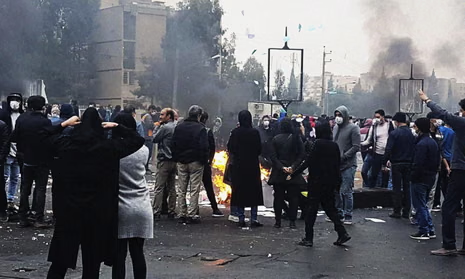
Iran, January 2026 — Parliament News Highlights that Iran protests economy has emerged as the central factor behind repeated waves of unrest across the country since 2017. Legal analysts and social observers say demonstrations have been driven primarily by economic hardship rather than organized political movements.
Rising inflation, job insecurity, and declining purchasing power have steadily pushed citizens into the streets. These pressures affect households across social and geographic lines, creating a pattern of unrest that continues to define Iran’s domestic climate in 2026.
At the center of this analysis is Iran, where prolonged economic stress has reshaped public behavior and expectations.
Economic hardship as the common denominator
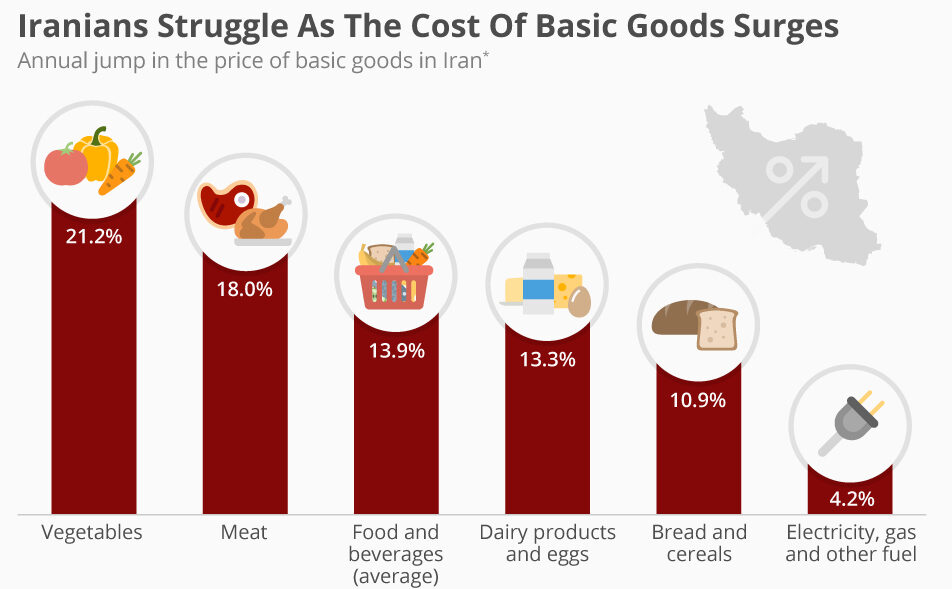
Since late 2017, periods of unrest have coincided closely with sharp economic shocks. Sudden increases in food prices, fuel costs, and housing expenses have repeatedly acted as flashpoints. Analysts argue that Iran protests economy reflects a threshold where everyday survival concerns overwhelm fear of consequences. When families struggle to afford bread, rent, or transportation, protest becomes an expression of necessity rather than ideology. This economic foundation explains why demonstrations often emerge rapidly and without centralized leadership, spreading organically through communities experiencing similar pressures.
Inflation and currency pressure
Persistent inflation has eroded real incomes year after year. Currency depreciation has amplified the cost of imported goods and raw materials, feeding into domestic price increases. Wages, however, have not kept pace. Economists note that this imbalance is central to understanding Iran protests economy, as households experience a continuous decline in purchasing power even when nominal income rises. Inflation transforms abstract economic policy into tangible daily hardship, making it one of the most potent drivers of social unrest.
Unemployment and underemployment
Job scarcity, particularly among young people, has compounded inflationary stress. University graduates often face underemployment, temporary contracts, or informal labor with little security. For many, education no longer guarantees stability. Legal advocates emphasize that Iran protests economy intensifies when unemployment coincides with rising living costs, creating a sense of economic betrayal among younger generations who feel excluded from opportunity despite qualifications.
From price hikes to broader discontent
Most demonstrations begin with narrow economic grievances. Protests erupt after announcements of subsidy cuts, fuel price increases, or shortages. Over time, slogans may broaden to include governance concerns, but analysts stress that Iran protests economy consistently starts with livelihood insecurity. Economic anger opens space for wider expression, yet the original motivation remains rooted in survival rather than political ideology.
Spread beyond major cities
Earlier protest movements were often concentrated in Tehran. Since 2017, unrest has expanded to provincial towns and smaller cities. Factory closures, agricultural losses, and reduced public investment have hit these areas hard. This geographic pattern reinforces the argument that Iran protests economy is driven by structural economic imbalance. Communities distant from political centers joined demonstrations when local employment collapsed or basic services deteriorated.
Impact of sanctions and external pressure
International sanctions have exacerbated domestic economic challenges by limiting trade, investment, and access to financial systems. While internal policy choices matter, sanctions amplify inflation and restrict job creation. Observers note that Iran protests economy often peaks during moments of heightened external pressure, when currency volatility quickly translates into price shocks for households. For citizens, global politics becomes visible through higher grocery bills and shrinking incomes.
Household coping strategies under strain
Families have adapted through cost cutting, informal work, and reliance on extended networks. Over time, these strategies lose effectiveness. When savings disappear and borrowing options close, frustration grows. Sociologists link the exhaustion of coping mechanisms directly to Iran protests economy, as protests emerge when households can no longer absorb economic shocks privately.
Social media and visibility of unrest
Digital platforms have changed how protests are seen rather than why they occur. Videos from small towns now circulate nationally within hours. While social media accelerates awareness, experts stress that Iran protests economy reflects real conditions on the ground. Technology amplifies existing anger; it does not create it. Visibility transforms isolated incidents into nationwide conversations, reinforcing a shared sense of grievance.
State response and legal consequences
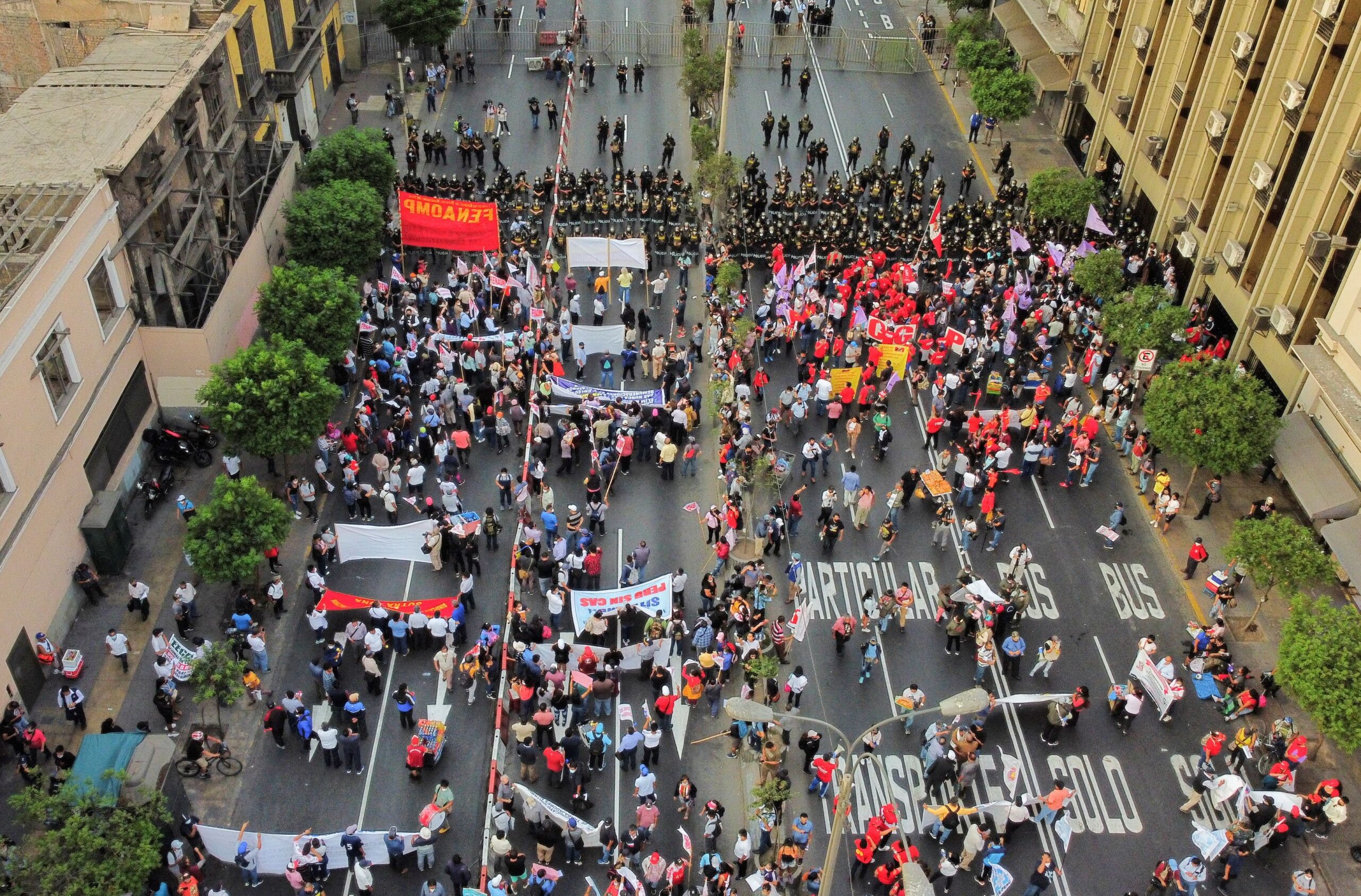
Authorities have often responded with arrests, restrictions, and temporary internet shutdowns. Rights organizations document detentions and injuries during peak unrest. Legal analysts argue that suppressing demonstrations without addressing economic roots ensures recurrence. From this perspective, Iran protests economy represents unresolved structural issues that enforcement alone cannot solve. Short term control may quiet streets, but inflation and unemployment remain.
Human rights and economic obligations
International human rights frameworks recognize access to food, work, and housing as fundamental protections. When these are undermined, protest becomes a predictable outcome. A human rights lawyer observed,
“When economic dignity collapses, public protest becomes a form of survival rather than dissent.”
This view reframes Iran protests economy as an indicator of systemic failure rather than criminal behavior, emphasizing the need for policy solutions.
Trust in institutions under pressure
Repeated unrest has eroded confidence in economic governance. Each protest cycle adds to skepticism that conditions will improve. Experts warn that ignoring the economic roots behind Iran protests economy risks long term instability. Restoring trust requires credible reform, transparency, and measurable improvements in living standards rather than temporary relief measures.
Labor rights and wage disputes
Workers in manufacturing, transportation, and public services have staged strikes linked to unpaid wages and job insecurity. These actions often merge with street protests, reinforcing the economic character of unrest. Analysts highlight that Iran protests economy includes not only spontaneous demonstrations but organized labor actions reflecting similar grievances about income security and cost of living.
Gendered dimensions of economic stress
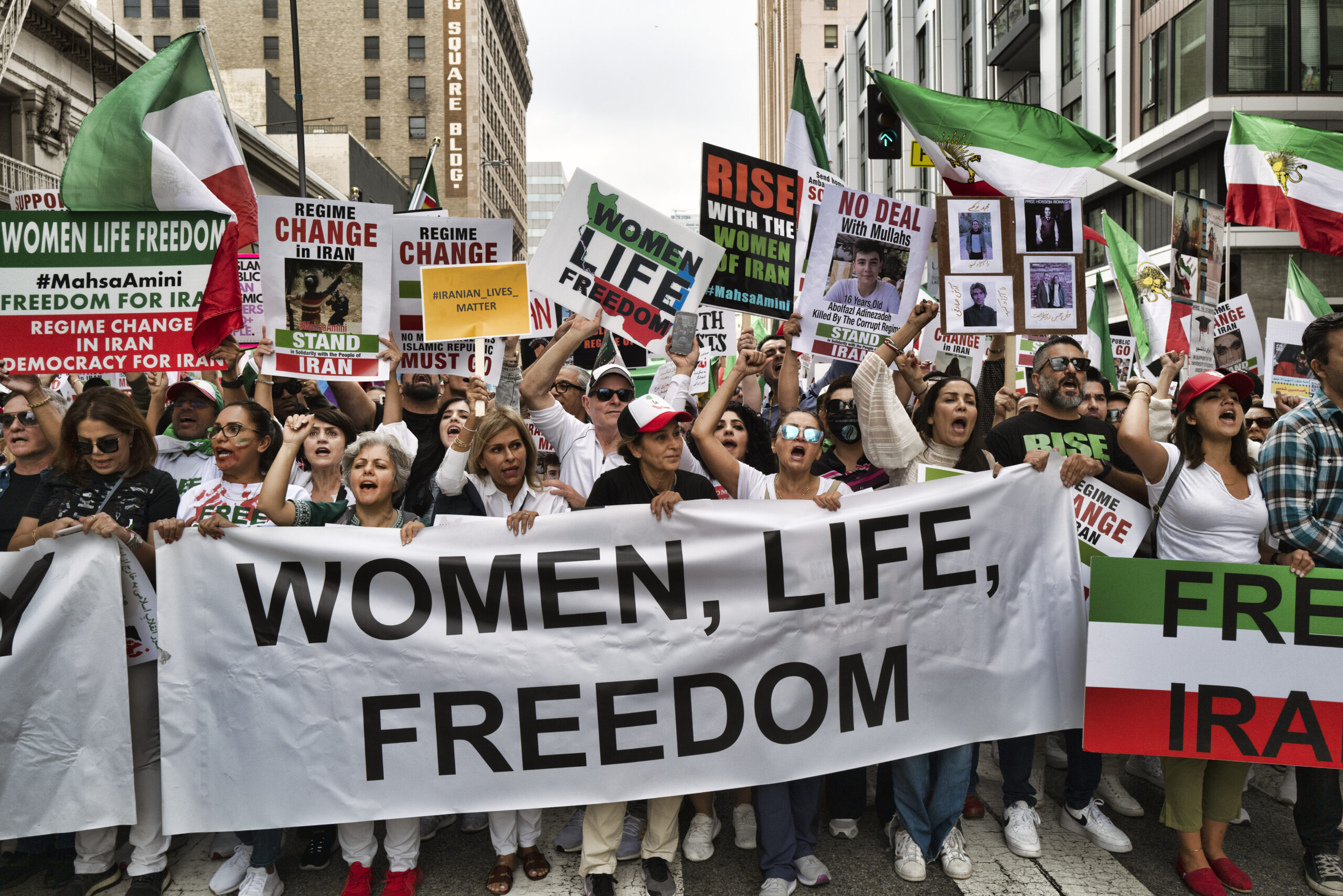
Economic hardship affects men and women differently. Women often bear disproportionate responsibility for managing household budgets under inflation. When prices rise, domestic stress increases. Sociologists note that women’s participation in demonstrations underscores how Iran protests economy penetrates private life, transforming economic pressure into collective action.
Rural and environmental factors
Drought, water shortages, and agricultural decline have intensified rural hardship. Farmers facing crop losses and rising input costs have joined protests when livelihoods collapse. Environmental stress intersects with economic decline, expanding the scope of Iran protests economy beyond urban settings into rural regions historically less visible in national unrest.
Education and expectations gap
Education once promised upward mobility. Today, many graduates face limited prospects. The gap between expectations and reality fuels resentment. Analysts connect this disappointment directly to Iran protests economy, as educated youth challenge an economic system that no longer rewards investment in skills.
The role of subsidies and reforms
Government attempts to reform subsidies aim to address fiscal strain but often trigger unrest when implemented abruptly. Fuel and food subsidies are deeply embedded in household budgets. Sudden changes amplify Iran protests economy, demonstrating how policy design and communication influence social stability.
Media narratives and framing
State media often emphasize security aspects of unrest, while independent outlets highlight economic grievances. This divergence shapes public understanding. Analysts argue that acknowledging Iran protests economy openly could foster dialogue, whereas denial reinforces mistrust and fuels further demonstrations.
Long term economic restructuring challenges
Structural reform is complex and politically sensitive. Diversifying the economy, attracting investment, and controlling inflation require time and stability. Yet without progress, Iran protests economy remains cyclical. Experts caution that postponing reform increases the social cost of adjustment later.
Implications for governance in 2026
As Iran advances through 2026, economic indicators remain fragile. Inflation persists, growth is uneven, and employment gains lag behind population needs. In this context, Iran protests economy signals unresolved tension between policy capacity and social demand. Governance strategies that prioritize stability without reform risk repeating past cycles.
Regional comparisons and lessons
Comparative studies show that economic driven protests are common where inflation and unemployment intersect. Iran’s experience aligns with global patterns, reinforcing that Iran protests economy is not exceptional but illustrative of broader socioeconomic dynamics under stress.
Beyond ideology the economics of frustration
Ultimately, the unrest since 2017 reveals a society responding to prolonged economic strain. Political language may accompany protests, but livelihood insecurity remains central. As Parliament News coverage underscores, understanding Iran protests economy requires shifting focus from ideology to economics, from enforcement to reform. Until inflation, employment, and inequality are addressed, demonstrations driven by survival concerns are likely to remain a recurring feature of Iran’s social landscape.