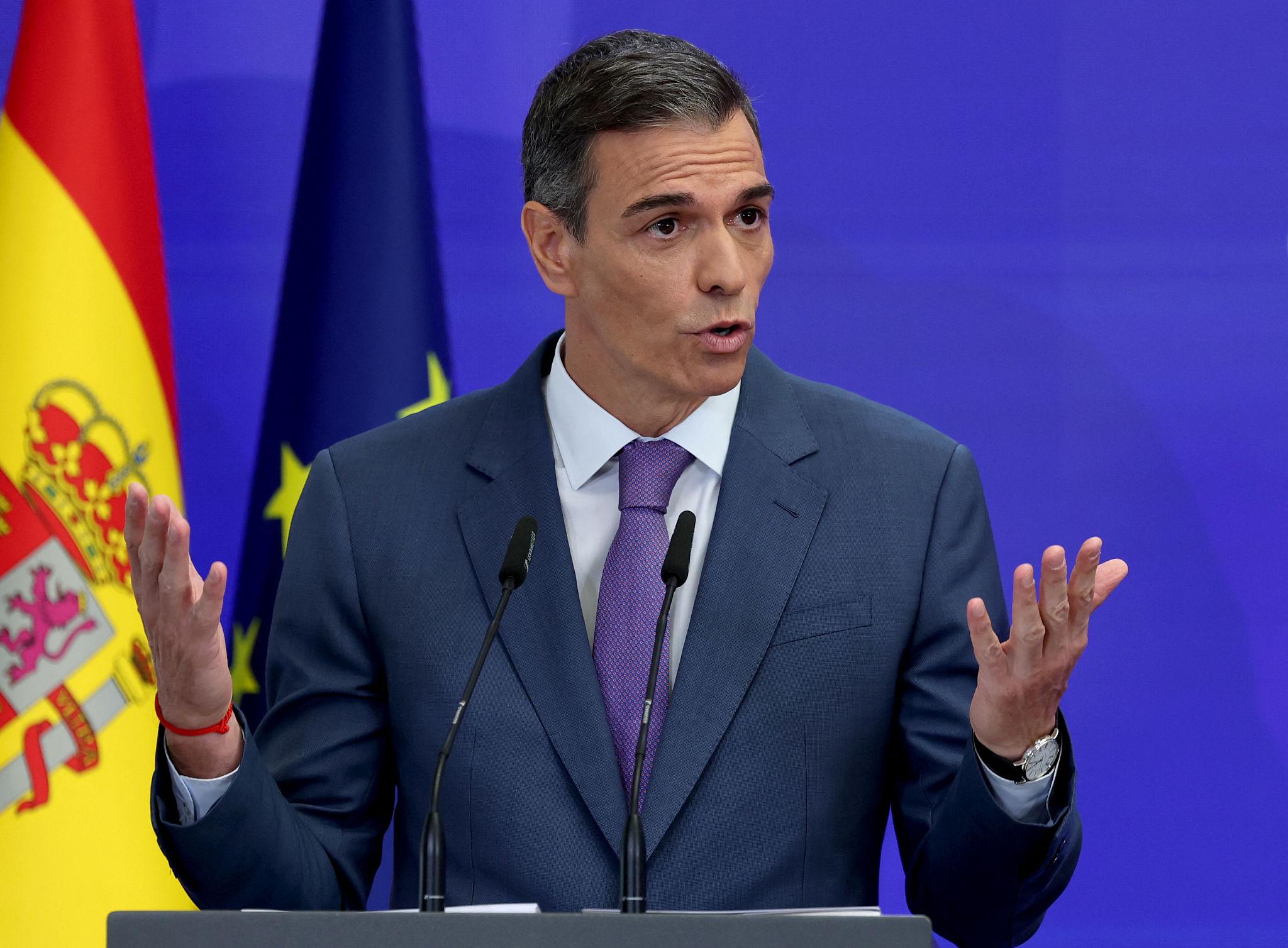
MADRID, Spain — March 4, 2026 — According to Parliament News, that A strong statement from Spain’s Prime Minister Pedro Sánchez has placed renewed attention on global diplomacy tensions, after he warned that political leaders must not treat international relations like a dangerous gamble. Speaking in Madrid during a press briefing on international policy and global stability, Sánchez said decisions affecting international alliances, economic policy, and security cooperation carry consequences that reach far beyond political offices.
His comments came during growing debates among European leaders about the stability of global alliances and the direction of international politics. The prime minister’s remarks quickly gained attention across Europe and the United States because they reflected increasing concern that unpredictable leadership decisions could intensify global diplomacy tensions and create ripple effects across the world economy.
Sánchez emphasized that responsible leadership is essential when dealing with international matters that influence millions of lives.
European Leaders Warn About Rising Global Risks
Across Europe, policymakers have expressed concern that the international political climate is becoming more uncertain. Trade disputes, military conflicts in multiple regions, and economic competition among major powers are contributing to a growing sense of instability.
Many European leaders believe the world is entering a period where diplomacy must be handled with greater care and strategic thinking. The debate surrounding global diplomacy tensions reflects fears that escalating disagreements between nations could disrupt decades of cooperation.
Spain’s government has increasingly positioned itself as a voice for balanced diplomacy. Spanish officials believe international partnerships must remain strong, especially during moments when political disagreements threaten to deepen global diplomacy tensions.
European institutions such as the European Union have also encouraged member states to maintain open communication with allies while managing disputes through diplomatic channels rather than confrontation.
Spain’s Message to Global Leaders
During his remarks, Sánchez delivered a message that resonated widely across diplomatic circles. The statement highlighted the responsibility that political leaders carry when making decisions affecting global systems.
He reminded governments that international relations are deeply interconnected. Policies involving trade, defense alliances, energy cooperation, and technology regulation often affect countries far beyond their borders.
Sanchez Warns Reckless Politics Could Put Millions at Risk
“You cannot play Russian roulette with the destiny of millions,”
Sánchez said, warning that reckless political strategies could increase global diplomacy tensions and destabilize the global economy.
The comment quickly spread across international media and became one of the most widely discussed diplomatic remarks of the week.
Economic Consequences of Diplomatic Conflicts
When governments engage in political disputes, the consequences often extend beyond diplomatic meetings. Rising global diplomacy tensions can directly influence financial markets, trade routes, and international investment flows.
Economic analysts say uncertainty in international relations frequently leads to volatility in global markets. Businesses may delay investment decisions, supply chains can shift, and consumers may face higher prices as a result of trade disruptions.
For example, tariffs or sanctions imposed during diplomatic disagreements can affect industries ranging from agriculture to technology. When countries respond with retaliatory measures, the economic consequences can multiply quickly.
Spain’s leadership has warned that escalating global diplomacy tensions could slow economic growth and undermine the stability that international markets rely on.
Transatlantic Relations Under Pressure
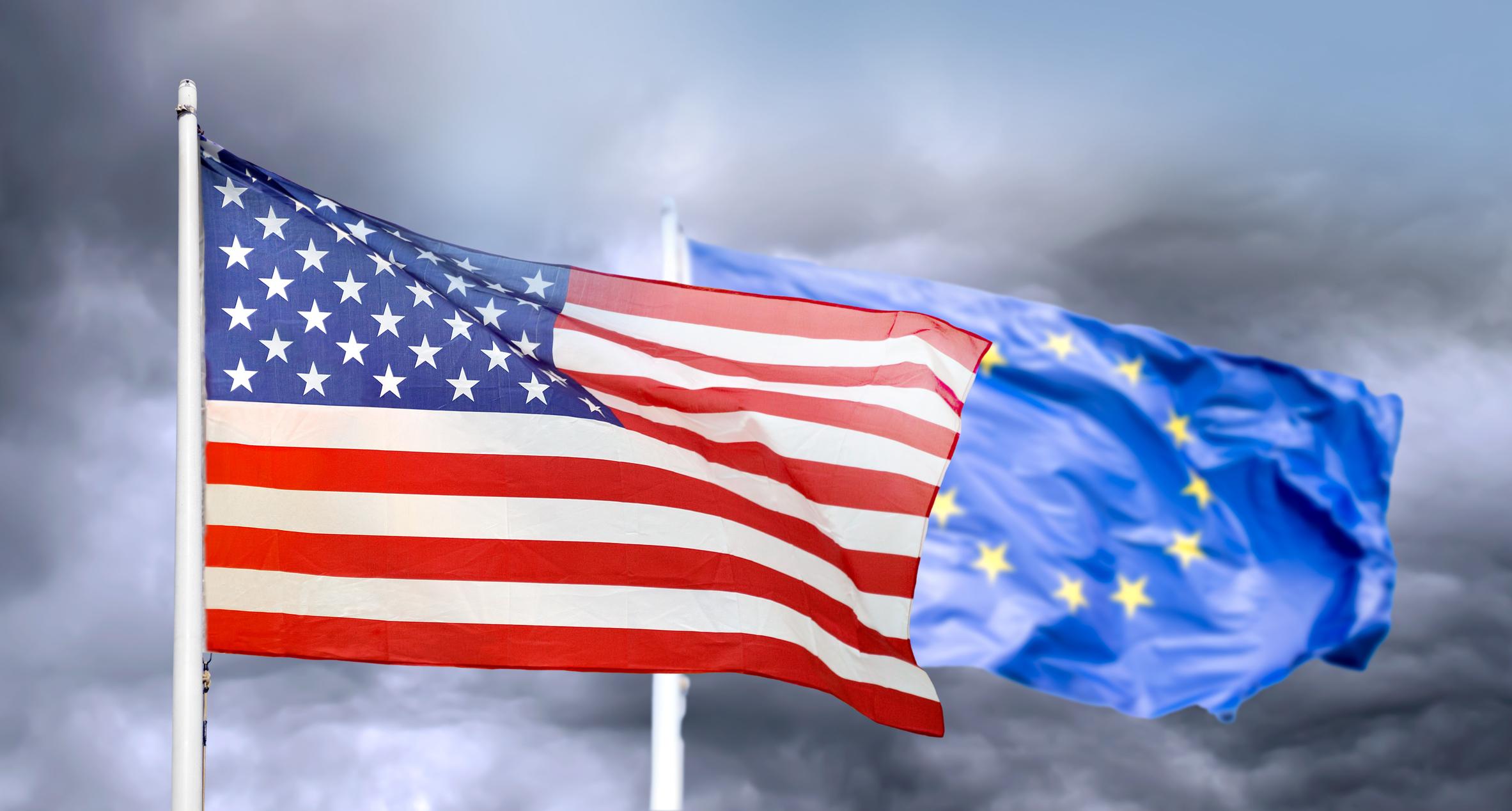
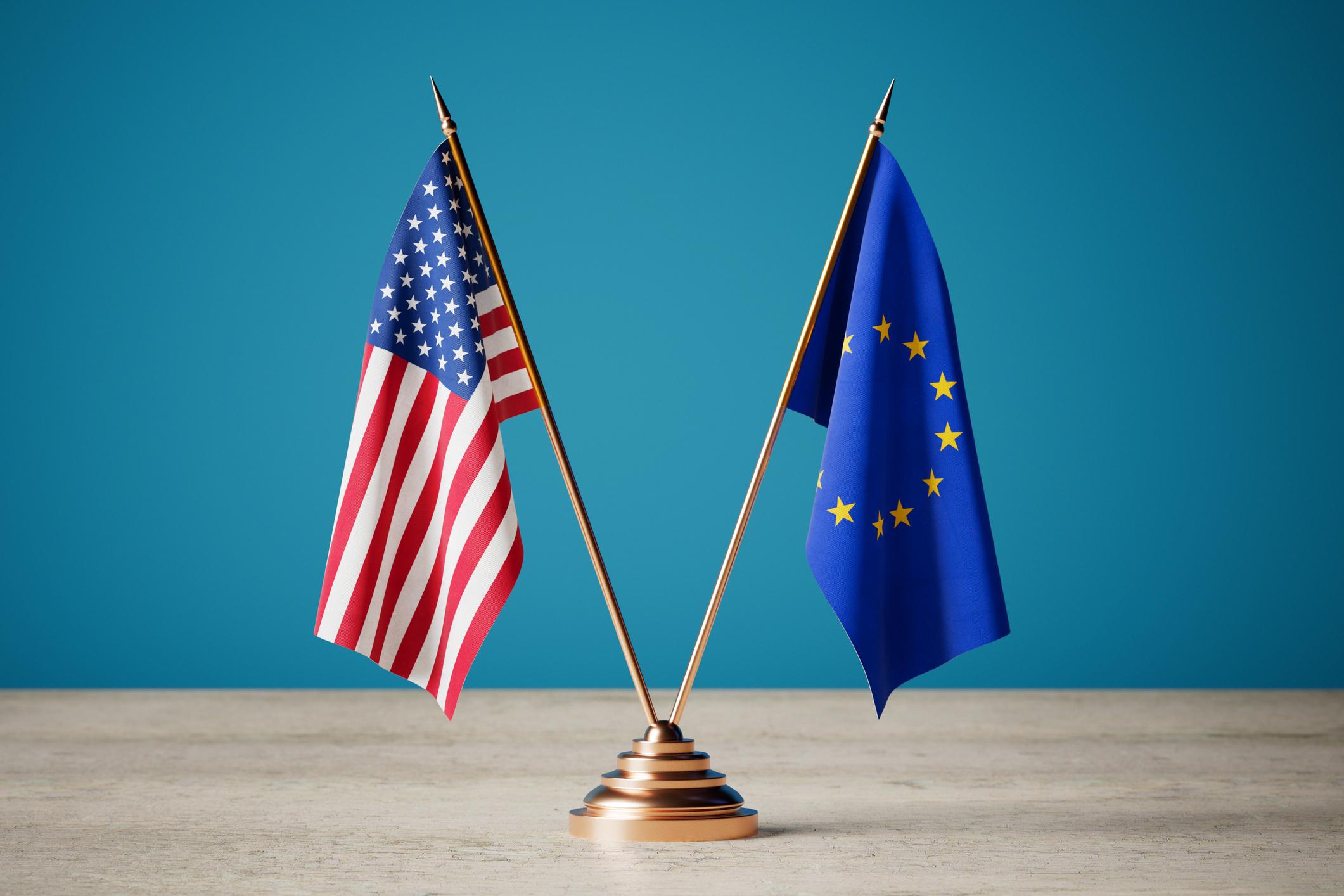
The relationship between Europe and the United States remains one of the most influential partnerships in global politics. For decades, cooperation between the two regions has helped shape international trade rules, security alliances, and diplomatic strategies.
However, disagreements over economic policies, defense spending, and global governance have occasionally placed strain on the relationship.
European leaders believe maintaining strong transatlantic cooperation is essential to preventing global diplomacy tensions from escalating into deeper political divisions.
Spain has consistently advocated for dialogue and negotiation when disagreements emerge between allies.
Diplomats often stress that even when political rhetoric becomes heated, communication between governments must remain open to prevent misunderstandings from turning into serious conflicts.
A Changing Global Political Landscape
The geopolitical environment in 2026 is far different from what it was two decades ago. New economic powers have emerged, technological competition has intensified, and international alliances are evolving.
These shifts have created a complex diplomatic landscape where governments must navigate competing interests while attempting to maintain cooperation.
Many analysts believe these changes are contributing to the rise in global diplomacy tensions as countries attempt to redefine their roles within the global system.
Spain’s government has emphasized that diplomacy must adapt to these changes without abandoning the principles of cooperation and international stability.
Global leadership now requires balancing national priorities with broader global responsibilities.
Historic Comparisons Offer a Warning
History offers several examples of how unresolved diplomatic conflicts can escalate into major global crises. The period leading up to the First World War is often cited as a cautionary tale of how miscalculations and rising global diplomacy tensions can spiral out of control.
In the early twentieth century, alliances between nations created a complex web of commitments that eventually contributed to the outbreak of war after a series of political crises.
Similarly, during the Cold War, the world experienced decades of intense geopolitical rivalry between superpowers. Diplomatic negotiations and careful communication were essential to preventing direct military conflict during that era.
These historical examples demonstrate how fragile international stability can be when political tensions are allowed to escalate without diplomatic restraint.
Spain’s leadership has referenced such lessons as a reminder that careful diplomacy remains critical in managing modern global diplomacy tensions.
Diplomacy as a Tool for Stability
Despite rising political disagreements, diplomacy remains one of the most effective tools for maintaining international stability. Negotiations allow governments to address disputes without escalating conflicts that could endanger global security.
Throughout modern history, diplomatic engagement has helped resolve trade disagreements, security concerns, and territorial disputes.
European leaders believe strengthening diplomatic institutions is essential to reducing global diplomacy tensions in an increasingly interconnected world.
Spain has repeatedly called for greater cooperation among nations in addressing global challenges such as climate change, economic inequality, and technological regulation.
Diplomacy requires patience, negotiation, and a willingness to consider the interests of other countries.
The Role of Political Communication
Public statements from world leaders can significantly influence international perceptions. Words spoken during press conferences or diplomatic meetings often shape how other governments interpret political intentions.
When rhetoric becomes aggressive or confrontational, it can deepen global diplomacy tensions and increase uncertainty about future policies.
European officials often emphasize the importance of measured language when discussing international issues.
Spain’s warning highlights the belief that leadership requires not only strategic decision making but also responsible communication.
Political statements can affect financial markets, diplomatic negotiations, and public confidence in international cooperation.
Global Stability Depends on Responsible Leadership
The debate sparked by Sánchez’s comments ultimately centers on the responsibilities of global leadership. Governments must navigate complex international relationships while protecting the interests of their citizens.
Rising global diplomacy tensions have forced many countries to reconsider how they approach alliances, economic partnerships, and geopolitical competition.
Spain’s message emphasizes that leadership decisions should be guided by long term stability rather than short term political advantage.
The global economy, security partnerships, and international institutions all depend on cooperation among nations.
Without responsible diplomacy, disagreements could escalate into broader conflicts that affect millions of people.
The Human Cost of Political Decisions
Behind every diplomatic dispute are real people whose lives are affected by international policies. Economic sanctions, trade conflicts, and political instability can influence employment, food prices, and energy costs.
For many families around the world, the consequences of global diplomacy tensions appear in everyday life through higher costs or reduced economic opportunities.
This reality is one reason Spain’s leadership has urged caution when governments make decisions that could destabilize international relationships.
Political leaders often operate within strategic and economic frameworks, but their choices ultimately shape the lives of ordinary citizens.
Maintaining stability in global diplomacy is therefore not only a political challenge but also a humanitarian responsibility.
A Diplomatic Crossroads for the World
The current geopolitical climate represents a moment of significant uncertainty. Nations are adjusting to new economic realities, technological advancements, and shifting alliances.
These changes have created both opportunities and risks within the international system.
The debate surrounding global diplomacy tensions highlights the need for leaders to approach diplomacy with careful strategy and long term thinking.
Spain’s warning serves as a reminder that global politics requires responsibility, cooperation, and respect for international institutions.
How governments respond to today’s diplomatic challenges will likely shape the international landscape for decades to come.
The Balance Between Power and Responsibility
Global leadership involves balancing national interests with the responsibilities that come from influence on the international stage.
As economic and political power becomes increasingly interconnected, decisions made in one country can affect millions of people around the world.
The discussion surrounding global diplomacy tensions reflects a growing recognition that diplomacy must remain a priority even during periods of political disagreement.
Spain’s leadership believes that responsible decision making, careful communication, and diplomatic engagement are essential tools for navigating an uncertain global future.
Ultimately, the stability of the international system depends on leaders who understand the weight of their choices.
In an era defined by complex geopolitical challenges, diplomacy remains the most powerful safeguard against instability and conflict.