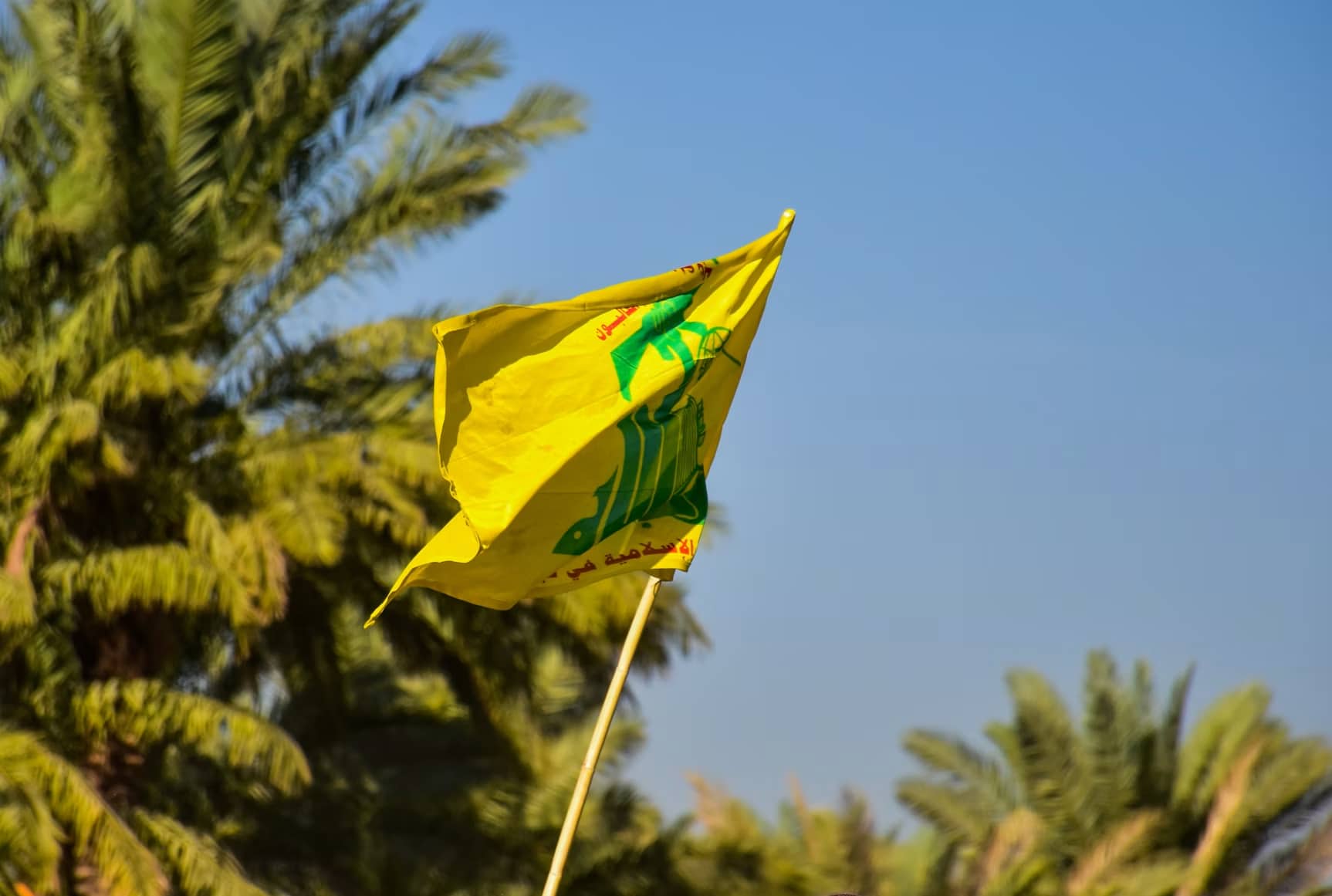
EVIAN-LES-BAINS, June 17 (Parliament Politics Magazine) – U.S. President Donald Trump confirmed on Wednesday that he held direct talks with Syria’s leader regarding the prospect of combatting the Iran-backed militant group Hezbollah in Lebanon. These comments surfaced during the Group of Seven summit in France, marking a significant development in regional diplomacy following recent U.S.-Israeli tensions.
Trump spoke to reporters on the sidelines of the summit, nodding when asked if he had engaged in discussions with Syrian President Ahmed al-Sharaa about the organization. While the President did not immediately disclose the specific willingness of Damascus to engage in such an operation, the exchange underscores a shifting approach toward the conflict in Lebanon.
Critique of Israeli Military Tactics
The diplomatic maneuvers follow a week of public criticism from the White House directed at Israeli Prime Minister Benjamin Netanyahu. Trump expressed frustration regarding the scale of military operations in Beirut, specifically citing the loss of civilian life during efforts to target Hezbollah commanders.
The President argued that the current approach employed by the Israeli military has become excessive and counterproductive to broader regional stability. He specifically addressed the destruction of residential structures during these engagements.
“You don’t have to knock down an apartment house every time you’re looking for somebody,” Trump told reporters on Tuesday. “Because there are a lot of people in those apartment houses, and they’re not all Hezbollah, that I can tell you.”
Support for New Syrian Leadership
Trump has moved to openly support Ahmed al-Sharaa, who assumed power in Syria in 2025 following the collapse of the previous regime. The U.S. President described the current Syrian leader as an effective figure capable of managing the volatile security situation.
Despite al-Sharaa’s history as a commander for groups previously designated as terrorist organizations by the United States, he has worked to position himself as a moderate force. Trump suggested that this leadership transition presents a unique opportunity to address the presence of Hezbollah in neighboring Lebanon. The President noted that while the Syrian leader is not a traditional political figure, he has successfully stabilized aspects of the war-torn nation and maintains a firm opposition to the Shi’ite armed group.
Strains on Regional Peace Efforts
The dialogue regarding Hezbollah comes amid sensitive negotiations between Washington and Tehran. Trump expressed personal annoyance that recent Israeli strikes in Beirut nearly derailed a breakthrough interim peace deal between the United States and Iran. According to officials, the timing of these military actions threatened to undermine the progress made in diplomatic channels.
The administration views the situation as a delicate balance between supporting an ally and maintaining a broader ceasefire framework. The President indicated that he suggested to Israeli leadership that shifting the responsibility of managing the Lebanese border to Syrian forces might produce more effective results with fewer civilian casualties.
Hurdles to Military Involvement
Despite the public backing from the United States, the proposal faces significant logistical and political hurdles. Syrian state media recently published comments from al-Sharaa dismissing rumors regarding a potential military entry into Lebanon as completely unfounded.
Analysts note that Damascus remains deeply hesitant to deploy forces across the border. Engaging in such a mission risks drawing Syria directly into a wider regional conflict and potentially inflaming sectarian tensions that could jeopardize the fragile internal stability of the Syrian state.
Washington had previously encouraged Syria to consider sending forces into eastern Lebanon to facilitate the disarmament of Hezbollah. However, the Syrian government has maintained that Lebanon is a sovereign territory and that any military encroachment could trigger a broader escalation. The situation remains fluid as both nations weigh the risks of military involvement against the pressure of ongoing regional warfare.