


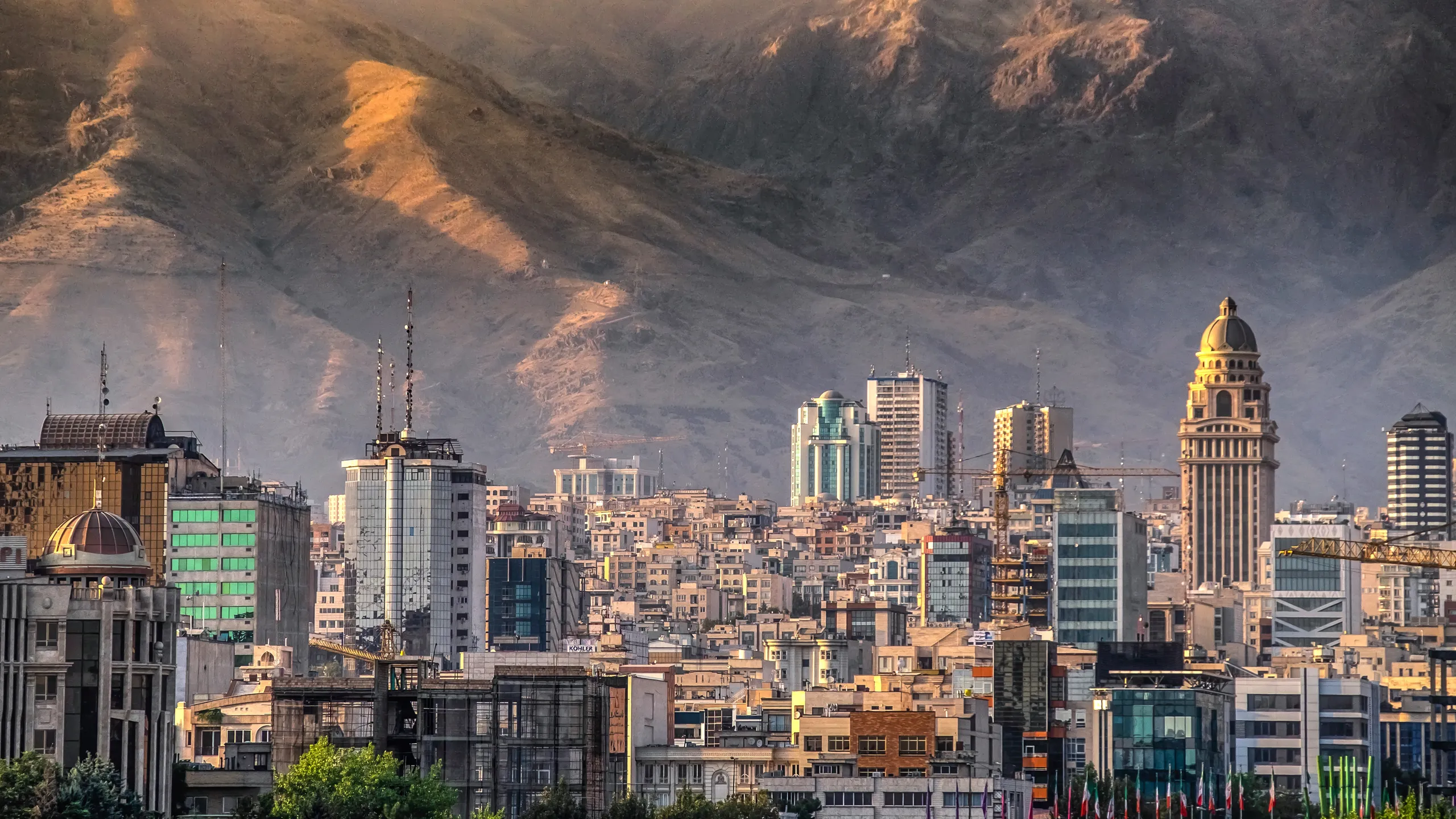
Tehran, Iran, January 2026 —parliament news, highlights that regional analysts and diplomatic observers are closely watching developments in Iran’s capital as Middle East politics enter a period of careful recalibration. After years marked by open confrontation, proxy conflict, and diplomatic deadlock, the region now finds itself navigating a fragile balance between de-escalation and unresolved rivalry. Tehran has emerged as a focal point for this transition, hosting discussions, parliamentary debates, and strategic signaling that reflect wider regional uncertainty.
While overt conflict has eased in several flashpoints, the underlying political, economic, and security challenges remain deeply embedded. Regional governments are adjusting strategies in response to shifting global power dynamics, domestic pressures, and changing public expectations.
A Region Shaped by Experience Rather Than Ideology
The current regional environment reflects accumulated experience rather than ideological transformation. Policymakers across the Middle East increasingly prioritize stability, economic resilience, and risk management over confrontation. This shift does not imply reconciliation, but rather a recognition that prolonged instability carries unsustainable costs.
Within this context, Middle East politics are no longer driven solely by rhetoric or alliance loyalty. Instead, governments weigh decisions against economic indicators, social cohesion, and international perception, signaling a more pragmatic regional mindset.
Tehran’s Expanding Diplomatic Visibility
Tehran’s role in regional discourse has become more visible through diplomatic engagements and parliamentary signaling. Iranian officials emphasize structured dialogue and institutional continuity as tools for navigating uncertainty. Meetings held in Tehran increasingly focus on regional security architecture, trade connectivity, and diplomatic signaling rather than immediate conflict resolution.
This approach positions Tehran as an active participant in shaping regional narratives, reinforcing its relevance within Middle East politics without relying solely on military leverage.
Parliamentary Deliberations and Regional Strategy
Iran’s legislative body has taken an active role in reviewing and debating regional developments. Parliamentary sessions frequently address diplomatic outreach, economic cooperation, and national security implications tied to regional affairs. Lawmakers emphasize oversight and institutional legitimacy as stabilizing forces during periods of uncertainty.
Such debates highlight how Middle East politics are increasingly filtered through formal governance mechanisms rather than ad hoc decision making, reflecting institutional maturity shaped by decades of crisis management.
Public Awareness and Regional Consciousness
Public awareness of regional affairs has intensified across Middle Eastern societies. Citizens increasingly follow diplomatic developments, understanding that regional stability directly affects economic opportunity, energy prices, and personal security. Social discourse reflects concern about escalation risks and economic vulnerability.
This heightened awareness places pressure on governments to manage Middle East politics carefully, balancing strategic interests with public expectations for calm and predictability.
Economic Constraints Drive Political Calculation
Economic realities now exert greater influence over political decisions. Fiscal pressure, inflation, and youth unemployment limit governments’ tolerance for prolonged confrontation. Regional leaders increasingly link diplomacy to economic recovery and investment confidence.
As a result, Middle East politics are shaped as much by balance sheets as by security assessments. Trade corridors, infrastructure projects, and energy cooperation have gained prominence as diplomatic tools.
Security Concerns Remain Unresolved
Despite diplomatic engagement, security challenges persist. Military preparedness, intelligence coordination, and deterrence strategies remain central to national planning. Governments pursue dialogue without abandoning defensive postures, reflecting deep-rooted mistrust.
This dual approach underscores the complexity of Middle East politics, where engagement and readiness coexist rather than replace one another.
External Powers and Strategic Repositioning
Global powers continue to influence the region through diplomacy, arms sales, and economic engagement. However, regional states increasingly assert autonomy, resisting alignment with any single external actor. This trend reflects a desire for strategic flexibility.
The gradual emergence of multipolar influence reshapes Middle East politics, allowing regional actors greater room to maneuver while complicating alliance structures.
Media Narratives and Regional Perception
Media coverage plays a powerful role in shaping perception. Regional outlets often emphasize sovereignty and resilience, while international media focus on competition and risk. These narratives influence markets, diplomacy, and public opinion.
Managing perception has become integral to navigating Middle East politics, as narrative control can affect diplomatic leverage as much as material power.
Strategic Messaging and Diplomatic Language
Diplomatic language across the region has grown more calculated. Leaders frequently employ ambiguity to preserve flexibility while signaling resolve. Carefully crafted statements aim to deter escalation without closing dialogue channels.
One senior regional diplomat noted,
“In this environment, language is a strategic instrument that shapes outcomes long before actions occur.”
This single observation captures the sensitivity embedded in contemporary Middle East politics.
Regional Dialogue and Crisis Management
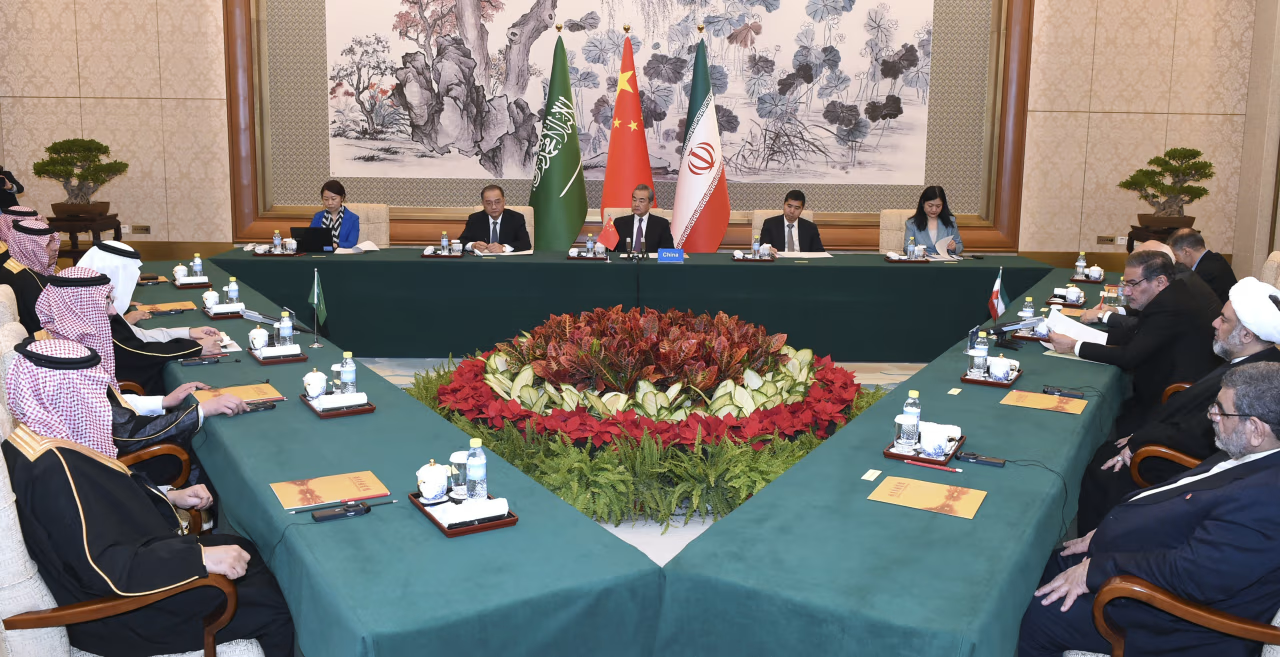
Regional dialogue initiatives have expanded, though often quietly. Indirect talks, confidence-building measures, and crisis hotlines seek to prevent miscalculation rather than resolve disputes outright.
Such mechanisms acknowledge that Middle East politics require sustained communication to manage risk in an environment where trust remains limited.
Energy Markets as Political Leverage
Energy continues to shape regional influence. Oil and gas decisions affect global markets, national revenues, and diplomatic leverage. Energy diplomacy intersects directly with foreign policy planning.
Control over resources remains central to Middle East politics, linking domestic economic stability with regional bargaining power.
Demographic Pressures and Governance
Youth demographics present both opportunity and challenge. High expectations for employment, education, and social mobility place pressure on governance systems. Failure to deliver economic opportunity risks political instability.
These realities ensure that Middle East politics are increasingly shaped by long-term social considerations rather than short-term tactical gains.
Legal Norms and Institutional Reference Points
International law and regional agreements provide common reference points for diplomacy, even when enforcement is uneven. Legal frameworks offer a language for negotiation that reduces reliance on coercion.
This institutionalization reflects an effort to stabilize Middle East politics through norms rather than force alone.
Persistent Challenges Beneath Engagement
Despite expanded dialogue, structural challenges remain. Historical grievances, unresolved conflicts, and economic disparities continue to limit cooperation. Progress remains uneven and fragile.
Policymakers acknowledge that Middle East politics remain vulnerable to sudden shocks, requiring contingency planning and restraint.
Technology and Political Communication
Digital platforms have transformed how information spreads and how political narratives form. Rapid dissemination amplifies both cooperation and conflict messaging, increasing volatility.
Managing digital influence has become a core aspect of navigating Middle East politics, as misinformation can escalate tensions quickly.
Regional Institutions and Limited Authority
Regional organizations play a modest but growing role in facilitating dialogue. While limited in enforcement power, they provide platforms for engagement and norm development.
These institutions contribute incrementally to stabilizing Middle East politics by promoting regular communication.
Strategic Patience as Regional Doctrine
Many governments now emphasize strategic patience. Rather than seeking immediate outcomes, they prioritize long-term positioning and risk reduction. This approach reflects lessons learned from decades of conflict.
Strategic patience has become a defining characteristic of Middle East politics, signaling a shift from reaction to calculation.
Iran’s Calculated Regional Posture
Iran’s regional posture reflects this broader trend toward calculated engagement. Officials emphasize deterrence alongside diplomacy, framing outreach as risk management rather than concession.
This balance reinforces Iran’s relevance within Middle East politics while avoiding direct escalation.
Trade Routes and Economic Connectivity
Economic connectivity has emerged as a stabilizing factor. Trade routes linking the Gulf, Central Asia, and South Asia offer incentives for cooperation. Infrastructure investment creates shared interests.
Such connectivity reshapes Middle East politics by aligning economic benefit with political restraint.
Public Expectations and Political Legitimacy
Public legitimacy increasingly depends on governance outcomes rather than ideological alignment. Citizens evaluate leadership based on economic performance and stability.
This shift places accountability at the center of Middle East politics, influencing policy choices.
Risk of Miscalculation Remains
Despite caution, the risk of miscalculation persists. Military incidents, political missteps, or external shocks could quickly destabilize the region.
This fragility underscores why Middle East politics require constant management rather than episodic diplomacy.
A Region Learning from Its Past
Collectively, the region demonstrates an awareness shaped by experience. Leaders recognize that escalation often produces unintended consequences, reinforcing restraint.
This learning process influences Middle East politics, encouraging adaptation without abandoning core interests.
Long-Term Outlook for Regional Stability
Looking ahead, regional stability depends on economic reform, diplomatic engagement, and social inclusion. No single factor will determine outcomes.
The evolution of Middle East politics will likely remain gradual, shaped by incremental progress rather than dramatic breakthroughs.
A Delicate Regional Balance
As 2026 unfolds, Middle East politics stand at a delicate balance point defined by cautious diplomacy, persistent rivalry, and economic constraint. Tehran’s role illustrates how regional capitals adapt to complexity through calculated engagement rather than confrontation.
While risks remain, the emphasis on dialogue, institutional coordination, and strategic patience suggests a regional preference for managing tension rather than escalating conflict. Whether this balance can endure will define the region’s trajectory in the years ahead.