

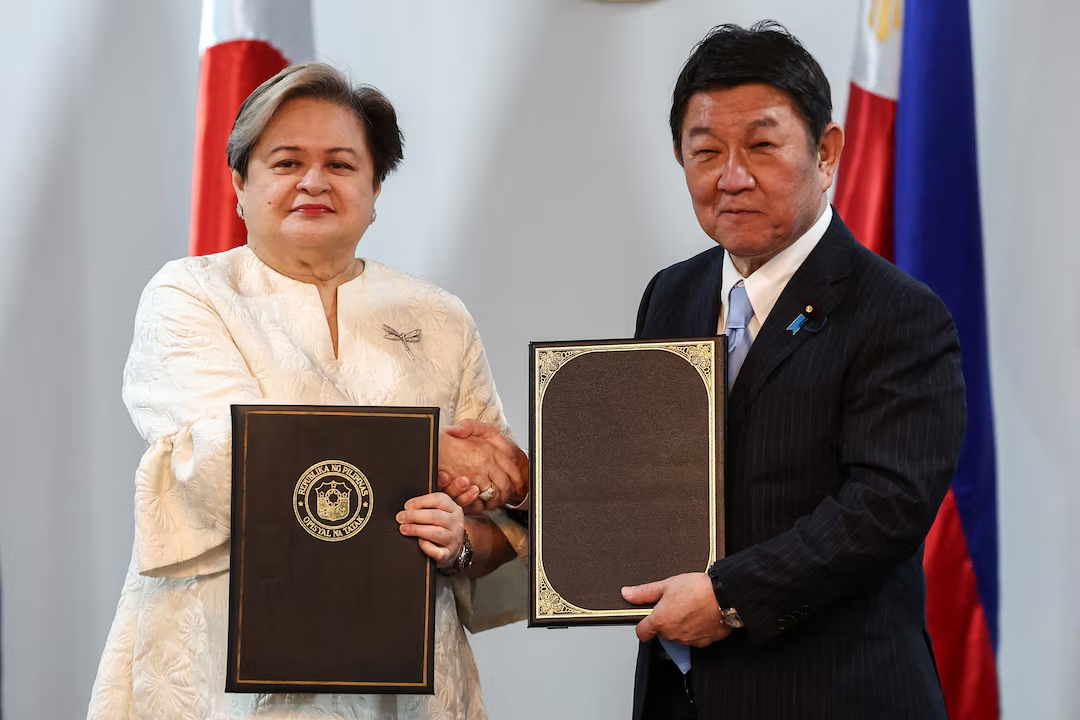
Middle East, Janaury 2026 — According to parliament news., international relations are entering a period of sustained instability as a global diplomacy crisis reshapes how states engage, negotiate, and confront one another. Long-standing diplomatic channels are under unprecedented strain, with trust eroding between allies and adversaries alike. The Middle East has become the most visible arena for this transformation, where stalled negotiations, hardened rhetoric, and strategic misalignment increasingly define regional and global interactions.
Unlike previous cycles of tension, the developments unfolding in 2026 suggest that diplomacy itself is no longer functioning as the primary tool for conflict management. Instead, political rigidity, security prioritization, and domestic pressures are reshaping the international order in ways that extend far beyond any single region.
The Gradual Erosion of Diplomatic Norms
Diplomacy has historically relied on shared expectations, continuity, and the belief that dialogue can prevent escalation. Over time, these assumptions have weakened. Agreements once considered durable have collapsed or been abandoned, while commitments are increasingly viewed as reversible rather than binding.
This erosion has contributed directly to the global diplomacy crisis, creating an environment in which negotiation is approached with skepticism and strategic patience is replaced by short-term calculation. States increasingly question whether dialogue produces tangible outcomes or merely delays confrontation.
Domestic Politics Overtake Foreign Policy Strategy
In many capitals, foreign policy is now driven less by long-term strategic planning and more by domestic political considerations. Leaders operate in polarized environments where compromise is portrayed as weakness and political survival depends on projecting strength.
As a result, diplomatic flexibility has diminished. Negotiators often lack the authority to adjust positions, even when opportunities for progress emerge. This dynamic reinforces the global diplomacy crisis by turning international engagement into a reflection of internal political battles rather than shared problem-solving.
The Middle East as a Diplomatic Stress Test
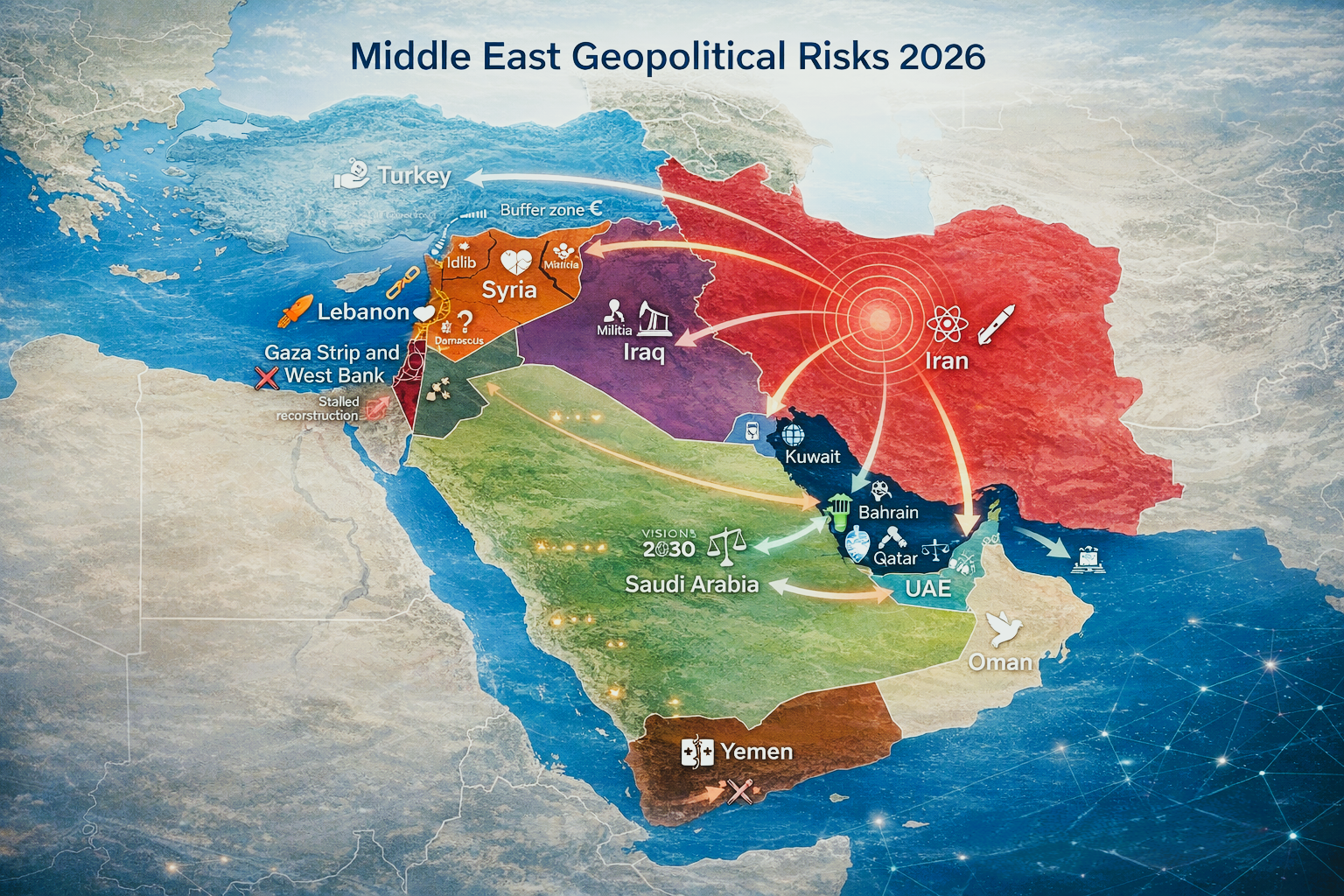
The Middle East’s geopolitical complexity has long required sustained diplomatic engagement. In 2026, however, the region illustrates how fragile diplomatic mechanisms have become. Multiple conflicts intersect with broader rivalries, making negotiations more difficult to sustain.
Talks that once involved incremental progress now stall quickly, reinforcing perceptions that diplomacy no longer delivers results. This regional paralysis amplifies the global diplomacy crisis by demonstrating how even well-established frameworks can fail under sustained pressure.
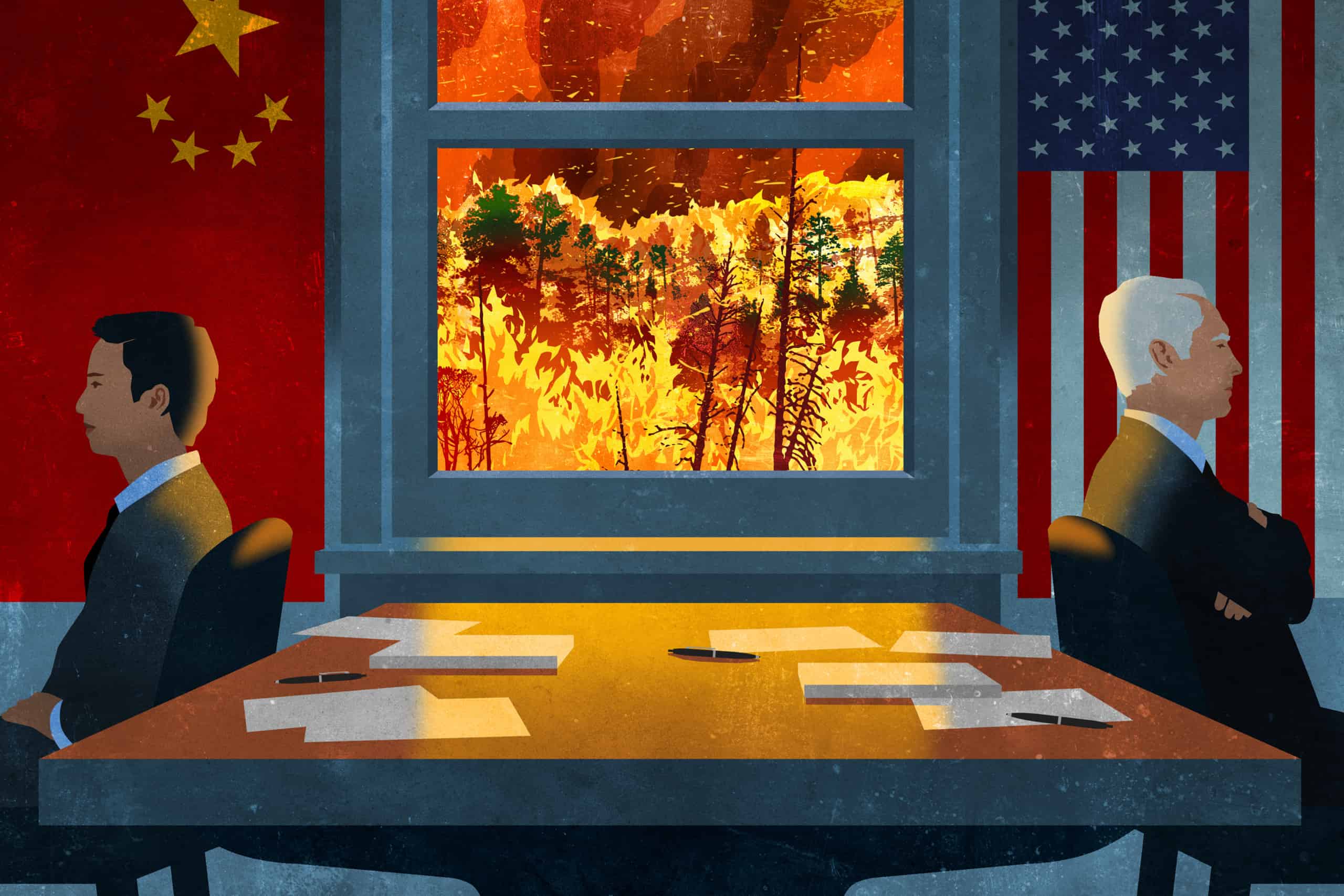
Security Dominance and the Marginalization of Dialogue
Security concerns increasingly dominate policy agendas. Governments prioritize deterrence, military readiness, and alliance signaling, often relegating diplomacy to a secondary role. While these measures aim to prevent conflict, they also narrow opportunities for confidence-building.
As security logic eclipses negotiation, the global diplomacy crisis deepens. Dialogue becomes reactive rather than proactive, activated only after escalation rather than used to prevent it.
Economic Statecraft Loses Its Leverage
Sanctions and economic pressure remain central tools of modern diplomacy. However, their effectiveness has declined due to overuse and adaptation by targeted states. Economic measures now often harden positions rather than encourage compromise.
This diminishing leverage exacerbates the global diplomacy crisis by leaving policymakers with fewer non-military options. When economic tools fail to produce change, frustration grows and escalation becomes more likely.
Alliances Fragment Under Strategic Strain
Traditional alliances face internal divisions as member states reassess priorities. Differing threat perceptions and national interests complicate coordination, weakening collective diplomatic action.
As alliance cohesion declines, the global diplomacy crisis intensifies. Fragmented responses replace unified strategies, reducing the effectiveness of collective pressure and mediation.
The Acceleration of Communication and Misinterpretation
Diplomacy now unfolds under constant public scrutiny. Statements intended for domestic audiences rapidly circulate internationally, often without context. Social media accelerates reaction cycles, leaving little room for clarification.
This environment amplifies misunderstandings and fuels the global diplomacy crisis by allowing perception to drive policy decisions faster than careful analysis.
Institutional Fatigue in Multilateral Frameworks
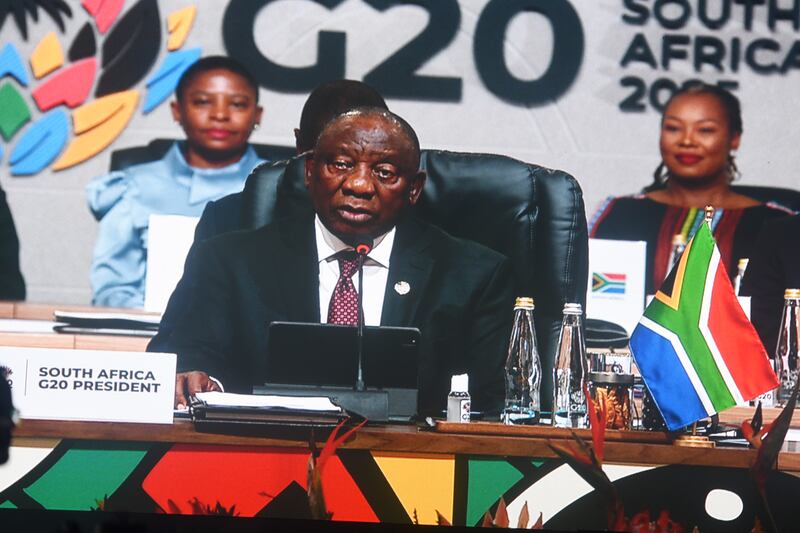
International institutions were designed to manage disputes through rules and dialogue. In 2026, their authority is frequently questioned. Selective compliance, procedural delays, and enforcement challenges undermine confidence.
As faith in multilateral systems declines, the global diplomacy crisis reflects not only political division but institutional fatigue, weakening the structures meant to prevent conflict.
Humanitarian Costs of Diplomatic Failure
When diplomacy stalls, humanitarian consequences follow. Prolonged disputes restrict aid access, disrupt economies, and displace populations. Civilians often bear the burden of unresolved political disagreements.
The global diplomacy crisis therefore extends beyond government chambers, affecting millions whose lives are shaped by decisions made far from negotiation tables.
Technology Compresses Decision Making
Advances in technology have shortened response times in international affairs. Real-time intelligence, automated systems, and rapid communication reduce deliberation periods.
This compression intensifies the global diplomacy crisis by increasing the risk of misjudgment. Leaders have less time to consult, reflect, and de-escalate during moments of tension.
Smaller States Navigate a Polarized System
Smaller and non-aligned states experience the diplomatic breakdown acutely. With limited influence, they navigate pressure from larger powers while attempting to preserve autonomy.
Their position illustrates how the global diplomacy crisis affects the entire international system, not only its most powerful actors.
Economic Planning in a Climate of Uncertainty
Governments and corporations increasingly factor diplomatic instability into long-term planning. Investment decisions, supply chains, and development strategies adjust to persistent uncertainty.
This adaptation reflects recognition that the global diplomacy crisis is not a temporary disruption but a structural feature of the current geopolitical environment.
Public Confidence in Diplomacy Declines
Public trust in diplomatic processes has eroded alongside confidence in institutions. Citizens question whether negotiations deliver tangible benefits or merely prolong instability.
Restoring legitimacy is essential to resolving the global diplomacy crisis, as public support remains a prerequisite for sustained diplomatic engagement.
Education, Culture, and Soft Power Erode Quietly
Beyond formal negotiations, diplomacy relies on cultural exchange, academic cooperation, and people-to-people ties. These softer dimensions have suffered as political tensions rise.
Reduced exchange deepens misunderstanding, reinforcing the global diplomacy crisis by narrowing channels of informal engagement that historically supported formal diplomacy.
Strategic Patience Replaced by Tactical Urgency
Modern diplomacy increasingly favors immediate outcomes over long-term stability. Tactical urgency replaces strategic patience, leaving little room for gradual trust-building.
This shift accelerates the global diplomacy crisis by prioritizing visible action over sustainable resolution.
The Cost of Normalizing Diplomatic Failure
As stalemate becomes common, diplomatic failure risks normalization. Governments adapt to dysfunction rather than seeking reform, lowering expectations for what diplomacy can achieve.
This normalization entrenches the global diplomacy crisis, making recovery more difficult as institutional memory of successful negotiation fades.
One Assessment From the Policy Community
One senior international affairs analyst summarized the moment by stating,
“Diplomacy weakens not when talks collapse, but when leaders stop believing that compromise can protect national interest.”
Relearning the Purpose of Diplomacy in a Divided World
The events of 2026 mark a critical juncture for international relations. The global diplomacy crisis has exposed the limits of existing approaches while underscoring the necessity of dialogue in an interconnected world. Whether states adapt through renewed commitment to negotiation, institutional reform, and political courage will determine how this era is remembered.
The future of diplomacy now depends on whether global leaders can rediscover its core purpose: not to eliminate disagreement, but to manage it without allowing conflict to define the international order.