

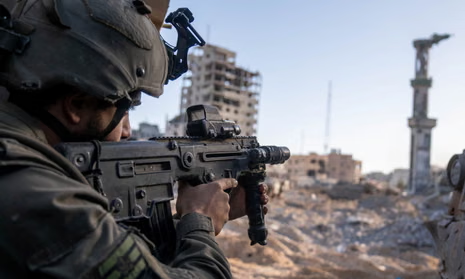
Gaza, January 2026 — According to parliament news., the continuing conflict centered on the Gaza Strip has produced a Gaza war impact that now reverberates far beyond its borders. What began as a localized confrontation has evolved into a regional stress test affecting diplomacy security economic confidence and public opinion across the Middle East. Governments observers and international institutions increasingly view the crisis as a defining moment for regional stability.
The year has opened with heightened concern that the effects of the war are no longer containable within Gaza alone. Instead interconnected political and economic systems are transmitting pressure across borders creating new vulnerabilities.
Historical Context Behind the Current Conflict
The roots of the current escalation lie in decades of unresolved political disputes between Israel and Palestinian factions. Previous ceasefires addressed immediate violence but failed to resolve core issues related to security sovereignty and governance. Over time these unresolved tensions created a cycle of confrontation that erupted again with unprecedented intensity.
The present phase differs in scale visibility and consequence. Analysts note that the cumulative Gaza war impact reflects not just battlefield dynamics but the erosion of diplomatic mechanisms designed to prevent renewed violence.
Humanitarian Conditions Under Extreme Strain
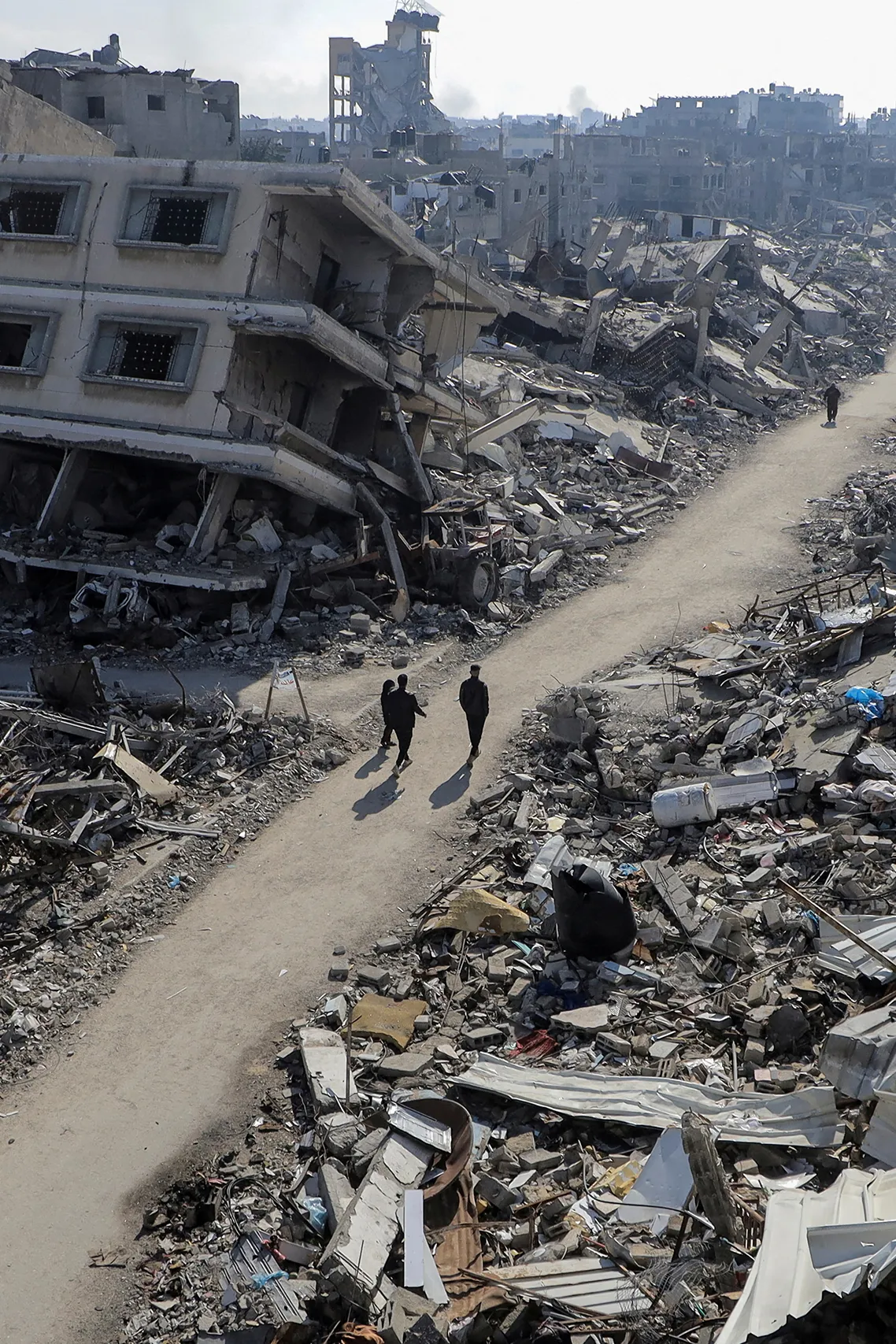
Civilian life in Gaza has deteriorated sharply. Damage to housing medical facilities water systems and electricity networks has compounded long standing humanitarian challenges. Aid agencies report rising displacement and growing difficulty delivering essential supplies. The Gaza war impact on civilians is measured not only in casualties but in the collapse of daily routines and social resilience.
Healthcare workers describe operating under constant pressure while humanitarian corridors face repeated disruption. These conditions raise fears of long term societal harm extending well beyond the end of active fighting.
Regional Security Calculations Shift
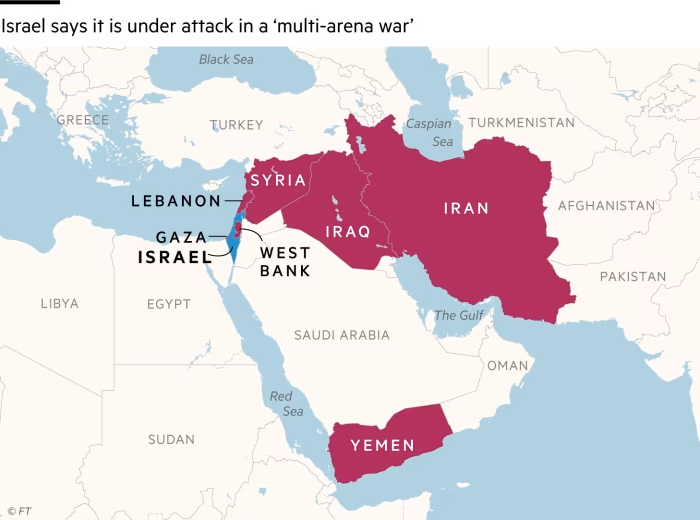
Neighboring states and regional powers are reassessing security postures as the conflict continues. Missile threats border incidents and proxy involvement have heightened alert levels across the region. Defense planners increasingly factor the Gaza war impact into military readiness and contingency planning.
The concern is not necessarily deliberate escalation but miscalculation. In a region dense with alliances and rivalries even limited incidents carry the risk of rapid expansion.

Economic Shockwaves Across the Middle East
Economic confidence has proven highly sensitive to developments linked to Gaza. Energy markets shipping routes and insurance premiums have all responded to rising uncertainty. The Gaza war impact on regional economies includes delayed investment decisions cautious financial markets and disrupted tourism flows.
For countries dependent on stability to attract foreign capital prolonged tension introduces structural risk. Economists warn that even after hostilities subside investor confidence may take time to recover.
Diplomatic Tensions and Strategic Realignment
Diplomatic activity has intensified as governments seek to manage fallout. Emergency summits mediation efforts and bilateral consultations reflect recognition that the conflict’s consequences extend region wide. However differing priorities complicate consensus. Some states emphasize humanitarian relief while others focus on deterrence and security.
The Gaza war impact has highlighted fractures within existing diplomatic frameworks revealing the limits of coordination under stress.
Public Opinion and Domestic Political Pressure
Public sentiment across Arab societies has strongly influenced official responses. Images and reports from Gaza circulate widely shaping narratives and fueling political pressure. Governments must balance international diplomacy with domestic expectations that demand moral clarity and action.
This internal dimension means the Gaza war impact affects not only foreign policy but domestic legitimacy and political discourse throughout the region.
Information Environment and Narrative Competition
Modern conflicts unfold in real time across digital platforms. Competing narratives surrounding responsibility legality and humanitarian impact spread rapidly. This information environment amplifies emotion and accelerates polarization. The Gaza war impact is therefore magnified by how it is perceived and interpreted as much as by events on the ground.
Misinformation and selective reporting further complicate efforts to build shared understanding.
Humanitarian Law and International Oversight
International institutions monitor developments closely for compliance with humanitarian law. Investigations diplomatic statements and legal debates have become central features of the global response. The Gaza war impact includes heightened scrutiny that may influence aid flows diplomatic relations and long term accountability.
Legal processes move slowly but their implications can shape post conflict environments for years.
One Expert View on the Broader Consequences
One Middle East policy analyst offered a concise assessment stating,
“The true danger of this conflict lies in how its consequences quietly destabilize multiple fronts long after the fighting pauses.”
This view captures growing concern that the Gaza war impact may outlast any ceasefire agreement.
Risks of Wider Escalation
Despite efforts to contain the conflict risks remain. Regional actors operate in close proximity with limited trust. A single misinterpreted incident could trigger broader confrontation. The Gaza war impact thus includes a persistent escalation risk that shapes strategic behavior across the Middle East.
Preventing such outcomes requires sustained communication and restraint among all parties.
Long Term Economic and Social Costs
Beyond immediate damage the conflict imposes long term costs. Reconstruction demands resources while lost education employment and healthcare opportunities reduce human capital. The Gaza war impact on future development underscores the price of unresolved conflict.
Recovery will depend not only on funding but on political conditions that allow rebuilding to proceed sustainably.
International Mediation and Its Limits
Global powers and regional mediators continue to pursue ceasefire arrangements and humanitarian pauses. However deep mistrust limits breakthroughs. The Gaza war impact illustrates how mediation efforts struggle when underlying political issues remain unaddressed.
Despite setbacks diplomacy remains the primary path to de escalation.
A Unique Turning Point for the Region
As 2026 progresses the Middle East faces a defining moment. Choices made now will shape security cooperation diplomatic norms and public trust. The Gaza war impact serves as a reminder that regional stability depends on addressing conflicts comprehensively rather than episodically.
A Crisis With Lasting Implications
The ongoing conflict demonstrates how localized violence can generate systemic consequences. From humanitarian suffering to economic disruption and diplomatic strain the effects are deeply interconnected. Addressing the Gaza war impact requires coordinated international engagement credible political solutions and long term commitment to stability.
Whether this moment becomes a catalyst for renewed diplomacy or a prelude to further fragmentation will define the region’s trajectory well beyond 2026.