
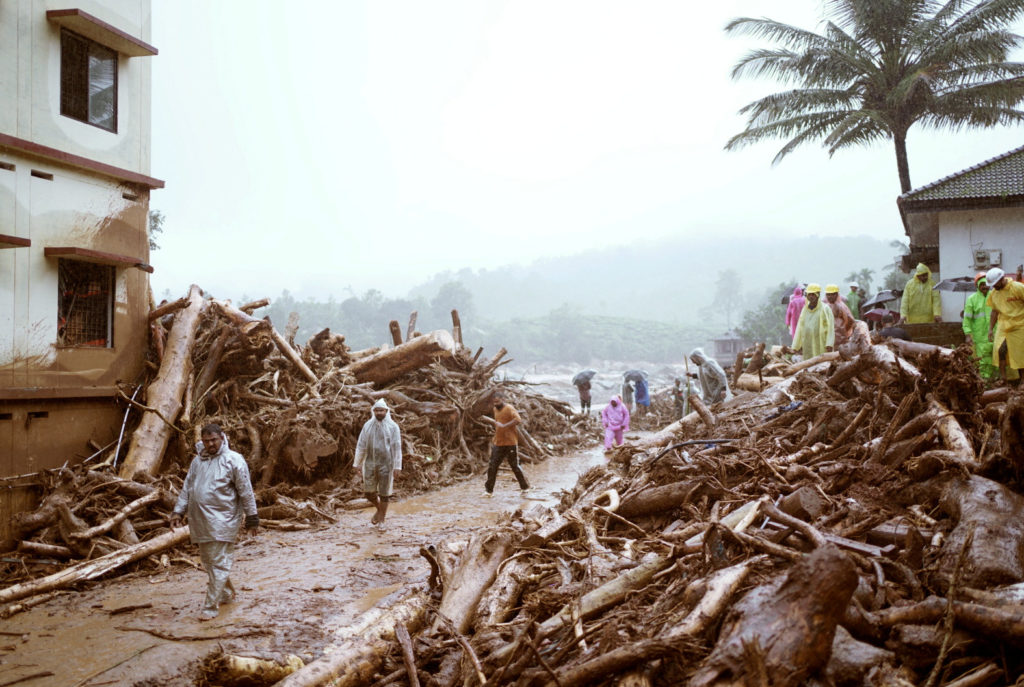
Global, January 31 2026 — According to parliament news , that the impacts of climate instability accelerate, scientists and disaster agencies are warning that deadly landslides climate change is becoming one of the fastest-growing natural hazards worldwide. From remote mountain villages to expanding urban outskirts, unstable slopes are collapsing with increasing frequency, often following intense rainfall events linked to changing climate patterns.
The convergence of extreme weather, deforestation, population growth, and inadequate land management has placed millions at risk. Unlike earthquakes or hurricanes, landslides often receive limited attention despite their capacity to cause sudden and devastating loss of life.
How Climate Change Alters Rainfall Patterns
Climate researchers confirm that rising global temperatures are reshaping precipitation cycles. Warmer air holds more moisture, leading to heavier rainfall over shorter periods. These intense downpours overwhelm soil absorption capacity and destabilize hillsides.
The result is a growing link between rainfall extremes and deadly landslides climate change, especially in regions already prone to geological instability. In many areas, rainfall records once considered rare are now occurring multiple times within a single decade.
La Nina and the Intensification of Risk
The return of La Nina conditions in the Pacific Ocean has further complicated the climate equation. La Nina alters global atmospheric circulation, increasing rainfall across parts of Asia, South America, and Africa.
Meteorological agencies warn that prolonged wet seasons associated with La Nina dramatically raise the likelihood of slope failures. When combined with warming-driven rainfall intensity, deadly landslides climate change risks increase sharply in exposed regions.
Human Settlements Expand Into Hazard Zones
Rapid population growth has pushed housing development into high-risk terrain. Hillsides, riverbanks, and steep valleys are increasingly occupied by informal settlements lacking proper drainage or slope reinforcement.
Urban planners note that land scarcity and economic pressure force vulnerable populations into dangerous locations. In such conditions, deadly landslides climate change becomes not only an environmental issue but a social justice concern.
Deforestation Weakens Natural Protection
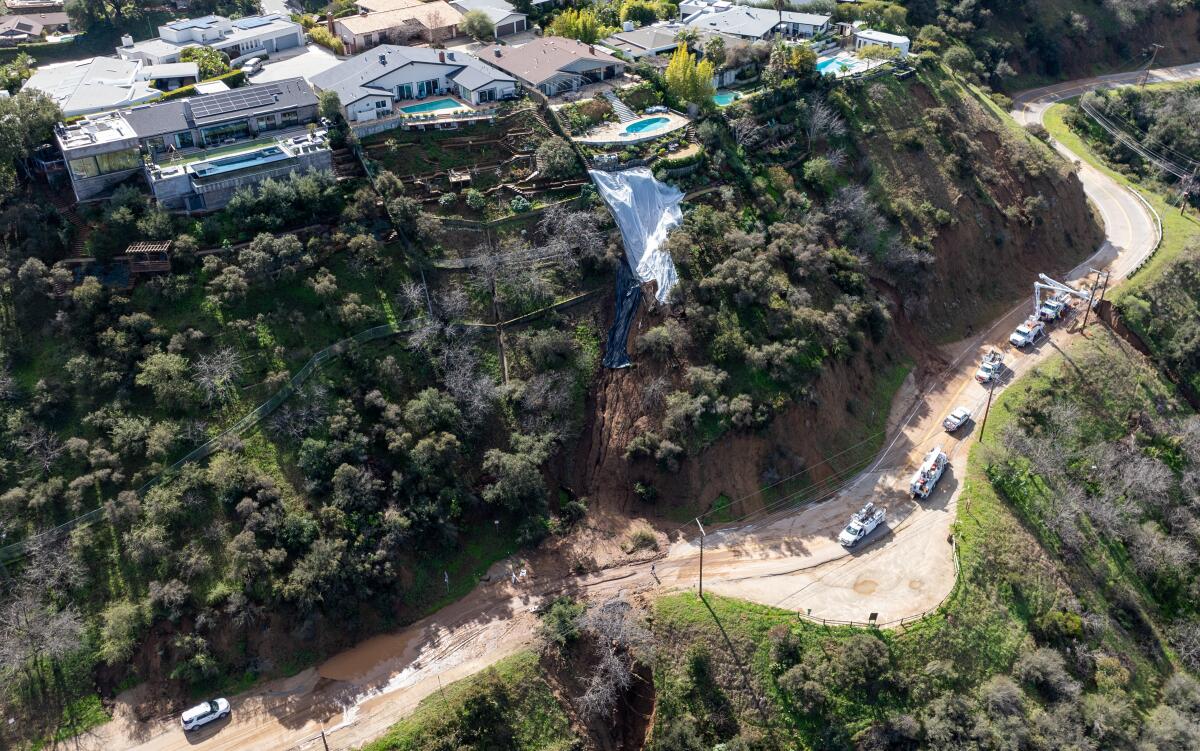
Forests play a critical role in stabilizing soil through root systems and water regulation. However, large-scale logging and land clearing have stripped many slopes of this natural protection.
Environmental studies show that deforested hillsides are significantly more prone to collapse during heavy rainfall. This connection reinforces scientific warnings about deadly landslides climate change and the role of environmental degradation.
Mountain Regions Face Disproportionate Threats
Mountainous countries face heightened exposure due to steep terrain and limited infrastructure. In these regions, landslides frequently sever roads, isolate communities, and delay emergency response.
Geologists emphasize that climate-driven rainfall shifts have made traditional risk assessments outdated. Areas previously considered safe are now experiencing deadly landslides climate change impacts with alarming regularity.
Emergency Response Systems Under Strain
Disaster response agencies report increasing difficulty keeping pace with the rising number of landslide events. Limited early warning systems, especially in developing regions, leave communities vulnerable.
One disaster risk specialist stated,
“Rainfall intensity has exceeded the thresholds on which many warning systems were designed.”
This observation highlights how deadly landslides climate change is outpacing existing preparedness measures.
Economic Damage Extends Beyond Immediate Loss
Landslides cause extensive damage to transportation networks, power infrastructure, and water systems. The economic toll often exceeds immediate repair costs due to long-term disruption.
Economists warn that recurring deadly landslides climate change events could undermine development gains, particularly in climate-vulnerable economies already facing fiscal constraints.
Agriculture and Food Security at Risk
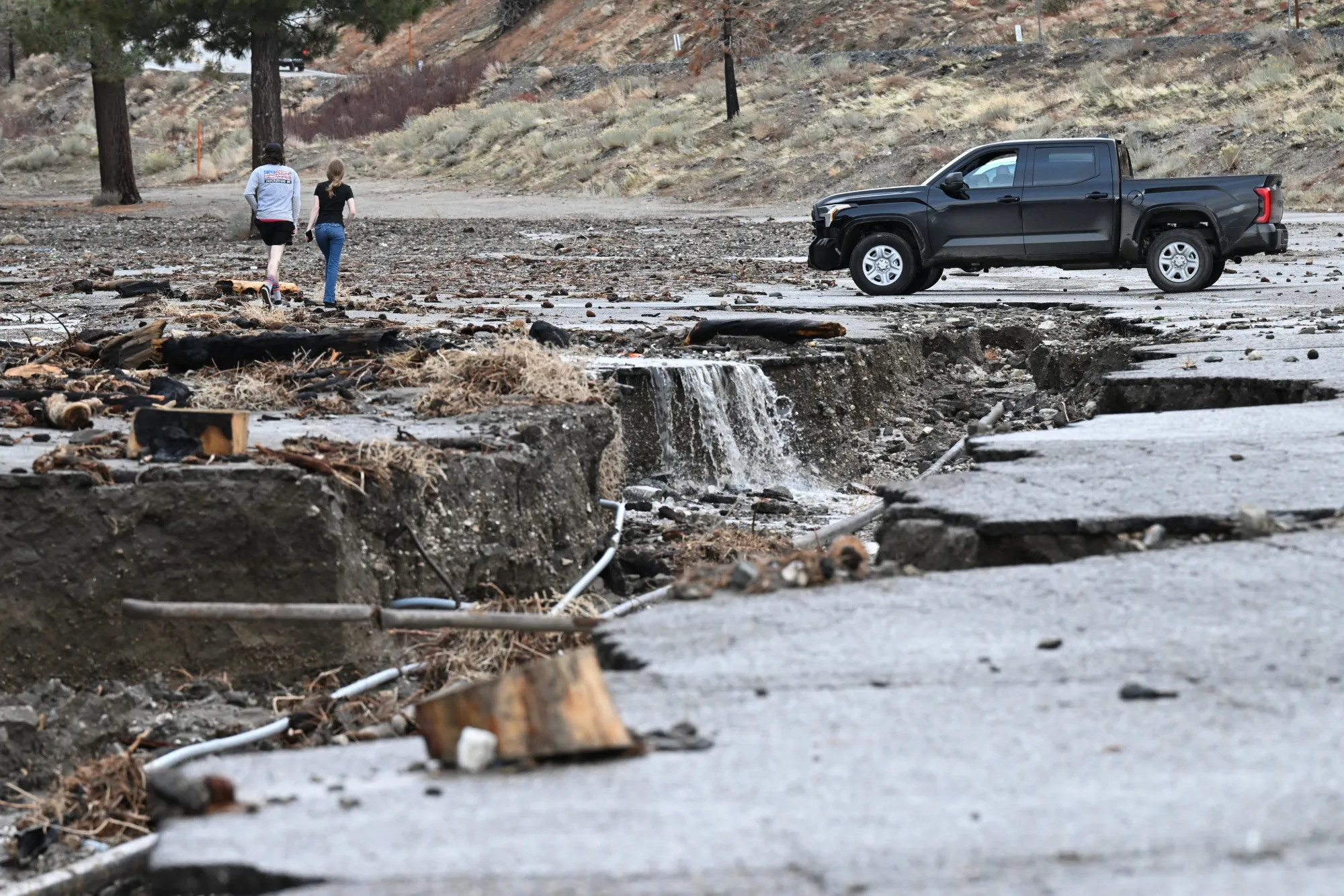
In rural areas, landslides frequently destroy farmland and irrigation systems. Crops are buried under debris, while livestock losses further strain livelihoods.
Food security experts caution that deadly landslides climate change may exacerbate hunger in regions dependent on subsistence farming, particularly where recovery resources are limited.
Urban Infrastructure Faces Hidden Vulnerabilities
Cities built along hillsides face unique challenges. Aging drainage systems struggle to manage sudden downpours, increasing runoff pressure on slopes.
Engineering assessments show that without climate-adaptive design, urban areas remain exposed to deadly landslides climate change, even in cities with advanced infrastructure.
Scientific Advances Improve Risk Mapping
New technologies are improving landslide prediction and monitoring. Satellite imagery, ground sensors, and artificial intelligence models now track soil moisture and slope movement in real time.
Researchers believe these tools could significantly reduce fatalities linked to deadly landslides climate change, provided data is integrated into local planning and emergency response.
Early Warning Systems Save Lives
Countries that have invested in early warning systems report measurable reductions in landslide-related deaths. Timely alerts allow evacuations before slopes collapse.
However, coverage remains uneven, leaving many high-risk regions exposed to deadly landslides climate change without adequate warning.
Climate Policy Begins to Address Landslide Risk
Governments are increasingly incorporating landslide risk into climate adaptation strategies. Investments in reforestation, slope reinforcement, and hazard mapping are gaining momentum.
International agencies emphasize that addressing deadly landslides climate change requires sustained funding and long-term planning rather than reactive disaster relief.
The Role of Community-Based Solutions
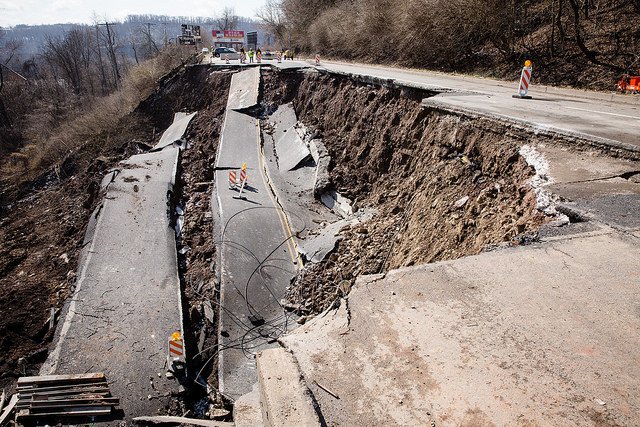
Local knowledge plays a crucial role in risk reduction. Communities familiar with terrain changes often detect early warning signs before official systems.
Empowering communities has proven effective in reducing deadly landslides climate change impacts, especially where formal infrastructure is limited.
Insurance Markets React to Rising Hazards
Insurance providers are adjusting risk models to account for increasing landslide frequency. In some areas, coverage has become more expensive or unavailable.
This trend reflects growing recognition of deadly landslides climate change as a financial risk alongside floods and storms.
Education and Awareness Remain Critical
Public awareness campaigns are essential to reducing casualties. Understanding warning signs such as cracking ground or unusual water flow can save lives.
Experts stress that awareness initiatives targeting deadly landslides climate change should be integrated into national disaster education programs.
Climate Migration Becomes a Reality
Repeated landslide disasters are forcing some communities to relocate permanently. Climate-driven displacement is emerging as a long-term consequence of environmental instability.
Migration analysts note that deadly landslides climate change contributes to internal displacement patterns already influenced by floods and droughts.
International Cooperation Gains Importance
Landslide risks often cross borders, especially in shared mountain ranges. Regional cooperation improves data sharing and coordinated response.
Global climate forums increasingly recognize deadly landslides climate change as part of broader adaptation and resilience discussions.
Legal Accountability and Land Use Regulation
Courts in several countries have begun examining responsibility in landslide-related deaths, particularly where unsafe construction is involved.
Legal experts argue that enforcing land use regulations could significantly reduce deadly landslides climate change impacts in urbanizing regions.
Media Attention Slowly Increases
Historically underreported, landslides are receiving greater media coverage as frequency rises. Journalists highlight the link between extreme rainfall and slope failures.
This shift has helped bring deadly landslides climate change into public discourse alongside more visible climate hazards.
Future Projections Paint a Concerning Picture
Climate models suggest that without aggressive emissions reductions and adaptation measures, landslide frequency will continue rising throughout the century.
Scientists warn that deadly landslides climate change could become a defining disaster risk for mountain and hillside communities worldwide.
Beyond Disaster Response Toward Prevention
Experts agree that prevention is more effective than response. Sustainable land management, forest conservation, and climate-resilient infrastructure reduce risk.
A proactive approach to deadly landslides climate change could save thousands of lives over coming decades.
A Unique Turning Point for Global Resilience
As climate impacts intensify, landslides represent a clear signal of systemic vulnerability. Addressing slope instability requires coordinated action across science, policy, and society.
The challenge now is whether global leaders will act decisively before unstable ground becomes the next widespread humanitarian crisis.