World War I was a global conflict, a brutal struggle between the great powers of the world. On one side were the Allies, including Britain, France, and Russia. Others were the Central Powers, led by Germany and Austria-Hungary.
But one key player in the Central Powers was not in Europe: the Ottoman Empire. The vast, ancient Ottoman Empire, based in what is now Turkey, extended to much of the Middle East. It made a momentous decision to join the war.
A typical question is, did Britain defeat the Ottoman Empire? The short answer is yes. The slightly longer answer is not alone. Britain was the predominant force in a complicated campaign in which soldiers from across its empire participated and in which cooperation with local groups was essential. The defeat of the Ottomans was a collective effort; Britain was merely the captain.
The Ottoman Empire Joins the War
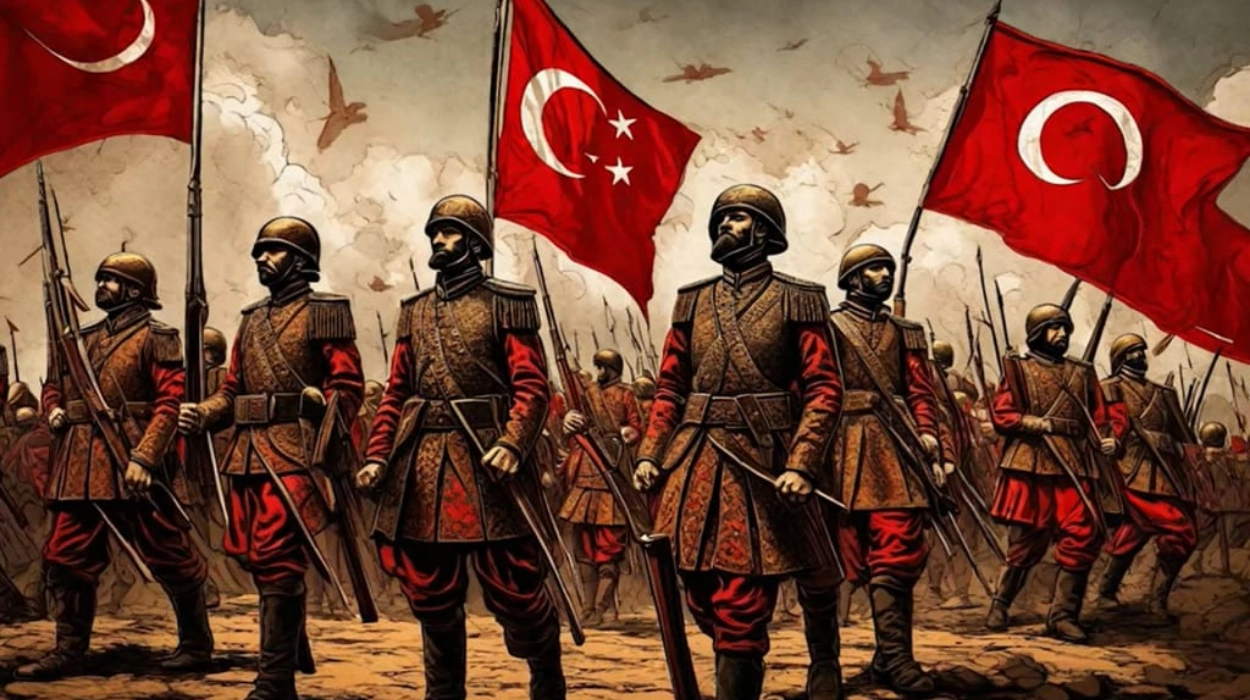
At the beginning of the 20th century, the Ottoman Empire was called the “sick man of Europe.” The decline of the empire had led to weakness, much of its land given up in the last century. The leaders of the empire were deeply concerned about the threat from Russia to the north.In 1914, when war broke out, the Ottomans first remained neutral. They began a secret alliance with Germany. Germany offered them protection, modern guns, and an opportunity to regain lost power. In October 1914, the Ottoman navy, under the command of German admirals, bombarded Russian ports. This was considered an act of war, and with it the Ottomans entered the conflict on the side of the Central Powers.
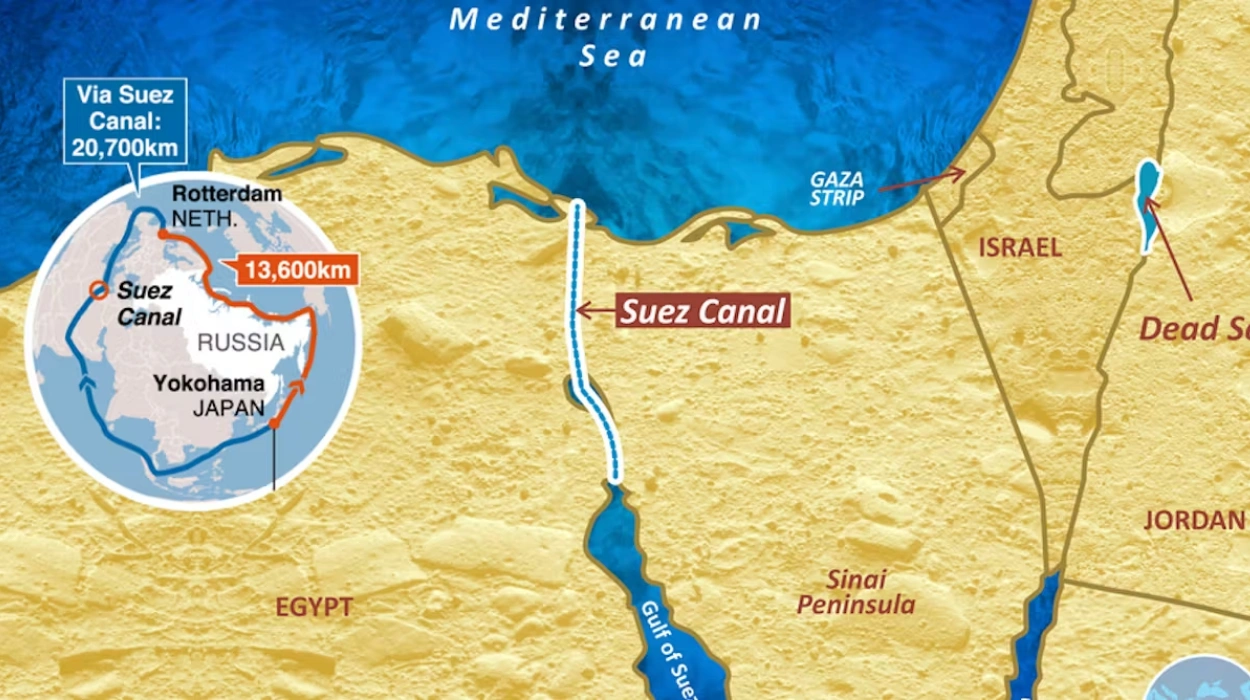
For Britain, the emergence of the Ottoman Empire as an enemy was disastrous. To start, the Ottomans controlled the Dardanelles Strait, the route by sea to Britain’s ally, Russia. The Ottomans also controlled much of the Middle East. They governed the valuable Suez Canal and oil fields that were beginning to be important for the British navy.
Britain’s Difficulties: The Failed Attacks Alone
Britain’s first valued plan to drive the Ottomans out of the war was a direct assault. It resulted in two of the more famous campaigns of the war, both of which turned out to be disastrous failures for the British.
1. The Gallipoli Campaign (1915-1916)
The plan was audacious: take a large, powerful navy and army, go through the Dardanelles Strait, seize the Ottoman capital of Constantinople (modern-day Istanbul), and take the Ottomans out of the war. The campaign was a total disaster. The Ottoman forces, under the command of the brilliant Mustafa Kemal (later known as Atatürk), were ready. They fiercely defended the lofty cliffs that loom over the Gallipoli peninsula. For eight months, British forces, with the inclusion of soldiers from Australia and New Zealand (the ANZACs), were stuck at the beaches, rendering their forces ineffective through staggering losses from enemy shelling and disease, and Britain had to order a total retreat. It was an embarrassing sting to Britain’s pride and demonstrated that the Ottoman army is a difficult force to overcome in battle.
2. The Siege of Kut (1915-1916)
Some were at battle in Gallipoli, and a British army from India pressed north from the Persian Gulf. Their aim was to take Baghdad. They achieved success and got as far as the town of Kut-al-Amara, which is in present-day Iraq.
The Ottoman army circled and surrounded them. British forces were stuck. Attempts to save them were dismal. After 147 days of siege, the starving British-Indian force had to surrender. It was one of the most disturbing defeats for the British army in history.
These early failures demonstrated that Britain could not easily defeat the Ottoman Empire without assistance.

Changing Tactics: How Britain Finally Broke Through
After the attacks at Gallipoli and Kut, Britain reversed its strategy of direct attacks. Rather than take on the Ottomans directly, Britain had a wider, more clever strategy. It involved creating a larger army and looking for powerful allies.
1. The Arab Revolt
This was one of the key elements of the new strategy. Britain found local groups that wanted to break free of the Ottoman rulers. They were able to find an ally in Sharif Hussein, the ruler of Mecca.
With help from British officers like T.E. Lawrence (Lawrence of Arabia), Arab tribes launched a revolt against the Ottomans. They began attacking the key Hejaz Railway, which the Ottomans relied on for troop movement, and fought battles that effectively tied down thousands of Ottoman soldiers. This revolt did not win the war by itself, but it was a serious problem for the Ottomans. It stretched their forces and undermined their supply lines.
2. The Egyptian Expeditionary Force
Britain developed an impressive organization in Egypt, the Egyptian Expeditionary Force (EEF). Their goal was to protect the Suez Canal and then push north into Palestine and Syria. Under new commanders and the leadership of General Edmund Allenby, this force began to succeed in ways others had failed. Allenby had modern methods, use of cavalry (horse soldiers), and good air support.
- The Battle of Beersheba (October 1917): A famous victory from Australian Light Horsemen who charged and captured the town. This broke the Ottoman defensive line and opened up Palestine.
- The Capture of Jerusalem (December 1917): Allenby’s forces marched into Jerusalem, a major symbolic victory for the Allies.
- The Megiddo Offensive (September 1918): This was the final crushing blow. In a brilliant attack, Allenby’s forces smashed into the Ottoman lines.
The entire Ottoman army collapsed. British and Arab forces advanced rapidly, capturing Damascus and Aleppo. There was no longer an army to oppose them.

The Armistice and the End of an Empire
With armies destroyed and allies surrendering, the Ottoman Empire was done for. On October 30, 1918, representatives of the Ottoman government surrendered at armistice (a ceasefire agreement) aboard a British warship, the HMS Agamemnon, off the Greek coast. The war was over for the Ottomans; the empire they had built over centuries was lost. Following the conflict, the empire was fragmented. The empire’s territory in the Middle East was converted into fresh nations, most of them under British or French coronets, and soon the Turkish homeland would take the form of the modern Republic of Turkey.