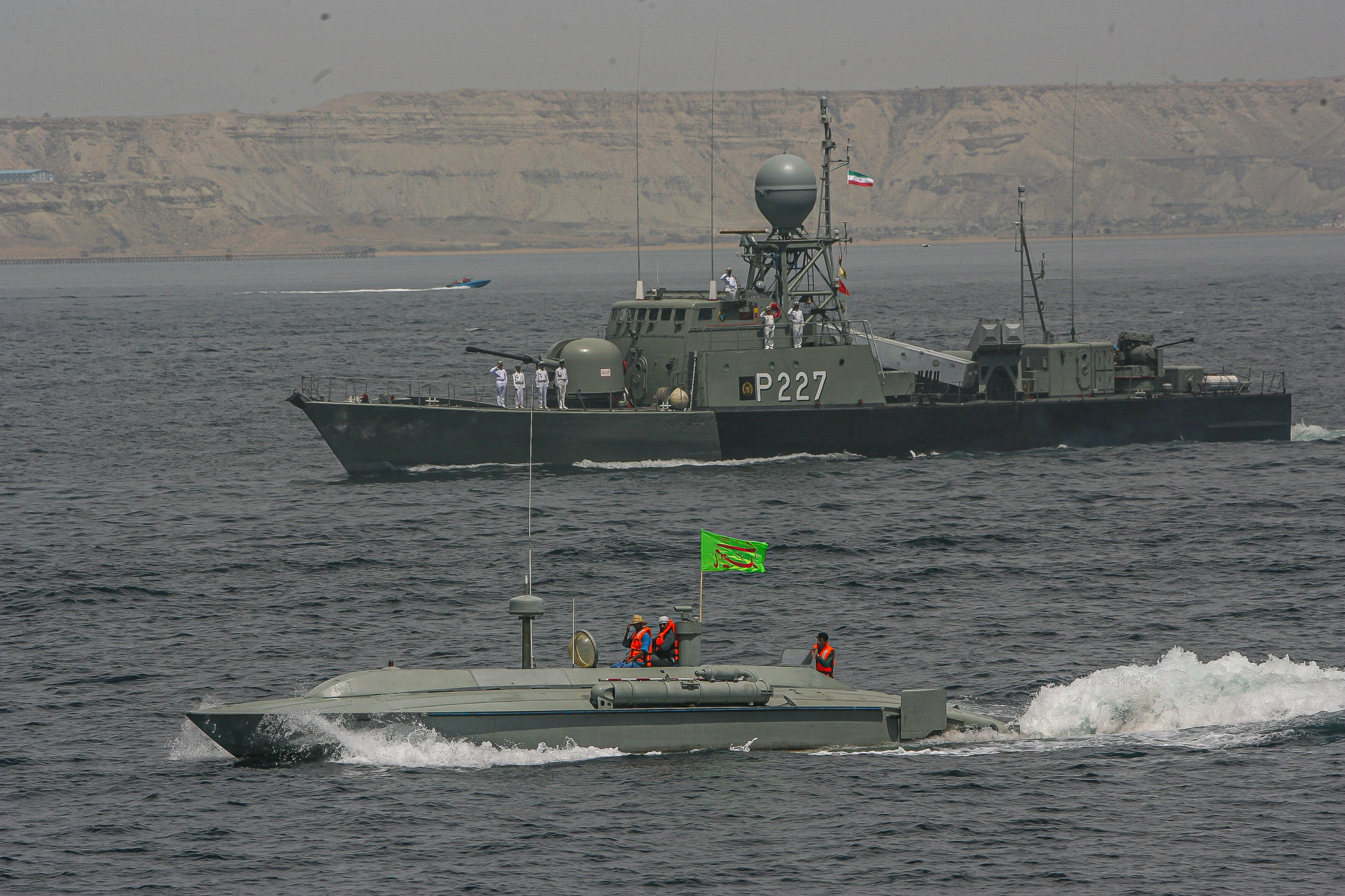
Tehran, Iran, January 31 2026, According to parliament news, that In the Persian Gulf in 2026, Iran military tensions have entered a new and increasingly volatile phase, driven by heightened naval activity, strategic signaling, and unresolved political disputes with Western powers. The latest developments have unfolded against a backdrop of fragile diplomacy, economic pressure, and rising uncertainty across one of the world’s most strategically vital waterways.
International attention has focused on recent maneuvers conducted by Iranian naval forces in proximity to foreign military vessels and major commercial shipping routes. While Tehran describes the actions as defensive and routine, security analysts say the timing and scale reflect broader strategic calculations that go well beyond standard military preparedness.
Why the Persian Gulf Remains a Global Flashpoint
The Persian Gulf is not merely a regional body of water. It is a central artery of global trade, energy supply, and strategic influence. Roughly one fifth of the world’s oil shipments pass through the Strait of Hormuz, making stability in the region a matter of international concern.
Any escalation linked to Iran military tensions immediately draws responses from governments, financial markets, and multinational corporations. Even symbolic actions in the Gulf can trigger oil price volatility, insurance cost increases, and diplomatic pressure behind closed doors.
Recent Naval Activity Draws International Scrutiny
Iranian state media have reported a series of naval exercises and readiness drills conducted by both the regular navy and elite maritime units. Officials have emphasized sovereignty, deterrence, and defensive capability as the guiding principles behind these operations.
However, Western defense officials say the exercises are being closely monitored due to their proximity to foreign vessels and key shipping lanes. Analysts argue that such maneuvers contribute directly to Iran military tensions, even in the absence of direct confrontation.
Strategic Messaging Through Military Posture
Military signaling has long been a cornerstone of Iran’s regional strategy. Rather than engaging in direct conflict, Tehran often relies on visible demonstrations of capability to convey resolve and deter perceived threats.
Experts note that Iran military tensions are shaped not only by actions at sea but also by how those actions are interpreted by rivals. In a crowded maritime environment, perception can be as consequential as reality.
The United States and Allied Response
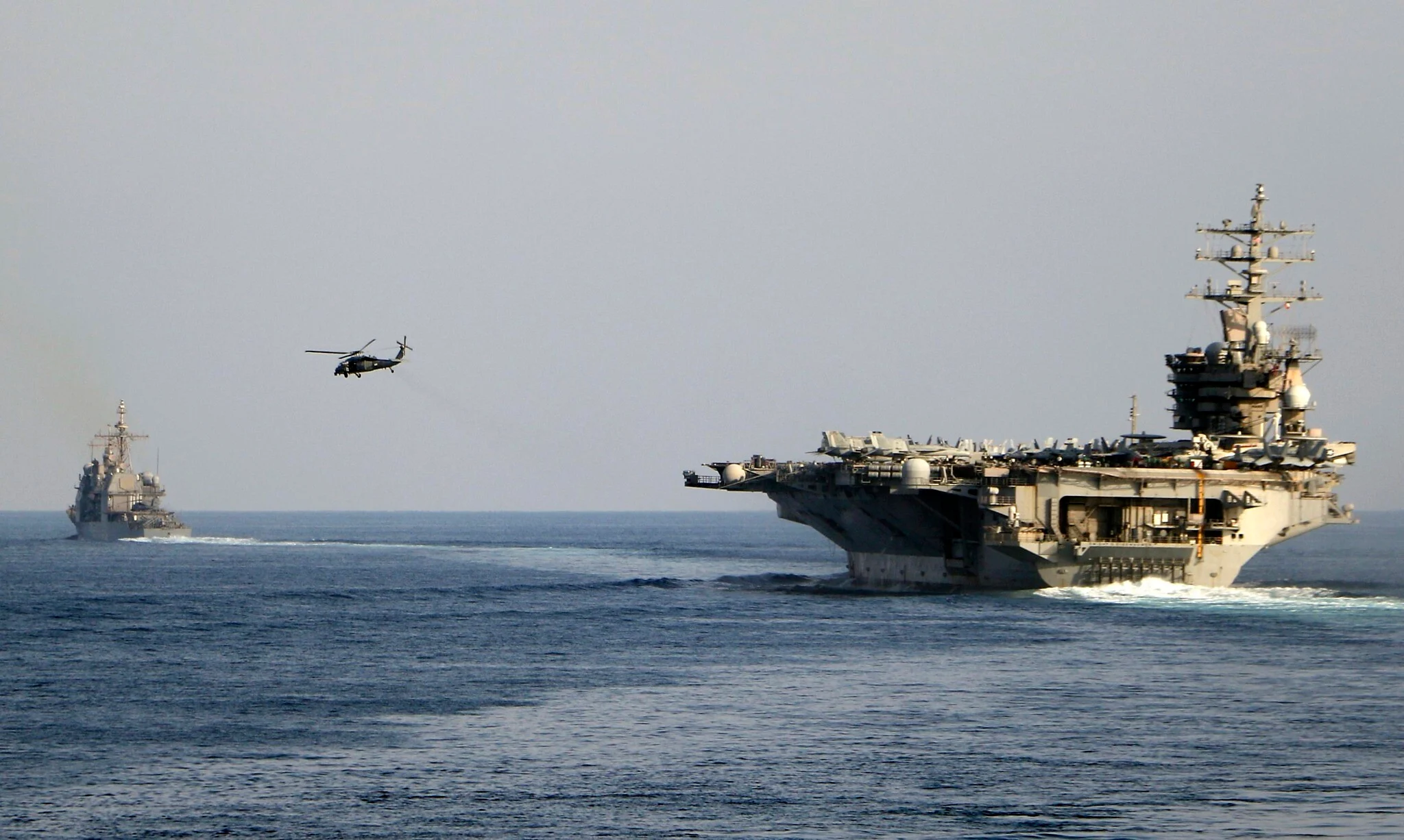
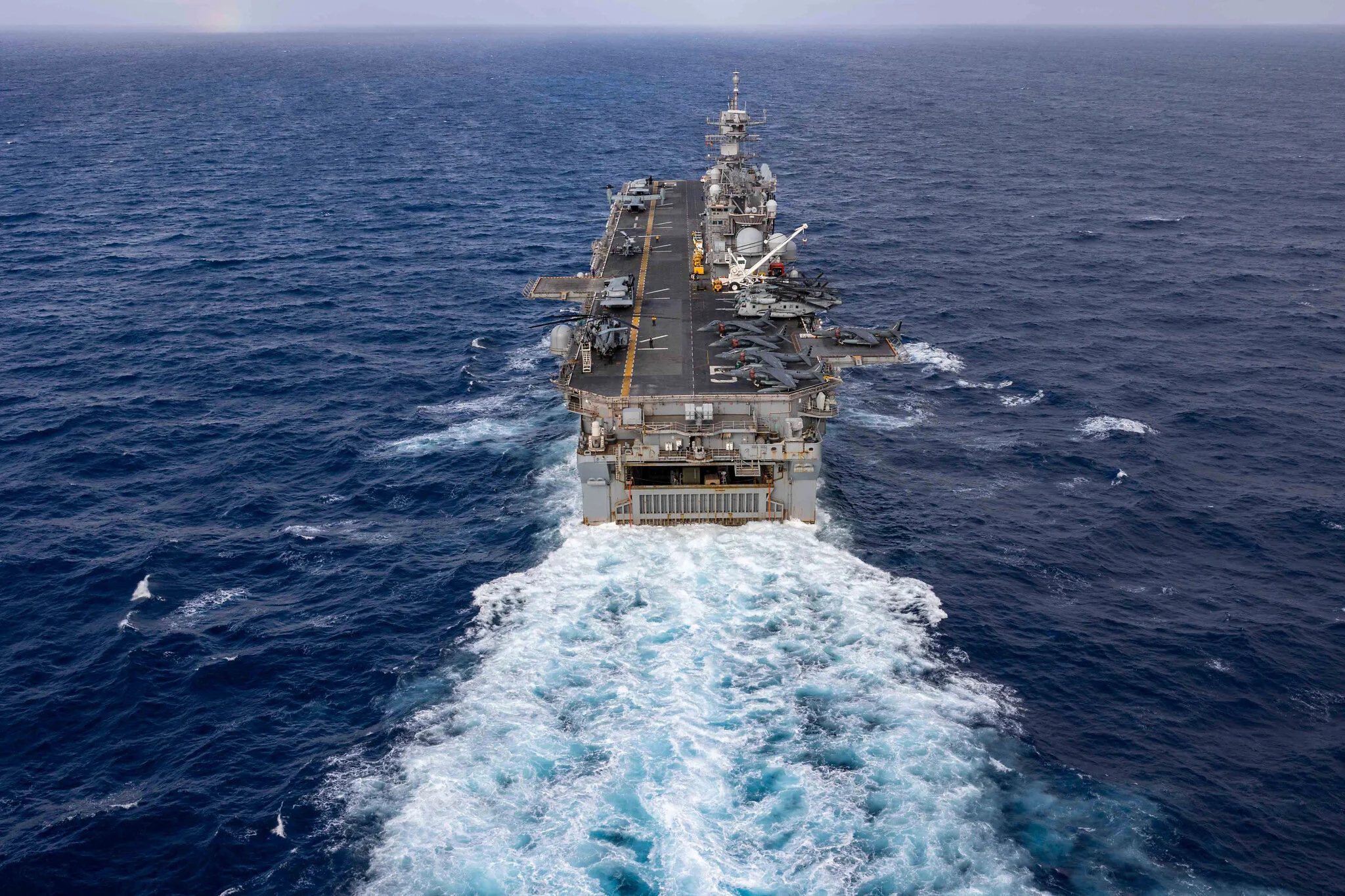
The United States maintains a significant naval presence in the region, supported by allied forces. Defense officials have confirmed increased surveillance and readiness measures aimed at ensuring freedom of navigation and protecting commercial traffic.
While officials emphasize de-escalation, they acknowledge that Iran military tensions raise the risk of unintended incidents, particularly during close encounters or live-fire exercises.
A Long History of Confrontation at Sea
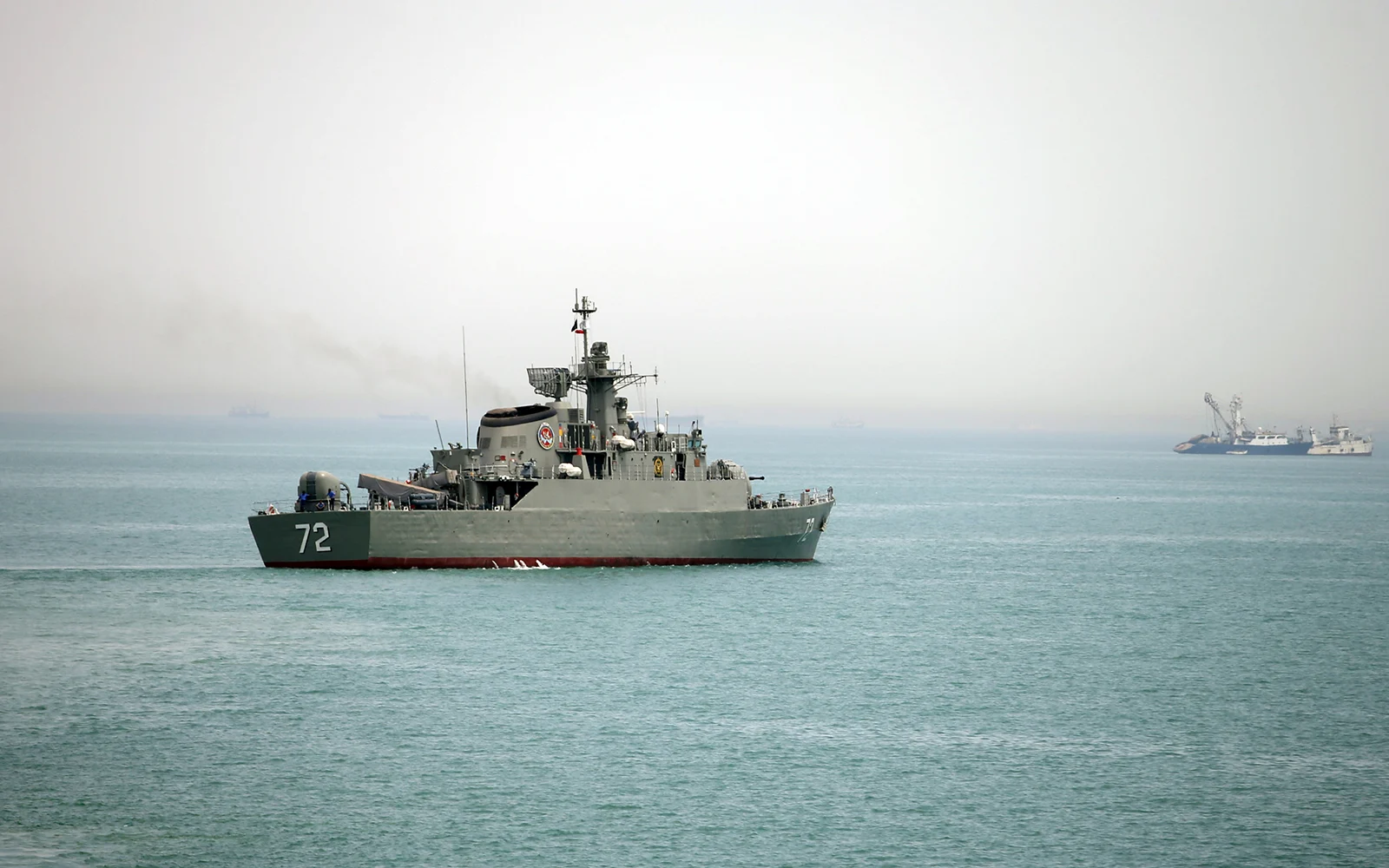
Tensions between Iran and Western naval forces are not new. Over decades, the Gulf has witnessed near-misses, radio warnings, vessel shadowing, and brief confrontations that stopped short of open conflict.
These historical episodes form the context for today’s Iran military tensions, reinforcing concerns among policymakers that familiar patterns could repeat under new and more complex conditions.
Domestic Narratives and National Messaging
Inside Iran, military activities are often portrayed as symbols of resilience and independence. State media coverage emphasizes preparedness and technological capability, reinforcing domestic narratives of strength in the face of external pressure.
Observers say Iran military tensions also serve an internal political function by rallying public support during periods of economic hardship and diplomatic isolation.
Economic Implications Beyond the Region
The economic consequences of heightened tension in the Gulf extend far beyond the Middle East. Energy markets are particularly sensitive to developments involving Iran, a major oil producer subject to international sanctions.
Sustained Iran military tensions contribute to uncertainty that affects investment decisions, shipping contracts, and long-term energy planning worldwide.
Shipping and Insurance Industry Concerns
Commercial shipping companies routinely assess risk levels when operating in the Gulf. Even when no incidents occur, elevated tension leads to higher insurance premiums and operational costs.
Industry analysts say recurring Iran military tensions place added pressure on global supply chains already strained by geopolitical instability elsewhere.
Diplomatic Efforts Struggle to Gain Traction
Despite heightened military activity, diplomatic channels have not been entirely closed. Indirect talks and back-channel communications continue, aimed primarily at preventing escalation rather than resolving underlying disputes.
Still, diplomats concede that Iran military tensions complicate progress on broader negotiations related to sanctions relief, nuclear oversight, and regional security frameworks.
The Risk of Miscalculation
Military experts consistently warn that the greatest danger in the Gulf lies not in deliberate aggression but in miscalculation. Dense traffic, overlapping patrol zones, and rapid decision-making create conditions where accidents can escalate quickly.
The persistence of Iran military tensions has renewed calls for clearer communication protocols and confidence-building measures among naval forces operating in the region.
Regional States Navigate a Delicate Balance
Gulf states find themselves navigating a complex security environment. Many seek to avoid direct confrontation while maintaining defense partnerships that provide reassurance against potential threats.
For these countries, Iran military tensions represent both a strategic concern and a diplomatic challenge requiring careful balancing.
Global Powers Watch Closely
Beyond the United States, other major powers monitor developments in the Gulf with keen interest. Stability in the region affects global trade routes, energy security, and broader geopolitical alignments.
Analysts say the evolution of Iran military tensions could influence international diplomatic priorities well beyond the Middle East.
Media Coverage and Public Perception
Global media attention amplifies every movement in the Gulf, shaping public perception and political pressure. Responsible reporting plays a crucial role in distinguishing between routine military activity and genuine escalation.
At the same time, transparency around Iran military tensions helps governments and markets assess risk more accurately.
One Expert Assessment
A regional security analyst familiar with Gulf naval dynamics summarized the situation by saying,
“The Gulf remains one of the world’s most dangerous theaters not because war is inevitable, but because the margin for error is extremely small.”
The comment reflects a widely shared concern among defense planners and diplomats alike.
Legal Frameworks and Maritime Norms
International maritime law provides guidelines for conduct at sea, including rules governing military exercises and navigation rights. Adherence to these norms is widely seen as essential to preventing escalation.
Legal experts argue that respect for established rules is particularly important during periods of heightened Iran military tensions.
Technology and Modern Naval Warfare
Advances in surveillance, missile systems, and unmanned platforms have transformed naval operations in the Gulf. These technologies enhance capability but also compress decision timelines.
Experts warn that in an environment shaped by Iran military tensions, rapid technological escalation can increase the risk of misinterpretation.
Energy Security and Strategic Calculations
Energy-importing nations closely monitor Gulf security as part of their strategic planning. Even short-term disruptions can have outsized economic effects.
Persistent Iran military tensions reinforce the importance of diversified energy supplies and strategic reserves for many countries.
Policy Debates in Western Capitals
In Washington and European capitals, debates continue over how best to respond to developments in the Gulf. Policymakers weigh deterrence against diplomacy, seeking to avoid actions that could trigger escalation.
These discussions are heavily influenced by assessments of Iran military tensions and their potential trajectory.
Prospects for De-escalation
Some analysts believe that despite heightened rhetoric and visible military activity, all sides remain cautious. The economic and political costs of open conflict are widely recognized.
Still, the durability of Iran military tensions suggests that underlying disputes remain unresolved and prone to periodic flare-ups.
Looking Ahead Through the Rest of 2026
As 2026 progresses, experts expect continued naval activity and diplomatic maneuvering rather than dramatic shifts. The focus will remain on managing risk and avoiding unintended confrontation.
Whether Iran military tensions ease or intensify will depend largely on diplomatic engagement and crisis management effectiveness.
Beyond Warships Toward Lasting Stability
Lasting stability in the Gulf is unlikely to come from military posturing alone. Confidence-building measures, regional dialogue, and economic cooperation are frequently cited as pathways toward reducing long-term risk.
The challenge for regional and global actors is managing Iran military tensions while keeping open channels for negotiation and compromise.