
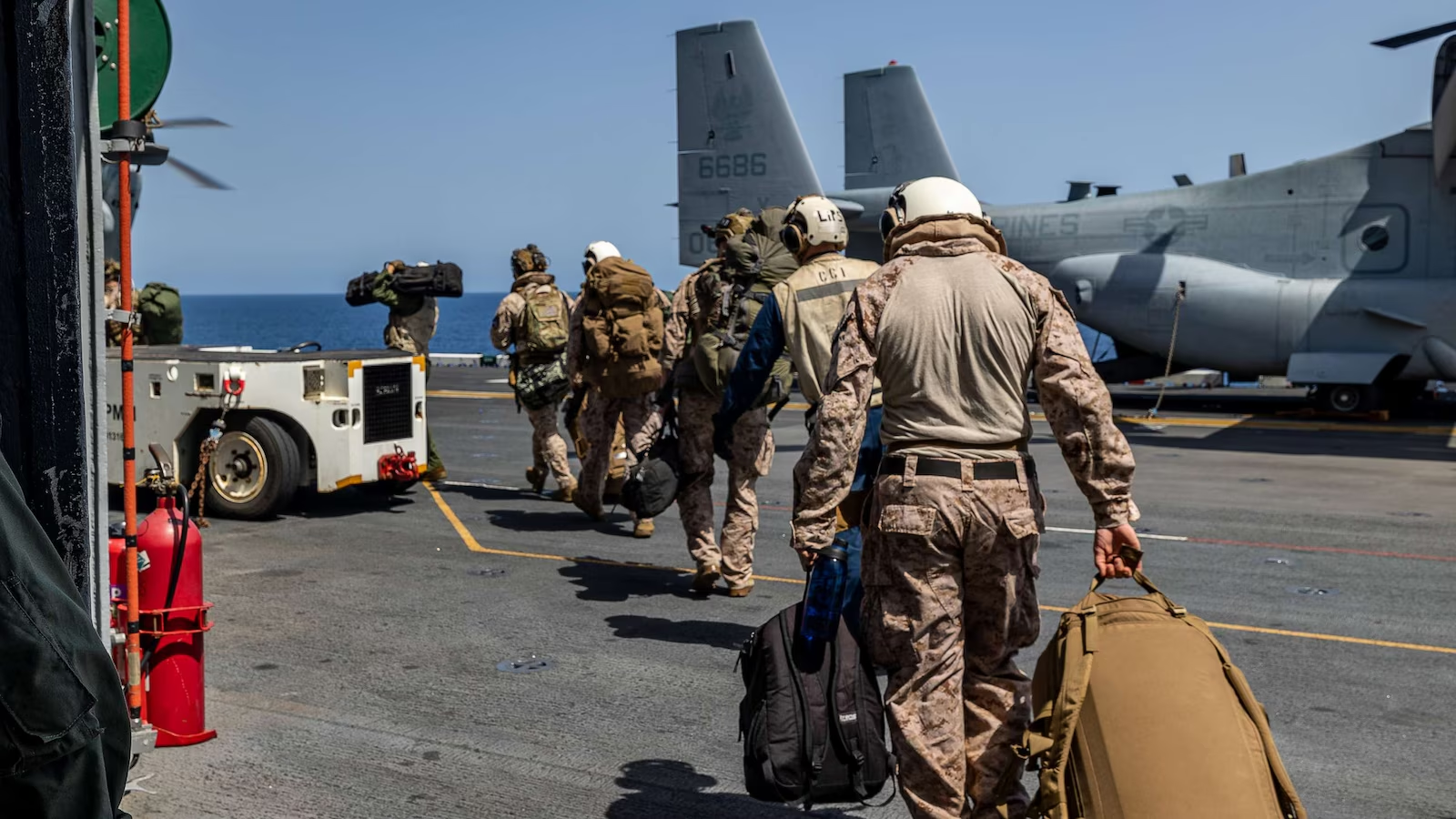
WASHINGTON, March 14, 2026 — Parliament Politics Magazine — The Persian Gulf security crisis is intensifying as military deployments, maritime tensions, and geopolitical rivalries converge in one of the world’s most strategically vital regions. Governments across the globe are closely watching developments in the Gulf, where escalating tensions could disrupt critical oil shipping routes and affect global energy markets.
The Persian Gulf serves as a gateway for energy exports from several major oil producing countries. As the Persian Gulf security crisis deepens, international leaders are increasingly concerned about the safety of shipping lanes that transport millions of barrels of oil each day.
Energy analysts say instability in this region has historically triggered market volatility, and the current situation could produce similar effects if tensions continue to rise.
Strategic importance of Gulf energy corridors
The Persian Gulf security crisis has brought renewed attention to the importance of the Strait of Hormuz, the narrow waterway connecting the Gulf to the Arabian Sea. Nearly twenty percent of global oil shipments pass through this corridor daily.
Oil tankers departing from Saudi Arabia, Iraq, Kuwait, and the United Arab Emirates rely on the Strait of Hormuz to reach global markets. Even minor disruptions to this route can influence global energy prices.
Energy economist Daniel Harris explained the stakes involved.
“The Gulf is the heart of the world’s oil transport system,”
Harris said.
“Any instability there can quickly affect the global economy.”
Because of this central role in energy logistics, the Persian Gulf security crisis has become a major focus for policymakers and energy analysts worldwide.
Rising military presence across the region
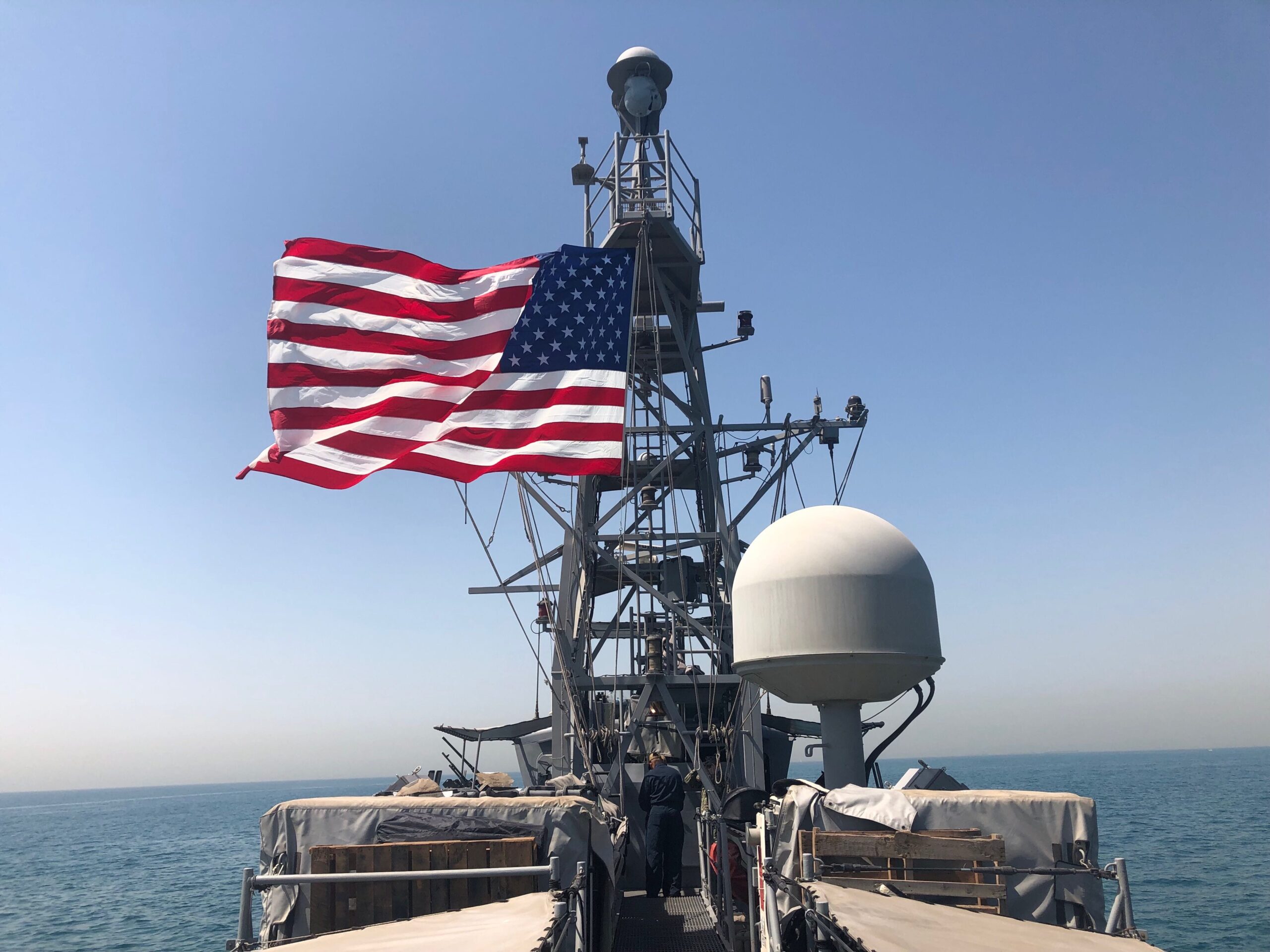
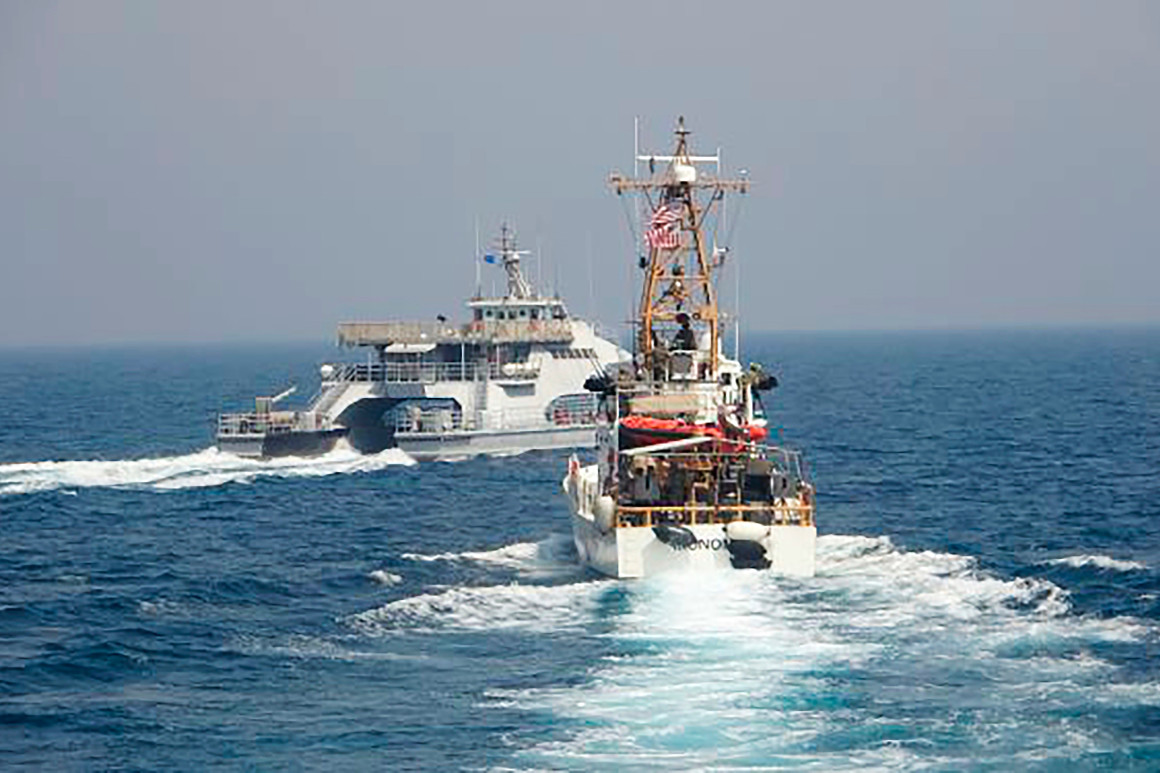
The growing Persian Gulf security crisis has prompted several nations to increase military deployments throughout the region. Naval patrols from the United States and allied countries are conducting surveillance missions aimed at protecting commercial shipping traffic.
Defense officials say these patrols are designed to ensure freedom of navigation and deter potential interference with oil tankers and cargo vessels.
A senior defense official described the purpose of the increased presence.
“Our objective is to maintain stability and protect international shipping routes that are vital to the global economy,”
the official said.
These efforts illustrate how seriously governments are treating the Persian Gulf security crisis as tensions continue to evolve.
Oil markets react to geopolitical uncertainty
Financial markets have responded cautiously to the Persian Gulf security crisis. Oil prices often react quickly to geopolitical developments in the region because the Gulf represents one of the world’s largest sources of petroleum exports.
Traders monitor events closely as the possibility of shipping disruptions can influence market expectations.
Energy strategist Laura Kim noted that investors remain sensitive to developments in the region.
“Even the possibility of disruption in Gulf shipping lanes can create volatility in global energy markets,”
Kim said.
The Persian Gulf security crisis therefore remains a major concern for both governments and financial institutions.
Diplomatic efforts aimed at preventing escalation
International diplomacy has intensified as leaders attempt to contain the Persian Gulf security crisis. Governments from Europe, Asia, and the Middle East are encouraging dialogue and urging restraint among regional powers.
Diplomatic channels remain active as policymakers seek to prevent tensions from escalating into broader conflict.
Security analysts emphasize that protecting maritime commerce is a shared international interest.
One maritime policy expert explained the urgency of cooperation.
“Global trade depends on safe shipping routes, and protecting those routes must remain a collective priority.”
The Persian Gulf security crisis has therefore become a central topic in international diplomatic discussions.
Maritime security and shipping industry concerns
Shipping companies operating in the region are taking precautions as the Persian Gulf security crisis continues. Tanker operators rely on stable navigation routes to transport oil and commercial goods to international markets.
In response to rising tensions, many companies have strengthened security protocols and coordinated more closely with naval forces operating in the region.
Insurance companies have also adjusted risk assessments for vessels traveling through the Gulf. Higher insurance premiums often reflect the increased security concerns associated with the Persian Gulf security crisis.
These additional costs can eventually affect global supply chains and energy prices.
Historical perspective on Gulf maritime conflicts
The Persian Gulf security crisis echoes earlier periods of instability that threatened maritime trade routes. During the Iran Iraq War in the 1980s, oil tankers were frequently targeted in attacks that disrupted shipping throughout the Gulf.
That conflict became widely known as the Tanker War and led to increased naval patrols from international forces attempting to safeguard commercial vessels.
The experience demonstrated how vulnerable global energy supply routes can become during geopolitical conflicts.
Today’s Persian Gulf security crisis has revived those concerns among security experts and policymakers.
Economic consequences for global markets
The economic implications of the Persian Gulf security crisis extend far beyond the Middle East. Oil remains a fundamental resource for transportation, manufacturing, and industrial production worldwide.
When geopolitical tensions threaten supply routes, markets often respond with price increases and heightened volatility.
Economists say prolonged instability could affect global economic growth if energy transportation becomes less reliable.
Shipping delays, higher insurance costs, and potential infrastructure risks all contribute to the economic uncertainty surrounding the Persian Gulf security crisis.
Energy security challenges facing governments
The Persian Gulf security crisis has renewed discussions about energy security and supply diversification. Many governments maintain strategic petroleum reserves to help stabilize markets during periods of geopolitical tension.
However, experts note that maintaining secure maritime trade routes remains the most effective way to prevent supply disruptions.
International cooperation among naval forces, diplomatic engagement, and economic planning all play important roles in ensuring stability.
As long as the Persian Gulf security crisis continues, energy security will remain a key priority for governments worldwide.
The global outlook for maritime stability
The evolving Persian Gulf security crisis highlights the fragile balance between geopolitical rivalry and economic cooperation. Maritime routes through the Gulf remain essential for transporting energy resources that support global industry and commerce.
Security analysts believe diplomatic efforts could still prevent the situation from escalating further. At the same time, increased military patrols and security coordination reflect the seriousness of the current tensions.
International leaders are therefore working to maintain stability while preparing for potential disruptions.
Key developments at a glance
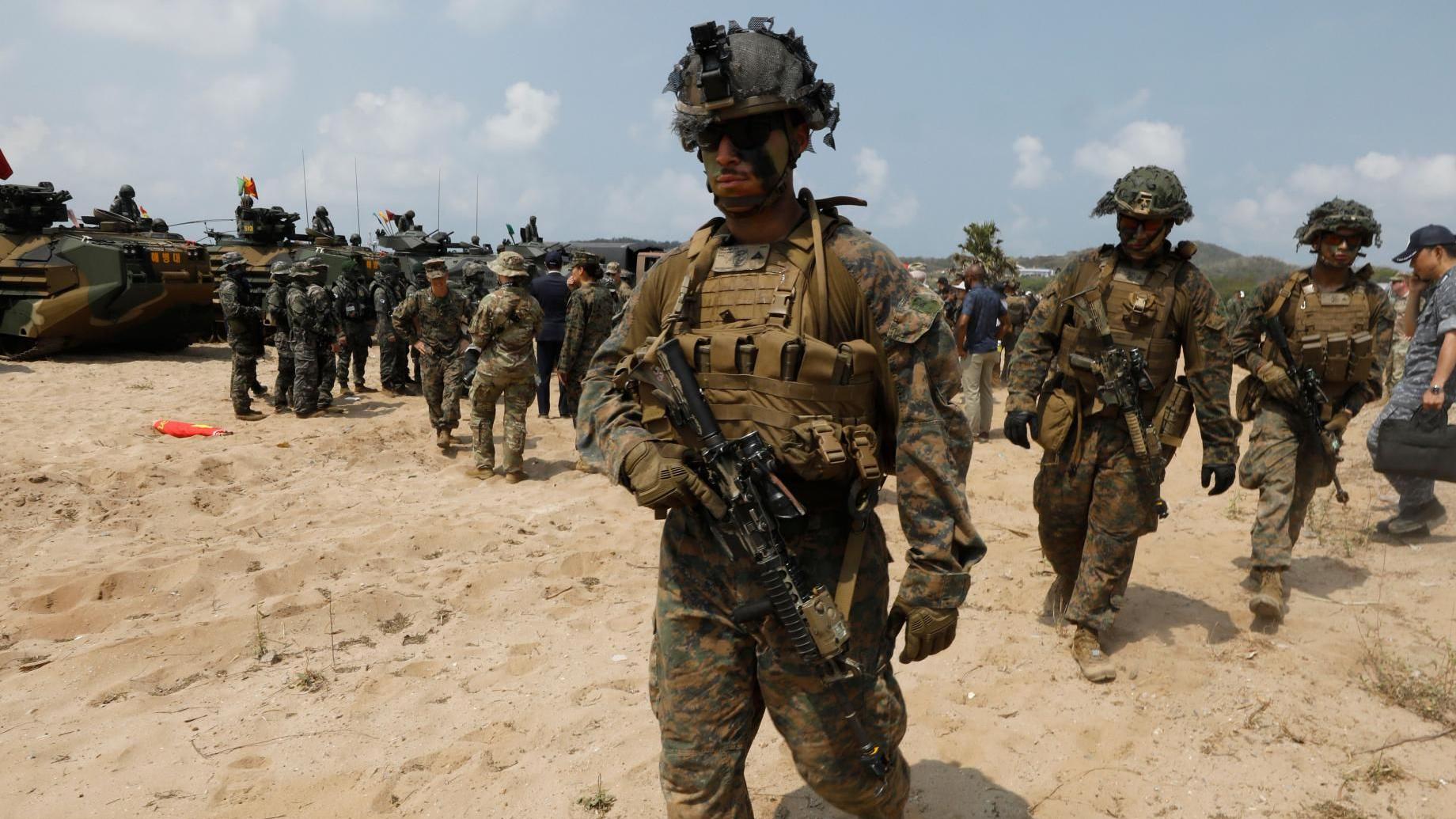
The Persian Gulf security crisis continues to shape global political and economic discussions as governments seek to protect critical energy transportation routes. Military deployments, diplomatic negotiations, and market reactions all reflect the importance of maintaining stability in the region.
In summary, the crisis highlights three central concerns: the safety of maritime shipping lanes, the stability of global oil markets, and the need for diplomatic engagement to prevent further escalation.
As the situation unfolds, policymakers, energy markets, and shipping companies will remain focused on developments in one of the world’s most strategically important regions.