

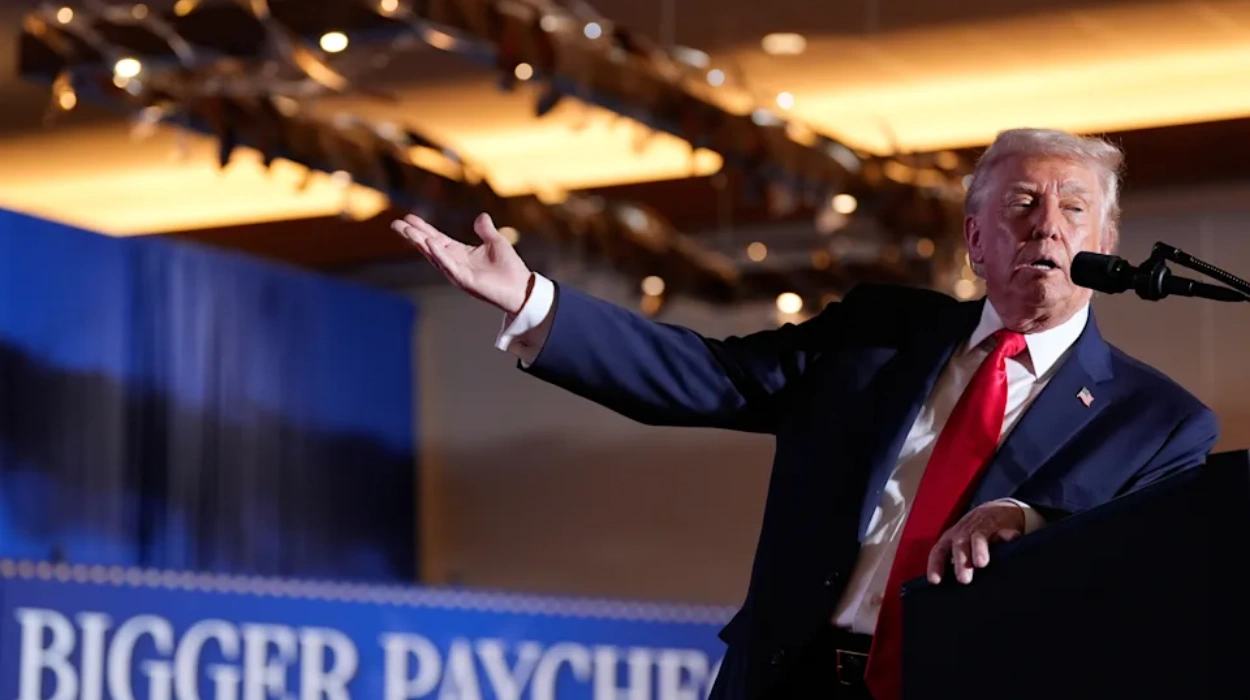
Washington (Parliament Politics Megazine) January 16, 2026 – Middle East allies have urged United States President Donald Trump to refrain from military strikes on Iran. A senior diplomat disclosed that countries including Saudi Arabia, the United Arab Emirates, and Jordan conveyed concerns over escalation risks. The appeals occurred amid heightened tensions following Iran’s recent missile tests and proxy attacks on US interests.
The diplomat, speaking anonymously to maintain diplomatic confidentiality, detailed private communications to the Trump administration over the past 48 hours. These nations expressed fears that strikes could destabilise the region, trigger oil price surges, and provoke retaliatory actions against Gulf infrastructure. President Trump, inaugurated in January 2025 after his reelection, has signalled openness to military options against Iran’s nuclear programme.
Diplomatic Outreach Details from Key Regional Players
Saudi Arabia’s Foreign Minister Prince Faisal bin Farhan contacted US Secretary of State Marco Rubio directly, as reported by David Ignatius of The Washington Post. Prince Faisal emphasised the kingdom’s preference for diplomatic pressure through sanctions and UN resolutions over kinetic action. The minister warned of potential disruptions to global energy supplies, given Iran’s control over the Strait of Hormuz.
The United Arab Emirates followed suit, with its ambassador in Washington delivering a formal demarche to the State Department. As noted by Farnaz Fassihi of The New York Times, UAE officials highlighted vulnerabilities in their desalination plants and ports to Iranian missile threats. Jordan’s King Abdullah II raised the issue during a telephone call with President Trump, according to Jonathan Panikoff of Politico, stressing the need to avoid a broader Sunni-Shia conflict.
These interventions reflect a coordinated Gulf strategy, coordinated through the Gulf Cooperation Council. Egypt and Bahrain echoed similar sentiments in lower-level talks, prioritising economic recovery post-2025 regional recessions.
Context of Escalating US-Iran Tensions Under Trump
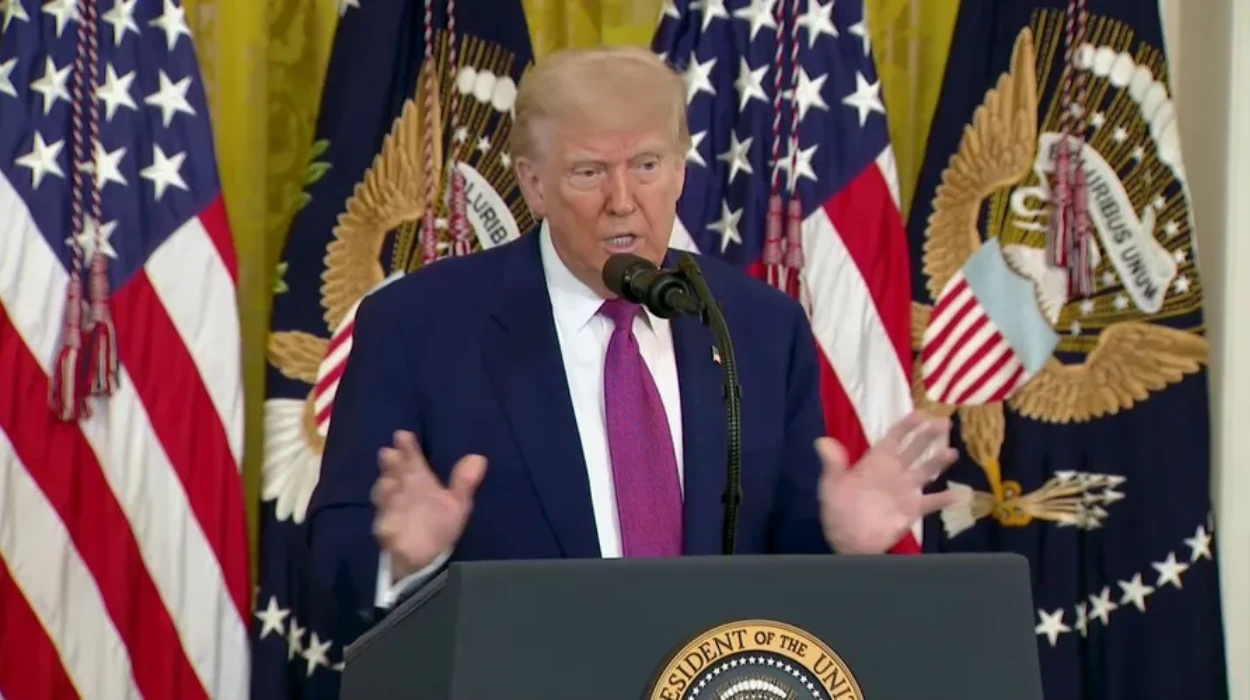
Tensions reignited after Iran’s 12 January 2026 ballistic missile test, which US Central Command deemed a violation of UN Resolution 2231. President Trump responded with a 14 January address from the White House, stating Iran would face “severe consequences” if provocations continued, as covered by Jennifer Griffin of Fox News. This marked a departure from the Biden-era restraint, aligning with Trump’s campaign pledges.
Iran’s Houthi proxies in Yemen escalated Red Sea shipping attacks, sinking two commercial vessels last week and prompting US naval intercepts. Hezbollah forces in Lebanon conducted border drills simulating strikes on Israel, further straining alliances. US intelligence assessments, declassified on 15 January, confirmed Iran’s uranium enrichment nearing weapons-grade levels at Fordow.
The Trump administration deployed B-52 bombers to Diego Garcia and extended carrier strike group deployments in the Arabian Sea, signals interpreted as strike preparations by Jane Bradley of CNN.
Specific Concerns Raised by Allied Diplomats
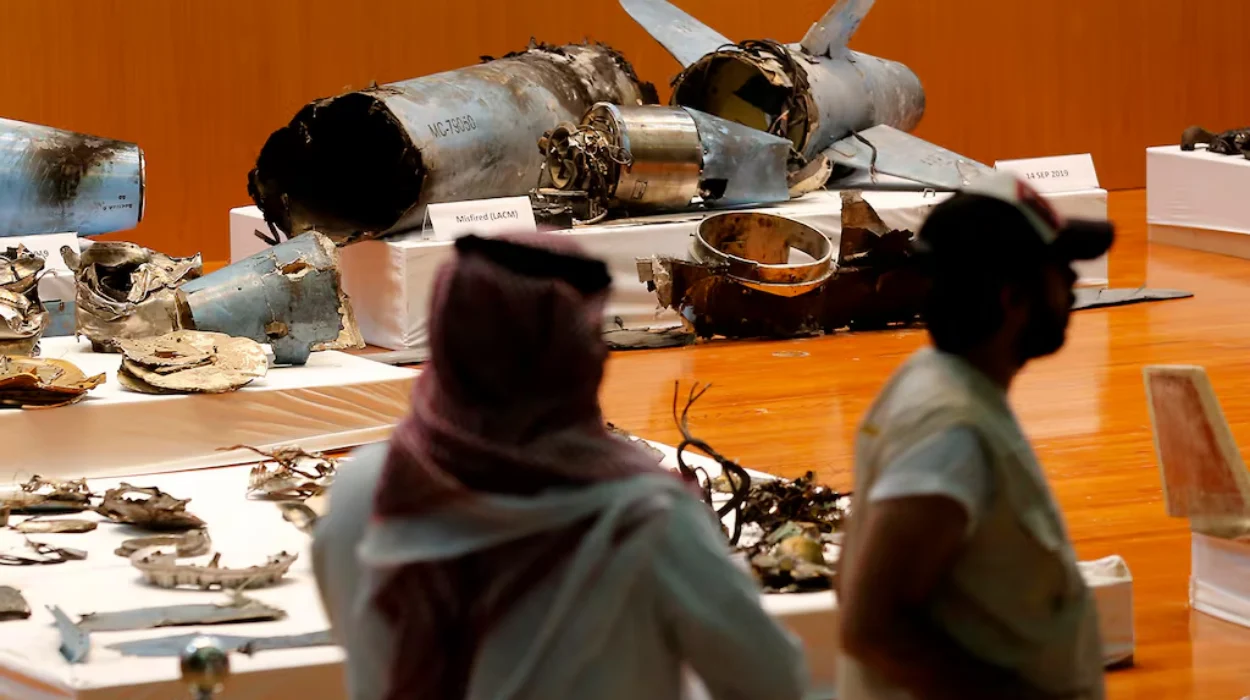
Allies cited the 2019 Abqaiq drone attacks, where Iranian-backed forces halved Saudi oil production temporarily, as a precedent. The diplomat revealed Saudi Arabia offered enhanced intelligence sharing on Iranian assets in return for de-escalation commitments. UAE diplomats proposed joint naval patrols to secure shipping lanes without direct confrontation.
Jordan expressed worries over refugee influxes from potential Iraqi destabilisation, given its hosting of 1.3 million Syrians already. Bahrain, home to the US Fifth Fleet, requested assurances against using its territory for launch operations. As reported by Barak Ravid of Axios, these nations advocated for a multilateral coalition akin to the 2015 nuclear deal framework.
President Trump’s team acknowledged receipt but prioritised deterrence, per statements from National Security Adviser Michael Waltz to Maria Bartiromo of Fox Business.
Historical Precedents and Regional Stability Fears
Past US strikes, such as the 2020 Soleimani assassination, led to Iranian retaliation via Iraqi militias targeting US bases. Allies reference the 2019-2020 “maximum pressure” campaign, which slowed but did not halt Iran’s nuclear advances. The Abraham Accords, brokered under Trump’s first term, remain fragile amid Gaza ceasefire breakdowns.
Oil markets reacted with Brent crude rising 5 per cent to $92 per barrel on 15 January, per Bloomberg data cited by Javier Blas. Gulf sovereign wealth funds, holding $4 trillion, face portfolio risks from volatility. Israel’s Prime Minister Benjamin Netanyahu supported US action privately but urged allied buy-in publicly.
Trump Administration’s Stated Position and Next Steps
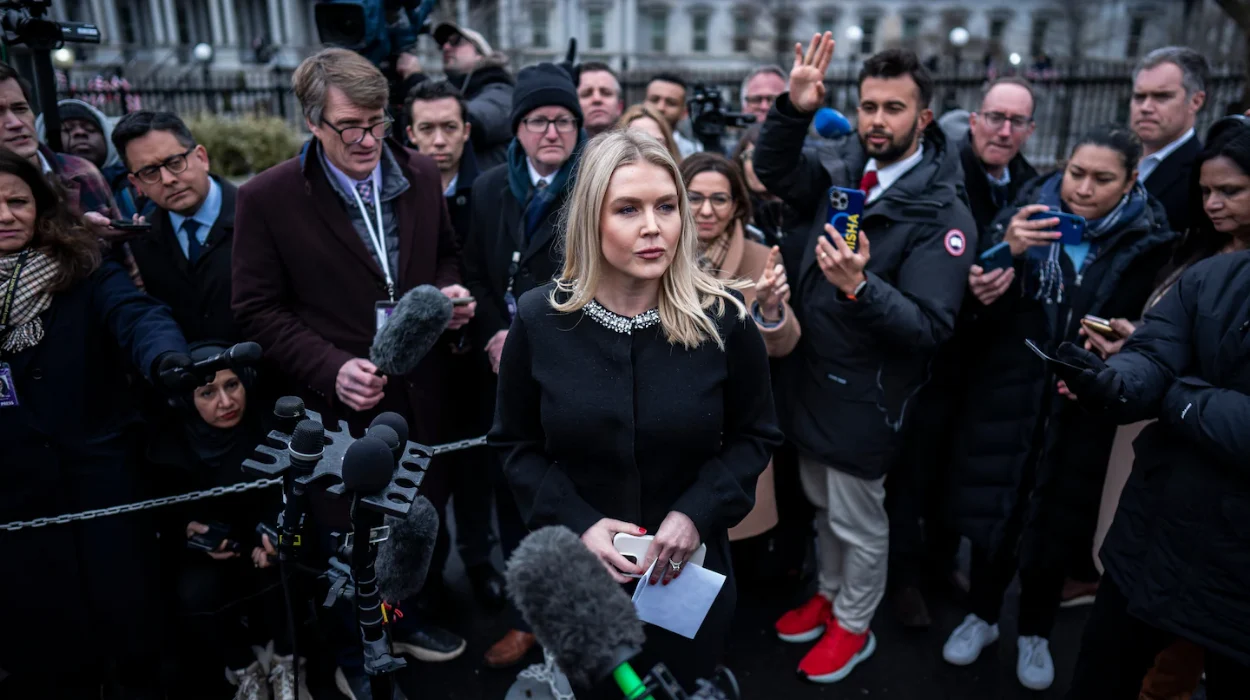
White House Press Secretary Karoline Leavitt stated on 15 January that “all options remain on the table to protect American interests,” as quoted by Peter Baker of The New York Times. President Trump scheduled a National Security Council meeting for 17 January to review intelligence. Diplomatic cables indicate a 72-hour window for Iranian compliance before decisions.
Allied ambassadors plan a joint communique via the Arab League, pressing for IAEA inspections as an alternative. European partners, including France and Germany, aligned with Gulf calls during a Brussels consultation, per Sue Pleming of Reuters.
Broader Geopolitical Ramifications for Global Alliances
Russia and China voiced opposition to strikes, with Moscow supplying Iran S-400 systems and Beijing importing 90 per cent of its oil via the Strait. Turkey warned of Kurdish militia activations along its border. Pakistan, monitoring from Lahore, affirmed neutrality but bolstered border defences.
The appeals underscore Trump’s “America First” policy testing multilateral ties forged over decades. Congressional leaders, including Senate Majority Leader John Thune, received briefings, with bipartisan calls for authorisation resolutions. As developments unfold, diplomatic channels remain active amid military posturing.