


Washington, United States — January 2026. According to parliament news, that Syria has re-emerged as a subject of intense debate in Washington, where lawmakers and policy advisers are reassessing long-standing approaches toward Damascus. The renewed attention reflects wider uncertainty about regional stability, sanctions effectiveness, and humanitarian outcomes as the direction of US foreign policy Syria is once again scrutinized at the highest political levels.
Although Syria no longer dominates global headlines, officials say the conflict’s unresolved nature continues to influence diplomatic calculations across the Middle East. In the US capital, recent statements and hearings indicate that pressure-based strategies remain central, even as regional actors adjust their engagement with Damascus. The trajectory of US foreign policy Syria in 2026 underscores how deeply entrenched the issue remains in American strategic thinking.
Washington Revisits a Longstanding Dilemma
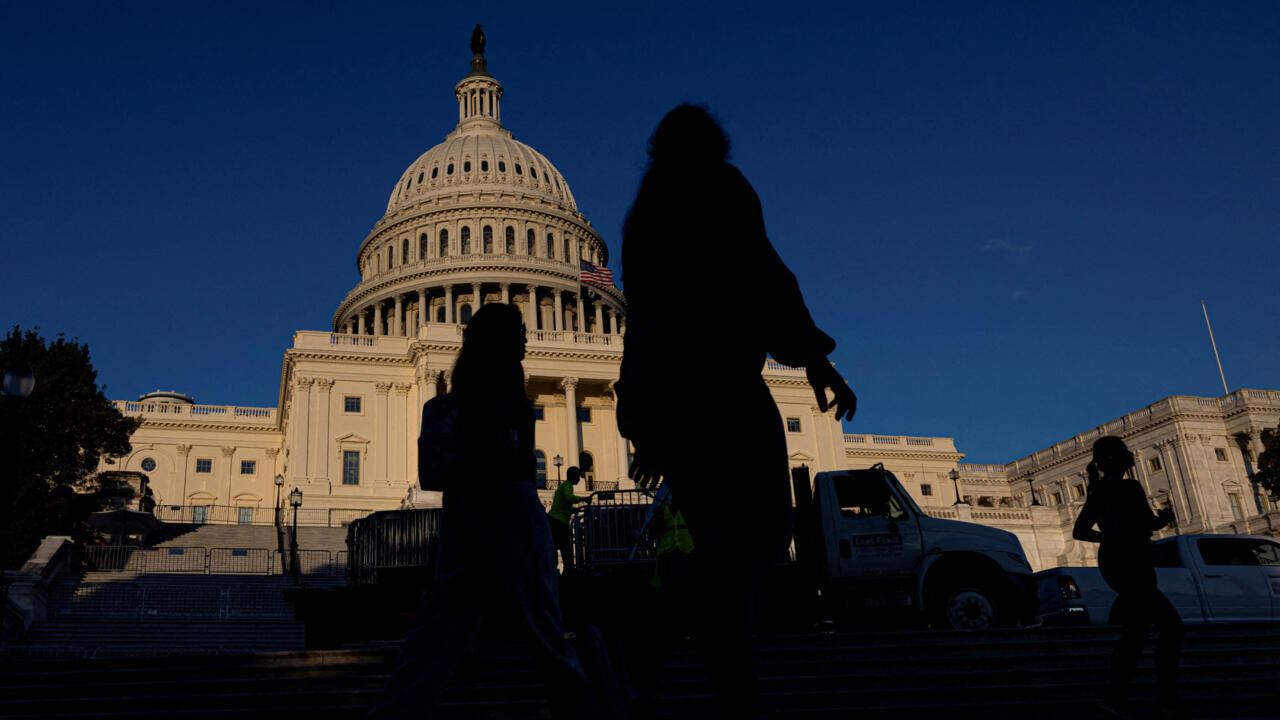
Congressional discussions over Syria have intensified in recent weeks, with lawmakers revisiting questions that have lingered for years. At the heart of the debate is whether existing tools have delivered meaningful leverage or merely prolonged stalemate.
For many legislators, US foreign policy Syria represents a test case for broader principles guiding American engagement abroad. Maintaining pressure without direct military involvement is often cited as a model for handling protracted conflicts, even as critics question its humanitarian impact.
Policy aides note that Syria discussions are increasingly framed within a wider reassessment of US priorities in the Middle East.
Sanctions Remain the Cornerstone
Economic sanctions continue to anchor Washington’s approach. Over the past decade, layers of restrictions have targeted Syrian state institutions, financial systems, and individuals linked to governance structures.
Supporters argue that sanctions preserve leverage and deter normalization without reform. Critics counter that they have failed to produce political change while constraining civilian life. Still, US foreign policy Syria remains firmly tied to this framework, reflecting bipartisan agreement on pressure as the default instrument.
Officials suggest that future adjustments would likely involve enforcement mechanisms rather than wholesale policy reversal.
Congressional Messaging and Strategic Signals
Public warnings from US lawmakers often function as strategic signals rather than immediate policy announcements. Statements issued in Washington are carefully calibrated and closely monitored by allies and adversaries alike.
When lawmakers address US foreign policy Syria, analysts say they are shaping expectations for diplomacy and regional engagement. Such messaging can influence behavior even in the absence of new legislation, particularly when aligned with executive branch reviews.
Recent remarks suggest coordination across committees focused on foreign relations and national security.
Humanitarian Questions Return to the Forefront
Humanitarian access remains one of the most contentious aspects of Syria policy. Aid organizations have repeatedly warned that sanctions-related banking restrictions complicate relief operations.
Within the structure of US foreign policy Syria, officials emphasize that humanitarian exemptions exist. However, compliance concerns among financial institutions often delay transactions and procurement.
Balancing pressure on Damascus with protection for civilians continues to challenge policymakers and humanitarian actors alike.
Regional Shifts Complicate US Calculations
Developments across the Middle East have added complexity to Washington’s Syria deliberations. Several regional governments have cautiously expanded engagement with Damascus, reopening diplomatic channels and exploring limited economic ties.
These moves place US foreign policy Syria under additional scrutiny, particularly as Washington seeks to maintain coordinated pressure with partners. Allies must now navigate between regional normalization trends and US restrictions.
Analysts note that Washington’s stance will influence the pace and scope of regional engagement in the coming years.
Limited Diplomacy Without Normalization
Despite tough rhetoric, diplomatic channels related to Syria have not been entirely closed. Quiet engagement continues on specific issues such as detainees, humanitarian corridors, and counterterrorism coordination.
Officials describe US foreign policy Syria as allowing targeted interaction without broader normalization. This calibrated approach is designed to extract concessions while avoiding steps perceived as legitimizing the Syrian leadership.
Whether this balance can be sustained amid regional shifts remains uncertain.
Economic Pressure and Syrian Recovery Prospects
Syria’s economy remains fragile after years of conflict, with infrastructure damage and currency instability hindering recovery. Reconstruction efforts have been slow, constrained by limited investment and sanctions.
As US foreign policy Syria continues to emphasize economic pressure, Syrian officials argue that recovery and refugee returns remain stalled. Some international observers echo concerns that prolonged restrictions may entrench hardship rather than incentivize reform.
Washington maintains that meaningful recovery must be tied to political progress.
International Alignment and Transatlantic Coordination
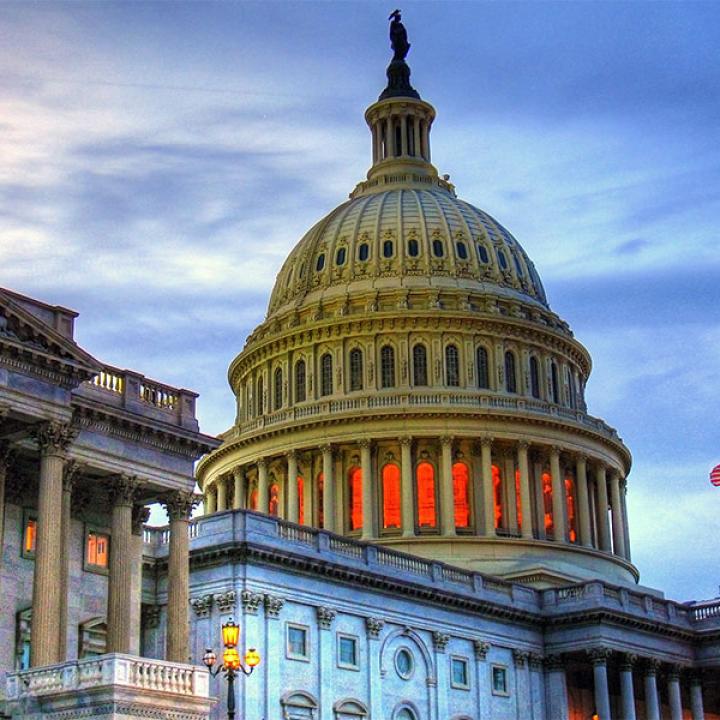
The US approach toward Syria shapes international responses, particularly in Europe. Coordination on sanctions enforcement remains a central feature of transatlantic relations.
While tactical differences occasionally surface, US foreign policy Syria largely sets the tone for collective pressure. European officials continue to align with Washington while stressing the importance of humanitarian safeguards.
Global institutions monitor the impact of these policies on civilian populations.
Domestic Attention and Policy Endurance
Within the United States, Syria commands less public attention than during peak conflict years. Yet policy endurance has not translated into disengagement.
For many lawmakers, maintaining pressure through US foreign policy Syria carries relatively low domestic political cost compared to military involvement. As a result, continuity rather than innovation has defined Washington’s approach.
Analysts say renewed public focus could emerge if humanitarian conditions deteriorate sharply.
One Lawmaker’s Viewpoint
Summarizing the prevailing position among advocates of sustained pressure, one senior lawmaker stated:
“Without accountability and reform, easing pressure would only reward failure.”
This single remark encapsulates the logic underpinning much of the current debate in Washington.
Executive Authority and Policy Flexibility
While Congress shapes the legal framework for sanctions, the executive branch retains discretion over enforcement and waivers. Presidential authority allows adjustments in tone and implementation.
Observers note that US foreign policy Syria could evolve incrementally depending on executive priorities, even if core legislation remains intact. This flexibility enables tactical shifts without formal policy change.
Such discretion may become increasingly important as regional dynamics evolve.
Strategic Patience or Prolonged Stalemate
Supporters of the current approach describe it as strategic patience, arguing that sustained pressure preserves leverage over time. Critics see stagnation that fails to produce tangible outcomes.
The persistence of US foreign policy Syria raises questions about long-term effectiveness. Analysts debate whether recalibration could better align humanitarian goals with strategic interests.
For now, Washington appears committed to continuity rather than experimentation.
Monitoring the Next Phase Closely
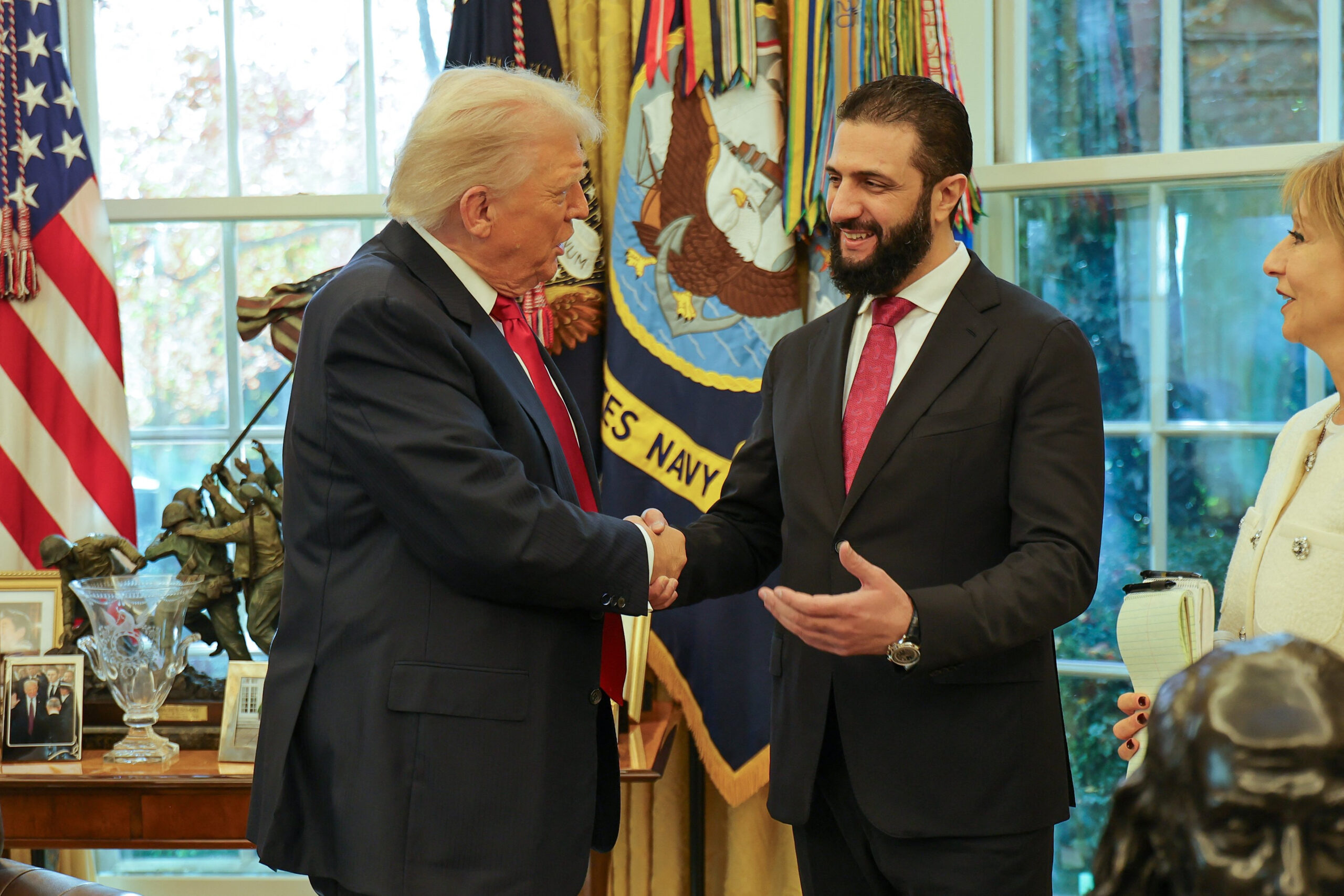
As 2026 progresses, policymakers continue to review Syria policy alongside broader regional strategies. Developments on the ground, humanitarian indicators, and regional diplomacy will shape future decisions.
The future of US foreign policy Syria will depend on whether pressure yields leverage or entrenches deadlock. Officials emphasize that flexibility remains, but core principles are unlikely to shift soon.
When Policy Becomes a Message
Ultimately, Washington’s approach toward Syria functions as both policy and signal. It communicates expectations to Damascus, allies, and domestic audiences.
The endurance of US foreign policy Syria in 2026 illustrates how unresolved conflicts can remain central to strategic thinking long after they fade from daily news.
Whether this approach evolves or endures unchanged will define its legacy in the years ahead.