

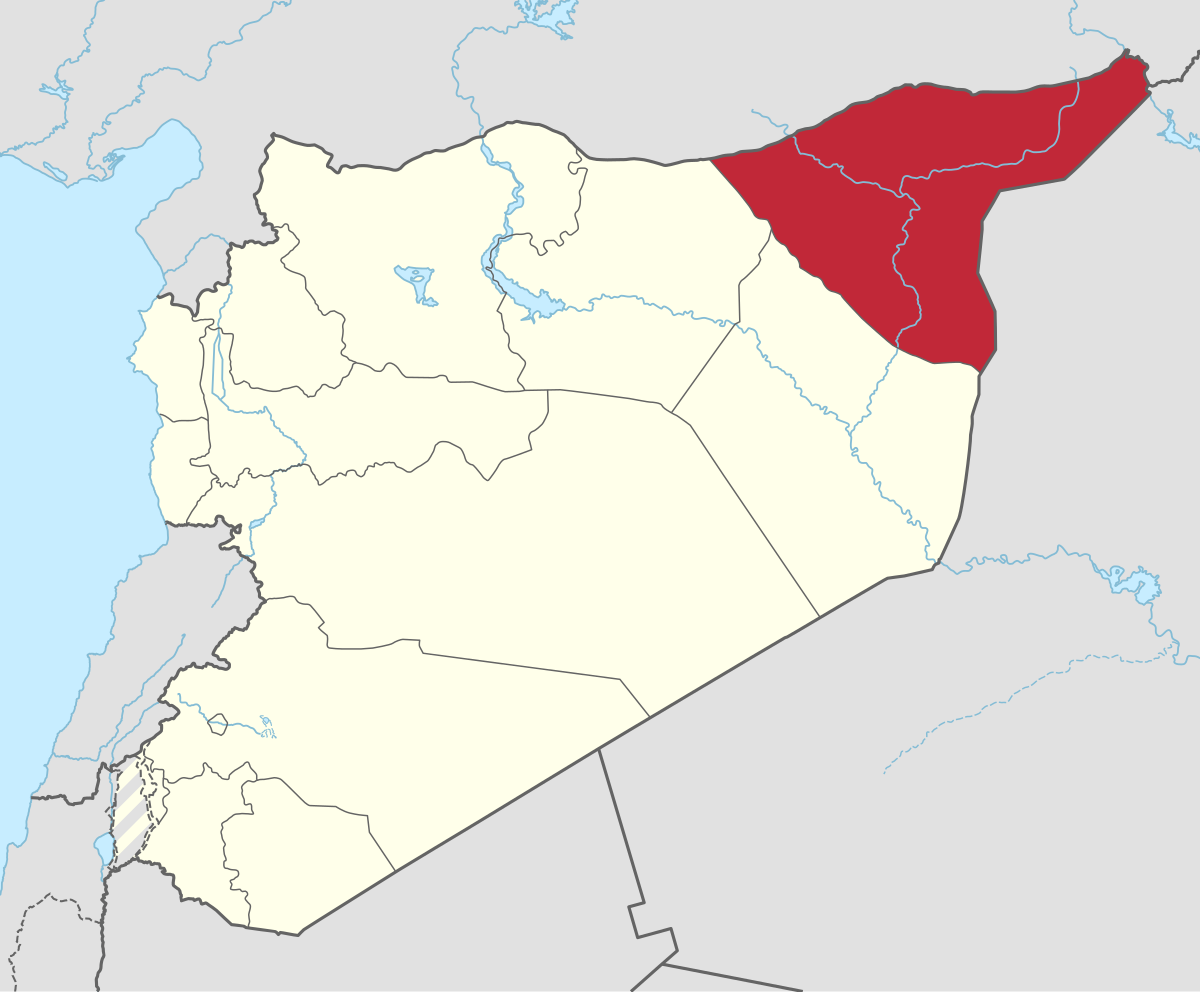
Brussels, January 2026 — According to parliament news, that political and regional officials say northeastern Syria is entering a decisive phase as arrangements tied to a Ceasefire Agreement reshape administrative authority in Hasakah. The development is being closely watched as a test of whether negotiated calm can evolve into functioning civilian governance after years of instability, fragmented authority, and inconsistent public services.
Hasakah has long stood at the crossroads of Syria’s political, social, and economic fault lines. While periods of reduced violence have offered brief relief, the absence of unified administration has left residents navigating uncertainty in daily life. The latest framework seeks to bridge this gap by linking de-escalation with the restoration of civilian institutions capable of managing services, coordination, and local governance.
Hasakah’s Strategic Importance in 2026
Located in northeastern Syria, Hasakah holds strategic weight due to its agricultural resources, trade routes, and diverse population. Its stability has direct implications for surrounding regions, making it a focal point in political negotiations. Officials involved in talks argue that the Ceasefire Agreement recognizes Hasakah’s central role and reflects a growing consensus that durable calm requires more than security coordination alone.
Past arrangements focused heavily on preventing clashes, often leaving administrative questions unresolved. As a result, basic functions such as licensing, healthcare management, and education oversight remained inconsistent. The current approach represents an effort to address these shortcomings through structured governance measures.
Moving From Military Calm to Civil Governance
A defining feature of the current Ceasefire Agreement is its emphasis on civilian administration as a foundation for stability. Rather than treating governance as an afterthought, the framework places it at the core of post-ceasefire planning. Officials say this shift reflects lessons learned from earlier pauses in fighting that failed to deliver tangible benefits to civilians.
Civil governance is viewed as the mechanism through which calm can translate into everyday normalcy. Schools reopening regularly, clinics operating reliably, and municipal services functioning predictably are seen as essential indicators of progress.
Administrative Authority and Institutional Clarity
The framework outlines principles for restoring recognizable administrative authority in Hasakah. The Ceasefire Agreement envisions a clearer division between civilian oversight and security responsibilities, aiming to reduce overlap and confusion. Local councils and service departments are expected to operate within a unified administrative structure, improving coordination and accountability.
Governance experts note that institutional clarity is critical in rebuilding public trust. When residents know which authority is responsible for services and decision-making, grievances can be addressed more effectively, reducing frustration and tension.
Security Coordination in a Civilian Context
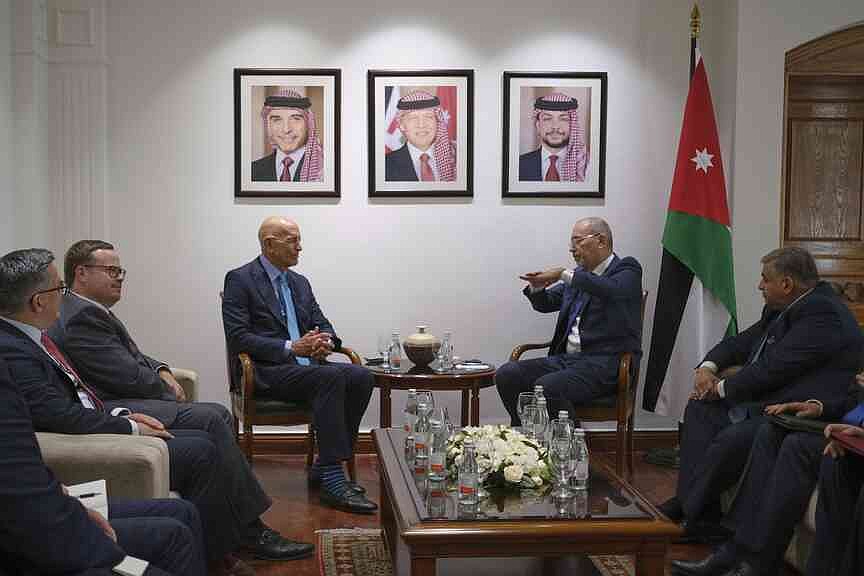
Security remains a sensitive but unavoidable element of the transition. Under the Ceasefire Agreement, coordination mechanisms are designed to prevent escalation while allowing civilian life to proceed with fewer disruptions. Rather than expanding security presence, the emphasis is on communication, predictability, and restraint.
Residents have long cited inconsistent checkpoints and unclear command structures as daily challenges. Officials hope that streamlined coordination will ease movement, support commerce, and create a less intimidating environment for civilians.
Public Services as the Measure of Credibility
For many in Hasakah, the credibility of the Ceasefire Agreement will be judged by improvements in public services. Years of instability have strained healthcare facilities, disrupted education, and damaged infrastructure. Restoring these services is seen as essential to rebuilding confidence in governance.
Education authorities stress the importance of regular schooling and standardized curricula, while health officials highlight the need for reliable primary care. Municipal services such as water, electricity, and waste management are also central to public expectations.
Economic Life and Market Confidence
Economic activity in Hasakah has been constrained by administrative uncertainty and fragmented oversight. Farmers and traders often face unclear regulations and inconsistent enforcement. The Ceasefire Agreement seeks to address this by clarifying administrative authority and simplifying procedures related to licensing and taxation.
Economists argue that even incremental improvements in regulatory clarity can encourage local investment. Predictable governance, they say, lays the groundwork for market recovery and job creation, even in the absence of large-scale reconstruction.
Humanitarian Coordination and Civil Oversight
Humanitarian organizations continue to provide essential assistance in Hasakah. The Ceasefire Agreement encourages closer coordination between civil authorities and aid agencies, aiming to streamline access and improve accountability. Aid workers say that having a consistent administrative counterpart can significantly enhance planning and effectiveness.
Better coordination may also help align emergency assistance with longer-term development goals, reducing dependency and supporting sustainable recovery.
Political Signals Beyond Hasakah
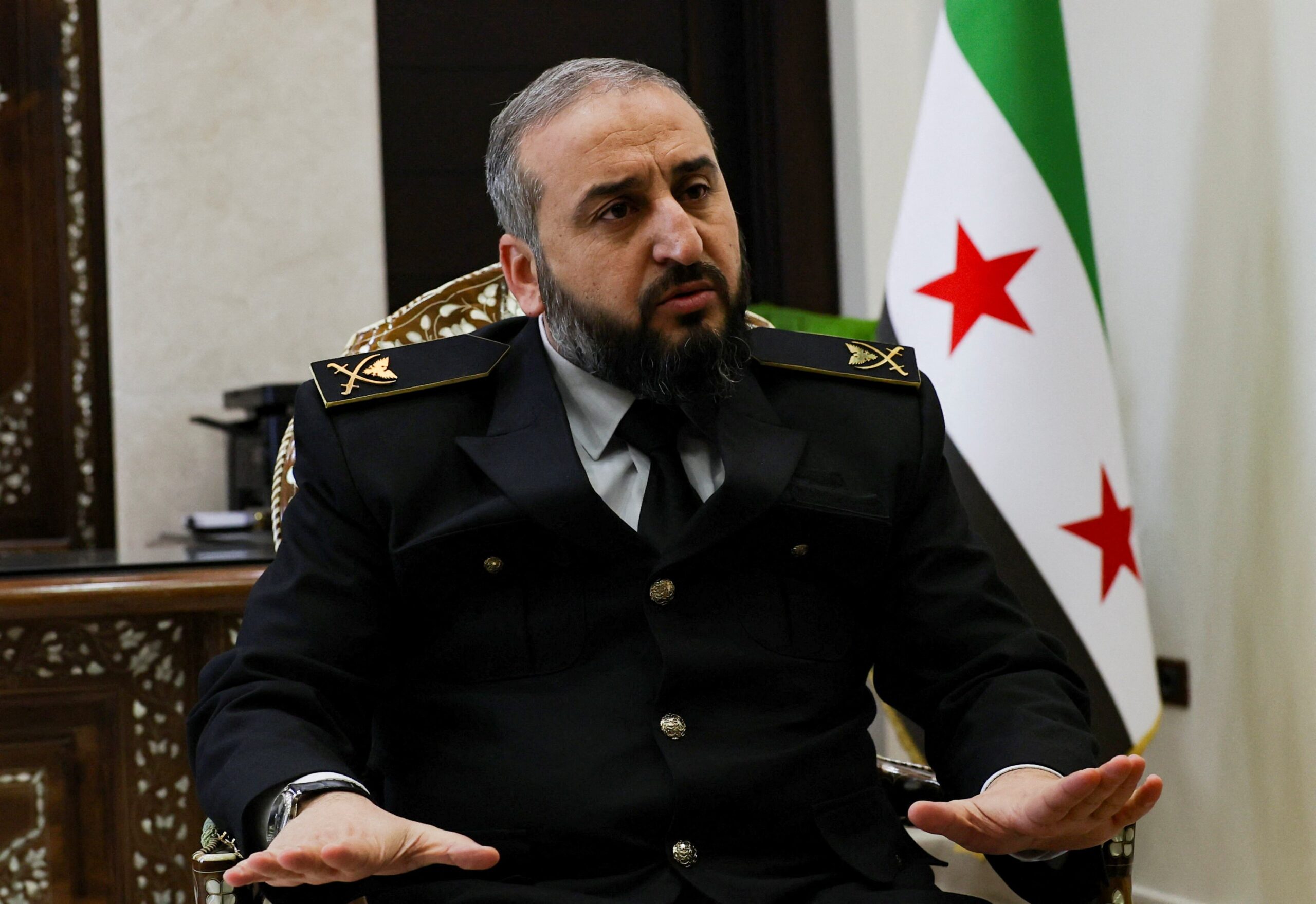
Politically, the framework sends signals beyond northeastern Syria. By embedding governance into a security arrangement, the Ceasefire Agreement reflects a shift in how negotiated calm is conceptualized. Observers suggest this approach may influence future discussions in other regions facing similar challenges.
One official involved in the process said,
“A ceasefire only endures when people feel its benefits in their daily lives.”
The statement underscores the belief that civilian outcomes are central to the success of political agreements.
Challenges and Risks in Implementation
Despite cautious optimism, the transition faces significant challenges. Implementing the Ceasefire Agreement will require sustained political support, resources, and cooperation among diverse actors. Disputes over authority, funding limitations, and competing interests could complicate progress.
Officials acknowledge that setbacks are possible and emphasize the importance of flexibility. Oversight mechanisms are expected to monitor developments and address emerging issues, but their effectiveness will be tested over time.
Community Reactions and Public Expectations
Public reactions in Hasakah have been mixed. Some residents welcome the prospect of clearer administration and improved services, while others remain skeptical after years of unmet promises. Community leaders stress that transparency and consultation will be essential to building legitimacy.
Managing expectations is seen as a critical task. Authorities caution that change will be gradual, but visible progress will be necessary to maintain public support.
Social Cohesion and Civic Participation
Beyond formal institutions, the transition places renewed emphasis on social cohesion. Civic engagement initiatives are being discussed as a way to encourage participation in local decision-making and bridge social divides.
Sociologists note that inclusive governance processes can reduce tensions and foster a sense of shared ownership over public institutions, strengthening long-term stability.
Infrastructure, Environment, and Sustainability
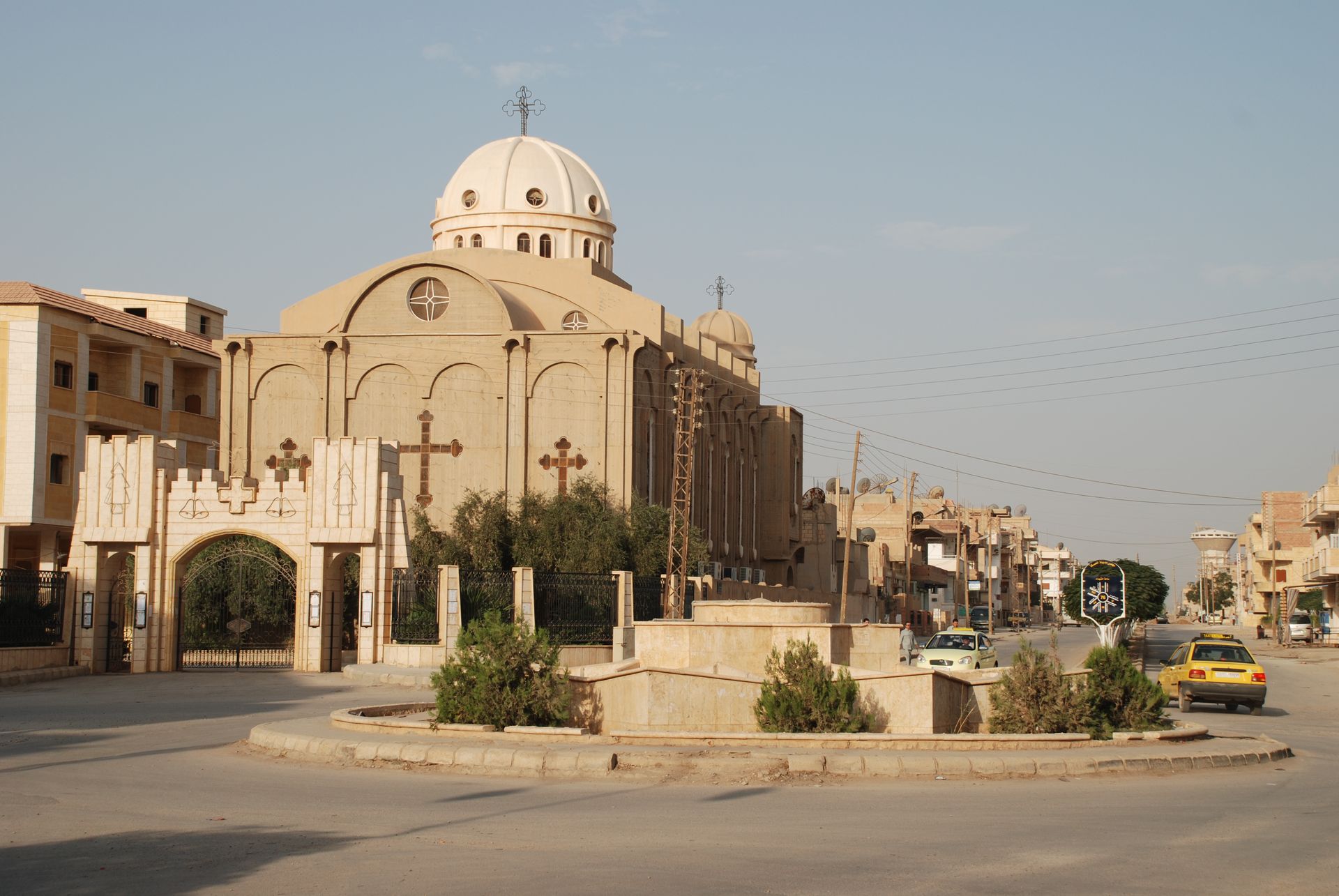
Infrastructure rehabilitation is another priority linked to governance reform. Water systems, roads, and electricity networks require coordinated planning and investment. Environmental challenges, including water scarcity, add urgency to the need for effective administration.
Planners argue that sustainable infrastructure not only supports economic recovery but also reduces vulnerability to future shocks, making governance reform a long-term investment.
Regional and Diplomatic Observations
Developments in Hasakah are being closely observed by regional and international stakeholders. While the framework is domestically focused, its outcomes could influence broader diplomatic calculations related to Syria’s future.
Consistent administration in northeastern Syria may affect cross-regional coordination and perceptions of political viability, even as external dynamics remain complex.
Measuring Progress Over Time
Assessing the impact of the Ceasefire Agreement will require patience and clear benchmarks. Indicators such as service delivery, economic activity, and reductions in security incidents will provide insight into progress.
Authorities stress that communicating incremental gains will be important to sustaining public confidence during the transition.
Hasakah’s Place in Syria’s Evolving Landscape
Hasakah’s experience under the new framework may shape future governance debates across Syria. Whether the transition delivers tangible improvements will depend on implementation, trust-building, and adaptability.
For now, the city stands at the center of an experiment that seeks to transform negotiated calm into functional civilian governance.
Looking Ahead in 2026
As attention shifts from negotiation to implementation, the focus increasingly rests on institutions rather than agreements. The durability of the current arrangement will be judged by its impact on everyday life.
The coming months will reveal whether administrative normalization can take root under fragile calm, offering lessons for other regions.
Why the Hasakah Transition Matters
By linking de-escalation with civilian administration, the Hasakah framework represents a significant evolution in conflict management. Its success or failure will influence perceptions of whether ceasefires can serve as gateways to recovery rather than temporary pauses.
In 2026, Hasakah’s transition stands as a defining test of governance after conflict, with implications that extend well beyond the city itself.