

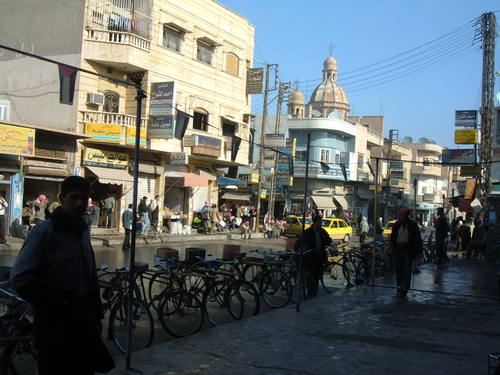
Brussels, January 2026 — According to parliament news ,that diplomats and observers say the regional leaders meeting convened in the Belgian capital marks a pivotal moment for discussions on governance, stability, and political coordination in Syria’s Hasakah province. Representatives from across the region arrived in Brussels against a backdrop of lingering conflict impacts, humanitarian pressure, and unresolved administrative arrangements in northeastern Syria. The talks reflect a growing consensus that fragmented governance structures in Hasakah continue to affect security, civilian life, and cross border relations well beyond the province itself.
Hasakah Province and Its Strategic Importance
Hasakah province occupies a crucial position in northeastern Syria. Bordering multiple regional actors and hosting a diverse mix of communities, the province has long been a focal point for agricultural production, energy resources, and transit routes. Its strategic location has amplified the political significance of governance decisions taken there.
Participants at the regional leaders meeting view Hasakah not only as a local issue but as a lens through which broader regional stability can be assessed. The province’s administrative future is increasingly seen as a benchmark for how post conflict governance may evolve in other contested areas.
Historical Evolution of Governance Structures
Before the Syrian conflict, Hasakah was governed through centralized administrative systems overseen from Damascus. As the conflict unfolded and state authority weakened, alternative governance arrangements emerged to fill the vacuum. Over time, these arrangements became embedded in daily life, shaping service delivery and security provision.
The regional leaders meeting revisits this evolution with an understanding that governance realities cannot simply be reversed. Negotiators emphasize that any durable solution must account for institutional legacies formed during years of conflict and adaptation.
Security Dynamics Shaping the Talks
Security considerations underpin every aspect of the discussions in Brussels. Control over policing, checkpoints, and border management continues to influence political trust and civilian confidence. Within the regional leaders meeting, delegates repeatedly stress that administrative reforms cannot succeed without predictable and coordinated security frameworks.
Efforts to clarify lines of authority and responsibility are seen as essential steps toward reducing tensions and preventing renewed violence.
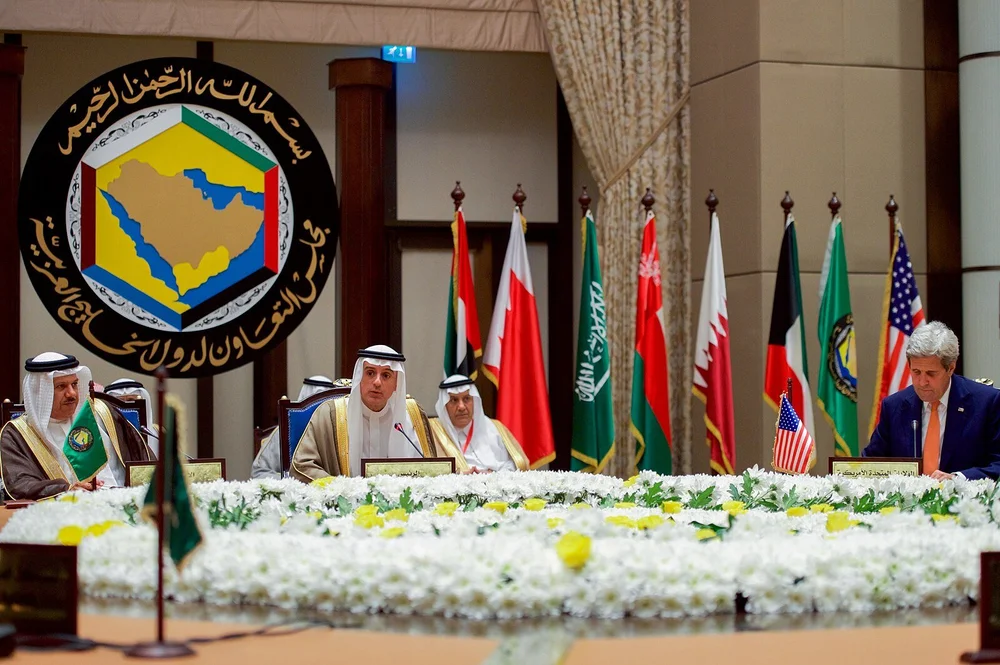
Humanitarian Pressures and Civilian Needs
Humanitarian conditions in Hasakah add urgency to governance discussions. Large segments of the population face challenges related to displacement, healthcare access, education disruptions, and infrastructure damage. Aid organizations operating in the province have long called for clearer administrative counterparts.
At the regional leaders meeting, participants acknowledge that governance clarity could significantly improve the efficiency and reach of humanitarian assistance, directly affecting civilian well being.
Economic Considerations and Resource Management
Hasakah’s economy remains heavily influenced by agriculture and energy production. Control over revenue streams and infrastructure maintenance has become a sensitive topic in negotiations. Delegates at the regional leaders meeting explore mechanisms for transparent economic governance designed to reduce competition and foster shared benefit.
Economic recovery is widely viewed as inseparable from political stability, with job creation and investment seen as key confidence builders.
Regional Interests and Diplomatic Balancing
Regional actors attending the Brussels talks bring distinct priorities shaped by security concerns, border stability, and political alliances. While interests do not always align, there is broad recognition that unmanaged instability in Hasakah could have spillover effects.
The regional leaders meeting provides a structured environment for balancing these interests, allowing for dialogue that might not be possible through bilateral channels alone.
Local Representation and Community Trust
Local leaders and civil society representatives have long argued that governance legitimacy depends on responsiveness to community needs. Consultations linked to the regional leaders meeting aim to bridge gaps between political decision makers and residents of Hasakah.
Trust building is acknowledged as a gradual process, requiring consistent engagement rather than one time agreements.
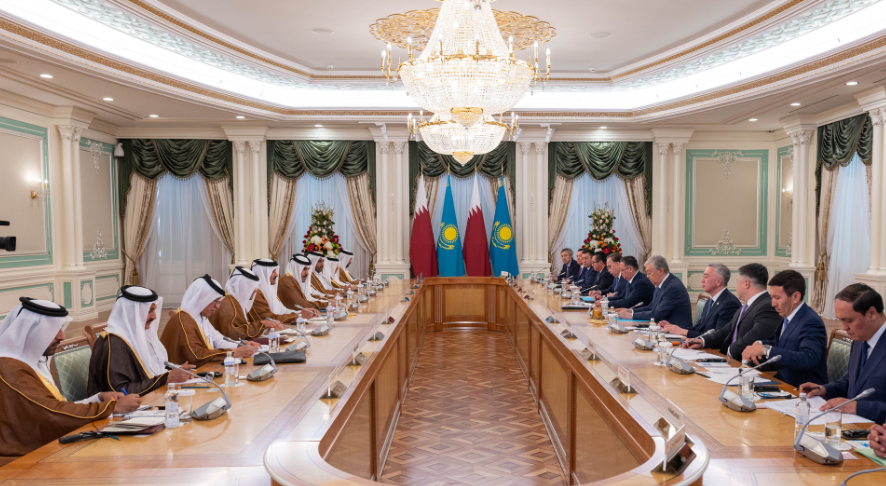
Media Attention and Public Expectations
Public scrutiny of the Brussels talks has intensified as news of the discussions circulates. Coverage of the regional leaders meeting shapes expectations among affected communities, many of whom remain skeptical after years of unfulfilled promises.
Officials therefore emphasize measured communication, highlighting progress while avoiding unrealistic projections.
Mediation Efforts and Confidence Building
Mediators play a central role in sustaining momentum. Confidence building measures such as phased implementation, joint committees, and monitoring mechanisms are discussed within the regional leaders meeting to reduce the risks associated with sudden change.
One senior mediator observed,
“Sustainable governance emerges through steady trust building rather than dramatic breakthroughs.”
Implications for Broader Syrian Political Processes
Developments in Hasakah are closely watched as potential precedents for other regions. Outcomes linked to the regional leaders meeting may inform future national level discussions by demonstrating whether localized governance compromises can endure.
Success in Hasakah could strengthen confidence in dialogue driven approaches across Syria.
Managing Timelines and Political Expectations
Participants repeatedly stress the importance of realistic timelines. The regional leaders meeting is framed as one step in a longer diplomatic process rather than a decisive endpoint.
Incremental progress, delegates argue, is preferable to rushed agreements that may lack durability.
International Observation and Support
International observers attending side sessions in Brussels assess how political developments may shape future assistance. Insights from the regional leaders meeting are expected to influence humanitarian planning and development programming.
Better alignment between political dialogue and aid delivery is increasingly emphasized as a priority.
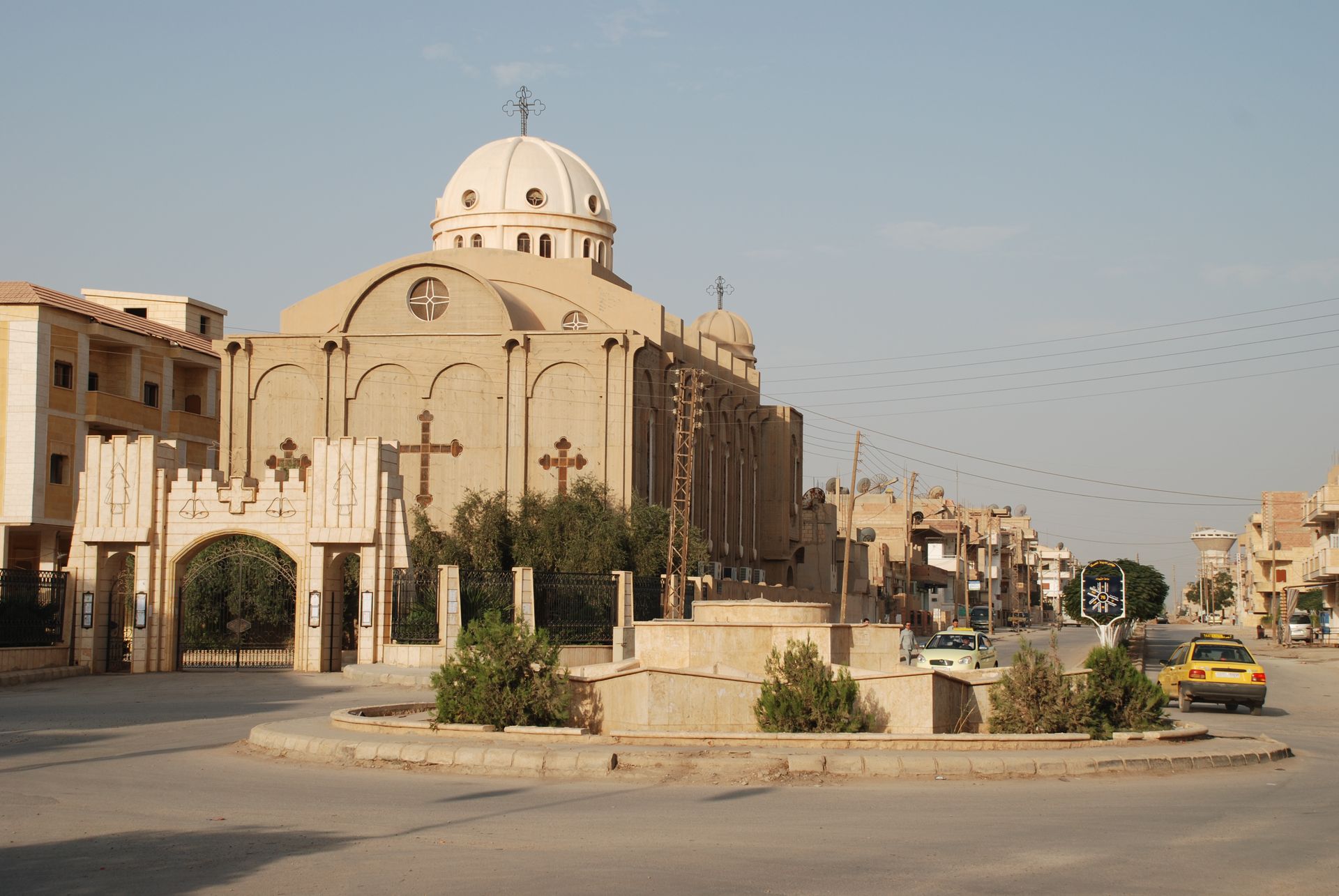
Risks of Deadlock and Fragmentation
Despite cautious optimism, risks remain substantial. Deep rooted mistrust, unresolved security issues, and competing economic interests could stall progress. Within the regional leaders meeting, participants openly acknowledge these challenges while emphasizing the high cost of inaction.
Failure to advance could entrench fragmentation and prolong humanitarian suffering.
Prospects for Incremental Agreements
Some officials anticipate limited technical agreements as early outcomes. The regional leaders meeting allows such steps to emerge organically, focusing on practical cooperation rather than symbolic gestures.
Even modest coordination on service delivery or security communication is viewed as a meaningful step forward.
The Role of Regional Cooperation Frameworks
Broader regional cooperation frameworks increasingly intersect with local governance discussions. Participants highlight the need to align Hasakah arrangements with wider regional initiatives on trade, border management, and security coordination.
The regional leaders meeting thus serves as a bridge between local realities and regional strategic thinking.
Youth, Education, and Long Term Stability
Education and youth engagement feature prominently in side discussions. Years of conflict have disrupted schooling and limited opportunities for young people in Hasakah. Delegates argue that governance models must prioritize education access and vocational training to support long term stability.
Investment in youth is framed as a preventative measure against future instability.
Environmental and Infrastructure Challenges
Environmental degradation and infrastructure decay compound governance challenges. Water management, electricity supply, and road networks require coordinated planning. Participants at the regional leaders meeting discuss how shared infrastructure projects could foster cooperation while addressing urgent needs.
Such initiatives are seen as tangible ways to demonstrate the benefits of collaboration.
Gender Perspectives in Governance
Gender inclusion is increasingly recognized as essential to effective governance. Women’s groups from Hasakah have called for greater representation in decision making processes. The regional leaders meeting acknowledges these perspectives, with some delegates advocating for inclusive governance mechanisms.
Inclusive approaches are linked to broader social resilience and legitimacy.
Communication Strategies and Public Messaging
Clear communication remains a recurring theme. How decisions are presented to the public can influence acceptance and trust. Within the regional leaders meeting, officials discuss coordinated messaging strategies to ensure transparency without inflaming tensions.
Effective communication is viewed as part of governance itself rather than a secondary concern.
Long Term Outlook for Hasakah
Looking ahead, the future of Hasakah governance will depend on sustained engagement and adaptability. The regional leaders meeting underscores the complexity of translating dialogue into lasting arrangements.
Observers note that while progress may be slow, the continued willingness to engage represents a positive signal.
Hasakah as a Mirror of Regional Political Will
As deliberations continue in Brussels, the regional leaders meeting stands as a central forum for addressing governance, security, and cooperation in Hasakah province. The discussions reflect cautious realism shaped by years of conflict and negotiation fatigue. Yet they also signal a shared understanding that dialogue remains the most viable path toward stability. Whether incremental gains can be consolidated will depend on political will, local inclusion, and sustained regional commitment.