

Syria — January 2026 According to parliament news that Syria’s capital is experiencing a subtle but consequential transformation as military deployments, intelligence operations, and political signaling converge to reshape authority, placing renewed international focus on Syria conflict news at a time when the nature of the war has shifted from open confrontation to controlled containment.
While large-scale battles have largely disappeared from the streets of Damascus, the city’s security posture tells a more complex story. Checkpoints, patrols, and surveillance measures have become part of daily life, reflecting a strategy centered on prevention rather than reaction.
From Battlefield to Control Zone
The Syrian conflict has evolved significantly since its most violent years. Where once frontlines cut through neighborhoods, the struggle now unfolds through intelligence gathering, targeted arrests, and strategic deterrence.
Analysts say current Syria conflict news illustrates how power is now exercised through sustained presence rather than dramatic offensives, signaling a transition into a prolonged phase of managed instability.
Why Damascus Still Matters
As the political heart of the country, Damascus holds symbolic and strategic importance unmatched by any other city. Control over the capital represents legitimacy, continuity, and sovereignty.
For this reason, developments highlighted in Syria conflict news frequently center on Damascus, even when violence elsewhere may be more intense. Stability in the capital sends a message nationally and internationally.
Military Deployments Without Fanfares
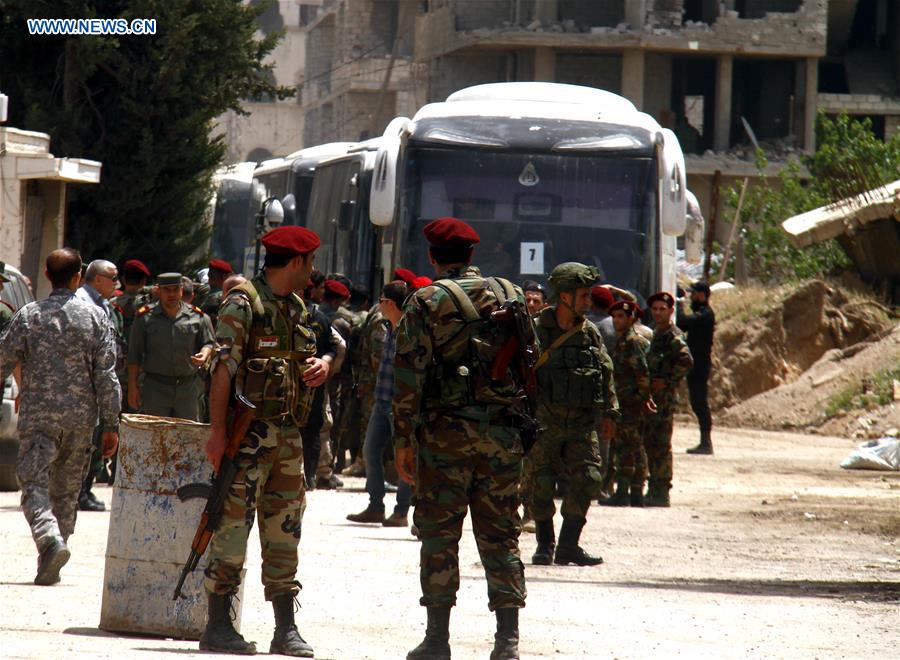
Recent weeks have seen quiet reinforcements along key access routes into Damascus. Armored vehicles are stationed near transport corridors, and rapid-response units remain on standby.
Officials describe these deployments as precautionary. Security observers note that such measures often appear in Syria conflict news during periods of regional uncertainty rather than imminent threat.
Intelligence Becomes the Primary Weapon
Unlike earlier phases of the war, intelligence operations now dominate Syria’s security strategy. Surveillance, informant networks, and digital monitoring have replaced large troop movements.
This shift makes Syria conflict news harder to interpret, as fewer developments are visible to the public and independent verification remains limited.
Rival Forces and Fragmented Authority
Although Damascus maintains firm control over the capital, rival armed groups continue to operate in other parts of the country. These groups influence national security calculations even when geographically distant.
The fragmented nature of authority ensures that Syria conflict news remains layered and complex, shaped by overlapping military, political, and regional interests.
Extremist Networks Still Pose a Threat
Despite losing territorial control, extremist organizations such as Islamic State continue to operate through sleeper cells and sporadic attacks.
Counterterrorism remains a central priority, and officials stress that developments in Syria conflict news cannot be understood without acknowledging this persistent background threat.
Civilian Life Between Stability and Vigilance
For residents of Damascus, daily life reflects cautious normalcy. Markets are active, schools operate, and public services function, yet security checks remain routine.
Many residents say they track Syria conflict news closely, using it to assess whether conditions are improving or if disruptions may be ahead.

Economic Fragility Shapes Security Choices
Syria’s economy remains under severe strain after years of conflict and sanctions. Inflation, fuel shortages, and infrastructure damage limit the state’s room for error.
Economists note that Syria conflict news often intersects with economic conditions, as even minor security disruptions can trigger price spikes or supply delays.
Regional Powers Keep a Close Watch
Developments in Damascus are closely monitored by regional actors with strategic interests in Syria’s future. Diplomatic engagement continues alongside military coordination.
Analysts say shifts reflected in Syria conflict news can influence regional calculations, signaling either stability or renewed risk.
Media Constraints and Narrative Control
Reporting from Syria remains challenging. Access restrictions, security risks, and information controls limit independent coverage.
As a result, Syria conflict news is often shaped by official statements and secondary sources, requiring careful interpretation by global audiences.
Humanitarian Conditions Remain Pressing
Despite improved access in some areas, humanitarian needs remain extensive. Aid agencies continue to navigate complex approval processes and security requirements.
Observers note that humanitarian issues increasingly appear in Syria conflict news, reflecting the long-term impact of prolonged instability on civilians.
Political Messaging and Authority Projection
Government officials frame current security measures as steps toward normalization and sovereignty. Critics argue that deeper political reconciliation remains elusive.
Such competing narratives shape Syria conflict news, influencing how developments are perceived both domestically and abroad.
A Quieter Phase With Higher Stakes
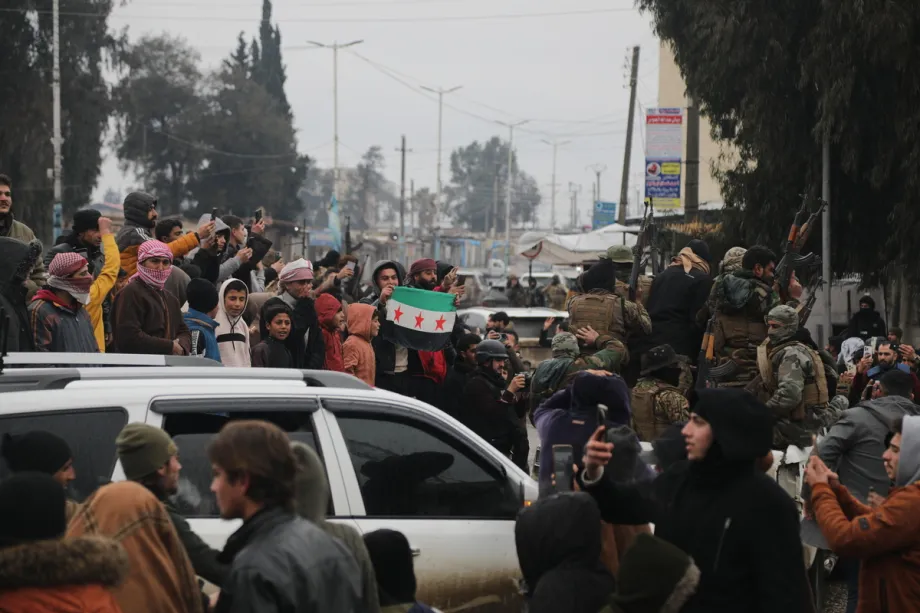
While the absence of large-scale fighting suggests calm, analysts warn that quieter phases often carry higher strategic stakes.
One regional analyst said:
“When wars grow quieter, decisions made behind the scenes often shape outcomes more than battles ever did.”
The Risk of Misinterpretation
The relative calm in Damascus could be misread as resolution. Analysts caution that unresolved grievances and fragmented governance continue to pose risks.
Understanding Syria conflict news in this context requires attention to subtle shifts rather than dramatic headlines.
Social Adaptation After Years of Conflict
Years of war have reshaped social behavior in Damascus. Residents have adapted to uncertainty, developing routines that account for security disruptions.
Sociologists say this normalization of vigilance influences how people respond to developments highlighted in Syria conflict news.
Infrastructure and Reconstruction Challenges
Rebuilding infrastructure remains a slow process, constrained by funding shortages and political conditions. Power outages and water shortages persist in some districts.
Progress or setbacks in reconstruction often surface in Syria conflict news, as infrastructure is both a symbol and a prerequisite of stability.
Youth Perspectives and Future Uncertainty
Younger generations have grown up amid conflict, shaping their expectations and aspirations. Employment opportunities remain limited, fueling emigration pressures.
Youth perspectives rarely dominate Syria conflict news, but analysts say they will shape the country’s long-term trajectory.

Security Without Resolution
Current strategies emphasize containment rather than resolution. This approach may prevent escalation but risks entrenching divisions.
As long as underlying political issues remain unresolved, Syria conflict news is likely to reflect cycles of tension rather than closure.
International Engagement Remains Conditional
International actors remain cautious, linking engagement to political progress and stability. Aid, reconstruction support, and diplomatic normalization remain conditional.
Such dynamics ensure that Syria conflict news remains closely tied to international policy debates.
Looking Beyond 2026
As Syria moves deeper into 2026, questions about governance, reconciliation, and economic recovery loom large. Security decisions made today will shape outcomes for years.
The evolving tone of Syria conflict news will serve as a barometer for whether the country is moving toward durable stability or prolonged uncertainty.
A Conflict Transformed, Not Concluded
Although the nature of the conflict has changed, its effects remain deeply embedded in Syrian society. Control has replaced chaos, but resolution remains distant.
For observers, policymakers, and citizens alike, following Syria conflict news remains essential to understanding a country still navigating the long aftermath of war.