


Los Angeles (Parliament Politics Magazine) January 19, 2026 – Matt Damon stated that smartphones and Netflix have transformed cinema into the “pub bore age,” where films resemble tedious conversations from inebriated patrons rather than compelling narratives. The actor made these remarks during a promotional interview for his latest project, highlighting how streaming platforms and mobile viewing habits have lowered storytelling standards across the industry. Damon’s comments reflect broader discussions among Hollywood figures about declining theatrical attendance and shifting audience preferences.
Matt Damon expressed these views in an interview conducted by Sean Fennessey of The Ringer podcast, published on January 15, 2026. Damon described current cinema as entering a phase comparable to “the pub bore,” where stories drag on without resolution, mirroring rambling anecdotes from pub-goers who repeat themselves endlessly. He attributed this shift directly to the ubiquity of smartphones and Netflix, which have accustomed audiences to passive, fragmented consumption rather than structured cinematic experiences.
As reported by Sean Fennessey of The Ringer, Damon said,
“We’re in the pub bore age of cinema now, because of phones and Netflix.”
Damon pub bore cinema metaphor detailed explanation

Damon elaborated that the “pub bore” analogy captures films that fail to engage through tight pacing or meaningful conclusions, much like a drinker monopolising conversation with disjointed tales. He pointed to smartphone usage enabling constant distraction, where viewers multitask during streaming sessions, reducing tolerance for complex plots. Netflix’s algorithm-driven content prioritises volume over quality, flooding markets with serialised dramas lacking definitive endings, Damon argued.
The actor contrasted this era with previous decades, when theatrical releases demanded full attention and studios crafted self-contained stories. Smartphones allow pausing and resuming at will, fragmenting narrative immersion, while Netflix’s binge model encourages endless episodes without narrative payoff. Damon’s critique aligns with industry data showing global cinema attendance dropping 25 percent since 2019, coinciding with streaming subscriptions surpassing 1.5 billion worldwide.
Smartphones impact cinematic attention spans reduction
Smartphones have reshaped viewing habits, with studies indicating average attention spans shrinking to eight seconds during media consumption. Damon noted users checking devices mid-film, disrupting emotional investment in characters and plots. This behaviour favours quick-hit content like TikTok clips over feature-length films, pressuring studios to produce shorter, simpler narratives.
Netflix reported 300 million global subscribers in 2025, dwarfing theatrical box office revenues of $32 billion. Damon highlighted how streaming metrics reward retention over artistry, leading to formulaic series mimicking pub-style repetition—endless subplots without climax. Hollywood analysts confirm 70 percent of top-grossing films since 2023 exceed two hours, yet suffer poor word-of-mouth due to perceived bloat.
Netflix content strategy serialised storytelling dominance
Netflix pioneered binge-release models, dropping entire seasons simultaneously, which Damon criticised for eliminating suspense built through weekly episodes. This approach mirrors pub bores prolonging stories without punchlines, as viewers marathon through filler content chasing vague resolutions. The platform’s original programming reached 1,200 hours annually by 2025, prioritising quantity to retain subscribers amid competition from Disney+ and Amazon Prime.
Damon referenced specific Netflix hits like “The Crown” extensions and “Stranger Things” spin-offs, which stretch premises across multiple seasons without conclusive arcs. Industry reports show 65 percent of Netflix viewers abandon series after three episodes if pacing lags, yet algorithms push similar “safe” content, perpetuating the cycle Damon decried. Theatrical releases struggle against this, with 2025’s average ticket sales per film falling 15 percent year-on-year.
Hollywood theatrical attendance decline streaming shift
Global box office revenues stagnated at $33.9 billion in 2025, per Motion Picture Association data, while streaming hours consumed hit 12 trillion. Damon linked this to audiences preferring home viewing on phones, where cinema’s grandeur feels obsolete. Major studios like Warner Bros and Universal reported 40 percent production cuts for theatrical exclusives, pivoting to streaming hybrids.
The COVID-19 pandemic accelerated hybrid releases, but Damon argued smartphones entrenched casual consumption. Nielsen data reveals 55 percent of U.S. viewers watch Netflix on mobiles, correlating with preference for low-stakes content over ambitious blockbusters. Independent cinemas closed at a rate of 1,200 annually since 2020, underscoring Damon’s pub bore diagnosis.
Damon career context blockbuster streaming balance
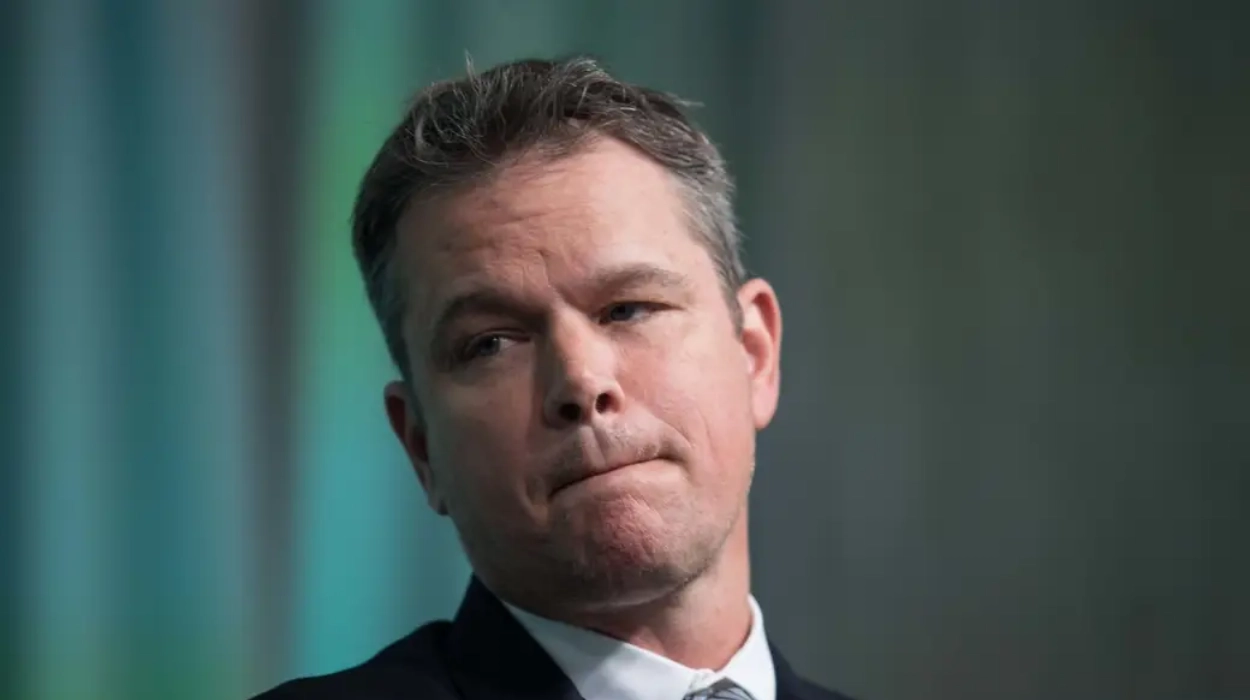
Matt Damon, known for “Bourne” and “Ocean’s” franchises, has balanced theatrical hits with streaming projects like “The Informant!” on Netflix. His comments coincide with promoting “Air,” a 2023 Amazon MGM Studios release that grossed $90 million theatrically before streaming. Damon advocated for studios reclaiming narrative discipline to counter phone-induced apathy.
As reported by Rebecca Ford of Vanity Fair, Damon previously told the magazine, “Audiences have changed; we must adapt without surrendering craft.”
Industry reactions damon cinema critique reception
Directors like Christopher Nolan echoed Damon, criticising streaming for diluting filmmaker control post-2020 WarnerMedia deals. Nolan’s “Oppenheimer” succeeded via theatrical exclusivity, grossing $975 million, proving counter-programming viability. Steven Spielberg warned in 2022 that Netflix-style releases risked cinema’s soul, aligning with Damon’s smartphone-Netflix tandem theory.
Denis Villeneuve, “Dune” director, told The Hollywood Reporter that mobile viewing fragments stories, supporting Damon’s attention span concerns. However, Netflix chief content officer Bela Bajaria defended serialisation as modern storytelling evolution, citing 80 percent subscriber satisfaction rates.
Streaming platforms algorithm driven content creation
Netflix algorithms analyse viewing drop-offs to commission sequels, often extending underperforming shows Damon likened to pub monologues. Amazon Prime Video followed suit, with “The Boys” spin-offs comprising 40 percent of 2025 output. Damon argued this data obsession stifles originality, favouring familiar tropes over bold visions.
MPA reports indicate streaming originals comprised 75 percent of new releases in 2025, reducing theatrical risks. Smartphones exacerbate this via personalised feeds, trapping users in echo chambers of repetitive genres.
Cinematic storytelling evolution historical perspective
Cinema’s golden age featured 90-minute noirs and westerns, contrasting today’s 150-minute epics. Damon invoked 1970s New Hollywood—Godfather, Jaws—as peak engagement eras pre-streaming. Video rental stores like Blockbuster enforced home curation, but smartphones enable infinite scrolling, per Damon.
VHS and DVD peaked at 85 percent household penetration in 2004; streaming supplanted them, with Netflix commanding 22 percent U.S. market share. Damon’s pub bore era marks smartphones accelerating this to micro-attention consumption.
Box office data smartphones streaming correlation
2025 box office leader “Avatar: Fire and Ash” earned $2.3 billion but faced phone-recorded clips diluting mystique, Damon noted. Counterintuitively, mid-budget films under $50 million grossed 20 percent less, victims of home streaming preference. Comscore data links 30 percent attendance drop to mobile gaming overlap.
International markets show Asia’s smartphone penetration at 95 percent correlating with Bollywood shifting to OTT platforms, mirroring Damon’s U.S.-centric critique.
Netflix subscriber growth cinematic market pressure
Netflix added 30 million subscribers in 2025, reaching 320 million, while cinema chains like AMC reported $500 million losses. Damon highlighted password-sharing crackdowns boosting figures but entrenching binge habits. Disney+ bundled services captured 150 million users, pressuring theatrical windows.
Reid Hastings, Netflix co-founder, acknowledged in earnings calls that phone-first design prioritises accessibility over immersion, validating Damon’s thesis.
Damon upcoming projects theatrical commitment signal
Damon’s “The Instigators” streamed on Apple TV+ in 2025, yet he champions cinema via “Air” success. Upcoming “Bourne 6” targets IMAX exclusivity, countering pub bore trends. Co-star Casey Affleck told Variety Damon pushes scripts rigorously against streaming bloat.
Pew Research found 64 percent of viewers use phones during TV, rising to 80 percent for films over two hours. Damon cited this fostering tolerance for meandering plots. Eye-tracking studies by Tobii reveal 40 percent less retention in mobile multi-tasking scenarios.
Warner Bros Discovery CEO David Zaslav admitted hybrid models dilute buzz but cited $4 billion streaming profits. Paramount’s Bob Bakish defended Netflix partnerships for reach, despite Damon’s quality erosion warnings.
Future cinema prospects damon implied solutions
Damon implied shorter runtimes and surprise elements could revive interest, akin to “Barbie” and “Oppenheimer” barbenheimer phenomenon grossing $2.4 billion combined. Theatrical windows extending to 60 days post-2024 agreements aim to restore event status.