

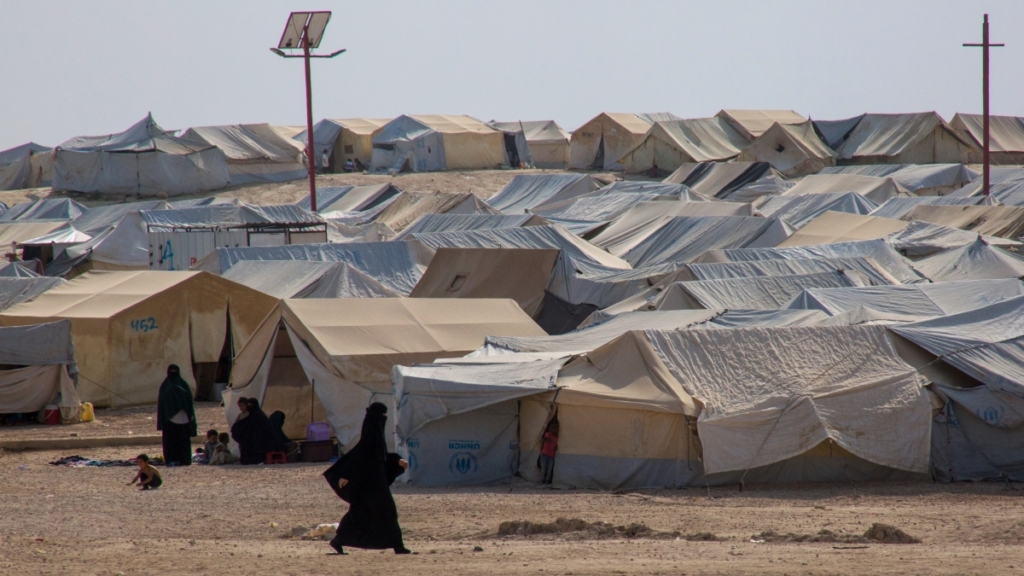
northeast Syria – January 2026. According to parliament news, that authorities in northeast Syria are advancing a sensitive security transition centered on military readiness, as plans progress for assuming control of al-Hol camp and nearby ISIL detention facilities. The development marks a pivotal moment in a region long defined by fragmented authority, humanitarian strain, and the persistent threat of extremist resurgence. Officials say the timing reflects a convergence of security assessments, regional pressures, and international concern over the long-term management of high-risk detention sites.
This shift comes as Syria navigates a broader post-conflict recalibration, where stability is increasingly measured not by battlefield victories but by the capacity to prevent crises before they erupt. Al-Hol, with its dense population and complex social dynamics, has become a focal point for this evolving approach.
al-Hol Camp and Its Place in the Conflict Landscape
Al-Hol camp is not an ordinary displacement site. Established to accommodate waves of people uprooted by years of war, it gradually evolved into one of the most sensitive security challenges in Syria. Tens of thousands of residents live within its boundaries, including women and children linked to former extremist fighters, alongside civilians with no such affiliations.
Security analysts argue that the camp’s scale alone demands a higher level of preparedness. Over time, gaps in governance, limited resources, and the sheer density of the population created vulnerabilities that could be exploited. In this context, military readiness is framed as a preventative strategy rather than an escalation, aimed at ensuring that al-Hol does not become a catalyst for renewed instability.
ISIL Detention Facilities Under Scrutiny
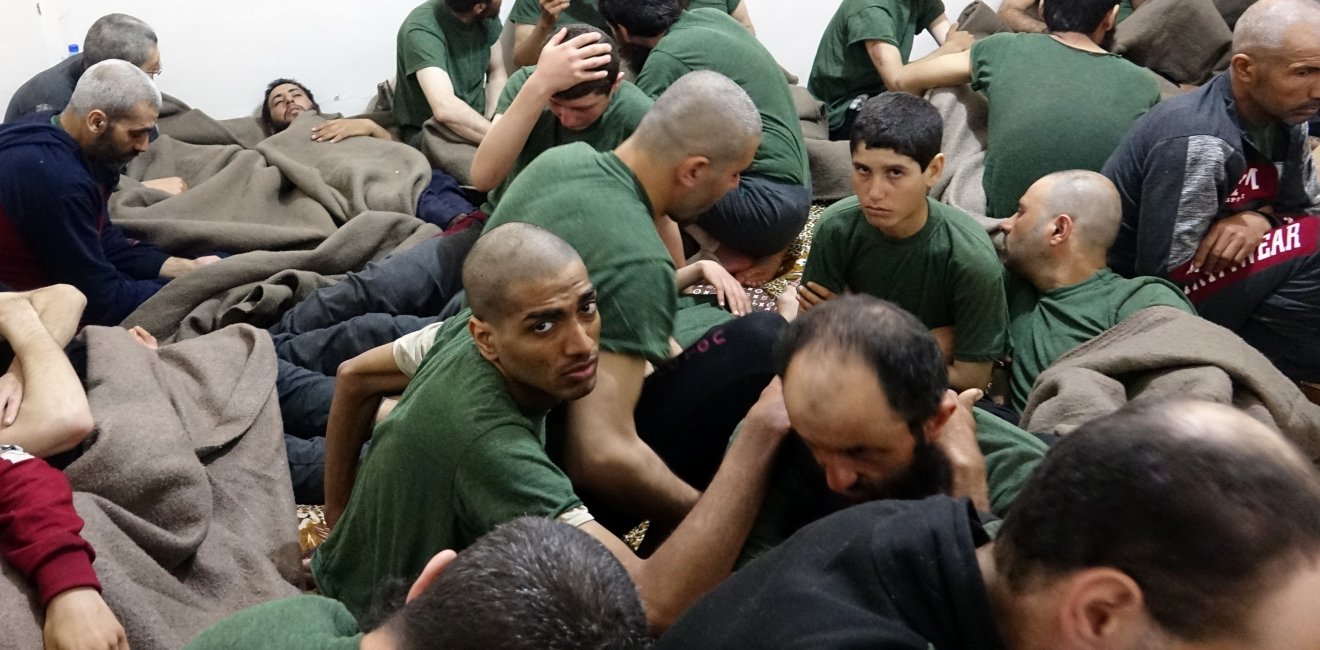
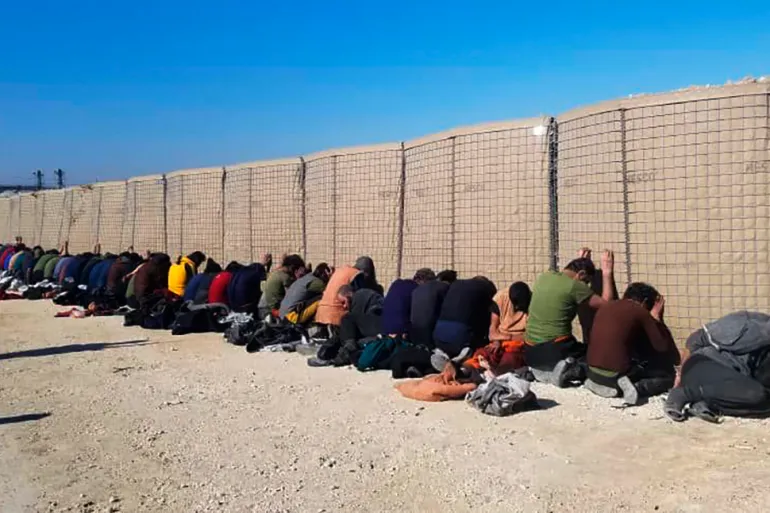
Beyond the camp itself, detention centers holding suspected ISIL members remain a persistent concern. Past incidents in Syria and the wider region have demonstrated how prison uprisings or coordinated attacks can quickly spiral into major security crises.
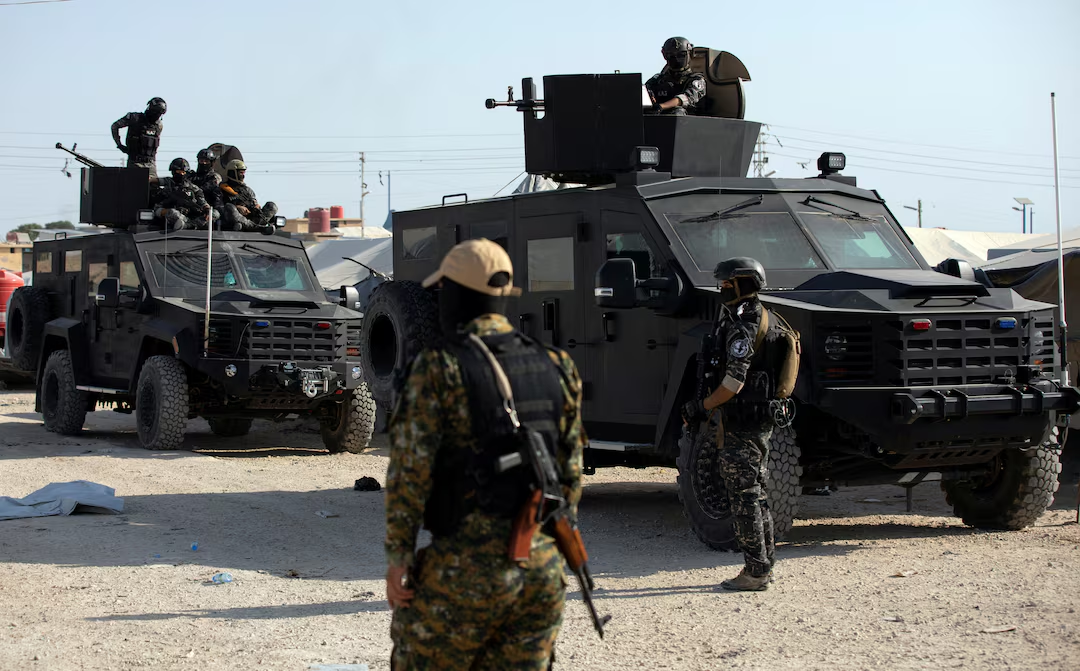
Officials familiar with current planning say the emphasis on military readiness is informed by these lessons. Strengthening perimeter defenses, improving intelligence coordination, and establishing rapid response capabilities are all seen as essential to preventing mass escapes that could destabilize not only northeast Syria but neighboring countries as well.
Why Timing Matters in 2026
The decision to move forward in 2026 is not accidental. Regional dynamics have shifted, with renewed diplomatic engagement, evolving security partnerships, and changing priorities among international actors. At the same time, fatigue among local security structures has raised concerns about sustainability.
Planners argue that focusing on military readiness now allows authorities to address risks proactively, rather than reacting to emergencies. The goal is to transition from ad hoc crisis management toward structured, long-term oversight of detention and displacement sites.
Structure of the Planned Security Transition
According to officials, the transition is designed to be gradual and coordinated. Existing security arrangements would be integrated into a unified command structure, ensuring continuity while enhancing accountability.
In this framework, military readiness encompasses training, logistics, intelligence sharing, and contingency planning. Commanders emphasize that preparedness is as much about systems and coordination as it is about personnel on the ground.
Balancing Security and Humanitarian Access
One of the most delicate aspects of the transition involves maintaining humanitarian access. Aid organizations have long operated inside al-Hol, providing food, healthcare, and basic services to residents.
Authorities insist that military readiness will not interfere with humanitarian operations. Instead, they argue that improved security can protect aid workers and residents alike, reducing incidents of intimidation and violence within the camp.
Life Inside the Camp
For residents, daily life in al-Hol is shaped by uncertainty. Many families have lived in the camp for years, with limited prospects for resettlement or return. Education opportunities are scarce, and healthcare resources are stretched.
Community workers say that enhanced military readiness could reduce internal violence and improve order, but only if accompanied by social programs addressing trauma and radicalization. Security alone, they warn, cannot resolve the underlying challenges faced by camp residents.
Regional Security Implications
The fate of al-Hol and ISIL prisons has long been a regional concern. Neighboring states worry about the potential for escapees to cross borders and reconstitute extremist networks.
Analysts suggest that a visible commitment to military readiness may reassure regional governments and reduce the risk of unilateral actions. At the same time, it underscores the shared nature of the challenge, as many detainees are foreign nationals whose legal status remains unresolved.
International Attention and Diplomatic Context
International organizations and foreign governments are closely monitoring developments. Some view stronger security oversight as overdue, while others stress the importance of transparency and adherence to international law.
Diplomatic sources say that military readiness at al-Hol will factor into future discussions on funding, repatriation, and rehabilitation programs. Stability at the camp is increasingly linked to broader counterterrorism cooperation.
Legal and Governance Questions
Expanding military oversight raises important legal questions. Who holds ultimate authority over detainees? How are rights protected? What mechanisms exist for oversight and accountability?
Experts argue that military readiness must operate within a clear legal framework to maintain legitimacy. Without such safeguards, even well-intentioned security measures could generate new grievances.
Economic Impact on Surrounding Communities
Communities near al-Hol have borne the economic and social costs of prolonged instability. Trade disruptions, security incidents, and stigma associated with the camp have hindered development.
Local leaders believe that improved military readiness could create a safer environment, encouraging investment and economic activity. However, they stress that tangible benefits must reach surrounding towns to sustain public support.
Operational Challenges on the Ground
Implementing the transition will not be simple. Managing large populations in detention and displacement settings requires specialized training, reliable funding, and constant vigilance.
Security analysts caution that military readiness must be sustained over time. Initial deployments may create stability, but long-term success depends on institutionalizing preparedness through training and resource allocation.
Countering Radicalization
Radicalization remains a persistent risk within al-Hol, particularly among younger residents exposed to extremist ideology. Addressing this challenge requires more than physical security.
Officials acknowledge that military readiness must be complemented by education, counseling, and rehabilitation initiatives. Without such measures, security gains could prove temporary.
Coordination With Local Authorities
Local governance structures play a critical role in managing daily operations. Coordination between military and civilian authorities is therefore essential.
Planners say that military readiness includes establishing clear communication channels and joint decision-making processes, reducing the risk of confusion during emergencies.
Media and Information Environment
The information landscape surrounding al-Hol is often fragmented, fueling rumors and misinformation. Transparent communication is seen as a key component of stability.
Analysts argue that military readiness should be paired with credible information strategies, ensuring that residents and the wider public understand the purpose and limits of security measures.
A Single Voice From the Security Sector
One senior security official involved in the planning said,
“Preparedness is about preventing tomorrow’s crisis, not reacting to yesterday’s.”
The statement captures the philosophy underpinning the current approach.
Long-Term Outlook for al-Hol
Looking ahead, the future of al-Hol depends on decisions made now. Security, humanitarian care, legal processes, and international cooperation are deeply intertwined.
Advocates stress that military readiness must evolve alongside political solutions, including repatriation agreements and rehabilitation pathways, to ensure lasting stability.
Implications for Syria’s Broader Recovery
The handling of al-Hol is being closely watched as a test case for post-conflict governance in Syria. Success here could offer a model for managing other sensitive sites across the country.
Observers note that military readiness in this context is not an end in itself, but a tool for creating space for political and social recovery.
Youth and the Risk of a Lost Generation
Children and adolescents make up a significant portion of al-Hol’s population. Their future prospects will shape the region’s long-term stability.
Programs addressing education and psychosocial support are seen as critical complements to military readiness, reducing the risk that young people become drawn into cycles of violence.
Environmental and Infrastructure Concerns
Overcrowding and limited infrastructure have strained the camp’s environment. Waste management, water access, and sanitation remain ongoing challenges.
Authorities say that military readiness includes contingency planning for environmental hazards, recognizing that public health crises can quickly become security issues.
The Role of International Support
International funding and expertise remain vital. Without sustained support, even well-designed security plans may falter.
Donors are expected to assess military readiness alongside humanitarian and governance indicators when determining future assistance.
A Defining Moment for Regional Stability
As preparations continue, al-Hol stands at the center of a complex web of security, humanitarian, and political considerations. The emphasis on preparedness reflects a shift in how authorities approach long-standing challenges.
Whether this focus on military readiness succeeds will depend on execution, coordination, and the willingness of international partners to share responsibility.
al-Hol and the Test of Sustainable Preparedness
This final phase will test whether structured planning can replace reactive crisis management. The outcome will shape not only the future of al-Hol, but also broader approaches to security and recovery in post-conflict Syria.
The decisions taken in 2026 may determine whether al-Hol becomes a symbol of containment and responsibility, or a reminder of unresolved global challenges.