

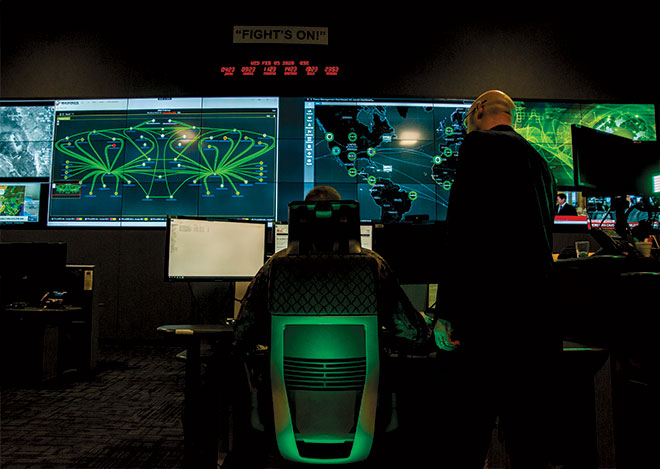
Washington, February 14, 2026 — According to Parliament News, that The acceleration of US defense tech growth is reshaping the national security landscape as private capital, Pentagon modernization programs, and artificial intelligence innovation converge in one of the most dynamic sectors of the American economy. Policymakers and industry leaders say US defense tech growth is entering a defining period driven by autonomous systems, cybersecurity advancements, and next generation battlefield software.
In recent months, funding rounds, new federal contracts, and expanded manufacturing capacity have highlighted the strength of US defense tech growth across both established contractors and emerging startups.
Pentagon Modernization Strategy
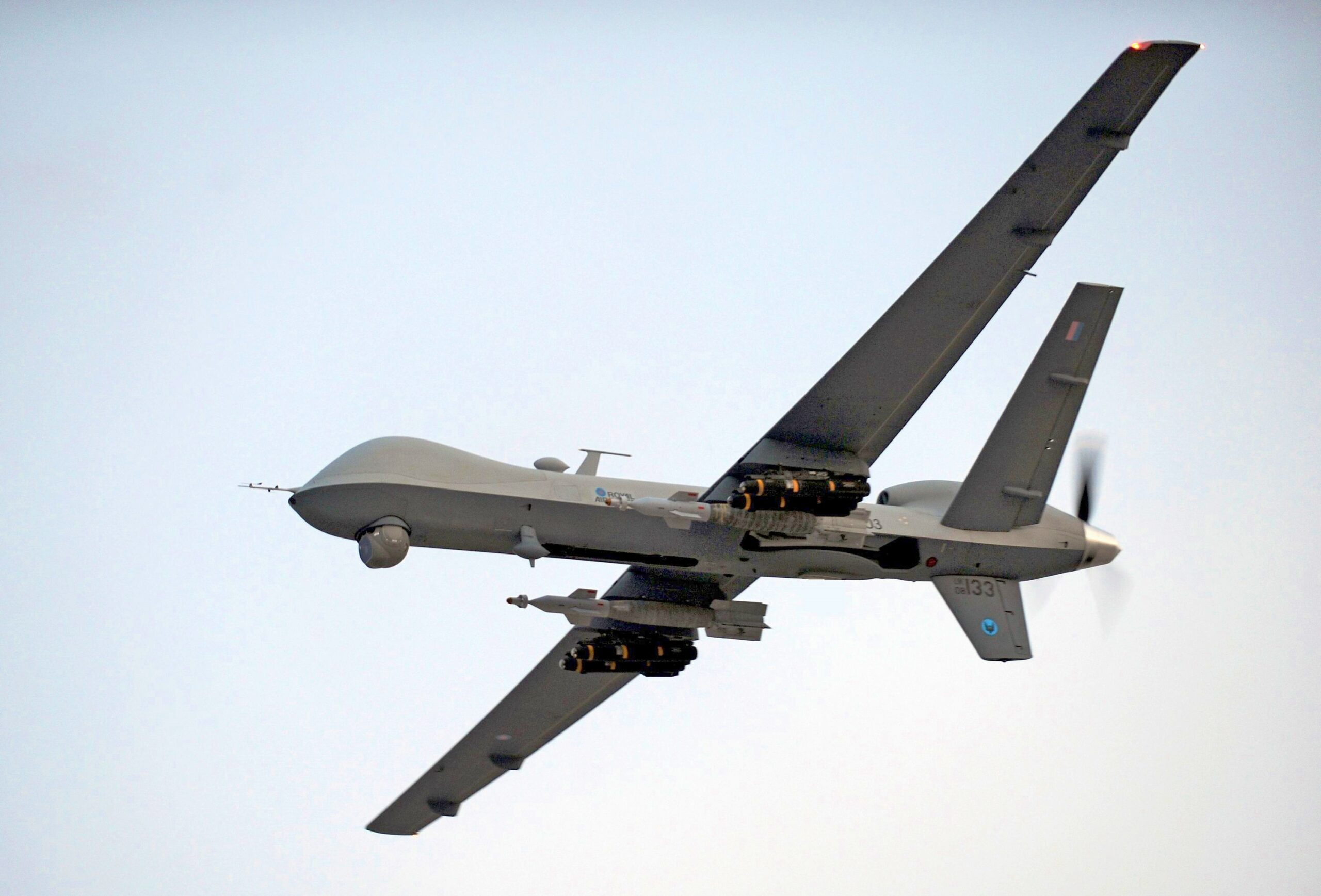
The Department of Defense has prioritized modernization programs focused on artificial intelligence, unmanned systems, and advanced data analytics. These priorities have fueled US defense tech growth by creating new procurement pipelines and encouraging collaboration between Silicon Valley and traditional defense manufacturers.
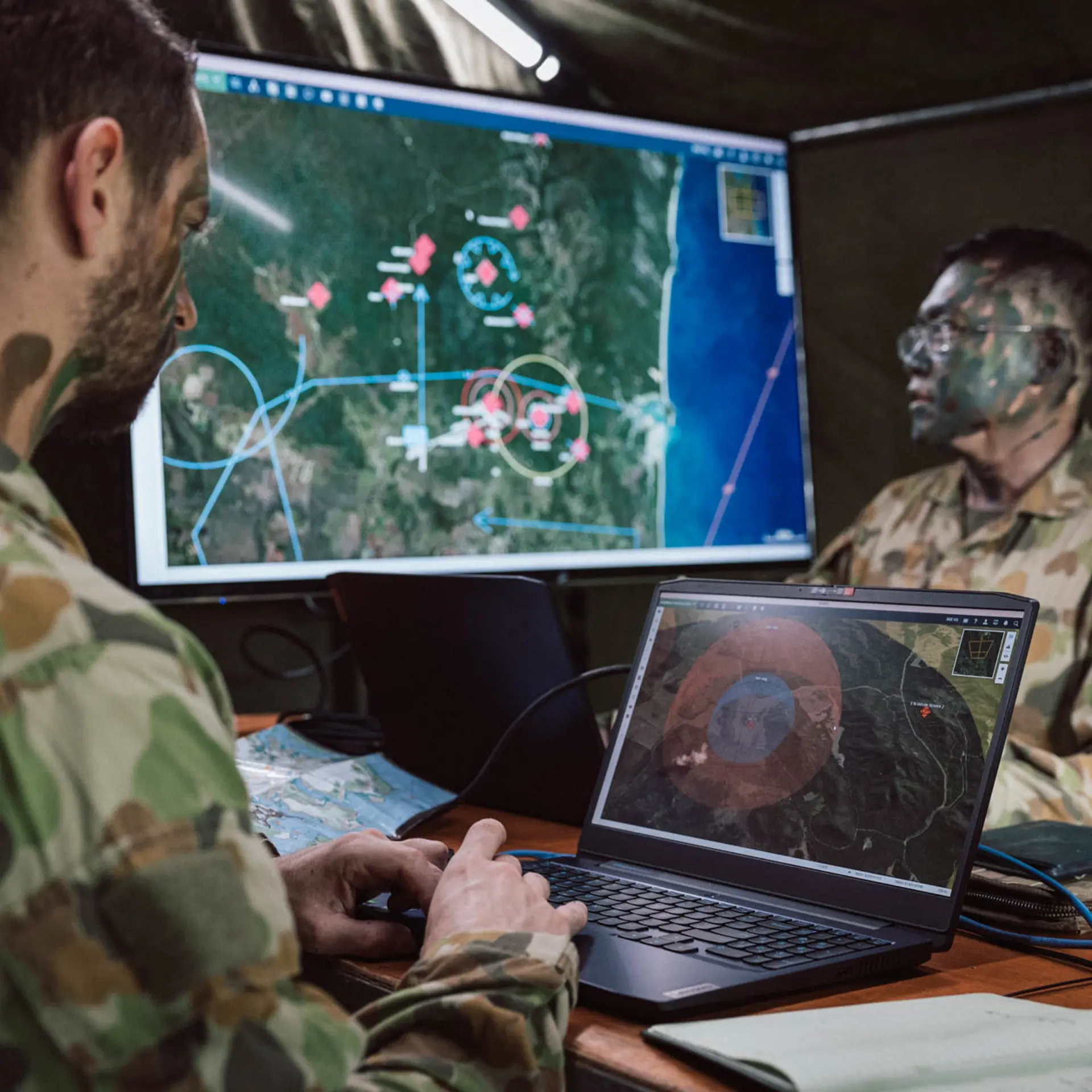
Strategic initiatives emphasize real time intelligence sharing, autonomous surveillance platforms, and predictive analytics tools designed to enhance operational efficiency. Defense officials have repeatedly stated that technological superiority remains central to national security strategy.
By aligning procurement frameworks with rapid innovation cycles, the Pentagon has reinforced the trajectory of US defense tech growth in 2026.
Private Capital and Venture Investment
Venture capital firms and institutional investors are increasingly channeling funds into defense oriented startups. Analysts observe that US defense tech growth benefits from strong government demand combined with scalable commercial applications.
Large funding rounds in autonomous drone systems, AI surveillance networks, and cybersecurity platforms have signaled investor confidence. Unlike previous decades, private sector investors now view defense technology as a resilient long term growth segment.
Market strategists argue that the intersection of national security and digital transformation has created sustainable opportunities for continued US defense tech growth.
Artificial Intelligence at the Core
Artificial intelligence remains one of the primary drivers behind US defense tech growth. Machine learning models are being integrated into threat detection systems, logistics management tools, and battlefield coordination software.
Advanced algorithms allow military operators to process vast datasets more efficiently, enabling quicker strategic decisions. AI driven predictive analytics can identify potential vulnerabilities before they escalate into operational risks.
A senior defense analyst noted,
“The speed of innovation in AI has fundamentally changed the pace of military modernization.”
Such advancements underscore how deeply artificial intelligence is embedded in US defense tech growth.
Manufacturing Expansion and Supply Chains
The resurgence of domestic manufacturing has also supported US defense tech growth. Companies are expanding production facilities to meet rising demand for drones, sensors, satellite components, and advanced electronics.
Supply chain resilience has become a strategic priority. Policymakers aim to reduce dependence on foreign suppliers while strengthening domestic industrial capacity.
Economic experts point out that localized manufacturing not only enhances security but also generates high skill employment opportunities across engineering and advanced production sectors.
Cybersecurity and Digital Protection
Cybersecurity remains a central component of US defense tech growth. As digital threats evolve, defense agencies require advanced protection systems capable of defending critical infrastructure and classified networks.
Startups specializing in encryption, intrusion detection, and cyber resilience have experienced increased contract awards. Federal funding has supported research into quantum resistant cryptography and automated threat response mechanisms.
The cybersecurity segment continues to expand as digital warfare becomes a permanent element of modern defense strategy.
Competitive Landscape and Innovation Race
Global competition in defense technology has intensified, with major powers investing heavily in AI and autonomous systems. Analysts say US defense tech growth reflects a broader strategic effort to maintain technological leadership.
Innovation clusters have formed around research universities and technology hubs, facilitating collaboration between academic researchers and defense contractors.
Sustained investment in research and development is considered essential for preserving long term strategic advantages.
Economic Impact and Employment Trends
The expansion of US defense tech growth contributes to broader economic activity. Engineering firms, data scientists, and cybersecurity professionals are increasingly in demand.
High wage employment opportunities in technology and manufacturing have strengthened regional economies near major defense installations. Venture backed startups also contribute to job creation and local investment ecosystems.
Economic analysts note that defense technology sectors often stimulate secondary industries, including advanced materials, robotics, and cloud computing.
Regulatory and Ethical Considerations
Rapid innovation brings regulatory scrutiny. Policymakers are examining export controls, AI ethics guidelines, and data governance frameworks to ensure responsible deployment.
Balancing national security interests with transparency and accountability remains a complex challenge. Lawmakers continue to debate oversight mechanisms that can adapt to evolving technologies without hindering innovation.
Regulatory clarity is seen as a stabilizing factor supporting continued US defense tech growth.
International Partnerships and Alliances
Allied nations are collaborating more closely on defense technology research and procurement. Joint exercises and shared development programs reinforce interoperability and strengthen collective security.
Technology sharing agreements allow allied forces to integrate compatible systems more effectively. These partnerships enhance the strategic depth of US defense tech growth by expanding markets and research networks.
International cooperation remains a cornerstone of long term defense planning.
Market Signals and Investor Outlook
Public market performance of defense related technology firms reflects sustained investor optimism. Analysts cite stable government contracts and multiyear procurement agreements as supportive indicators.
Institutional investors often view defense technology as a counter cyclical asset class, maintaining steady demand even during broader economic downturns.
The stability of federal budgets dedicated to modernization has reinforced projections of continued US defense tech growth through the remainder of the decade.
Innovation Beyond the Battlefield
While military applications dominate headlines, many defense technologies also influence civilian industries. Autonomous navigation systems, satellite imaging, and AI analytics often transition into commercial markets.
Technology transfer initiatives have enabled startups to adapt defense innovations for healthcare, transportation, and disaster response.
Such cross sector integration further strengthens the economic foundation of US defense tech growth.

Outlook for 2026 and Beyond
As 2026 progresses, analysts expect sustained capital inflows and continued contract announcements. The convergence of AI research, manufacturing resilience, and cybersecurity demand suggests that momentum will remain strong.
Implementation efficiency, regulatory stability, and global geopolitical conditions will shape the trajectory of US defense tech growth in the coming years.
Long term forecasts indicate that advanced defense technologies will remain central to both national security policy and economic development strategy.
From Innovation to Strategic Advantage
The current expansion phase represents more than incremental progress. It reflects a structural transformation in how the United States integrates technology into national defense planning.
If sustained responsibly, US defense tech growth may define a generation of innovation that influences global security standards and reshapes industrial capacity.
By aligning private capital, public investment, and technological ingenuity, policymakers and industry leaders are steering the sector toward a future where innovation and security move forward together.