

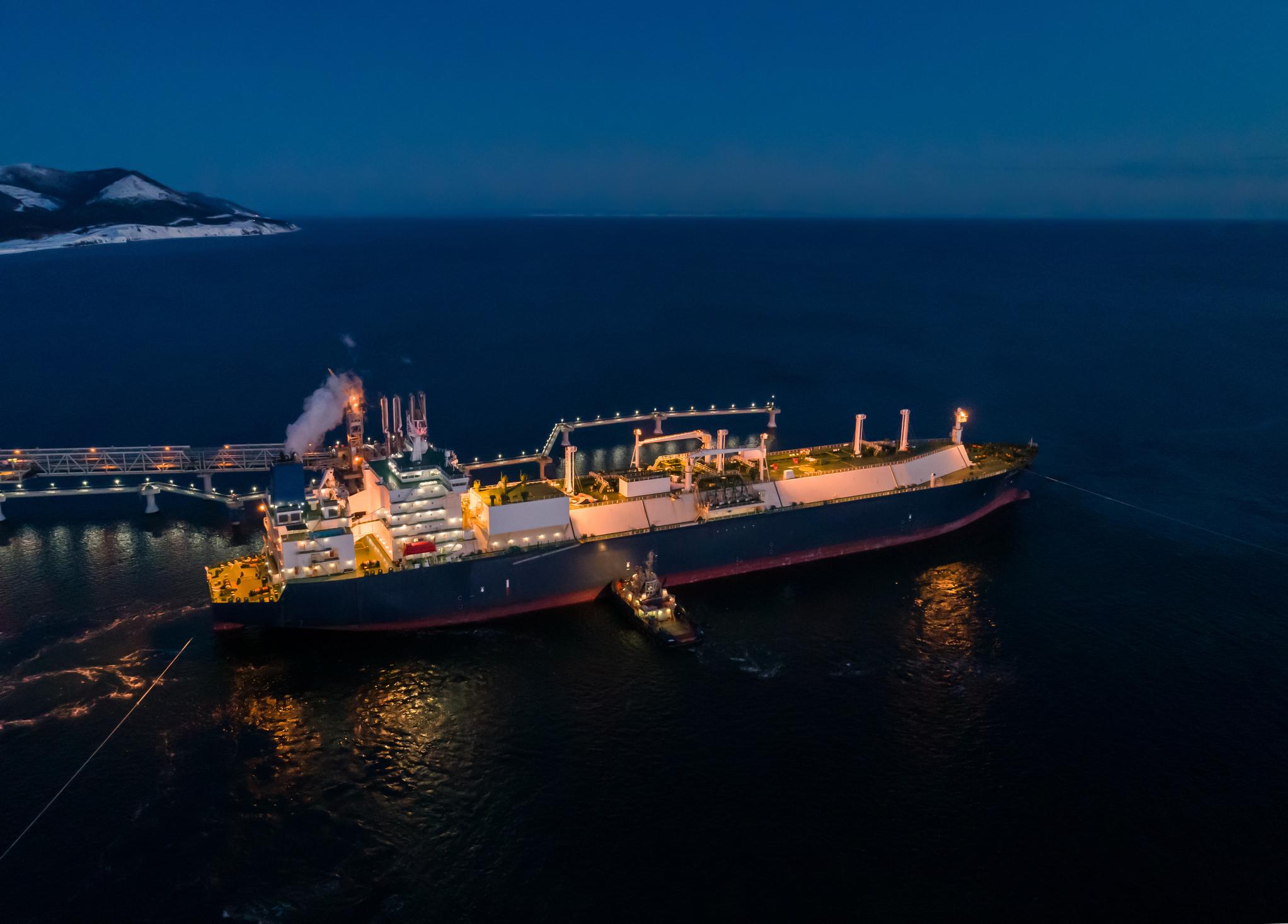
Moscow — March 6, 2026 — Parliament News — Russia is exploring a potential shift in its global energy strategy as officials consider redirecting liquefied natural gas exports away from Europe and toward Asia Pacific markets. The discussion highlights how the evolving geopolitical climate and rising global energy demand are reshaping international trade routes for natural gas.
Recent reports from Russian media outlets indicate that Deputy Prime Minister Alexander Novak held discussions with domestic energy companies regarding the possibility of rerouting LNG supplies that were once destined for Europe. The move would strengthen Russia LNG Asia Pacific trade as the country looks for stable buyers outside Western markets.
The talks come at a time when tensions between Russia and Europe remain high and the future of Russian energy exports to the European Union appears increasingly uncertain.
Russia Evaluates New Energy Markets
According to statements attributed to Novak, Russian energy officials and companies are assessing how LNG shipments could be redirected to alternative markets if European demand continues to decline. The strategy reflects a broader effort to strengthen Russia LNG Asia Pacific trade relationships with countries that continue to experience strong energy demand.
For decades Europe served as a major destination for Russian natural gas exports. However, sanctions and political disagreements following the Ukraine conflict led many European governments to accelerate plans to reduce dependence on Russian energy.
As a result, Russia has been forced to reconsider its export strategy. Liquefied natural gas provides a flexible alternative because it can be transported by ship to distant markets rather than relying solely on pipelines.
The shift toward Russia LNG Asia Pacific trade could therefore help Moscow maintain its energy revenues while building stronger economic ties with Asia.
Putin Signals Possibility of Cutting European Gas
Earlier in the week, Russian President Vladimir Putin suggested that Russia could halt gas supplies to Europe immediately if necessary. His remarks were made during a period of rising global energy prices triggered by geopolitical tensions surrounding Iran.
Putin’s comments came as European leaders continue working toward long term plans to eliminate Russian energy imports. The European Union has proposed ending imports of Russian LNG by the end of 2026 while pipeline gas imports are expected to be phased out by September 2030.
These developments have accelerated discussions about expanding Russia LNG Asia Pacific trade as Moscow seeks new destinations for its gas exports.
For Russia, shifting shipments to Asia could help offset losses caused by shrinking European demand.
Asia Pacific Demand Continues to Grow
One of the primary reasons Russia is considering this pivot is the growing demand for energy across Asia Pacific economies. Countries such as China, India, Japan, and South Korea rely heavily on imported fuels to power their industries and support economic growth.
China in particular has expanded its LNG import infrastructure over the past decade, allowing it to receive greater volumes of natural gas from global suppliers. India is also increasing its LNG consumption as it seeks to reduce reliance on coal and improve air quality.
Expanding Russia LNG Asia Pacific trade would give these countries additional supply options while providing Russia with long term energy customers.
The region’s expanding population and industrial development suggest that natural gas demand will remain strong for many years.
Infrastructure Supporting the Shift
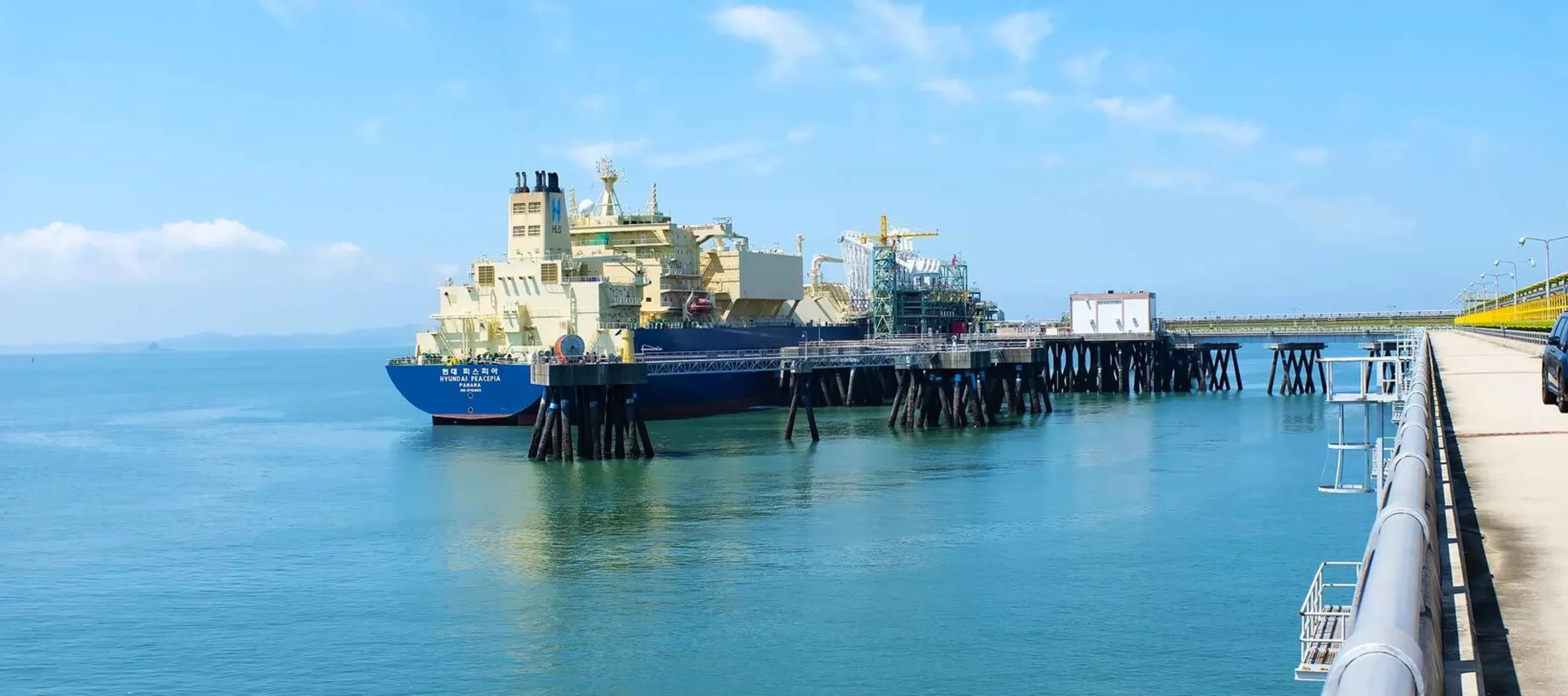
Russia has invested heavily in LNG production facilities, particularly in Arctic regions where large gas reserves are located. Projects such as Yamal LNG and Arctic LNG developments have already allowed Russia to ship liquefied gas to markets across Europe and Asia.
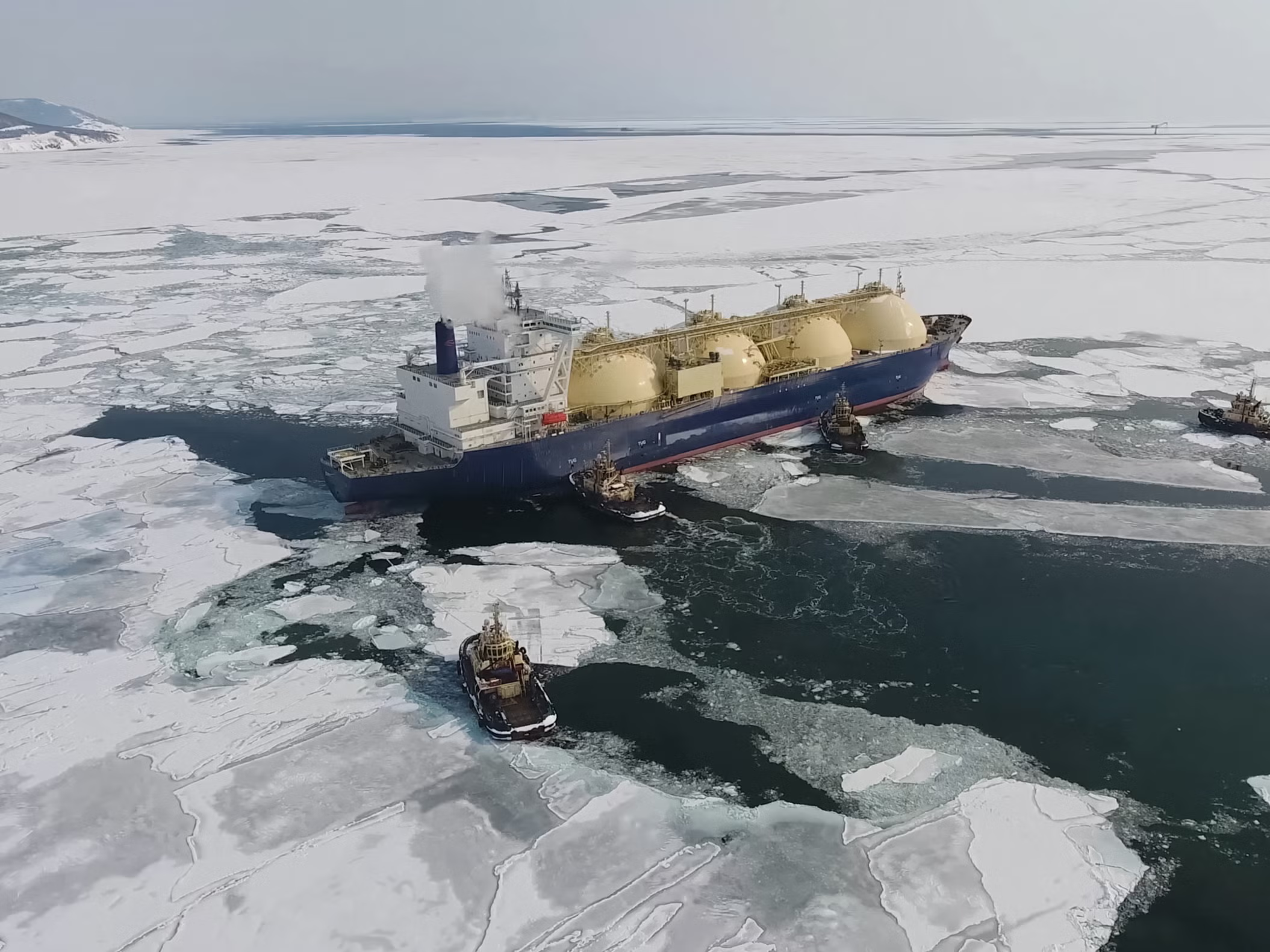
Specialized LNG carriers designed to navigate icy waters make it possible for shipments to travel along northern maritime routes. These routes can shorten transit times between Russian ports and Asian buyers during certain seasons.
By expanding infrastructure and strengthening Russia LNG Asia Pacific trade networks, Moscow could build a long term export strategy that relies less on European markets.
The strategy may also involve new partnerships with Asian investors and energy companies interested in securing reliable gas supplies.
Historical Comparison of Energy Trade Shifts
The potential pivot toward Russia LNG Asia Pacific trade mirrors earlier transformations in global energy markets. During the 1970s oil crises, many Western countries were forced to diversify their energy sources after supply disruptions from the Middle East created economic instability.
Just as those events reshaped global oil trade decades ago, today’s geopolitical tensions are reshaping natural gas markets. Europe is seeking new suppliers while Russia is looking eastward toward Asia.
These shifts demonstrate how international energy relationships can change rapidly when political and economic pressures alter supply chains.
The current transition may eventually redefine the balance of power within global gas markets much like earlier energy crises did for oil.
Expert Perspective on Russia LNG Asia Pacific Trade
Energy analysts say the potential redirection of Russian LNG could have far reaching implications for global markets. One industry observer recently explained the significance of the shift.
The Analyst Noted.
“If Russia significantly expands Russia LNG Asia Pacific trade, it will reshape global gas flows and strengthen Asia’s role as the center of future energy demand.”
Such changes could influence global LNG prices, shipping routes, and long term supply agreements between energy producers and importers.
For Asian economies, access to additional LNG supplies could enhance energy security while supporting continued industrial growth.
Challenges and Uncertainties
Despite the opportunities associated with Russia LNG Asia Pacific trade, several challenges remain.
Sanctions imposed by Western countries have complicated Russia’s access to certain technologies used in LNG production and transportation. Financing new projects may also prove more difficult as international investors weigh geopolitical risks.
Competition is another factor. Major LNG exporters such as the United States, Qatar, and Australia already supply large volumes of gas to Asian markets. Russia will need to offer competitive pricing and reliable delivery schedules to attract long term buyers.
Shipping logistics and infrastructure expansion will also play an important role in determining how quickly Russia can increase exports to Asia.
The Future of Global Gas Markets
The discussions taking place in Moscow reflect a broader transformation in the global energy economy. As political alliances shift and energy demand evolves, countries are adjusting their strategies to secure reliable supply chains and stable export revenues.
If Russia successfully expands Russia LNG Asia Pacific trade, the move could significantly reshape international energy flows over the next decade.
Asia may become the primary destination for Russian LNG while Europe increasingly relies on other suppliers.
For global markets, the outcome of these decisions will influence energy prices, trade relationships, and the long term balance of power within the natural gas industry.