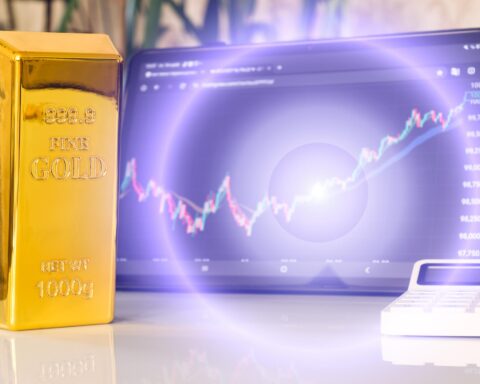
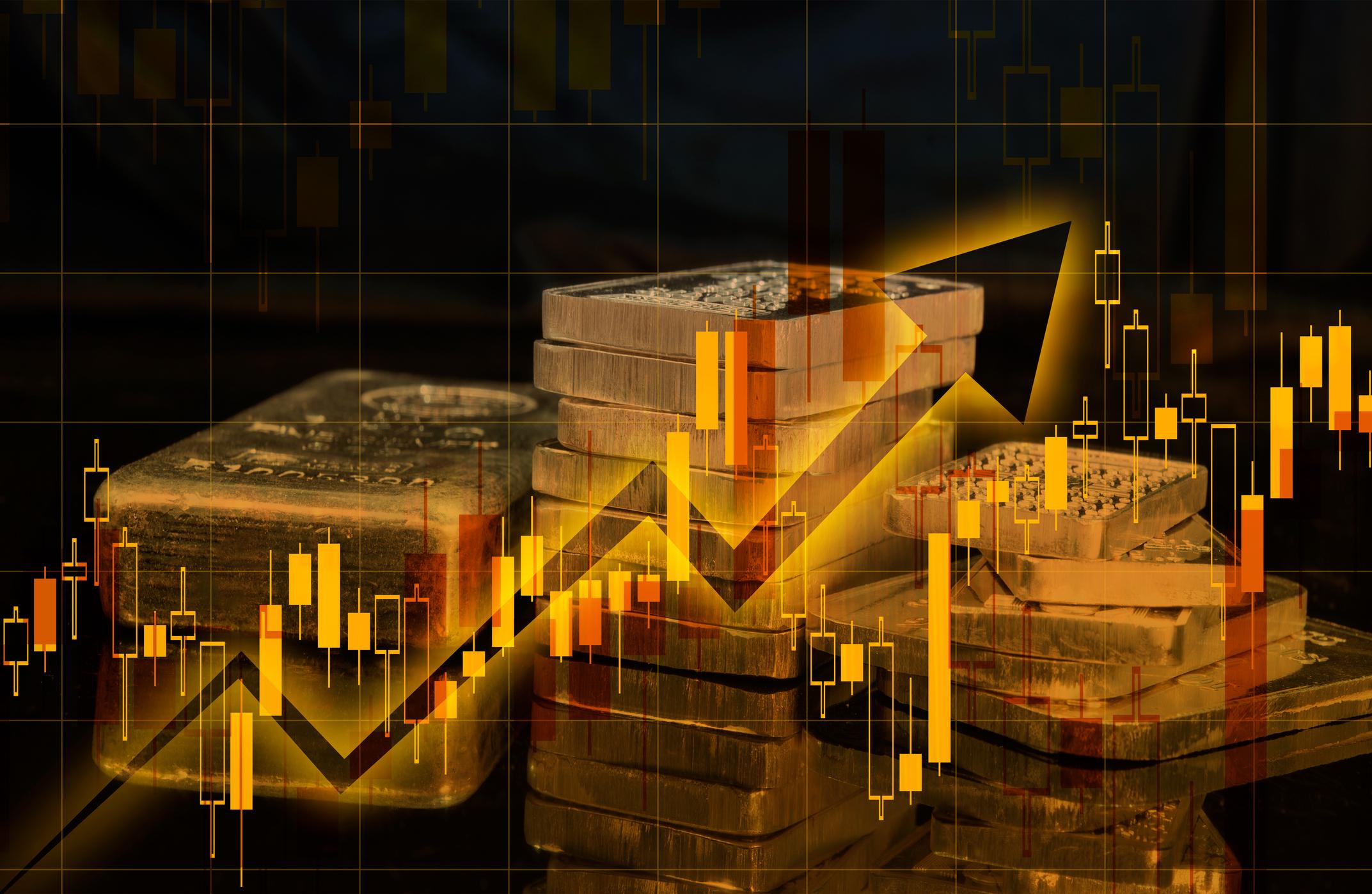
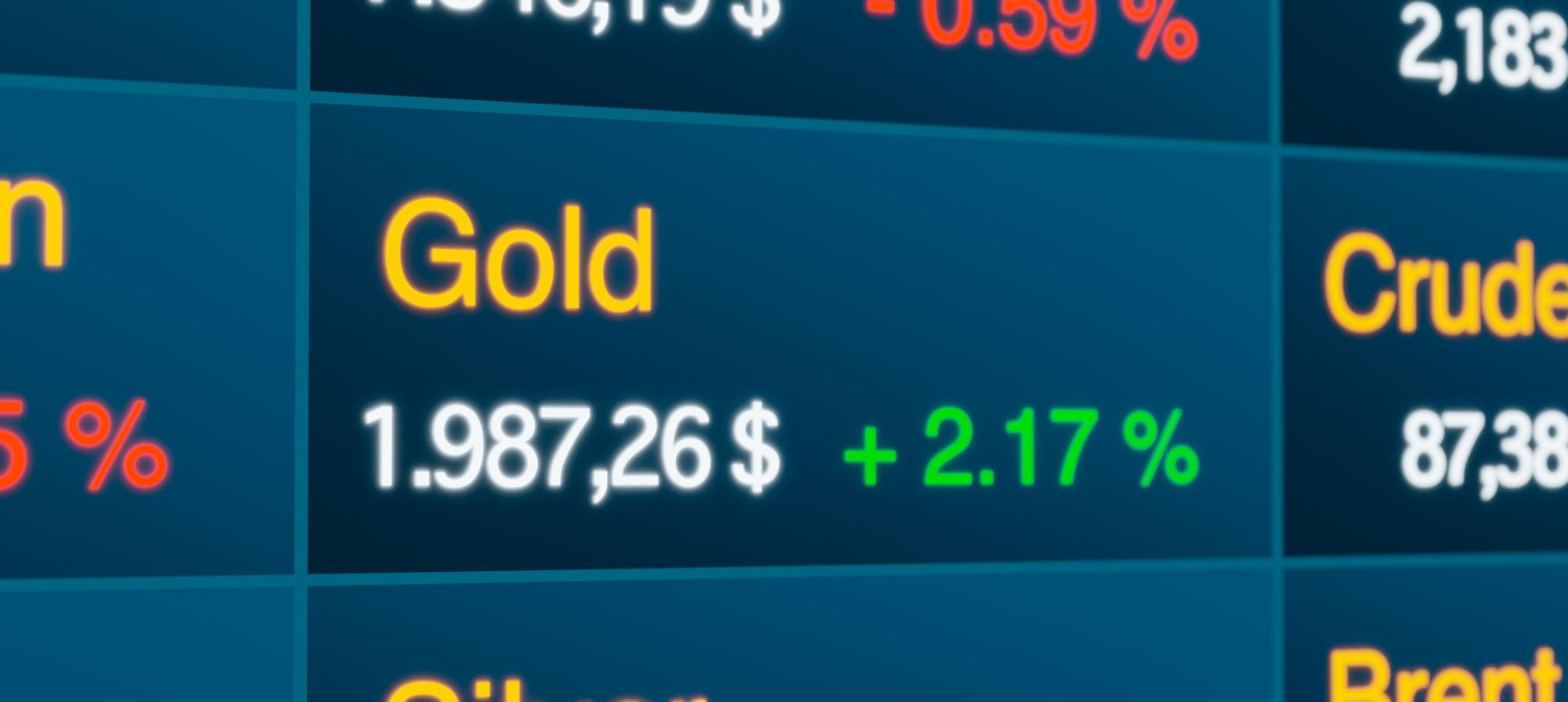
London, United Kingdom — March 4, 2026, According to Parliament News, that Rising tensions in the Middle East and growing geopolitical uncertainty across global markets are fueling a renewed surge in gold prices, highlighting what analysts describe as a major gold geopolitical crisis reaction among investors worldwide. Commodity traders reported strong buying interest as gold climbed more than one percent in early trading, reflecting a classic shift toward safe haven assets during periods of international instability.
-
Gold prices climb as investors react to geopolitical uncertainty.
-
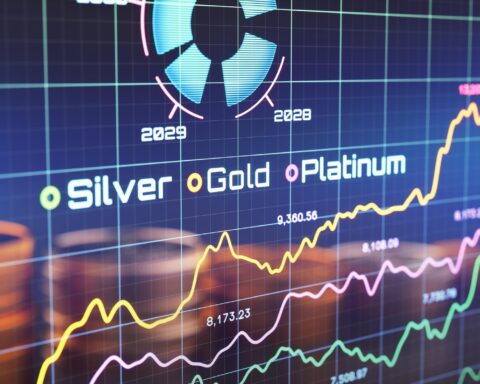
Global markets show volatility as energy prices and risk concerns increase.
-
Analysts say the gold geopolitical crisis trend is driving renewed safe haven demand.
Across global financial markets, investors are closely watching how political tensions influence commodities, currencies, and equities. The current rally in gold underscores how quickly market sentiment can change when geopolitical developments escalate.
The latest trading patterns demonstrate how the gold geopolitical crisis dynamic continues to shape global investment strategies. When uncertainty rises, many investors instinctively turn to assets that have historically preserved value during times of conflict or financial stress.
Rising Safe Haven Demand Reshapes Commodity Markets
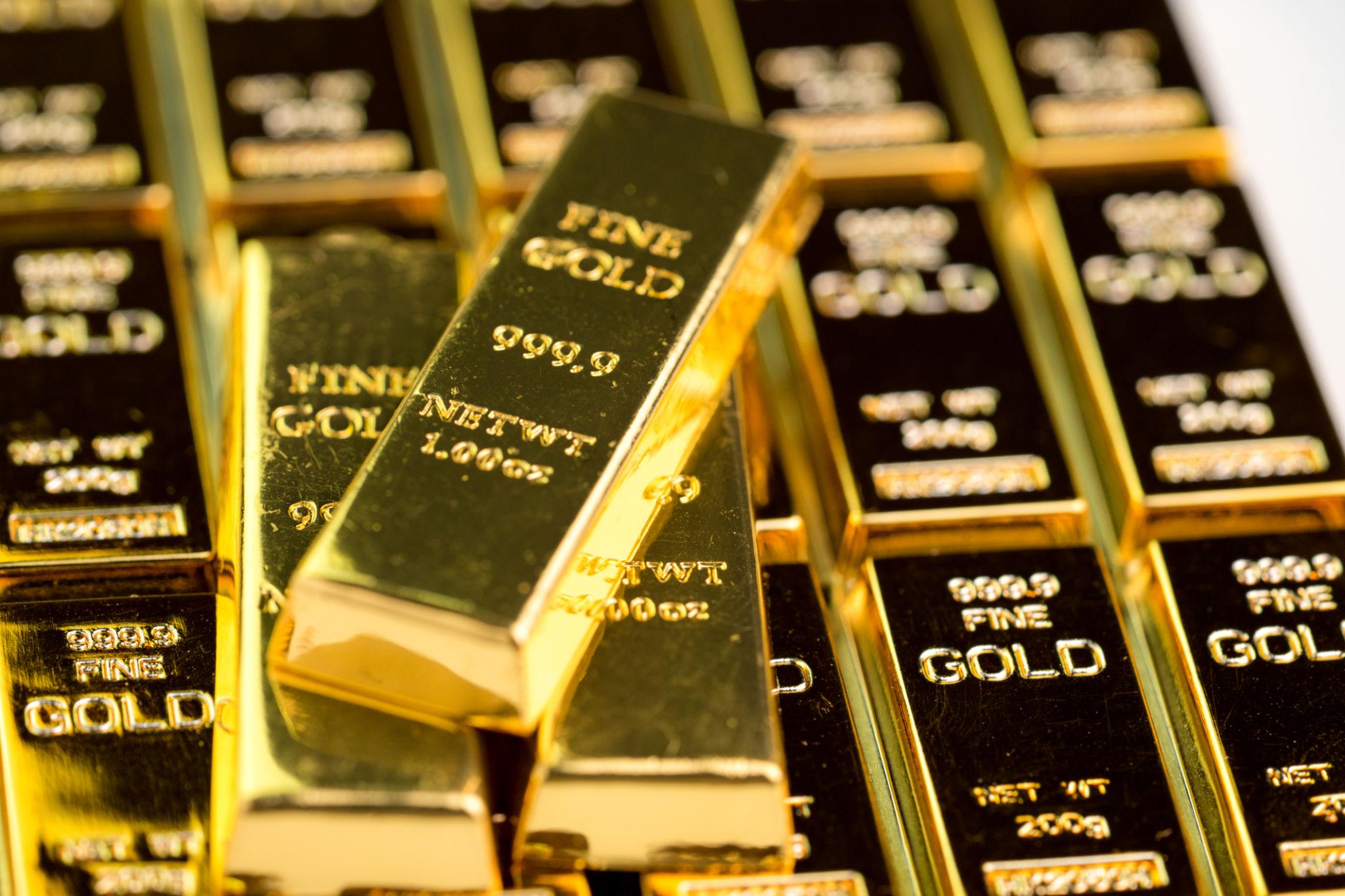
Gold has long been regarded as one of the most reliable safe haven assets during periods of uncertainty. In times of geopolitical tension, investors often seek to protect wealth by moving funds away from riskier assets such as equities and into commodities that offer stability.
This pattern is once again visible as the gold geopolitical crisis reaction spreads through global markets. Institutional investors, hedge funds, and private investors are increasing their exposure to gold as uncertainty grows about the direction of international relations and global economic stability.
The precious metal’s appeal lies partly in its independence from government policy or corporate earnings. Unlike stocks or currencies, gold is not tied directly to a single nation’s economic performance. As a result, demand often rises when political tensions create instability in financial systems.
The latest surge in the gold geopolitical crisis trend reflects this enduring investor behavior.
Energy Prices and Inflation Concerns
Another major factor contributing to rising gold prices is the behavior of global energy markets. The Middle East remains a critical region for oil production, and any instability there can quickly influence global energy prices.
When oil prices rise sharply, inflation concerns often follow. Higher energy costs affect transportation, manufacturing, and consumer goods, potentially leading to broader price increases across economies.
In such circumstances, the gold geopolitical crisis dynamic strengthens because gold is widely regarded as a hedge against inflation. Investors often increase gold holdings when they anticipate rising prices or economic uncertainty.
This relationship between energy markets and gold demand has been observed repeatedly during previous geopolitical conflicts.
Investor Psychology During Global Crises
Financial markets are driven not only by economic data but also by investor psychology. During periods of geopolitical tension, uncertainty can lead investors to seek assets perceived as stable and secure.
The gold geopolitical crisis pattern reflects this psychological dimension of financial markets. Gold’s long history as a store of value creates a sense of security for investors during uncertain times.
Institutional investors often adjust portfolios quickly when geopolitical risks increase. Even small shifts in asset allocation can influence global gold prices because of the size of modern financial markets.
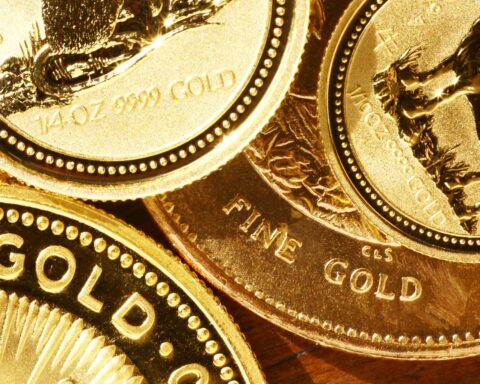
Retail investors may also follow similar strategies, purchasing gold coins, exchange traded funds, or bullion as a hedge against instability.
Together, these actions create powerful demand that drives gold prices higher during geopolitical crises.
Historical Comparison With Previous Crises
History shows that gold prices often rise during periods of global uncertainty. The connection between geopolitical conflict and gold demand has been observed repeatedly over the past century.
During the global financial crisis of 2008, investors rushed toward safe haven assets as major financial institutions faced collapse. Gold prices surged dramatically as confidence in traditional markets weakened.
Similarly, during earlier geopolitical conflicts and periods of international tension, investors increased gold holdings to protect wealth from economic instability. These historical events demonstrate how the gold geopolitical crisis phenomenon has appeared consistently during times of global stress.
Even as financial markets evolve with advanced technology and digital trading platforms, the fundamental role of gold as a protective asset remains remarkably consistent.
Central Banks and Strategic Gold Reserves
Gold demand is influenced not only by investors but also by central banks around the world. Many governments maintain significant gold reserves as part of their monetary policy strategy.
During periods of geopolitical tension, central banks sometimes increase gold holdings to strengthen financial security. These purchases can amplify the gold geopolitical crisis trend by increasing demand across global markets.
Over the past decade, several countries have expanded their gold reserves as part of broader diversification strategies. By holding gold alongside foreign currencies and government bonds, central banks aim to reduce vulnerability to financial shocks.
These strategic decisions contribute to the long term stability of gold demand within the global economy.
Market Experts Assess the Situation
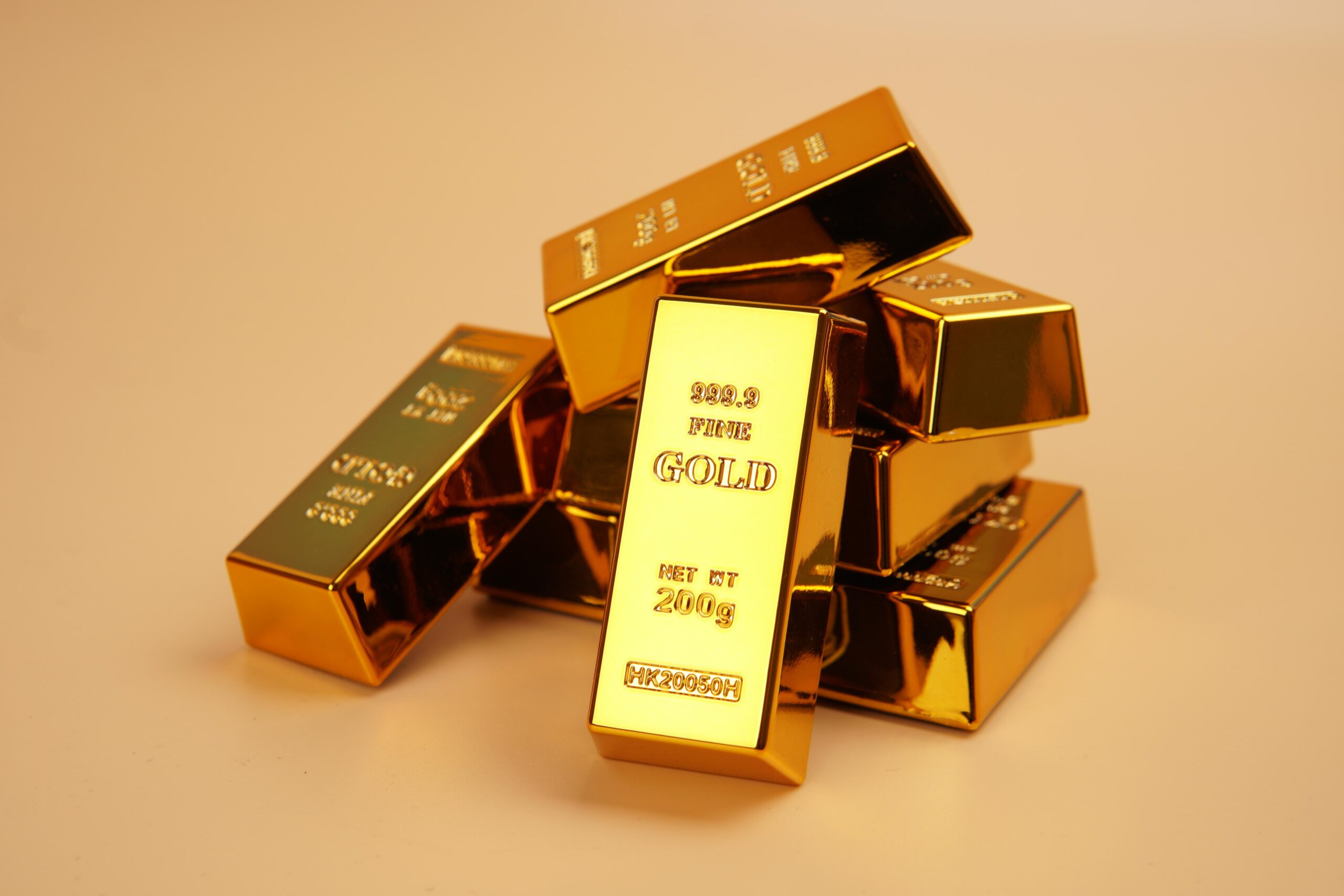
Financial analysts and commodity strategists are closely watching the evolution of geopolitical tensions to determine how long the current rally might continue.
One senior commodities strategist described the recent market movements as a classic safe haven reaction.
“Whenever geopolitical tensions escalate, gold markets tend to react quickly,”
the analyst said.
“Investors see gold as a reliable place to store value during uncertain times, which is why demand increases so rapidly.”
This view reflects a broader consensus among financial professionals that geopolitical developments often trigger swift changes in commodity markets.
Long Term Role of Gold in Global Finance
Despite fluctuations in price, gold continues to hold a unique place within the global financial system. Unlike industrial commodities such as oil or copper, gold is primarily valued as a financial asset.
Its scarcity, durability, and global recognition make it a powerful symbol of economic stability. These qualities ensure that the gold geopolitical crisis response remains relevant whenever international tensions intensify.
For centuries, gold has served as a foundation of wealth preservation across cultures and economic systems. Even today, when digital assets and complex financial instruments dominate trading floors, gold maintains its status as a trusted safe haven.
This enduring reputation ensures that gold will likely remain a key indicator of investor sentiment during times of geopolitical uncertainty.
A Unique Signal in an Interconnected Global Economy
The latest rally in gold prices demonstrates how interconnected modern financial markets have become. Political developments in one region can influence investment decisions across the entire global economy.
Gold often acts as an early signal of shifting investor sentiment. When tensions rise and financial markets become uncertain, the gold geopolitical crisis dynamic can quickly reshape commodity trading patterns.
Understanding this relationship between geopolitics and financial markets is essential for investors, policymakers, and analysts alike.
As the global economy continues evolving, gold will likely remain one of the most closely watched assets whenever geopolitical tensions threaten market stability.
The current surge in demand reflects a familiar pattern that has appeared throughout financial history: when uncertainty rises, investors often turn to gold as a symbol of security and stability.