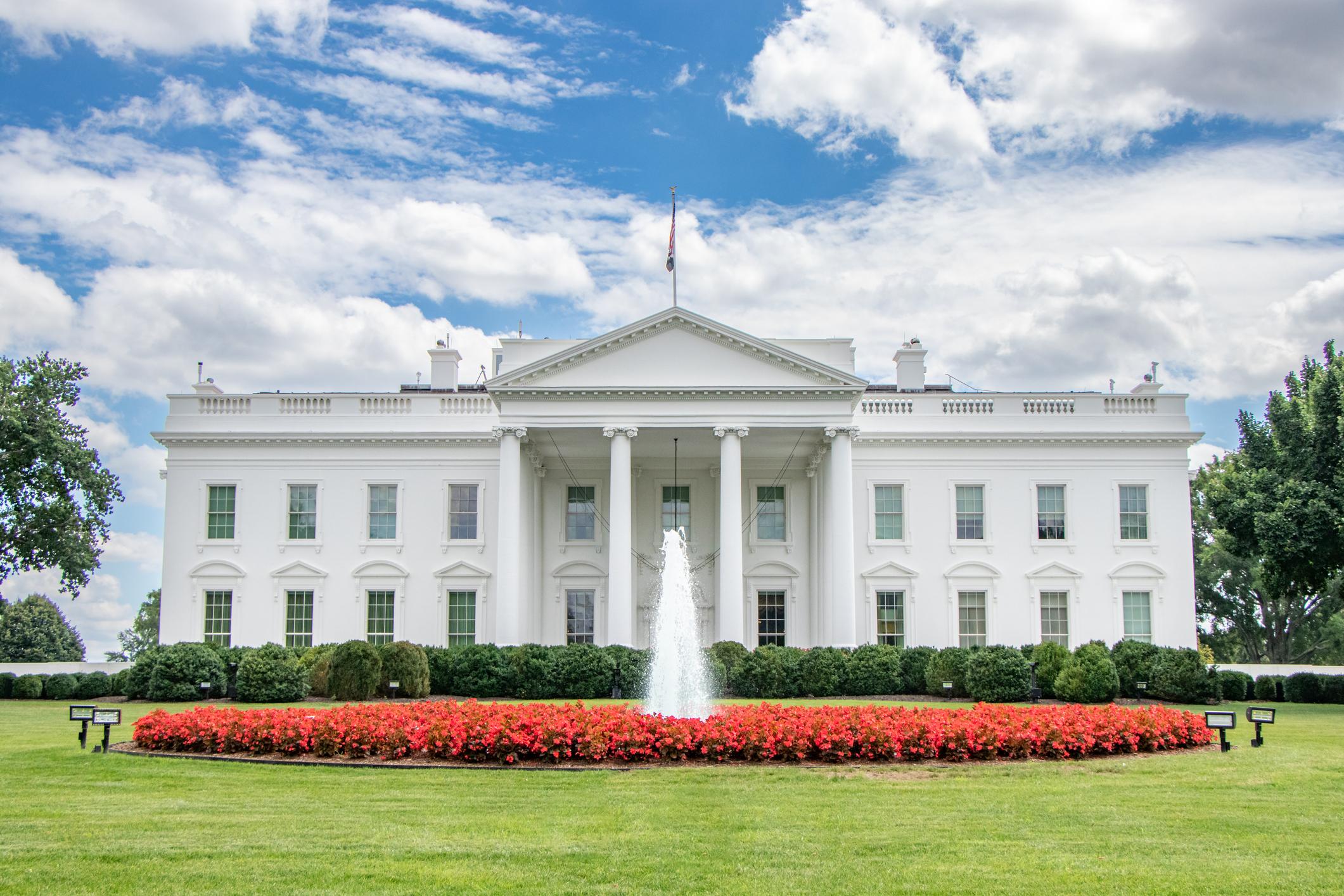
US Iran negotiations are again drawing global attention as Washington continues diplomatic discussions while maintaining regional pressure.
Energy markets and international allies are closely monitoring developments tied to sanctions, oil routes, and military positioning.
Analysts say the outcome could significantly impact Middle East stability and global economic conditions.
WASHINGTON, D.C., May 24 (Parliament Politics Magazine) – US Iran negotiations returned to the center of global political discussions after American officials confirmed that diplomatic communication with Tehran remains active despite continued economic pressure and military monitoring across the Middle East.
The latest developments come during a sensitive period for international energy markets and regional security. Analysts believe Washington is attempting to balance diplomacy with strategic pressure while avoiding a direct military confrontation.
Global attention surrounding US Iran negotiations has increased sharply in recent weeks as investors, political leaders, and defense experts monitor signals from both countries.
| Category | Status |
|---|---|
| Main Topic | US-Iran diplomatic talks |
| Key Concern | Nuclear activity and sanctions |
| Market Impact | Oil price volatility |
| Region | Middle East |
| Diplomatic Status | Ongoing indirect discussions |
| Military Presence | Elevated regional monitoring |
Oil Markets Watch Middle East Tensions
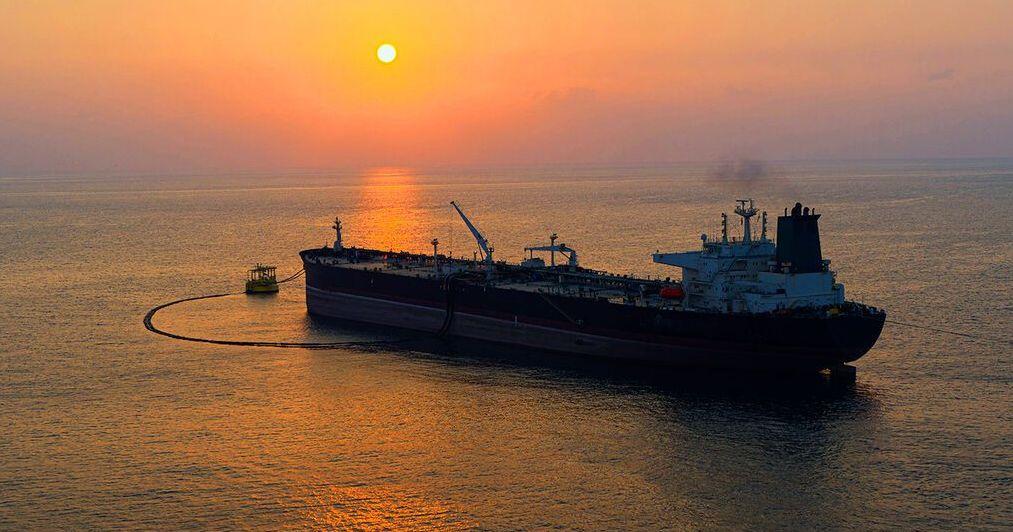
Energy markets reacted cautiously following the latest statements tied to US Iran negotiations. Traders remain focused on the Strait of Hormuz, a critical shipping route responsible for transporting a large percentage of the world’s oil supply.
Financial analysts warned that prolonged uncertainty could affect transportation costs, fuel prices, and global trade conditions if tensions continue rising.
One geopolitical strategist said:
“Both sides appear interested in maintaining leverage while avoiding a larger regional conflict.”
The quote quickly gained traction among political observers and market analysts following renewed diplomatic headlines.
Parliament Leaders Call for Diplomatic Stability
Several European parliament members urged Washington and Tehran to continue diplomatic engagement rather than escalate tensions further.
European officials remain concerned about regional instability affecting energy supplies and economic recovery efforts. International allies have continued encouraging negotiations designed to reduce military risks while preserving long-term security cooperation.
The latest round of US Iran negotiations has also become a major topic among lawmakers discussing NATO strategy and global energy security.
| Year | Major Event | Impact |
|---|---|---|
| 1979 | Iranian Revolution | Relations collapsed |
| 2015 | Nuclear agreement signed | Sanctions partially eased |
| 2018 | US exited nuclear deal | Pressure campaign resumed |
| 2026 | Renewed negotiations continue | Global tensions remain elevated |
Military Positioning Remains Critical
Military analysts continue monitoring regional naval activity connected to US Iran negotiations. The United States maintains defense assets near major shipping routes to protect commercial navigation and reassure allies.
Security experts warn that prolonged military positioning always carries risks tied to accidental escalation or operational miscalculation.
A former defense adviser stated:
“Diplomatic communication remains essential during periods of heightened military activity.”
Meanwhile, Tehran continues criticizing sanctions and strategic pressure while insisting economic relief must remain part of any future agreement.
Global Economic Concerns Continue
Economists say geopolitical uncertainty tied to US Iran negotiations could influence shipping costs, inflation, insurance rates, and investor confidence worldwide.
Oil markets remain especially sensitive to developments involving Iran because of the country’s importance to regional energy production and transportation routes.
Despite ongoing tensions, analysts believe both governments still prefer diplomatic solutions over direct conflict.
The latest developments involving US Iran negotiations highlight the fragile balance between diplomacy, military strategy, and economic pressure across the Middle East. Washington continues signaling patience while maintaining sanctions and regional military positioning as leverage during ongoing talks. Tehran, meanwhile, insists that meaningful economic relief must remain central to any future agreement.
Global investors are closely monitoring the situation due to concerns surrounding oil markets, shipping routes, and broader economic stability. European parliament leaders and international allies continue urging both sides to avoid escalation and pursue diplomatic solutions. Analysts believe prolonged uncertainty could affect energy prices and investor confidence if negotiations remain stalled. Despite heightened tensions, both governments appear focused on avoiding direct military confrontation at this stage.
The outcome of these negotiations could significantly shape Middle East security and global markets throughout 2026.