

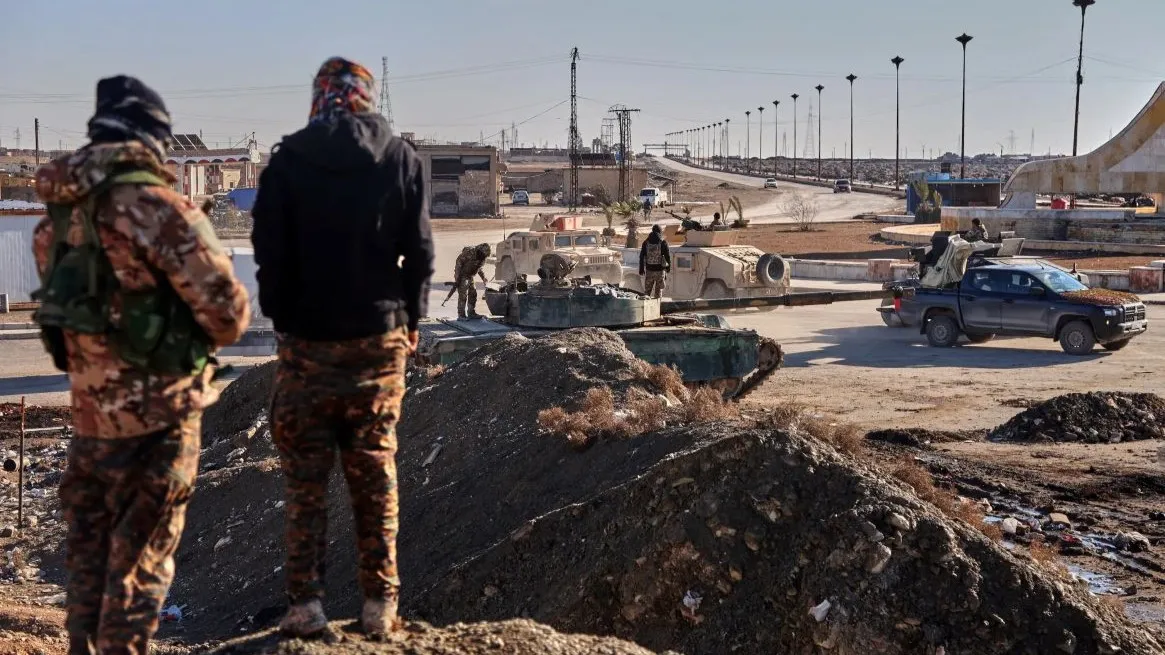
Syria – January 2026. According to parliament news, that authorities across northeast Syria are confronting a grave escalation in the Syria security crisis after dozens of ISIL-linked inmates escaped from a heavily guarded prison facility in Hasakah. The incident has triggered an expansive manhunt, heightened regional alerts, and renewed debate over the fragility of detention systems holding some of the world’s most dangerous militants. Security convoys now patrol major roads while residents adjust to curfews and checkpoints introduced within hours of the breach.
The escape occurred at a moment when detention infrastructure remains under severe strain, shaped by years of conflict, overcrowding, and unresolved legal questions surrounding extremist detainees. Officials acknowledge that the implications extend far beyond the prison itself, touching every layer of regional stability.
How the Prison Break Unfolded
According to preliminary security assessments, the prison break followed coordinated unrest inside the facility that overwhelmed internal controls. Groups of inmates reportedly exploited structural weaknesses after damaging surveillance systems and internal barriers during a sustained disturbance. Guards struggled to regain control as smoke and confusion spread across multiple wings.
As the scale of the escape became clear, the Syria security crisis intensified rapidly. Reinforcements were deployed, but many inmates had already dispersed into surrounding neighborhoods and rural areas, complicating containment efforts and forcing authorities to widen the search radius.
Scale of the Escape and Early Assessments
Officials confirmed that dozens of inmates escaped, though precise numbers remain under verification as forensic teams assess damaged sections of the prison. Security officials describe the escape as one of the most serious breaches in recent years, exposing vulnerabilities that had long been flagged but not fully addressed.
The Syria security crisis prompted immediate coordination between military units, intelligence agencies, and local security forces. Roadblocks were erected on major transit routes, and aerial surveillance was expanded to monitor remote areas where escapees might seek cover.
Why Detention Facilities Are Under Strain
Detention centers across northeast Syria have struggled for years under the weight of overcrowding, limited funding, and aging infrastructure. Many facilities were never designed to hold large numbers of high-risk detainees for extended periods.
Security analysts say the Syria security crisis highlights systemic weaknesses rather than isolated failure. Staffing shortages, limited training, and inadequate equipment have reduced the ability of guards to respond effectively to coordinated uprisings inside high-risk prisons.
Immediate Impact on Local Communities
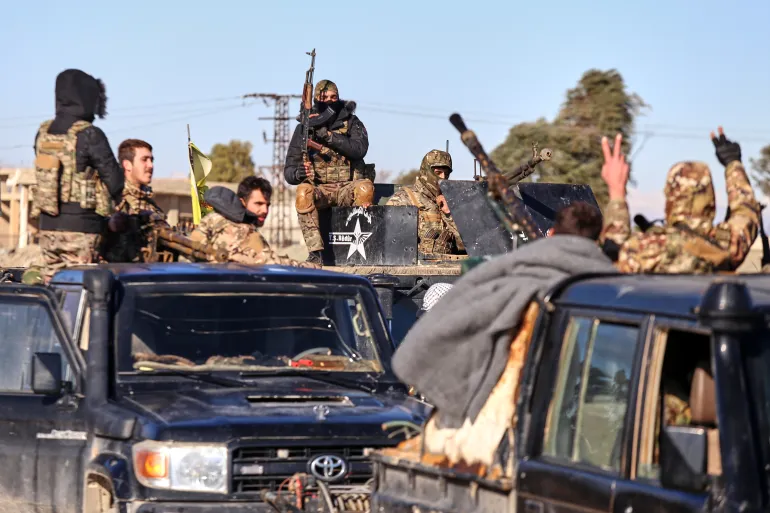
The escape sent shockwaves through nearby communities. Residents reported fear, restricted movement, and temporary school closures as rumors spread rapidly through social networks. Markets closed early, and families avoided travel after dark amid uncertainty about the whereabouts of the escapees.
Community leaders warned that the Syria security crisis has placed additional psychological strain on populations already coping with years of instability. Visible patrols and regular briefings were introduced to reassure civilians and prevent panic from taking hold.
Regional Security Repercussions
Beyond Hasakah, the prison break has raised alarms across northeast Syria and neighboring regions. Authorities increased security around infrastructure sites, oil facilities, and population centers considered potential targets for retaliatory attacks or recruitment efforts.
Analysts caution that the Syria security crisis could widen if escapees manage to regroup or inspire unrest in other detention centers. Regional governments are monitoring developments closely, concerned about the risk of cross-border militant movement.
Manhunt and Counterterrorism Operations
Security forces launched an intensive manhunt involving ground patrols, intelligence-led raids, and aerial reconnaissance. Checkpoints were reinforced, and community networks were mobilized to report suspicious activity.
Officials believe containing the Syria security crisis depends on rapid apprehension before escapees can reestablish contact with extremist networks. Authorities urged civilians to cooperate with security forces while avoiding direct confrontation.
International Attention and Diplomatic Pressure
The incident has drawn renewed international scrutiny, particularly from governments whose nationals are among the detainee population. Diplomatic channels have become active as partners seek clarity on security conditions and future management of detention facilities.
Diplomats note that the Syria security crisis may intensify pressure for shared responsibility, including repatriation, prosecution, or rehabilitation of foreign fighters and their families. Without broader cooperation, officials warn that detention centers will remain flashpoints.
Legal Limbo and Governance Challenges
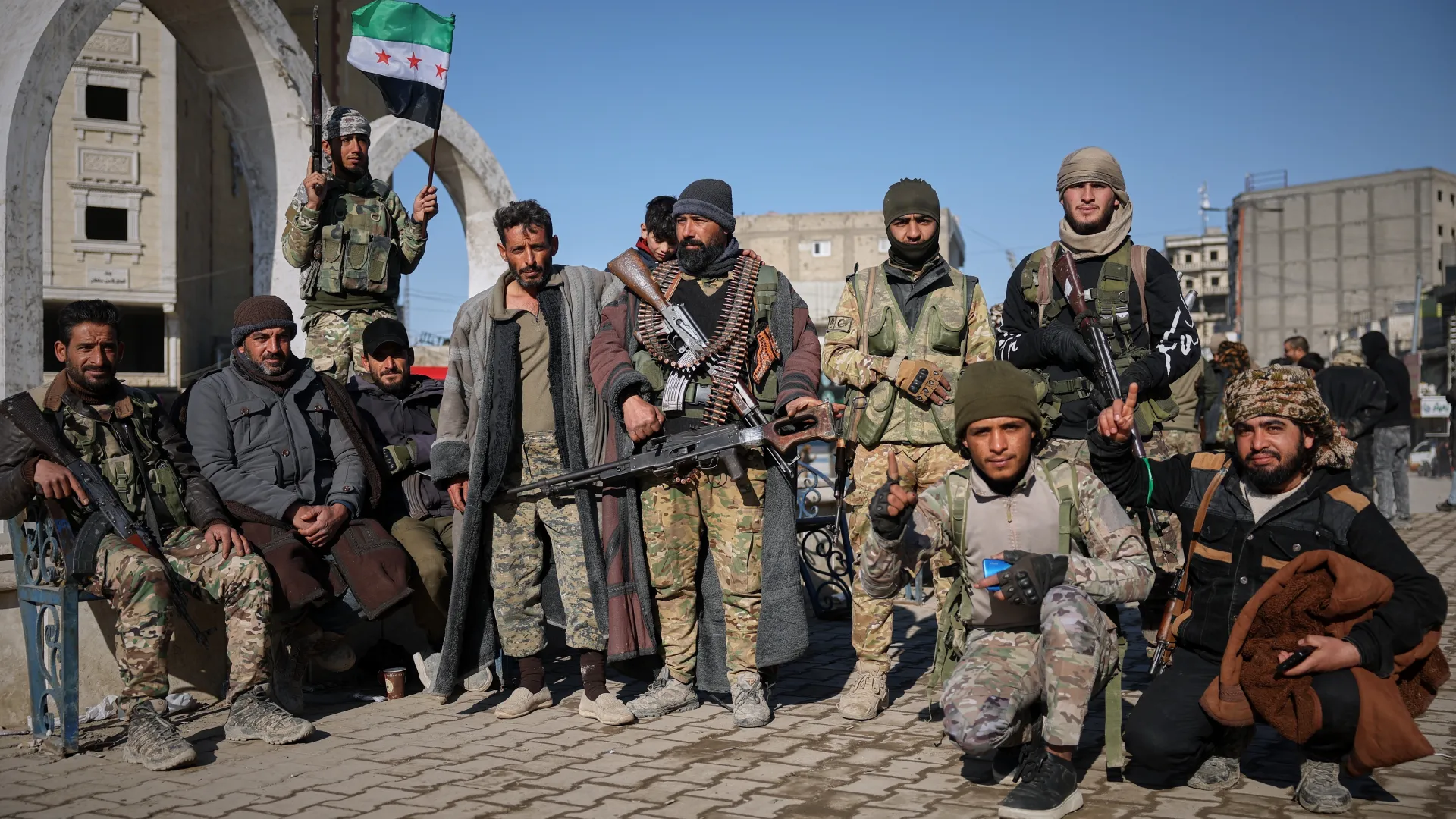
Many detainees have been held for years without trial, contributing to frustration and unrest inside facilities. Legal ambiguity surrounding jurisdiction and accountability remains unresolved, complicating efforts to impose long-term solutions.
Observers argue that the Syria security crisis underscores the urgency of establishing clear legal pathways. Without progress on prosecution or repatriation, detention centers may continue to generate instability rather than contain it.
Humanitarian Consequences of Heightened Security
While the escape is primarily a security issue, humanitarian consequences are also evident. Aid deliveries were temporarily disrupted as lockdowns restricted movement near the prison. Families dependent on assistance faced delays and uncertainty.
Humanitarian groups stress that the Syria security crisis must not result in collective punishment or prolonged restrictions on civilians. Balancing security operations with humanitarian access remains a delicate challenge for authorities.
Infrastructure Damage and Resource Constraints
Damage to prison infrastructure has complicated recovery efforts. Repairing surveillance systems, reinforcing barriers, and restoring safe conditions require funding and technical expertise that remain in short supply.
Experts warn that the Syria security crisis exposes the limits of current resources. Without sustained investment, even immediate repairs may not prevent future breaches at other facilities facing similar conditions.
Information Environment and Public Trust
Managing information flow has become a priority. In the hours following the escape, unverified claims spread quickly online, fueling anxiety and speculation.
Authorities emphasize that transparent communication is essential to containing the Syria security crisis. Regular updates and verified information are seen as critical tools for maintaining public trust and countering misinformation.
One Voice From the Security Sector
A senior regional security official involved in the response said,
“When detention systems fail, the consequences extend far beyond the walls meant to contain them.”
The remark captures the broader stakes of the current situation.
Risk of Radicalization and Recruitment
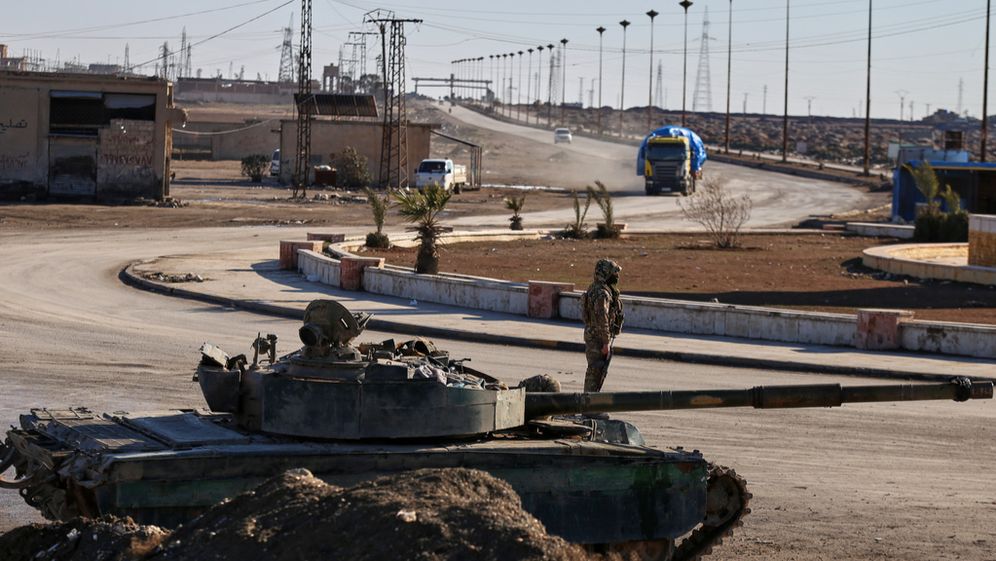
Analysts warn that escapees may attempt to exploit existing grievances to recruit supporters, particularly among marginalized populations facing economic hardship and displacement.
In this context, the Syria security crisis is viewed as both a security and social challenge. Preventing radicalization requires addressing underlying conditions alongside enforcement efforts.
Economic Effects on Surrounding Areas
The heightened security environment has disrupted trade and daily commerce in parts of Hasakah. Transport delays and restricted movement have affected local businesses already struggling to recover from years of conflict.
Local leaders caution that prolonged impacts from the Syria security crisis could deepen economic hardship, underscoring the need for swift stabilization and confidence-building measures.
Coordination Among Security Actors
Effective coordination among military units, intelligence services, and local authorities has been critical in the response. Joint operations centers were activated to streamline decision-making and resource deployment.
Officials stress that addressing the Syria security crisis requires sustained cooperation rather than ad hoc measures. Fragmented responses, they warn, could undermine containment efforts.
Lessons From Previous Incidents
Past prison-related incidents in the region offer sobering lessons. In several cases, delayed responses and underestimation of risks allowed unrest to escalate into prolonged violence.
Security experts say the Syria security crisis should prompt a comprehensive review of detention policies, infrastructure standards, and emergency protocols to prevent repeat scenarios.
Youth and Long-Term Stability
Children and young adults living near detention facilities are particularly affected by prolonged insecurity. Disruptions to education and daily life risk creating a generation accustomed to instability.
Social workers argue that resolving the Syria security crisis must include investment in education and psychosocial support to reduce long-term vulnerability to extremist influence.
Environmental and Public Health Risks
Overcrowded facilities and damaged infrastructure raise environmental and public health concerns. Waste management, water access, and sanitation issues can escalate rapidly during security lockdowns.
Authorities note that the Syria security crisis has highlighted the interconnected nature of security and public health, demanding coordinated planning across sectors.
What Comes Next for Detention Policy
As the manhunt continues, policymakers are reassessing detention strategies. Discussions include infrastructure upgrades, staffing increases, and enhanced international cooperation.
Officials acknowledge that preventing future incidents linked to the Syria security crisis will require long-term commitments rather than temporary fixes.
Implications for National Stability
The Hasakah prison break has become a national test case for Syria’s ability to manage post-conflict security challenges. The outcome will influence perceptions of stability across the country.
Analysts argue that how authorities address the Syria security crisis may shape future international engagement and assistance.
Community Cooperation as a Stabilizing Force
Community cooperation has emerged as a crucial factor in the response. Tips from residents have helped narrow search areas and identify suspicious activity.
Authorities believe that resolving the Syria security crisis depends in part on rebuilding trust between communities and security forces, emphasizing shared responsibility.
A Critical Moment for Reform
The current situation offers an opportunity for reform. Lessons learned could drive improvements in detention management, legal frameworks, and humanitarian coordination.
Whether the Syria security crisis becomes a catalyst for change or a recurring threat will depend on decisions made in the coming months.
Hasakah and the Measure of Resilience
This final phase places Hasakah at the center of a broader test of resilience. The ability to contain fallout, restore confidence, and prevent escalation will shape the region’s trajectory.
As northeast Syria navigates this period, the response to the Syria security crisis will be judged not only by arrests made, but by whether lasting systems emerge to prevent future breakdowns.