

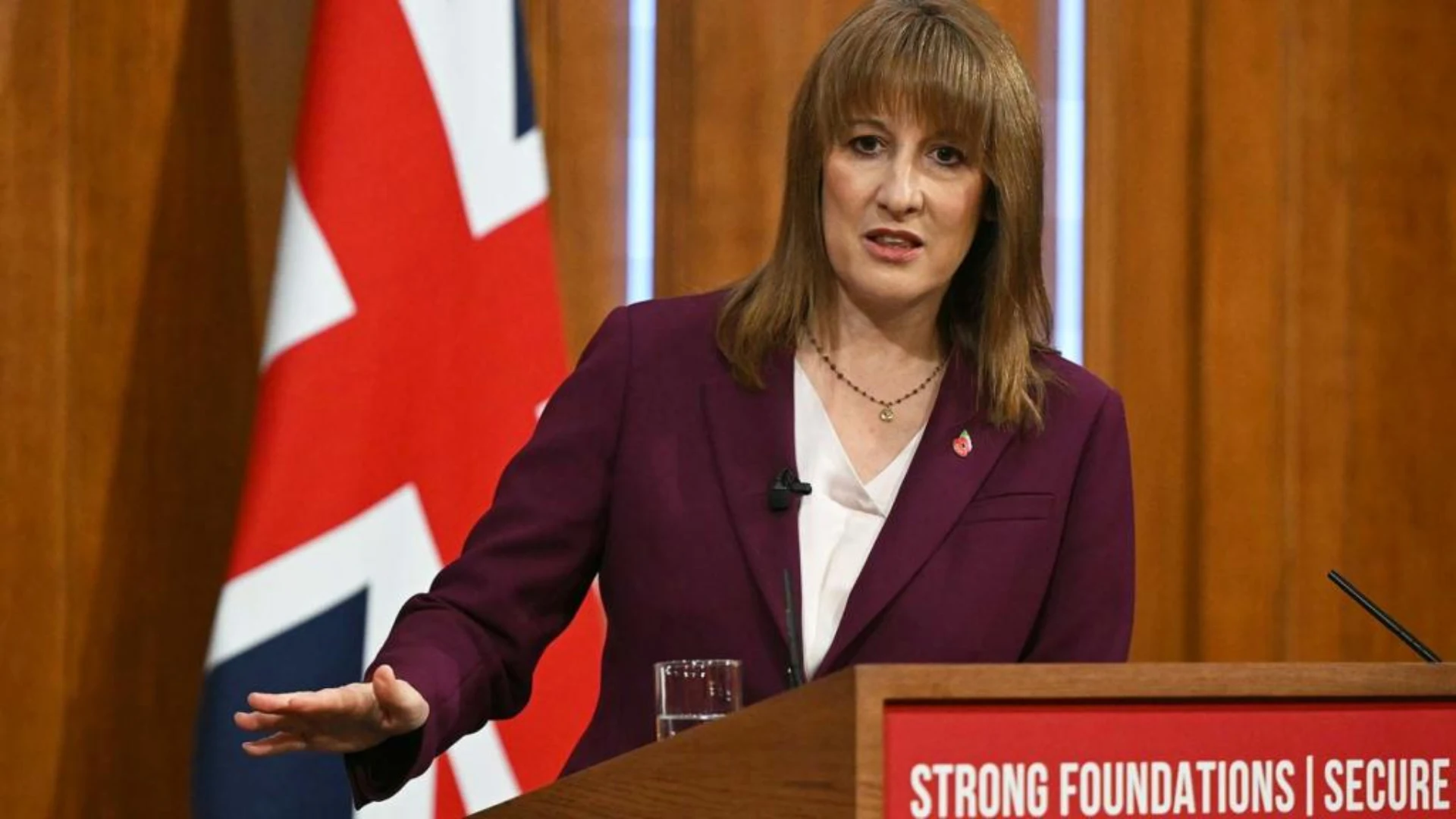
Just when households were hoping for some breathing room, the latest inflation figures have thrown a spanner in the works. December’s numbers are in, and they’re not pretty. The Consumer Price Index (CPI) jumped to 3.4%, up from 3.2% in November, the first rise we’ve seen since July.
For Chancellor Rachel Reeves, who’s been busy telling anyone who’ll listen that Britain is about to “turn a corner” in 2026, this is awkward timing. Very awkward indeed.
The Numbers Don’t Lie
Let’s break down what’s actually happened here. The Office for National Statistics dropped its latest inflation reading this week, and it caught pretty much everyone off guard. Economists had been predicting a slight uptick, but 3.4% exceeded expectations.
This matters because it puts us further away from the Bank of England’s 2% target, the magic number that central bankers have been desperately trying to reach. And it’s not just a blip; there are real, tangible reasons behind this surge.
What’s Driving the Rise?
Three main culprits are behind December’s inflation bump:
The Tobacco Duty Hike
Remember Rachel Reeves’ November Budget? One of the measures tucked away in there was a significant increase in tobacco duty. Well, that’s now feeding through into the numbers. Smokers are paying more, and that pushes up the overall inflation figure. It’s a bit ironic when you think about it: the Chancellor’s own policy decisions are contributing to the very inflation she’s trying to combat.
Air Fares Taking Off
If you’ve tried booking a flight recently, you’ll know prices have been climbing. December saw particularly sharp increases in air fares, adding upward pressure to the CPI. With demand for travel remaining strong and airlines facing their own cost pressures, this trend shows few signs of reversing quickly.
Food Costs Creeping Up
Perhaps most concerning for ordinary households is the continued rise in food prices. Bread and cereals, in particular, saw notable increases in December. When the cost of your morning toast goes up, it’s hard to feel optimistic about the economy “turning a corner.”
Interest Rate Hopes: Crushed
Here’s where things get really significant for anyone with a mortgage or business loan. Before these figures dropped, there had been growing speculation that the Bank of England might cut interest rates at its February meeting. A rate cut would have been welcome news for millions of homeowners struggling with elevated mortgage payments.
Those hopes? Pretty much crushed now.
With inflation heading in the wrong direction, the Monetary Policy Committee will be extremely reluctant to ease rates. Cutting rates when inflation is rising would be like pouring petrol on a fire. Expect the Bank to hold firm, at least until there’s clearer evidence that price pressures are genuinely subsiding.
The IMF still expects UK inflation to return to the 2% target by the end of 2026, but that feels like cold comfort when you’re doing your weekly shop in January 2026.
Reeves’ Response: Optimism in the Face of Reality
The Chancellor isn’t backing down from her positive messaging. Speaking in response to the figures, Reeves insisted that Britain will “turn a corner” this year and pointed to her various cost-of-living measures as evidence that the government is taking action.
It’s the kind of political messaging you’d expect. No Chancellor is going to come out and say “actually, things are looking a bit grim.” But there’s a growing gap between the rhetoric and what people are experiencing in their daily lives.
Reeves has highlighted measures like the increase to the National Living Wage and targeted support for energy bills. These aren’t nothing: they will make a difference for some households. But when food prices are rising, energy costs remain elevated, and mortgage rates are stubbornly high, it’s a tough sell to convince people that better times are just around the corner.
The Opposition Pounces
Shadow Chancellor Mel Stride wasn’t about to let this opportunity pass. He’s described the situation as “economic mismanagement” and claimed that Reeves’ Budget is “unravelling” before our eyes.
Strong words, but not entirely without foundation. When your own policy decisions (the tobacco duty hike) are contributing to the inflation problem you’re trying to solve, it does raise questions about joined-up thinking in the Treasury.
Stride and the Conservatives are hammering the message that Labour has inherited a recovering economy and is managing to make things worse. Whether that’s a fair characterisation or not, the inflation figures certainly give them ammunition.
The Jobs Disaster Nobody’s Talking About
Lost in the inflation headlines is an even more alarming statistic: 43,000 jobs were lost in December alone. That works out at roughly 1,400 jobs disappearing every single day and this continues a trend of bad unemployment figures. If this wasn’t bad enough, there is the growing NEET problem. According to the ONS there were nearly 1 million young people aged 16-24 who were not in education, employment, or training between July – September 2025, a figure that will almost certainly have worsened over the autumn and winter.
This is the context that makes the “turning a corner” narrative so difficult to sustain. Rising prices combined with rising unemployment is a toxic combination. It squeezes household incomes from both directions: those in work see their wages worth less, while more and more people find themselves out of work entirely.
For high streets already struggling, this employment picture represents yet another blow. Fewer people in work means less spending power in local economies, which means more pressure on already fragile retail and hospitality businesses.
The Trump-Shaped Cloud on the Horizon
As if domestic challenges weren’t enough, there’s a significant external threat looming over the UK economy. Donald Trump, back in the White House, has been making noises about tariffs that could directly impact British exports.
A 10% tariff on UK goods entering the US market would be seriously damaging. Some economists have warned it could be enough to tip the UK into recession, wiping out any growth entirely.
This isn’t scaremongering: it’s a genuine risk factor that the Treasury has to account for. The Chancellor can put together the most carefully crafted economic plan in history, but if Trump decides to launch a trade war, all bets are off – after all there are no winners in a trade war, just losers.
What Comes Next?
The IMF is forecasting UK GDP growth of just 1.3% for 2026, rising slightly to 1.5% in 2027. That’s better than nothing, but it significantly lags behind global growth projected at 3.3%.
In practical terms, it means the UK economy will be limping along rather than striding confidently forward. There might be growth, technically speaking, but it won’t feel like growth to households still grappling with elevated costs and uncertain employment prospects.
The Bank of England expects inflation to return to the 2% target by late spring or early summer, but that projection was made before December’s figures. It may need revising.
The Bottom Line
Rachel Reeves faces a credibility problem. Telling people that things are about to get better only works if things actually get better. Right now, the evidence is mixed at best and actively contradictory at worst.
Inflation is rising when it should be falling. Jobs are disappearing at an alarming rate. External trade threats loom large. And the government’s own Budget measures are contributing to price pressures.
None of this means the Chancellor is necessarily wrong about the long-term trajectory. Economic recoveries rarely happen in straight lines, and setbacks are part of the process. But the “turn a corner” messaging feels premature, perhaps even tone-deaf, given what ordinary households are experiencing right now.
For millions of Britons, the corner: if it exists: remains frustratingly out of sight. Until the inflation figures start moving again in the right direction and the job losses are reversed, expect the gap between political optimism and economic reality to remain uncomfortably wide.