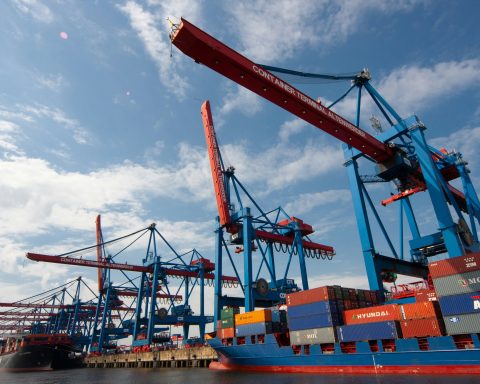
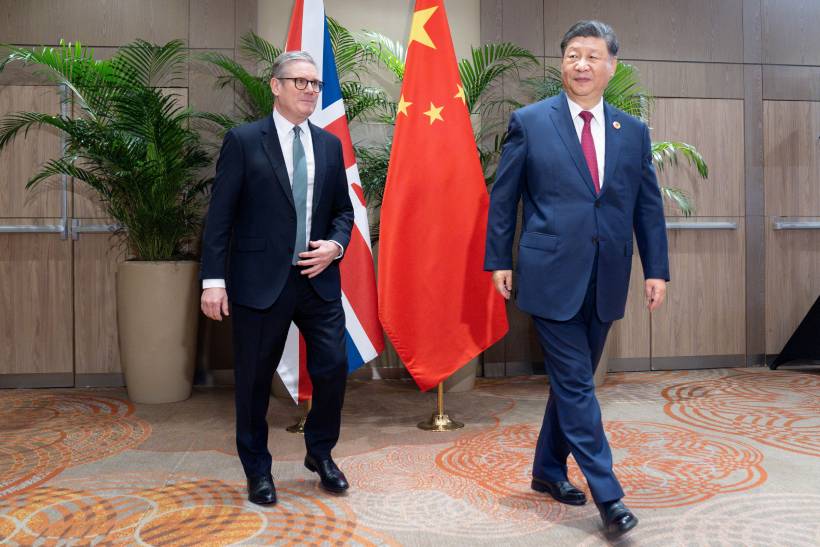
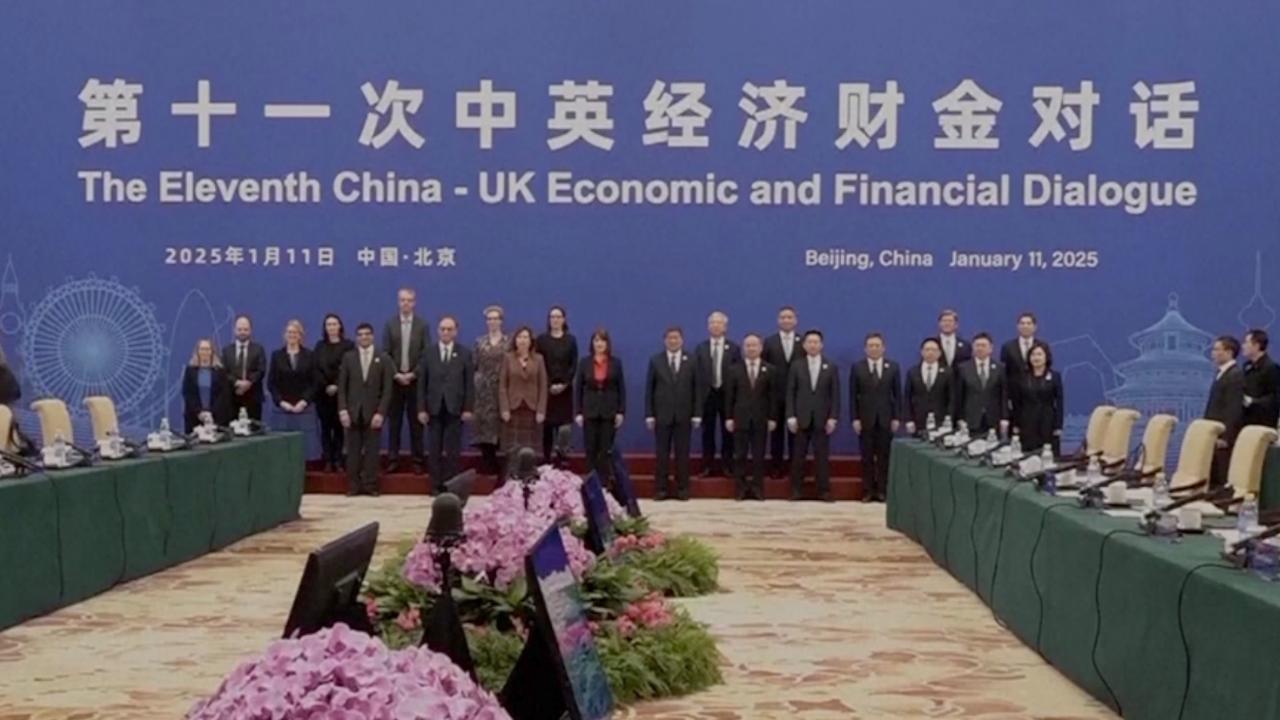
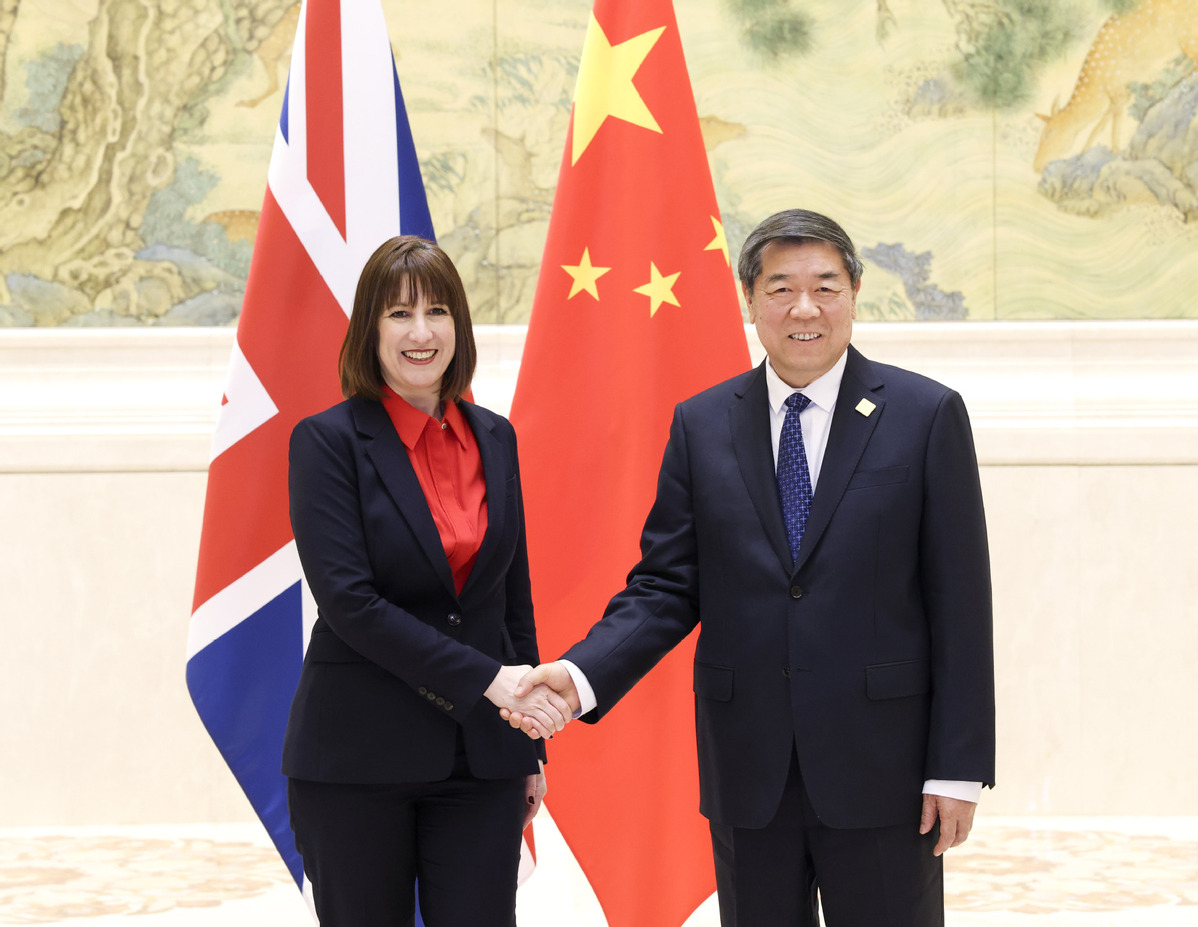
London, United Kingdom, January,2026 — Parliament News, as Britain and China move to restore a formal economic engagement channel that once symbolized optimism in bilateral relations. Officials briefed on the process say preparations are underway to revive the Golden Era business dialogue during a high level diplomatic visit, reflecting a pragmatic shift by both governments as economic pressures and geopolitical realities reshape international partnerships.
A Measured Return to Economic Engagement
For much of the past decade, relations between United Kingdom and China have been marked by restraint. Political tensions, security concerns, and strategic rivalry reduced the scope of official engagement. The decision to reintroduce the Golden Era business dialogue signals recognition that sustained economic disengagement carries long term costs for both economies.
Origins of the Golden Era Concept
The phrase “Golden Era” first entered diplomatic language in the mid 2010s, when trade volumes expanded rapidly and investment flows reached record levels. That period saw frequent ministerial exchanges and growing cooperation across finance, infrastructure, and education. Reviving the Golden Era business dialogue in 2026 does not imply a return to past assumptions but rather an updated framework designed for a more fragmented global order.
Why London Matters
London remains one of the world’s leading financial centers, offering access to capital markets, legal expertise, and global networks. For Chinese firms, engagement with London provides credibility and international reach. For Britain, maintaining a channel with Beijing supports export growth and inward investment. These factors underpin the renewed focus on the Golden Era business dialogue as a platform rooted in mutual economic interest.
Starmer’s Diplomatic Calculus
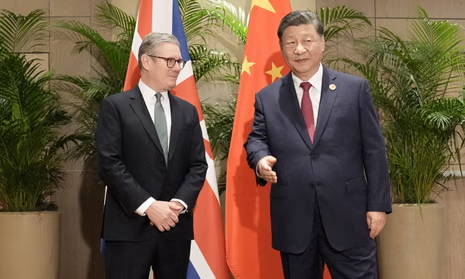
The renewed talks are closely linked to diplomatic engagement by Keir Starmer, whose government has emphasized economic pragmatism alongside national security. Advisors say reopening structured talks allows Britain to pursue opportunity while setting clear boundaries. Within government, the Golden Era business dialogue is framed as a tool for risk management rather than political alignment.
Trade Priorities and Market Access
Early discussions are expected to focus on reducing friction for businesses operating across borders. British exporters have long sought clearer regulatory pathways in China, while Chinese investors emphasize predictability in the UK market. Officials say working groups under the Golden Era business dialogue will address sector specific issues rather than broad political disputes.
Investment and Financial Cooperation
Financial services are central to bilateral ties. British banks, insurers, and asset managers see long term opportunity in China’s expanding consumer and capital markets. Chinese firms value London’s openness and expertise. Reviving the Golden Era business dialogue could help restore confidence among investors hesitant after years of uncertainty.
Technology and Green Economy Links
Climate commitments and technological innovation present shared interests. Both governments face pressure to decarbonize while sustaining growth. Cooperation in renewable energy, sustainable finance, and electric mobility is likely to feature prominently within the Golden Era business dialogue, offering tangible outcomes beyond traditional trade.
Managing Security Concerns
Engagement remains politically sensitive. British officials insist that national security protections will remain robust, particularly in critical infrastructure and data related sectors. One senior official involved in preparations said,
“Engagement is about clarity and control, not compromise.”
This single statement reflects the cautious approach surrounding the Golden Era business dialogue.
Business Community Response
UK business groups have broadly welcomed the move, arguing that structured engagement reduces uncertainty. Industry leaders say the absence of dialogue has limited competitiveness. Chinese business associations have also expressed support, viewing the Golden Era business dialogue as evidence that pragmatic cooperation remains possible despite political differences.
Public Opinion and Political Debate
Public attitudes toward China in Britain are mixed. Surveys show support for trade alongside concern over values and security. By emphasizing structure and oversight, policymakers aim to reassure skeptics while advancing economic interests through the Golden Era business dialogue.
European Context
Britain’s approach aligns with a broader European trend toward selective engagement. Several European capitals are seeking to balance economic cooperation with protective measures in strategic sectors. The Golden Era business dialogue positions the UK within this pragmatic middle ground.
Challenges and Limitations
Expectations are being carefully managed. Regulatory differences, geopolitical pressures, and global competition remain obstacles. Analysts caution that the Golden Era business dialogue is a process rather than a solution, requiring sustained political commitment to deliver results.
Global Implications
UK China engagement is closely watched by allies and investors. A functional dialogue could influence how other middle powers approach relations with Beijing. In this sense, the Golden Era business dialogue has significance beyond bilateral trade figures.
Implementation and Follow Through
Officials emphasize that credibility depends on action. Regular meetings, clear benchmarks, and transparency are planned. Without follow through, the Golden Era business dialogue risks becoming symbolic rather than substantive.
A Shift in Tone
While deep political alignment remains unlikely, the renewed talks represent a shift from distance to dialogue. Communication channels reduce the risk of misunderstanding and escalation. The Golden Era business dialogue is designed to keep disputes within institutional frameworks rather than public confrontation.
Domestic Economic Pressures
Britain faces ongoing pressure to stimulate growth and attract investment. Engagement with major economies forms part of that strategy. Reviving the Golden Era business dialogue supports this objective by signaling openness to trade under controlled conditions.
China’s Broader Strategy
For Beijing, rebuilding trust with key European partners is increasingly important amid global competition. Engagement with Britain fits into a wider effort to stabilize economic relationships through structured mechanisms like the Golden Era business dialogue.
The Long View of Economic Diplomacy
Economic relationships evolve over decades rather than election cycles. Policymakers on both sides acknowledge that progress will be incremental. The Golden Era business dialogue provides a forum to manage differences while pursuing shared interests over time.
A Pragmatic Step in 2026
In 2026, amid global uncertainty, Britain and China are choosing structured engagement over prolonged distance. The Golden Era business dialogue does not resolve underlying differences, but it offers a disciplined framework to manage them. Its success will depend on transparency, restraint, and sustained political will in the years ahead.