Belgium, January 2026 — According to parliament news,that diplomats, analysts, and international observers are taking a hard look at the future of international peace initiatives as conflicts persist, ceasefires collapse, and trust in global mediation frameworks continues to erode. From Europe to the Middle East and from Africa to Asia, peacebuilding efforts are being tested by geopolitical rivalry, weakened multilateralism, and growing public skepticism about whether diplomacy can still deliver durable outcomes in a fractured world.
The reassessment underway in 2026 reflects a broader anxiety that the international system designed to prevent and resolve conflict is struggling to keep pace with the realities of modern warfare, political polarization, and shifting power balances.
The Historical Foundations of Modern Peacebuilding
The roots of contemporary peacebuilding lie in the post-Second World War order, when collective security became a guiding principle of international relations. Early international peace initiatives focused on preventing interstate wars through diplomacy, treaties, and institutions designed to foster dialogue and cooperation.
Following the Cold War, optimism surged as ideological confrontation receded. The 1990s saw an expansion of peacekeeping missions, mediation efforts, and post-conflict reconstruction programs, many of them coordinated through the United Nations. These efforts were often framed as evidence that multilateral diplomacy could manage even the most complex conflicts.
Yet that optimism has faded over time, replaced by a more sober recognition of the limits of external intervention and negotiated settlements.
Multilateral Institutions Under Pressure
Multilateral institutions have long provided legitimacy, continuity, and legal grounding for peace efforts. Bodies such as the United Nations, regional organizations, and international courts have served as platforms where international peace initiatives could gain broad support and enforcement mechanisms.
In recent years, however, these institutions have faced mounting criticism. Political divisions among member states, funding constraints, and veto powers have slowed decision-making and weakened enforcement. As a result, confidence in multilateral peace processes has declined, particularly in conflicts where resolutions remain stalled for years.
Despite these challenges, many diplomats argue that abandoning multilateralism would further fragment peace efforts and reduce accountability.
Europe’s Role in Shaping Peace Frameworks
Europe has positioned itself as a defender of rule-based diplomacy and collective action. Through the European Union, European states have invested heavily in mediation, monitoring missions, and economic stabilization programs in conflict-affected regions.
From Brussels, officials emphasize that international peace initiatives must be grounded in international law, transparency, and institutional cooperation. European policymakers often caution against ad hoc peace platforms that bypass established norms, arguing that such approaches risk undermining long-term stability.
Europe’s influence, however, is increasingly challenged by global power shifts and internal political pressures.
The Rise of Alternative Peace Platforms
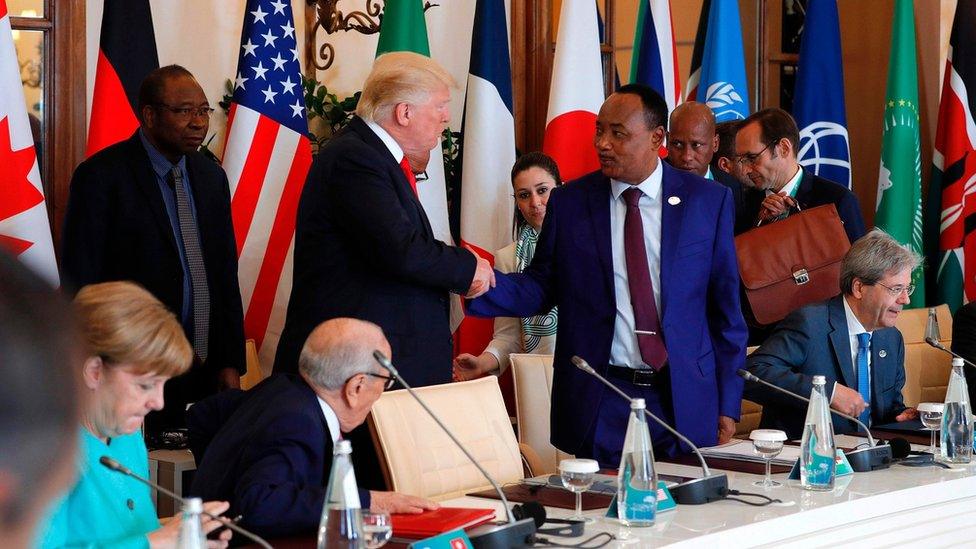
Alongside traditional institutions, new peace platforms have emerged over the past decade. These initiatives are often led by individual states, coalitions, or political figures who argue that existing mechanisms are too slow or constrained by bureaucracy.
Supporters claim these efforts can unlock stalled negotiations by offering informal channels and unconventional diplomacy. Critics counter that international peace initiatives lacking institutional backing struggle to gain recognition, enforce agreements, or sustain long-term engagement once initial momentum fades.
The proliferation of such platforms has contributed to a more crowded and competitive peacebuilding landscape.
Fragmentation and Overlapping Efforts
One of the most persistent problems in modern peacebuilding is fragmentation. Multiple peace initiatives frequently operate simultaneously within the same conflict, sometimes pursuing competing objectives or timelines.
This overlap can confuse local actors, dilute leverage over armed groups, and create inconsistent messaging. Analysts warn that poorly coordinated international peace initiatives may unintentionally prolong conflicts by encouraging parties to shop for more favorable mediators rather than commit to a single process.
Calls for better coordination and consolidation have grown louder as diplomatic fatigue sets in.
Financing Peace in a Resource-Strained World
Peacebuilding is resource-intensive. Mediation teams, monitoring missions, humanitarian support, and reconstruction programs all require sustained funding and political commitment.
Traditional institutions benefit from assessed contributions and long-term budgeting, while newer initiatives often rely on voluntary or short-term funding. Without financial stability, many international peace initiatives struggle to maintain presence and credibility, particularly in protracted conflicts where engagement must be sustained over years.
Funding uncertainty has become a major factor shaping which peace efforts endure and which quietly dissolve.
A Diplomatic Warning From Within Europe
One senior European diplomat, speaking privately in Brussels, said,
“Peace efforts fail when they are designed for visibility rather than viability, and too many initiatives today promise breakthroughs without building the foundations required to sustain them.”
The comment reflects growing concern among policymakers that symbolism and political branding are increasingly replacing patience, compromise, and long-term planning in peacebuilding.
Perspectives From Conflict-Affected Regions
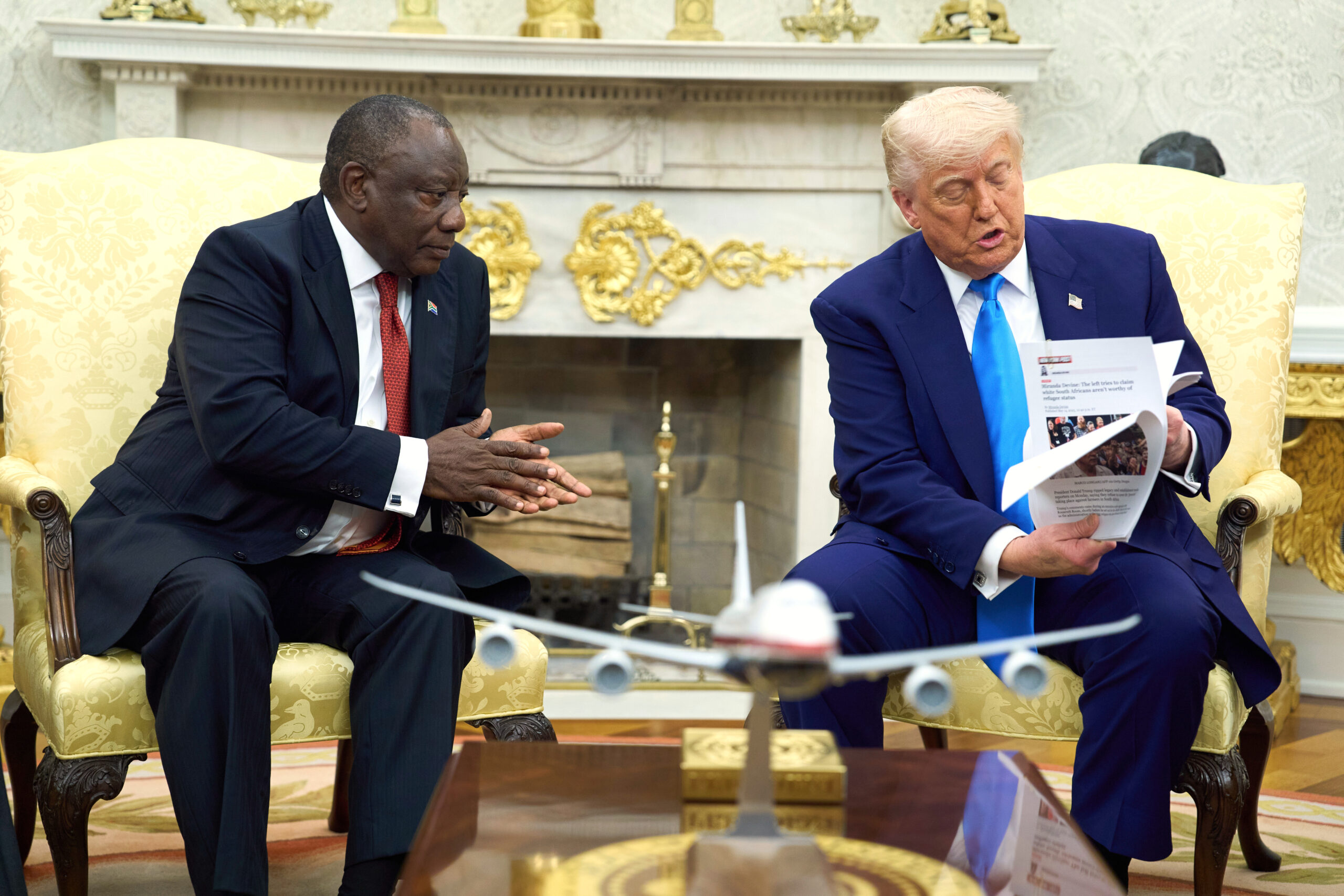
Leaders and civil society groups in conflict-affected regions have become more vocal in criticizing externally driven peace processes. Many argue that international peace initiatives often prioritize international consensus over local realities.
In Africa, the Middle East, and parts of Asia, local actors increasingly call for regional leadership and community-based approaches. They stress that peace agreements imposed from outside, without local ownership, rarely survive changes in political conditions.
These perspectives have forced diplomats to reconsider how peace processes are designed and implemented.
Peacebuilding Amid Great Power Competition
Renewed rivalry among major powers has reshaped global diplomacy. Strategic competition now influences where peace efforts receive support and where they stall.
In some conflicts, peace negotiations have become arenas for broader geopolitical contests, complicating mediation efforts and reducing trust among parties. As a result, international peace initiatives are often shaped as much by global power dynamics as by the needs of those directly affected by violence.
This environment has made neutrality harder to maintain and consensus more elusive.
Technology and the Transformation of Diplomacy
Digital tools have transformed how diplomacy is conducted. Satellite imagery, real-time communications, and data analytics now support ceasefire monitoring, humanitarian access, and early warning systems.
These innovations have expanded the toolkit available to peacebuilders. However, experts caution that technology cannot replace political will or institutional legitimacy. International peace initiatives that rely heavily on technical solutions without addressing underlying political grievances often struggle to achieve lasting impact.
Technology, they argue, is an enabler, not a substitute for diplomacy.
Public Opinion and the Crisis of Confidence
Public trust in diplomacy has weakened in many countries. Media scrutiny, social networks, and political polarization have made peace efforts more visible but also more vulnerable to criticism.
Initiatives perceived as elite-driven or disconnected from public concerns often face backlash, limiting governments’ willingness to commit resources. This has added a new layer of complexity to international peace initiatives, which must now balance diplomatic confidentiality with demands for transparency and accountability.
Public skepticism has become a significant constraint on peacebuilding.
Measuring Success Beyond Ceasefires
Modern peacebuilding increasingly recognizes that the absence of violence is not enough. Durable peace depends on governance reform, economic recovery, justice mechanisms, and social reconciliation.
This broader understanding has reshaped expectations for international peace initiatives. Success is now measured not only by signed agreements but by whether institutions can function, economies can recover, and societies can heal.
The expanded scope of peacebuilding has made outcomes harder to achieve but also more meaningful when they succeed.
Diplomatic Fatigue and Institutional Overload
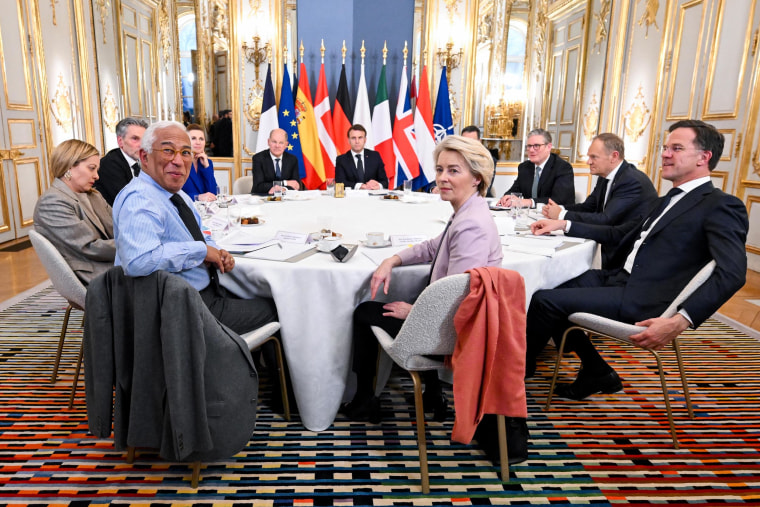
As global crises multiply, diplomatic institutions face resource strain and attention fatigue. Governments are forced to prioritize, often leaving some conflicts under-resourced or overlooked.
This reality has intensified scrutiny of international peace initiatives, with policymakers demanding clearer objectives, timelines, and exit strategies. In a crowded diplomatic field, initiatives that cannot demonstrate progress risk losing support.
Diplomatic fatigue has become a defining feature of the current era.
Calls for Coherence and Consolidation
In response to fragmentation, calls have grown for greater coherence in peacebuilding. Many diplomats argue that strengthening existing frameworks is more effective than launching new ones.
This approach emphasizes coordination, information sharing, and division of labor among mediators. International peace initiatives that align with broader diplomatic strategies are increasingly favored over isolated or personality-driven efforts.
Coherence, advocates argue, is essential for restoring credibility.
The Role of Regional Organizations
Regional organizations have taken on growing importance in peacebuilding. Their proximity, cultural understanding, and political stakes often give them leverage that distant actors lack.
In many conflicts, regional bodies now play leading roles, with global institutions providing support rather than direction. This shift has reshaped how international peace initiatives are structured, emphasizing partnership rather than hierarchy.
Regional leadership is increasingly seen as a prerequisite for success.
Learning From Past Failures
The history of peacebuilding is filled with hard lessons. Failed agreements, broken ceasefires, and renewed violence have underscored the dangers of rushed negotiations and incomplete settlements.
These experiences have influenced current debates about international peace initiatives, encouraging greater caution and realism. Policymakers increasingly acknowledge that peace processes must be inclusive, adaptable, and resilient to political change.
Learning from failure has become central to reform efforts.
The Future Architecture of Peace
Looking ahead, diplomats anticipate a more selective approach to peacebuilding. Rather than launching numerous initiatives, governments are likely to focus on fewer efforts with stronger institutional backing and clearer mandates.
This evolution reflects a recognition that credibility, not quantity, determines impact. International peace initiatives that demonstrate coordination, legitimacy, and sustained commitment are expected to shape the next phase of global diplomacy.
The architecture of peace is evolving toward depth rather than breadth.
A Test of Cooperation in a Fragmented World
As 2026 unfolds, international peace initiatives stand at a critical juncture. The challenges they face are not only external but structural, rooted in how diplomacy is organized and exercised.
Whether peacebuilding can adapt to a fragmented world without losing legitimacy will determine its relevance in the years ahead. The outcome of this debate will shape not only individual conflicts but the future of global cooperation itself.