


DETROIT, February 13, 2026 — According to Parliament News, that The battery supply chain EV sector has become one of the most closely watched components of the global auto industry. In Detroit 2026, executives, policymakers, and investors are evaluating how the battery supply chain EV landscape will influence electric vehicle production, pricing stability, and long term market growth.
Electric vehicles are no longer a niche segment. They represent a structural shift in transportation. At the center of this transformation lies the battery supply chain EV ecosystem, which determines manufacturing capacity, cost competitiveness, and geopolitical exposure.
Why Batteries Define the EV Revolution
Batteries account for a substantial share of total EV production costs. The battery supply chain EV network includes raw material mining, chemical processing, cell manufacturing, module assembly, and final vehicle integration.
Lithium, nickel, cobalt, and graphite remain core materials. Any disruption in extraction or refinement can affect production schedules worldwide. Automakers increasingly view battery procurement not as a supplier relationship but as a strategic partnership.
The strength of the battery supply chain EV framework often determines whether companies can meet delivery forecasts.
Raw Materials and Geopolitical Risk
Global supply of battery minerals is geographically concentrated. Lithium production is heavily centered in Australia and South America, while cobalt extraction remains closely linked to African markets.
This concentration introduces geopolitical risk. Governments are investing in domestic mining projects to reduce dependency. The battery supply chain EV conversation now intersects with trade policy, national security, and industrial planning.
Diversifying mineral sourcing has become a priority for both manufacturers and policymakers.
Processing and Refining Capacity
Mining represents only the first stage. Processing and refining materials into battery grade chemicals are equally critical. Currently, much of the refining capacity is concentrated in Asia.
To strengthen resilience, new facilities are being developed in North America and Europe. Expanding refining capabilities can shorten transit times and reduce exposure to global shipping disruptions.
The evolution of refining infrastructure will significantly shape the battery supply chain EV outlook over the next decade.
Manufacturing Expansion in 2026
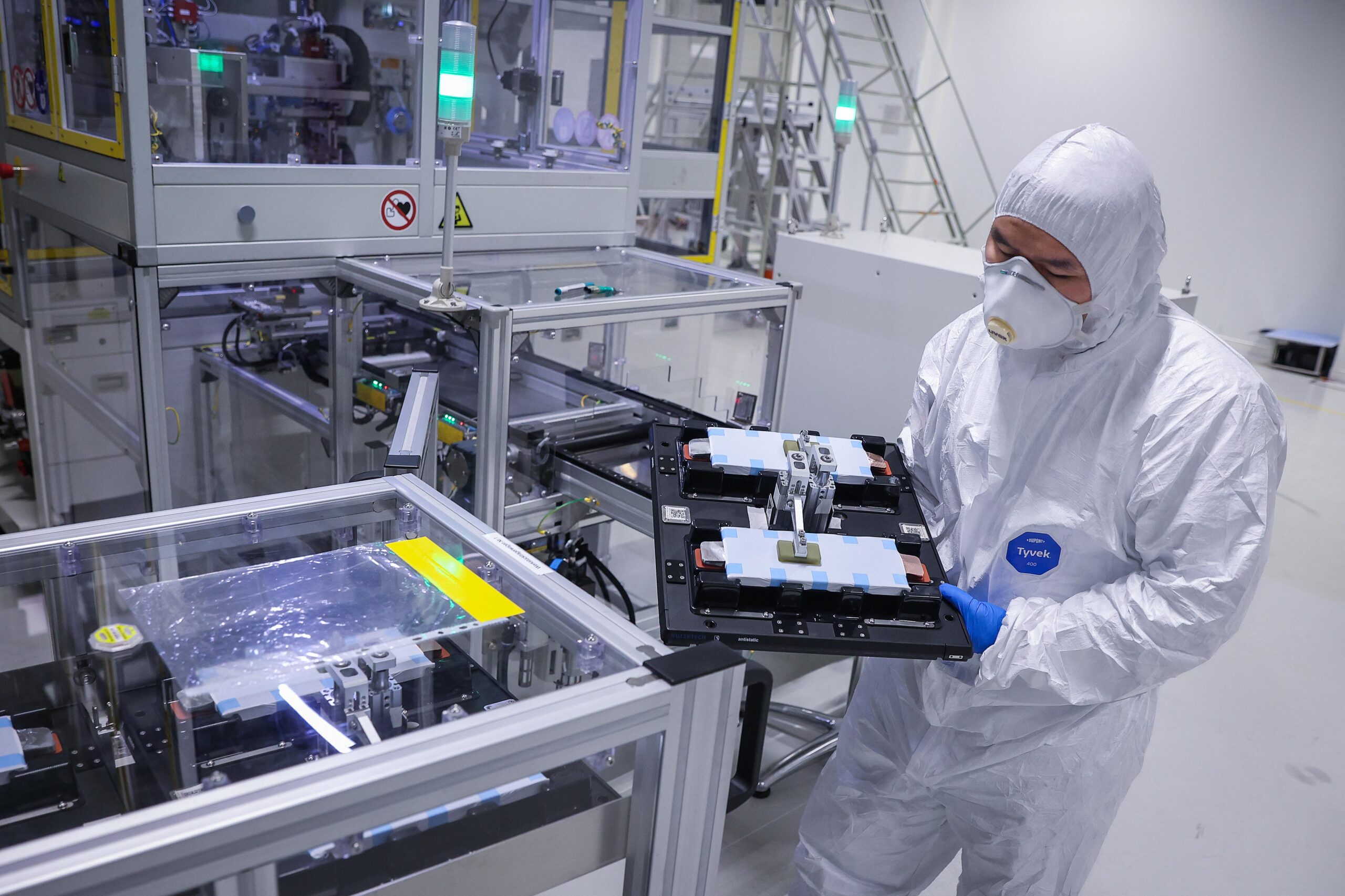
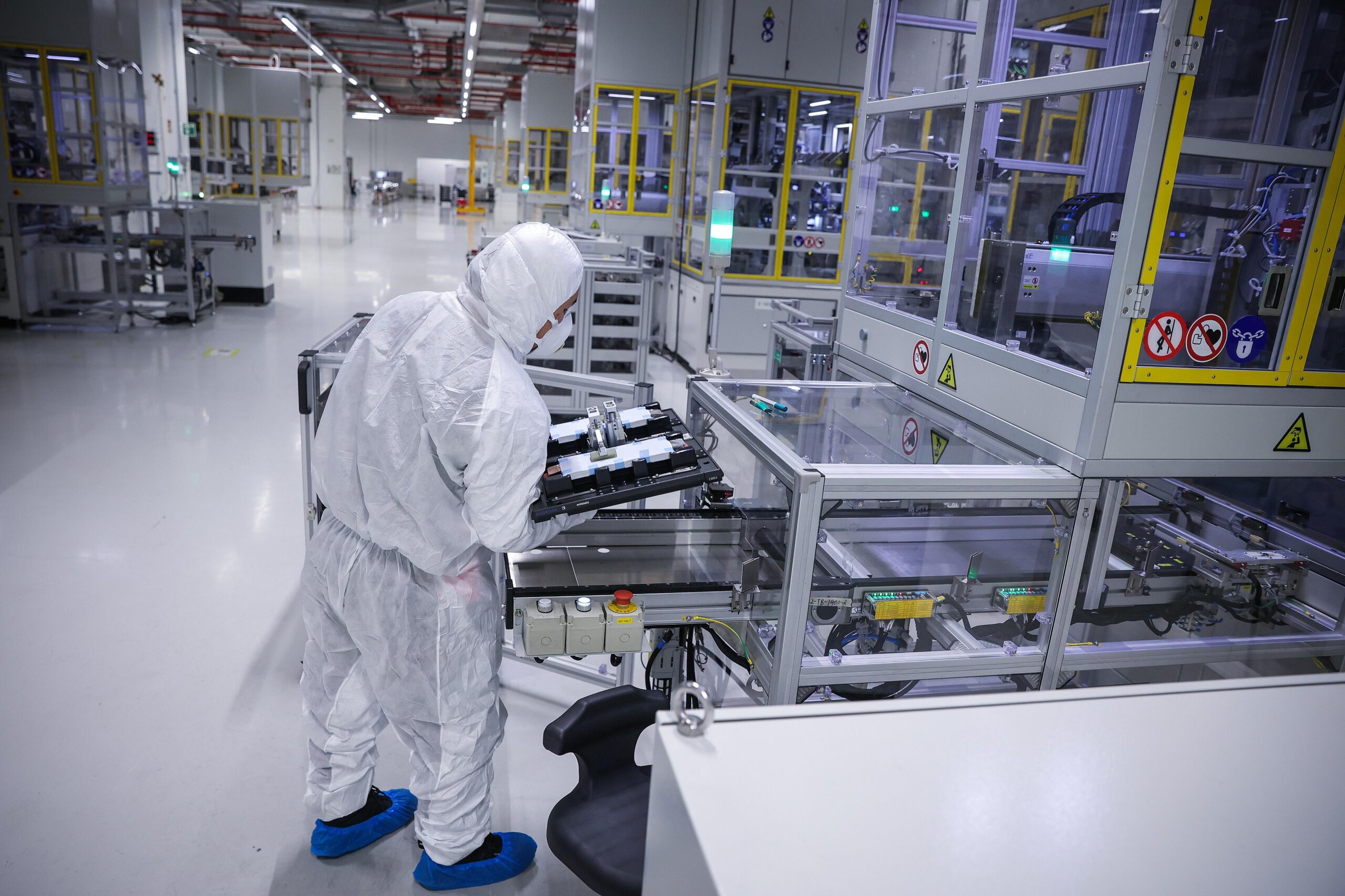
Gigafactory construction continues at an accelerated pace. Automakers are partnering with battery producers to secure long term supply contracts and joint ventures.
New manufacturing hubs aim to localize production and reduce transportation costs. This localization trend supports job creation and economic development while enhancing resilience.
Scaling production efficiently is essential to meet growing EV demand projections.
Technology Innovation and Efficiency Gains
Battery chemistry innovation plays a pivotal role in cost reduction and performance improvement. Advances in lithium iron phosphate and solid state technologies promise higher energy density and improved safety.
Technological progress can relieve pressure within the battery supply chain EV ecosystem by improving efficiency and reducing reliance on scarce materials.
Continuous research investment remains critical to maintaining competitive advantage.
Cost Pressures and Pricing Stability
Raw material price volatility directly influences vehicle pricing. In recent years, lithium prices have fluctuated sharply, impacting profit margins.
Automakers are increasingly negotiating long term fixed price agreements to stabilize input costs. Improved recycling capabilities may also ease supply constraints.
A balanced battery supply chain EV structure can mitigate extreme price swings and improve forecasting accuracy.
Recycling and Circular Economy Solutions
Battery recycling has emerged as a strategic priority. Recovering lithium, cobalt, and nickel from used batteries reduces reliance on new mining.
Several companies are investing in large scale recycling facilities. These initiatives support environmental sustainability while reinforcing material security.
Recycling innovation adds resilience to the battery supply chain EV ecosystem by creating secondary supply streams.
Government Policy and Incentives
Policy frameworks significantly shape industry direction. Tax credits, manufacturing subsidies, and clean energy mandates encourage domestic battery production.
In 2026, regulatory incentives are accelerating investment in local facilities. Policymakers emphasize economic independence and environmental objectives simultaneously.
Supportive legislation strengthens long term stability in the battery supply chain EV environment.
Infrastructure and Energy Integration
EV growth depends not only on vehicles but also on charging infrastructure and grid integration. Battery production must align with renewable energy expansion to maximize sustainability benefits.
Manufacturers increasingly seek renewable powered factories to reduce carbon intensity. Energy storage technology also supports grid stability during peak demand periods.
The interconnected nature of energy systems reinforces the strategic importance of battery supply planning.
Investor Confidence and Capital Allocation
Institutional investors closely monitor production capacity, mineral access, and cost efficiency. Capital flows into battery manufacturers and mining companies reflect long term confidence in electrification trends.
Private equity and sovereign wealth funds have increased exposure to energy transition assets. The stability of the battery supply chain EV landscape influences valuation multiples and merger activity.
Financial markets reward predictable supply arrangements and diversified sourcing strategies.
Competitive Landscape
Major automakers compete to secure exclusive mineral contracts and advanced battery technology licenses. Partnerships between automotive companies and chemical producers are expanding.
Startups specializing in next generation chemistry are attracting venture funding. Competition drives innovation but also intensifies the race for scarce resources.
Strategic alignment within the battery supply chain EV framework can create sustainable competitive advantages.

Workforce and Skill Development
Rapid expansion of battery manufacturing requires skilled labor in engineering, chemistry, and automation. Training programs and university partnerships are expanding to meet workforce needs.
Workforce development ensures operational continuity and technological progress. Skilled technicians and researchers are central to maintaining production quality.
Human capital investment complements infrastructure growth.
Environmental and Ethical Considerations
Sustainability concerns extend beyond emissions reduction. Ethical sourcing of minerals and responsible mining practices remain under scrutiny.
Companies increasingly publish transparency reports detailing supplier standards and environmental impact assessments.
Responsible governance strengthens public trust and long term industry viability.
Outlook for the Remainder of 2026
Production forecasts indicate continued EV adoption growth. Manufacturers aim to reduce per kilowatt hour costs while increasing output volumes.
Strategic investments in local mining, refining, and recycling are expected to improve supply reliability. Analysts predict incremental improvements in efficiency and cost stability.
The trajectory suggests steady expansion rather than explosive volatility.
The Core of the Electric Transition
The battery supply chain EV system sits at the heart of the global transportation transformation. In Detroit 2026, discussions among industry leaders center on resilience, innovation, and strategic autonomy.
Electric vehicles represent more than consumer preference. They embody industrial policy, environmental ambition, and technological competition. The robustness of supply networks will determine whether production targets are achieved and whether costs decline sufficiently for widespread adoption.
As global demand accelerates, collaboration across mining, manufacturing, policy, and research sectors becomes increasingly essential. The evolving structure of battery sourcing and processing will define the next chapter of the automotive industry.
In this rapidly shifting landscape, preparedness and strategic investment remain the keys to sustaining momentum in electrification. The strength and adaptability of the battery supply chain EV ecosystem will continue to influence markets, governments, and manufacturers alike.