Belgium — January 2026 – According to parliament news Europe’s political capital at the heart of renewed global attention as senior diplomats, policy planners, and international institutions converge to reassess Middle East engagement at a moment of strategic uncertainty. Against this backdrop, renewed debate surrounding the Kushner Middle East strategy signals how unresolved regional crises continue to shape diplomatic priorities far beyond the region itself.
The convergence of European, Middle Eastern, and transatlantic voices in Brussels reflects growing concern that fragmented approaches have failed to deliver durable stability.
Why 2026 Marks a Turning Point in Middle East Diplomacy
The year 2026 has emerged as a defining moment for international diplomacy. After years of conflict fatigue, humanitarian strain, and political deadlock, global actors are reconsidering how peace frameworks are constructed, funded, and enforced.
Within this reassessment, the Kushner Middle East strategy has resurfaced as a reference framework—not as a finished solution, but as a catalyst for debate on economic-first diplomacy and regional integration.
The Strategic Legacy Behind Renewed Attention
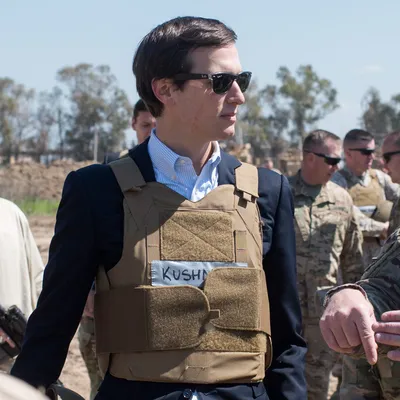
The renewed discussion traces back to the diplomatic footprint left by Jared Kushner, whose approach during earlier U.S. engagement challenged traditional peace-process sequencing. Rather than prioritizing political agreements first, the strategy emphasized economic normalization as a foundation for political compromise.
That legacy continues to influence policy thinking in Brussels, particularly among officials seeking alternatives to stalled negotiation formats.
Economic Normalization as a Stabilizing Force
A central pillar of the Kushner Middle East strategy is the belief that economic recovery can reduce the incentives for conflict. Infrastructure development, cross-border trade, and private investment are framed as mechanisms to restore dignity and opportunity in conflict-affected societies.
European financial institutions reviewing these concepts argue that economic collapse has repeatedly undermined ceasefires and political deals, making recovery a security issue rather than a secondary concern.
Security Coordination Beyond Traditional Models
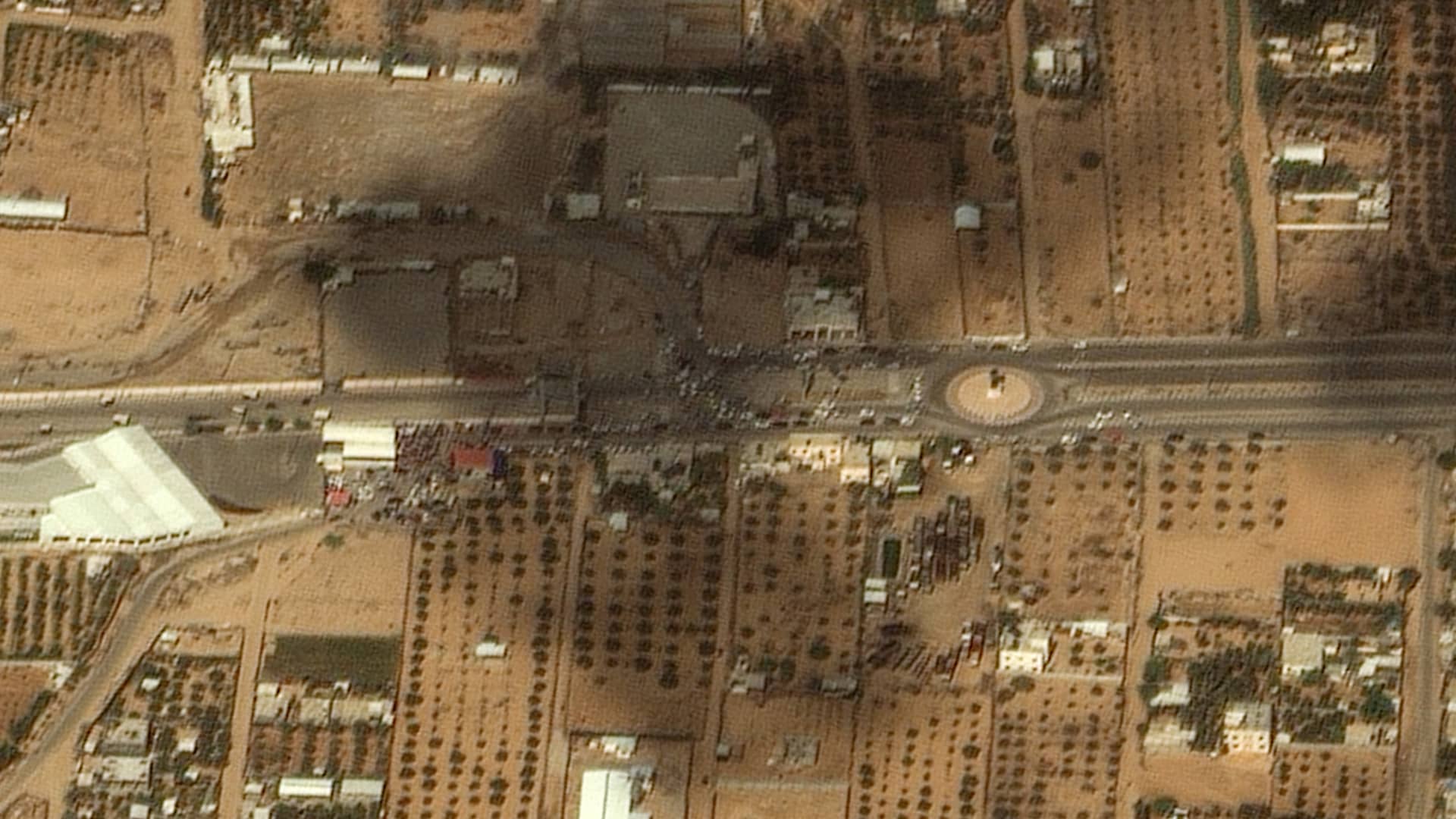
Security remains inseparable from diplomacy. The Kushner Middle East strategy proposed shifting away from unilateral enforcement toward shared regional responsibility, supported by international oversight.
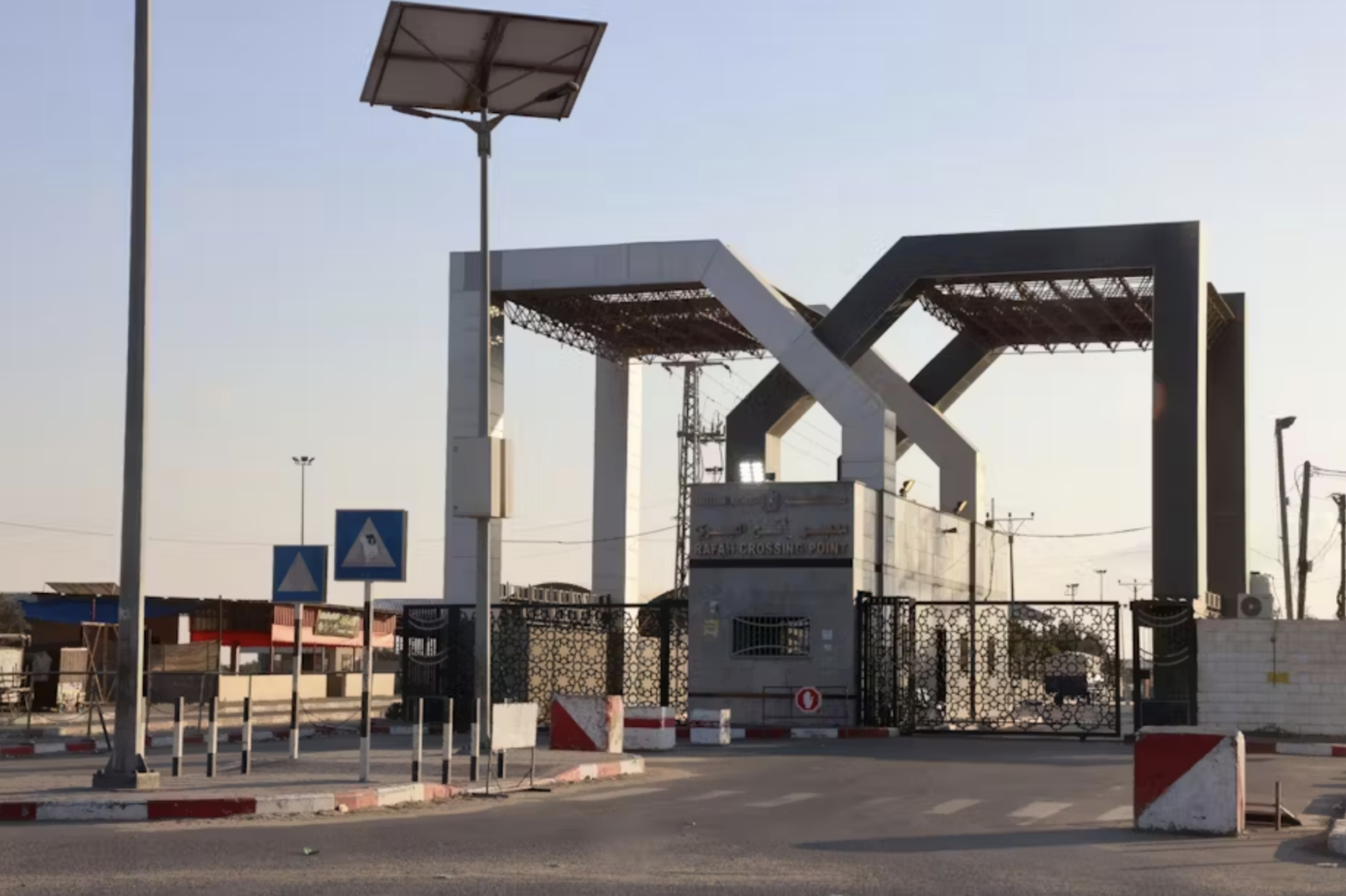
In Brussels, defense analysts stress that future security models must integrate border control, intelligence cooperation, and civilian protection, particularly in densely populated zones vulnerable to repeated escalation.
Humanitarian Access as Diplomatic Credibility
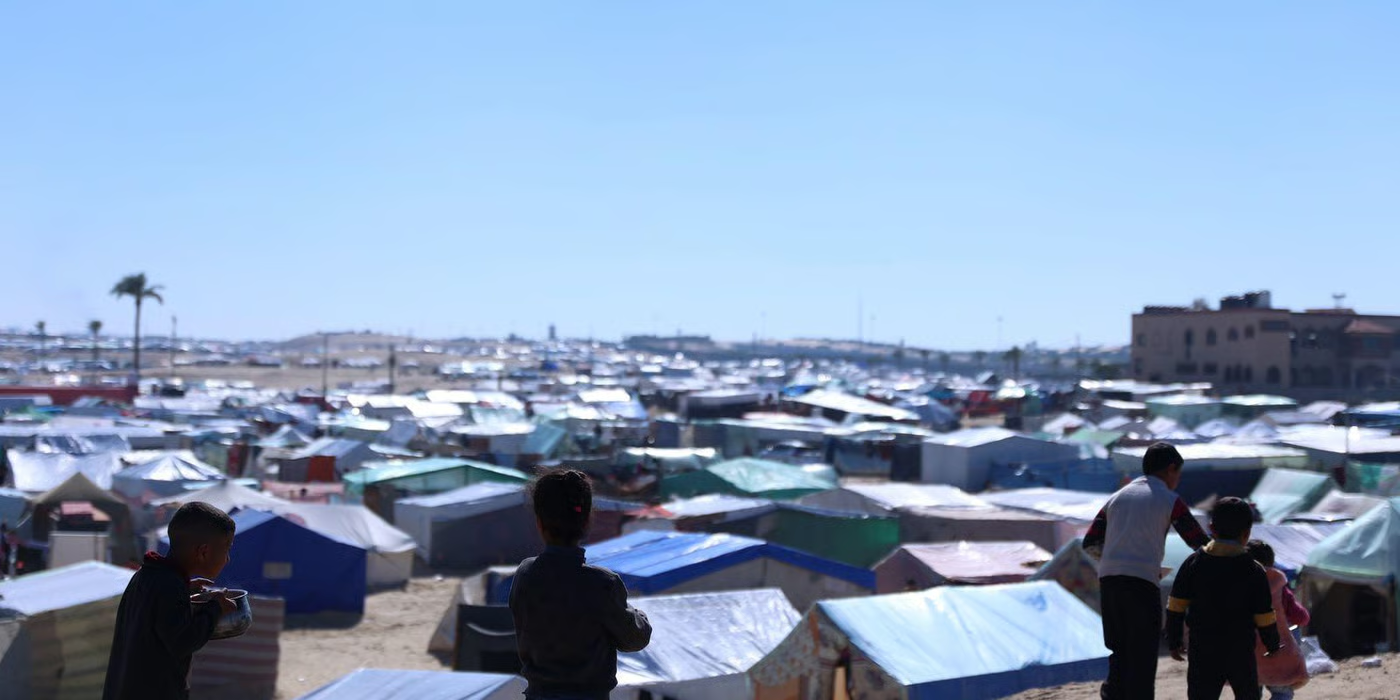
Humanitarian access has moved from the margins to the center of diplomatic evaluation. As the Kushner Middle East strategy is reassessed, aid corridors, medical access, and civilian evacuation protocols are treated as core indicators of credibility.
European humanitarian officials emphasize that no diplomatic framework can succeed if civilian suffering remains unresolved or politicized.
European Union’s Strategic Calculations
For the European Union, engagement with Middle East frameworks is driven by direct strategic interests. Migration flows, energy security, and regional trade stability all link Middle Eastern developments to European domestic realities.
EU policymakers examining the Kushner Middle East strategy stress the importance of multilateral governance, transparency, and compliance with international humanitarian law.
Political Fragmentation and Governance Challenges
Despite renewed attention, political fragmentation remains a major obstacle. Governance legitimacy, institutional weakness, and public mistrust continue to complicate implementation prospects.
Analysts caution that the Kushner Middle East strategy cannot function in isolation from inclusive political processes capable of translating economic gains into durable stability.
International Responses Remain Cautious
Global reactions to renewed strategic debate remain measured. While some regional actors welcome pragmatic engagement, others express concern that economic-driven frameworks risk sidelining political accountability.
A senior European diplomat attending the Brussels discussions stated,
“Any approach that hopes to endure must protect civilians, uphold dignity, and offer real opportunity rather than symbolic progress.”
Comparisons With Past Peace Initiatives
Historical comparisons loom large in Brussels policy circles. Previous peace initiatives faltered due to enforcement gaps, inconsistent funding, and lack of local ownership.
Supporters argue that lessons learned have influenced how the Kushner Middle East strategy is now evaluated, with greater emphasis on sequencing, monitoring, and accountability.
Regional Economic Integration and Trade Corridors
One of the most forward-looking elements under discussion is regional economic integration. Trade corridors, logistics hubs, and shared infrastructure projects are viewed as confidence-building measures.
Advocates say such integration strengthens the logic of the Kushner Middle East strategy, though critics warn that political instability could derail long-term investment.
Public Opinion and Information Transparency
Public perception remains deeply divided. In parts of the Middle East, reconstruction-focused diplomacy is welcomed as a path toward normalcy. Elsewhere, skepticism persists toward externally driven initiatives.
European media coverage reflects this tension, scrutinizing both the ethical implications and strategic effectiveness of reviving earlier frameworks.
Technology, Infrastructure, and Modern Diplomacy
Digital infrastructure, energy grids, and water systems have emerged as strategic assets rather than technical details. Policymakers note that modern diplomacy must address infrastructure resilience alongside political agreements.
This perspective has reinforced interest in development-centric elements of the Kushner Middle East strategy.
The Role of Multilateral Institutions
Multilateral institutions are expected to play a decisive role if renewed frameworks advance. Financial oversight, compliance mechanisms, and humanitarian monitoring are all viewed as essential safeguards.
Brussels-based institutions emphasize that legitimacy depends on collective stewardship rather than unilateral leadership.
Risks of Strategic Overreach
Critics caution against over-ambition. Without realistic timelines and political buy-in, even well-designed frameworks can falter.
They warn that the Kushner Middle East strategy must be adapted to present realities rather than replicated wholesale from earlier contexts.
Geopolitical Spillover Effects
Middle East instability continues to generate spillover effects across global markets and security alliances. Energy prices, shipping routes, and migration pressures all factor into European strategic planning.
This interconnectedness explains why Brussels has become a focal point for reassessing regional diplomacy.
Policy Debates Shape the 2026 Diplomatic Agenda
Throughout 2026, Brussels is expected to host additional policy forums addressing Middle East stabilization. These discussions will influence funding priorities, diplomatic engagement, and security coordination.
The Kushner Middle East strategy remains one of several reference models shaping these debates rather than a singular roadmap.
Civil Society and Humanitarian Voices
Civil society organizations continue to press for inclusion and accountability. They argue that economic frameworks must complement—not replace—human rights protections.
Their engagement has added nuance to policy discussions surrounding the Kushner Middle East strategy.
Media Scrutiny and Political Accountability
Media scrutiny remains intense as policymakers navigate complex trade-offs. Transparency, funding sources, and implementation metrics are closely examined.
Brussels journalists note that sustained coverage plays a critical role in maintaining accountability.
Strategic Outlook Beyond 2026
Looking ahead, diplomats emphasize that no single framework will resolve decades-old conflicts. Instead, progress will depend on incremental gains, trust-building, and institutional resilience.
The Kushner Middle East strategy influences this outlook by shaping how economic and political dimensions are balanced.
Brussels and the Evolution of Peace Frameworks
Brussels’ role as a diplomatic convenor highlights the evolution of peace frameworks in a multipolar world. Economic statecraft, humanitarian law, and security cooperation now intersect more closely than ever.
This convergence defines modern diplomacy.
A Defining Moment for Global Engagement
As global leaders confront overlapping crises, the debates unfolding in Brussels underscore the challenge of designing strategies that are both pragmatic and principled.
The future of Middle East diplomacy will be shaped as much by implementation as by intent.
Brussels 2026 and the Long Road Ahead
The 2026 diplomatic season in Brussels underscores a central truth: durable peace requires patience, credibility, and sustained commitment. As old ideas are reassessed and new realities emerge, the challenge lies in transforming strategic debate into tangible progress for populations long caught between conflict and hope.