

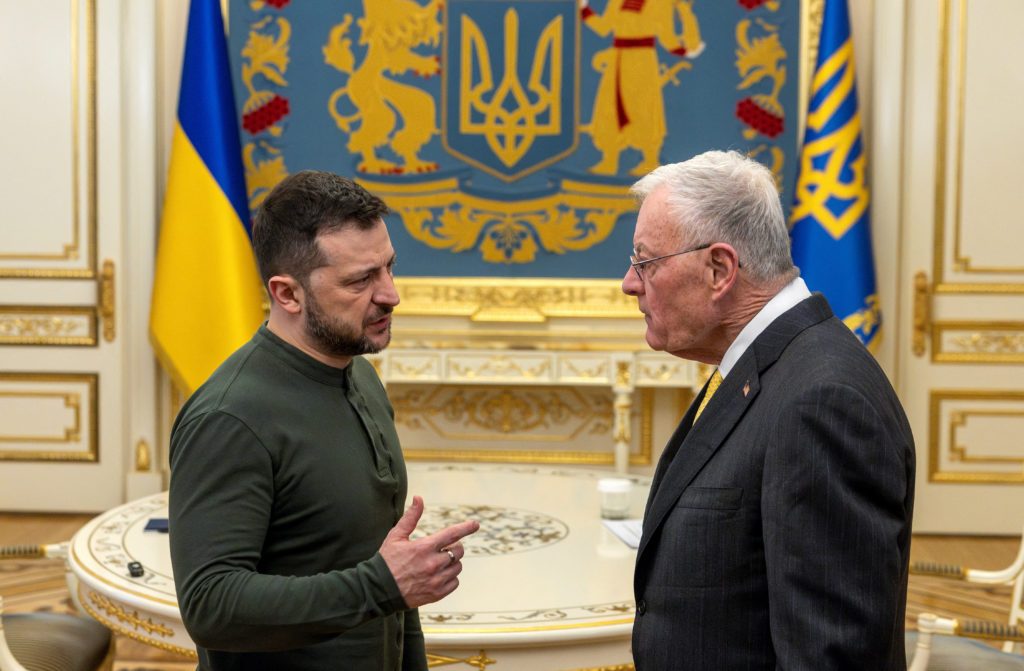
Kyiv, January 2026 — parliament news notes that Ukraine peace discussions have taken on increased diplomatic visibility as senior officials in Kyiv and allied capitals intensify consultations on how a future end to the war could be structured. The conversations, while still preliminary, reflect a shift toward longer-term strategic thinking as the conflict continues into another year. Political leaders emphasize that preparation and coordination among partners are essential before any formal negotiations can realistically occur.
The renewed attention places Ukraine at the heart of a global diplomatic effort balancing military realities, international law, and the demand for lasting security across Europe.
A Gradual Shift in Diplomatic Language
Over recent months, official statements have subtly evolved. Where messaging once focused almost exclusively on military assistance and sanctions, diplomatic language now increasingly references frameworks, principles, and coordination. Within Ukraine peace discussions, this shift signals an effort to define what an acceptable and durable outcome might look like, even while fighting persists.
Officials stress that such language does not imply urgency for talks, but rather readiness should circumstances change.
Leadership Signals From Kyiv
President Volodymyr Zelenskyy has reiterated that diplomacy must align with Ukraine’s sovereignty and internationally recognized borders. At the same time, Ukrainian officials acknowledge that Ukraine peace discussions are becoming more frequent in conversations with allies, reflecting an understanding that war termination planning is an essential responsibility of state leadership.
Kyiv’s approach has been careful, emphasizing preparation rather than concession, and clarity rather than ambiguity.
The United States and Strategic Coordination
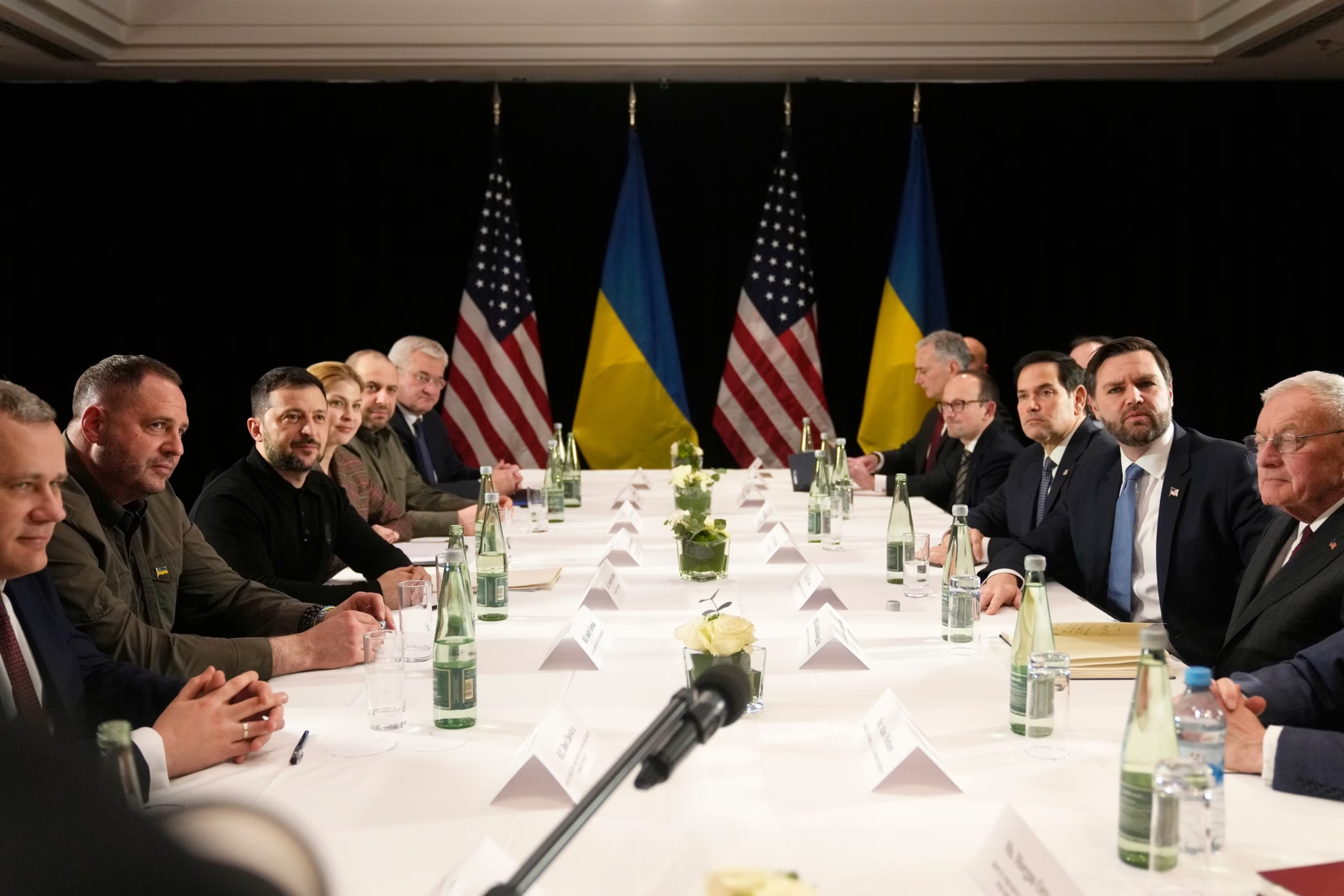
The United States continues to play a central role in aligning diplomatic positions among Ukraine’s supporters. As Ukraine peace discussions gain depth, Washington has focused on ensuring that any exploratory dialogue remains consistent with Ukraine’s stated goals and international legal norms.
Officials describe this coordination as vital to preventing fragmentation among allies and maintaining leverage.
European Engagement and Continental Security
European governments view Ukraine’s future as inseparable from the continent’s security architecture. Within Ukraine peace discussions, European leaders emphasize deterrence, accountability, and reconstruction as interlinked elements rather than isolated issues.
Brussels, Berlin, and Paris have all underscored that stability in Ukraine underpins broader economic and security confidence across the European Union.
Frameworks Before Formal Talks
Diplomatic sources describe the current phase as one of conceptual alignment. Rather than negotiating terms, Ukraine peace discussions focus on defining non-negotiable principles such as territorial integrity, security guarantees, and postwar justice mechanisms.
This preparatory work is seen as essential to avoiding confusion or weakened positions if talks eventually materialize.
Military Developments and Diplomatic Timing
Battlefield dynamics remain a decisive factor. Analysts observe that Ukraine peace discussions often intensify during periods of reassessment, when military momentum stabilizes and strategic costs are recalculated.
This interplay between military and diplomatic tracks illustrates how modern conflicts increasingly require simultaneous planning across multiple domains.
Domestic Perspectives Inside Ukraine
Within Ukraine, public opinion remains shaped by lived experience of war. Government officials are therefore cautious in how Ukraine peace discussions are presented domestically, emphasizing resilience and defense while acknowledging the necessity of long-term planning.
Political commentators note that transparency will be critical to maintaining trust if diplomatic initiatives become more visible.
Economic Recovery as a Diplomatic Pillar
Reconstruction planning has emerged as a major component of diplomatic engagement. In Ukraine peace discussions, economic recovery is framed not merely as a postwar task, but as a stabilizing force that can support peace itself.
International financial institutions and donor governments are already assessing investment frameworks tied to governance reforms and security assurances.
Global Attention Beyond Europe
The war’s global repercussions ensure that Ukraine peace discussions resonate far beyond the region. Food security, energy markets, and geopolitical alignments across Asia, Africa, and the Middle East are all influenced by the conflict’s trajectory.
As a result, diplomatic consultations increasingly include perspectives from non-European partners concerned about long-term stability.
Information Management and Strategic Messaging
Managing public expectations has become a strategic challenge. Officials involved in Ukraine peace discussions aim to strike a balance between openness and restraint, avoiding premature optimism while signaling responsible statecraft.
Clear communication is viewed as essential to preventing misinformation and market volatility.
Legal Principles and Accountability
International law remains a cornerstone of diplomatic planning. Within Ukraine peace discussions, accountability mechanisms for wartime actions are treated as foundational rather than optional components of any future settlement.
Legal experts emphasize that durable peace depends on justice frameworks that reinforce, rather than undermine, global norms.
Security Guarantees and Long-Term Deterrence
Security arrangements are among the most complex elements under consideration. Ukraine peace discussions increasingly intersect with broader debates about defense cooperation, deterrence, and collective security in Europe.
These conversations reflect recognition that postwar stability requires credible guarantees rather than temporary assurances.
Expert Viewpoint
One senior European policy adviser said,
“Diplomacy succeeds when preparation matches principle, ensuring that any future talks reinforce stability rather than postpone conflict.”
The perspective highlights why groundwork is viewed as indispensable.
Media Scrutiny and International Perception
Global media attention has intensified scrutiny of diplomatic signals. Managing narratives around Ukraine peace discussions is therefore critical, as misinterpretation can influence public opinion, investor confidence, and diplomatic relationships.
Officials stress accuracy and consistency to avoid unintended consequences.
Challenges That Remain
Despite growing engagement, obstacles remain significant. Trust deficits, unresolved territorial questions, and security concerns continue to complicate Ukraine peace discussions, underscoring that progress is neither linear nor guaranteed.
Diplomats caution that patience and realism are essential as the process evolves.
Long-Term Vision for Regional Stability
Beyond ending active hostilities, policymakers are considering the broader implications for Europe’s future. Ukraine peace discussions increasingly align with conversations about rebuilding regional security frameworks adapted to a changing geopolitical environment.
These debates signal that the war’s outcome will shape strategic thinking for decades.
Preparation as Policy
As 2026 unfolds, Ukraine peace discussions reflect a deliberate phase of diplomatic preparation rather than immediate negotiation. While military realities remain central, the expanding focus on frameworks, principles, and coordination suggests that the international community is laying groundwork for a future moment when diplomacy may become decisive.
The pace and outcome of these discussions will depend on conditions on the ground, but their growing prominence marks an important evolution in how the conflict’s future is being addressed.