

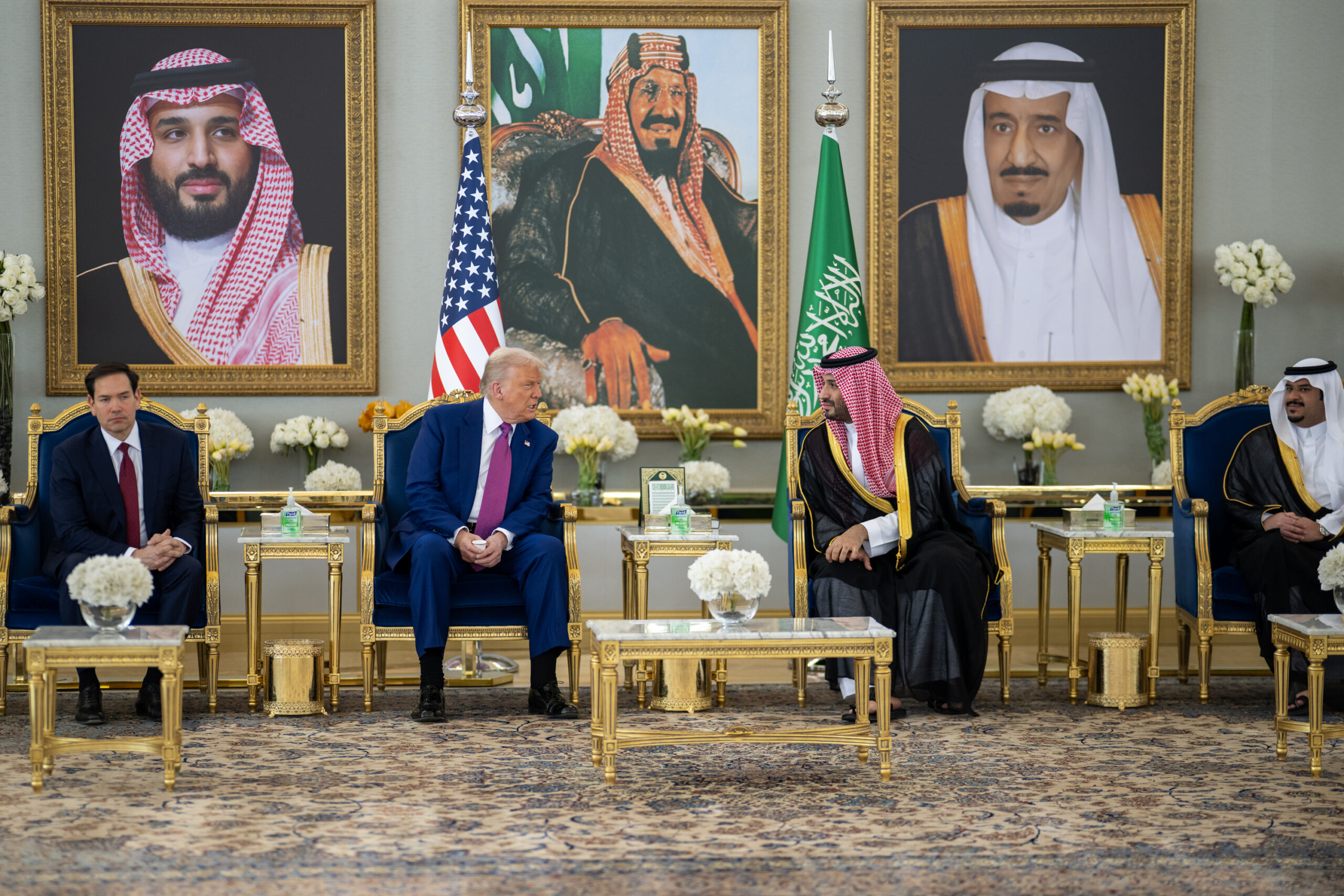
Gaza City, January, 2026 — Parliament News, as renewed international diplomacy unfolds amid continued violence, political uncertainty, and humanitarian strain. Regional mediators and global powers are pressing for progress toward a Gaza peace deal at a moment many diplomats describe as one of the most fragile yet consequential phases in years of stalled negotiations.
A Region Once Again at a Crossroads
Gaza has long stood at the intersection of unresolved conflict and international diplomacy. The current phase is marked by heightened urgency as civilian suffering, regional instability, and global political pressure converge. Diplomatic activity has increased sharply, with envoys shuttling between capitals in an effort to prevent escalation and stabilize conditions. At the center of these efforts is the Gaza peace deal, viewed by many officials as a necessary step to halt cycles of violence that have repeatedly undermined trust.
The Security Reality on the Ground
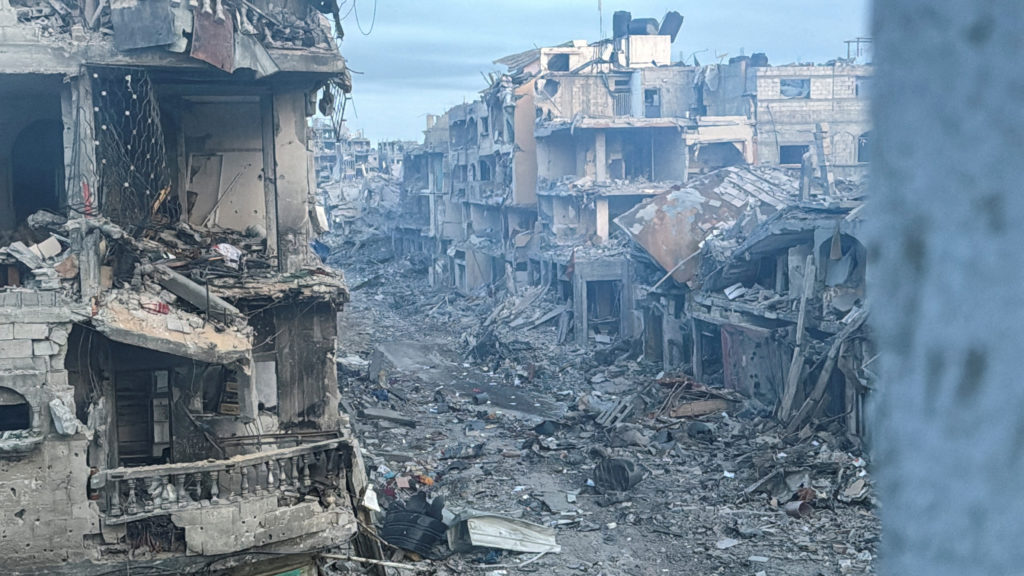
Despite diplomatic momentum, the situation on the ground remains volatile. Military activity near densely populated areas has continued, creating a constant risk of civilian casualties. Security analysts warn that even isolated incidents can derail talks entirely. Each development is closely monitored by negotiators, who understand that progress toward a Gaza peace deal depends on restraint as much as political will.
International Mediation Intensifies
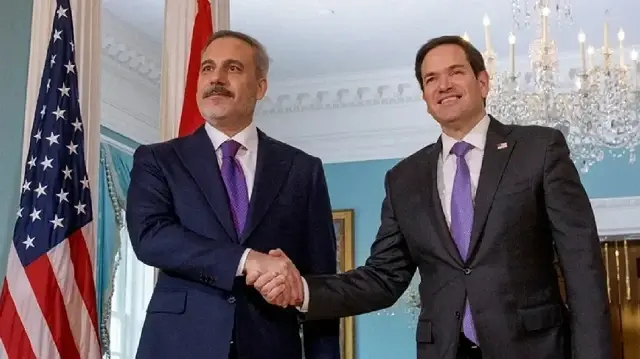
A complex network of mediators is now involved, including regional governments, Western powers, and international organizations. Their coordination reflects recognition that unilateral efforts have failed in the past. Diplomats say current discussions aim to align ceasefire mechanisms with political incentives, ensuring that short term calm feeds into longer term objectives linked to a Gaza peace deal.
Washington’s Renewed Diplomatic Engagement
The United States has reentered the diplomatic arena with a renewed sense of urgency. Donald Trump has indicated support for diplomatic efforts that combine security guarantees with economic incentives. Advisors describe the approach as transactional but realistic, focused on outcomes rather than symbolism. This engagement has raised expectations that momentum around the Gaza peace deal could be sustained beyond temporary ceasefires.
Israeli Political and Security Calculations
Israeli leaders continue to emphasize national security as their primary concern. Officials argue that any diplomatic framework must prevent future attacks and dismantle militant capabilities. At the same time, some political figures acknowledge that prolonged instability carries strategic costs. Within Israel, debate continues over whether a Gaza peace deal can deliver lasting security or merely delay future confrontations.
Palestinian Leadership Under Pressure
Palestinian leaders in Gaza face mounting pressure from a population exhausted by years of conflict, economic isolation, and infrastructure collapse. Public confidence in diplomacy has been eroded by repeated failures. Supporters argue that even incremental progress toward a Gaza peace deal could ease daily hardships, while critics fear concessions without guarantees may deepen vulnerability.
Humanitarian Conditions Drive Diplomatic Urgency
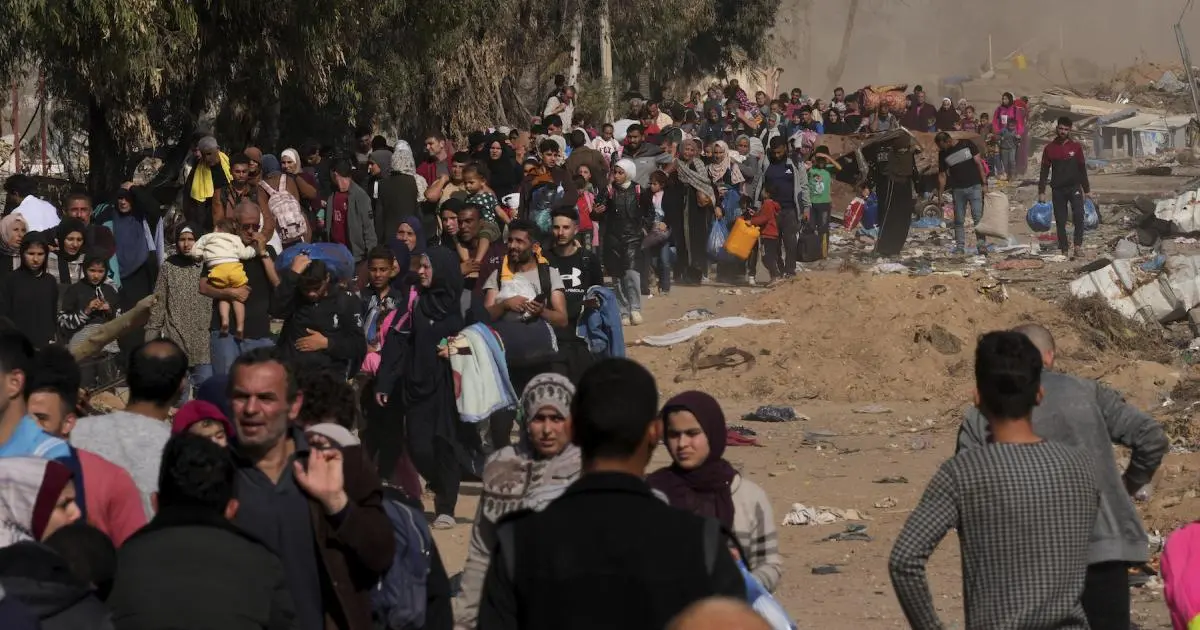
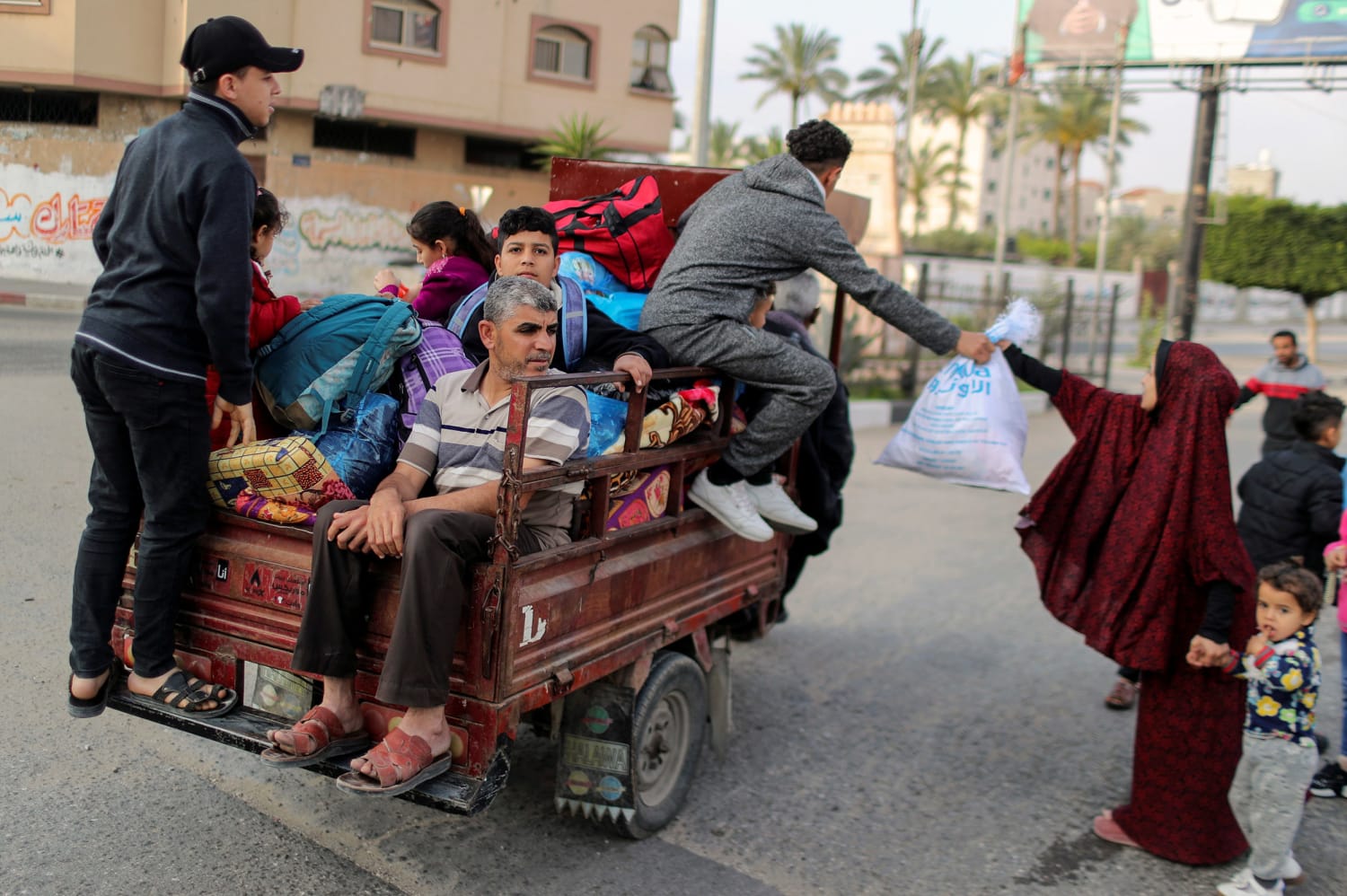
Humanitarian agencies describe conditions in Gaza as increasingly dire. Hospitals operate with limited supplies, electricity shortages disrupt essential services, and access to clean water remains constrained. Aid officials stress that diplomacy must translate into tangible improvements. Without progress tied to a Gaza peace deal, humanitarian needs are expected to continue outpacing international assistance.
Economic Incentives and Reconstruction Plans
Economic recovery has emerged as a central pillar of current proposals. Plans under discussion include infrastructure rehabilitation, expanded trade access, and job creation initiatives. Proponents argue that visible economic gains could reinforce calm and build public support. Skeptics caution that without political guarantees, economic promises linked to a Gaza peace deal may fail to materialize.
Regional Stakeholders and Border Stability
Neighboring states have intensified their involvement, viewing stability in Gaza as essential to regional security. Border management, refugee concerns, and economic spillover effects all factor into their calculations. These governments see a Gaza peace deal as a buffer against wider instability that could threaten their own domestic security.
Public Opinion and the Trust Deficit
Across Gaza and Israel, public opinion remains deeply divided. Years of violence have fostered skepticism toward political agreements. Surveys suggest that residents will judge any Gaza peace deal not by diplomatic language but by immediate changes in safety, mobility, and economic opportunity.
The Role of Ceasefires in Negotiations
Temporary ceasefires remain a common tool in diplomatic efforts. While they can reduce immediate violence, they are often fragile and short lived. Negotiators stress that ceasefires must be embedded within broader political frameworks to support a lasting Gaza peace deal rather than serving as isolated pauses.
Media Coverage and Global Perception
International media coverage shapes how developments are perceived far beyond the region. Images of destruction and civilian suffering often overshadow diplomatic progress. Analysts note that global narratives can influence political pressure, either bolstering or undermining efforts linked to a Gaza peace deal.
Legal and Accountability Considerations
International law and accountability remain sensitive but unavoidable topics. Calls for adherence to humanitarian norms influence public acceptance of any agreement. Diplomats acknowledge that a Gaza peace deal perceived as ignoring justice concerns may struggle to gain legitimacy among affected populations.
Civil Society and Grassroots Advocacy
Civil society groups on both sides continue to advocate for nonviolent solutions and humanitarian access. Their voices often struggle to break through political rhetoric, yet they remain critical to sustaining peace. One regional peace advocate said,
“Without dignity and daily security for civilians, diplomacy has no foundation.”
This single comment reflects broader concerns surrounding the Gaza peace deal.
Security Experts Warn of Escalation
Security analysts caution that the margin for error is slim. Rocket fire, air strikes, or border incidents could rapidly escalate, undoing months of diplomatic work. This volatility underscores why proponents argue that locking in elements of a Gaza peace deal sooner rather than later is essential.
Diplomatic Timelines and Political Constraints
Officials emphasize that expectations must remain realistic. Domestic politics, coalition pressures, and regional rivalries limit flexibility. Current efforts focus on achievable steps rather than comprehensive solutions, with the understanding that even partial progress tied to a Gaza peace deal could stabilize conditions.
Lessons From Past Agreements
Previous agreements related to Gaza offer mixed lessons. Some produced short term calm but collapsed under renewed violence. Others failed to address underlying grievances. Negotiators say these experiences inform current strategies aimed at avoiding pitfalls that undermined earlier Gaza peace deal initiatives.
Global Implications Beyond Gaza
Stability in Gaza carries implications far beyond the territory. Energy markets, regional alliances, and migration patterns can all be affected by renewed conflict. As a result, international actors see a Gaza peace deal as contributing to broader global stability.
Balancing Power and Pragmatism
Diplomacy in Gaza requires navigating hard security realities alongside humanitarian imperatives. Neither side negotiates from a position of full confidence. This balance will shape whether the Gaza peace deal evolves into a durable framework or remains a temporary measure.
Monitoring and Verification Mechanisms
Any agreement will require credible monitoring to ensure compliance. International observers and verification systems are under discussion as safeguards. Their effectiveness will be critical to sustaining confidence in a Gaza peace deal once implemented.
A Rare Moment of Diplomatic Alignment
Despite deep divisions, diplomats describe the current moment as unusually aligned. Multiple actors share an interest in preventing escalation, creating cautious optimism. This convergence has opened space for renewed focus on a Gaza peace deal after years of stagnation.
Challenges of Implementation
Even if an agreement is reached, implementation will pose significant challenges. Resource constraints, political resistance, and security incidents could undermine progress. Supporters argue that international backing and sustained engagement are essential to translating a Gaza peace deal into reality.
The Human Cost of Delay
Every delay carries human consequences. Civilians continue to bear the brunt of violence and deprivation. Aid workers emphasize that progress toward a Gaza peace deal is not an abstract diplomatic goal but a matter of daily survival for many residents.
International Pressure and Diplomatic Leverage
Global pressure has increased as images from Gaza circulate widely. Diplomatic leverage, including economic incentives and political assurances, is being deployed to encourage restraint. These tools are aimed at sustaining momentum toward a Gaza peace deal despite setbacks.
The Fragility of Current Calm
Periods of reduced violence remain fragile. Trust is thin, and provocations can quickly reignite conflict. Observers stress that without institutional support, any calm linked to a Gaza peace deal risks collapsing under renewed tension.
A Narrow Path Forward
Negotiators acknowledge that the path ahead is narrow and uncertain. Success will depend on discipline, compromise, and sustained international engagement. Even incremental steps tied to a Gaza peace deal could create space for broader political dialogue.
A Defining Moment in 2026
In 2026, Gaza stands at a defining moment between renewed conflict and fragile diplomacy. Efforts to advance a Gaza peace deal face immense challenges, yet the costs of failure are widely understood. Whether current initiatives can translate urgency into lasting stability will depend on restraint on the ground, credible implementation, and tangible improvements for civilians whose lives are shaped by every diplomatic decision.