

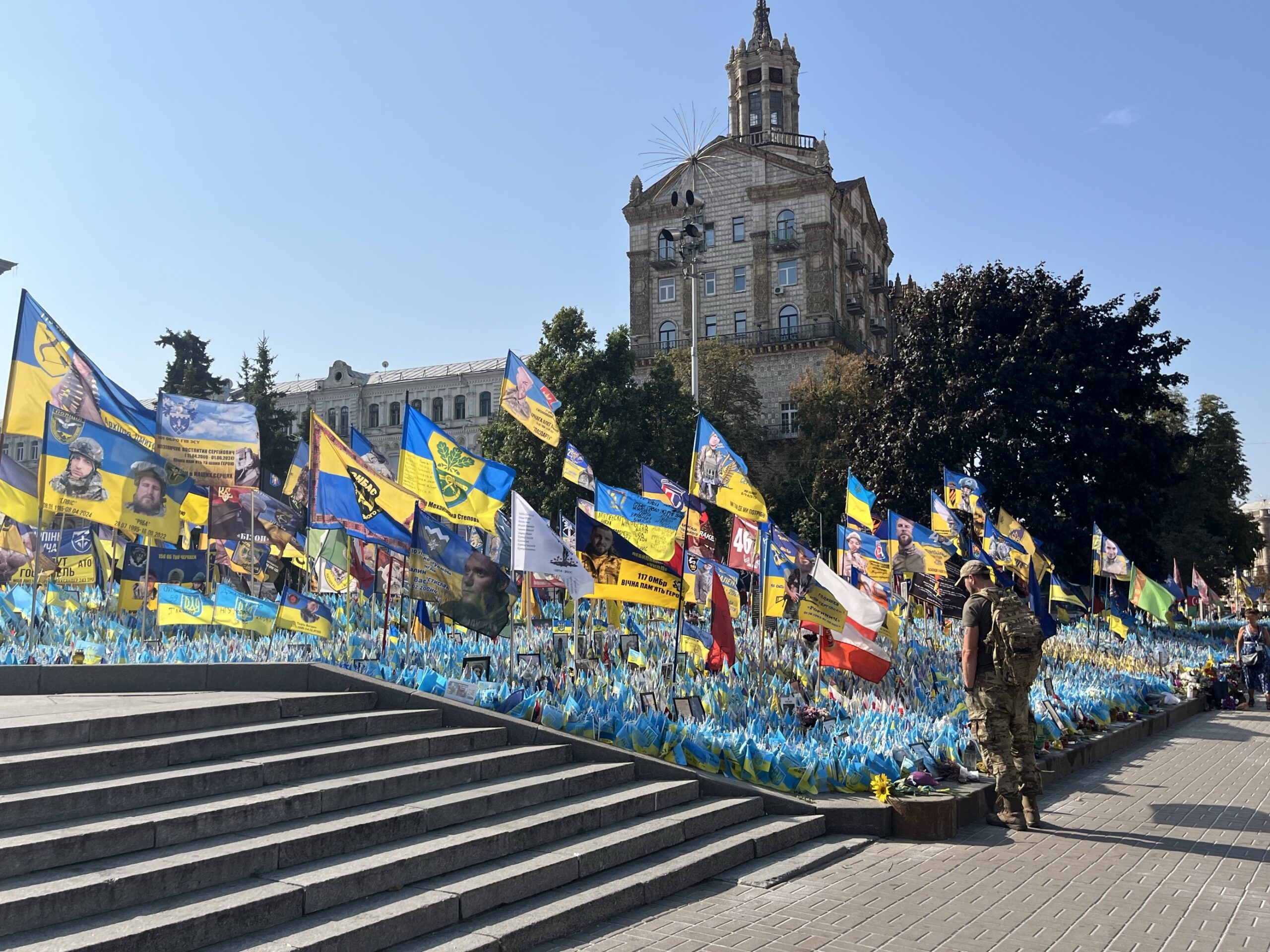
Kyiv, January 2026 — parliament news notes that Ukraine war dialogue has entered a new phase of visibility as officials in Kyiv and allied capitals refine long-term thinking about how the conflict could eventually move beyond the battlefield. The comments, emerging amid continued fighting, point to a recalibration in political language rather than a shift in immediate strategy. Military operations remain central, yet diplomatic preparation is increasingly discussed as part of responsible governance during a prolonged war.
The changing tone has drawn close attention from governments, analysts, and international institutions tracking both military developments and political signals coming from Ukraine’s leadership.
The Evolution of Diplomatic Language
In the early phases of the conflict, official messaging focused almost entirely on defense, sanctions, and international support. Over time, however, political vocabulary has broadened. Within this context, Ukraine war dialogue has emerged as a careful term used to describe preparatory discussions rather than formal negotiations.
Officials stress that language evolution reflects planning maturity. As conflicts extend over years, governments must prepare for multiple eventualities, including political processes that may follow changes on the ground.
Leadership and Strategic Communication
President Volodymyr Zelenskyy has consistently framed diplomacy as complementary to military defense. When references to Ukraine war dialogue appear in public remarks, they are carefully balanced with reaffirmations of sovereignty, territorial integrity, and international law.
This approach serves a dual purpose: maintaining domestic confidence while signaling to allies that Ukraine is prepared for responsible long-term statecraft.
International Coordination Behind the Scenes
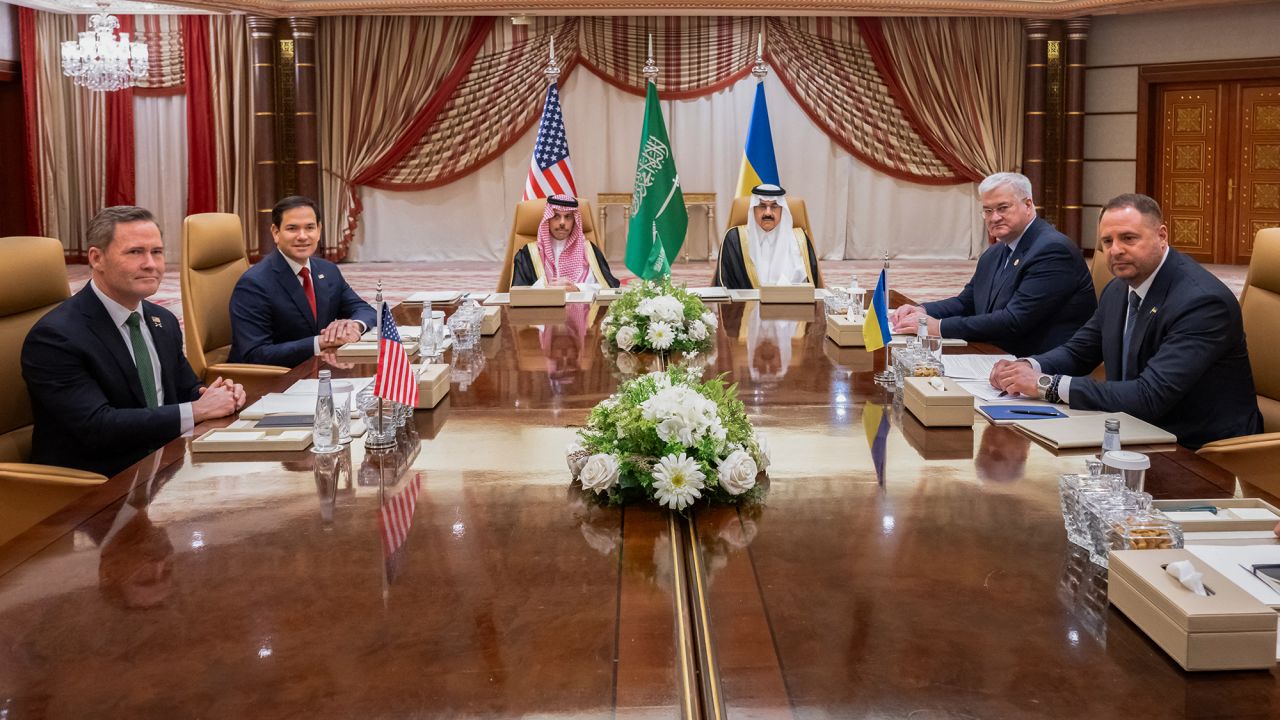
Allied coordination remains a defining feature of the conflict’s political dimension. As Ukraine war dialogue gains prominence in public discourse, diplomatic efforts among partners focus on unity of message and clarity of purpose.
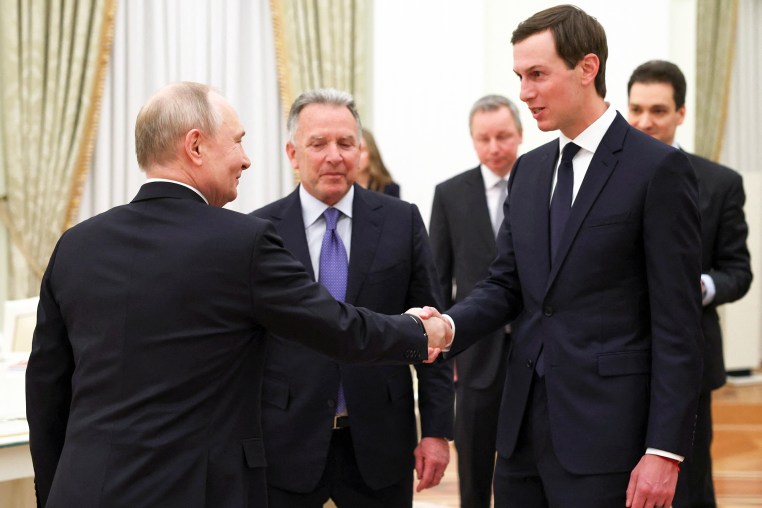
The United States continues to play a central coordinating role, ensuring that exploratory political language does not undermine collective positions or create divergent expectations among supporters.
European Perspectives and Security Interests
European governments view Ukraine’s stability as inseparable from continental security. Within discussions that reference Ukraine war dialogue, European officials emphasize that any future political process must reinforce international norms rather than weaken them.
Security, accountability, and reconstruction are treated as interconnected pillars, reflecting lessons learned from previous conflicts where incomplete settlements led to renewed instability.
Military Realities and Political Timing
Diplomatic language does not emerge in isolation. Analysts note that Ukraine war dialogue tends to surface during periods of strategic reassessment, when military momentum stabilizes and leaders evaluate longer-term trajectories.
This does not imply imminent negotiations. Instead, it reflects recognition that diplomacy and defense evolve simultaneously in modern warfare.
Domestic Discourse and Public Trust
Inside Ukraine, public opinion remains shaped by resilience and sacrifice. Officials therefore approach references to Ukraine war dialogue with caution, ensuring that communication does not erode morale or create misunderstandings.
Political analysts emphasize that transparency will be essential if diplomatic preparation becomes more visible. Public trust remains a strategic asset during prolonged conflict.
Economic Considerations and Reconstruction Planning
Beyond security, economic recovery has become central to long-term planning. In discussions associated with Ukraine war dialogue, reconstruction financing, governance reforms, and investment guarantees are increasingly considered foundational elements of stability.
International financial institutions and donor governments have begun aligning frameworks that could support recovery when conditions allow.
Global Implications of Political Signals
The war’s effects extend far beyond Ukraine’s borders, influencing energy markets, food security, and geopolitical alignments. As Ukraine war dialogue becomes more prominent, global stakeholders assess how political pathways might eventually ease broader disruptions.
Diplomatic observers note that any future framework will likely involve multilateral engagement extending beyond Europe.
Strategic Messaging in the Digital Era
In a hyperconnected media environment, every statement is amplified. When Ukraine war dialogue appears in public narratives, officials are acutely aware of how phrasing can influence markets, alliances, and public opinion simultaneously.
Managing expectations has therefore become a critical component of political leadership.
Legal Principles and Accountability
International law remains central to Ukraine’s diplomatic posture. Within Ukraine war dialogue, accountability mechanisms for wartime actions are consistently framed as non-negotiable.
Legal experts argue that durable peace depends on justice frameworks that reinforce global norms rather than compromise them.
Expert Insight
One senior European diplomat observed,
“Preparing for dialogue is not a concession but a safeguard, ensuring that any future process begins from clarity rather than confusion.”
The assessment reflects a broader consensus among policymakers involved in long-term planning.
Challenges That Limit Progress
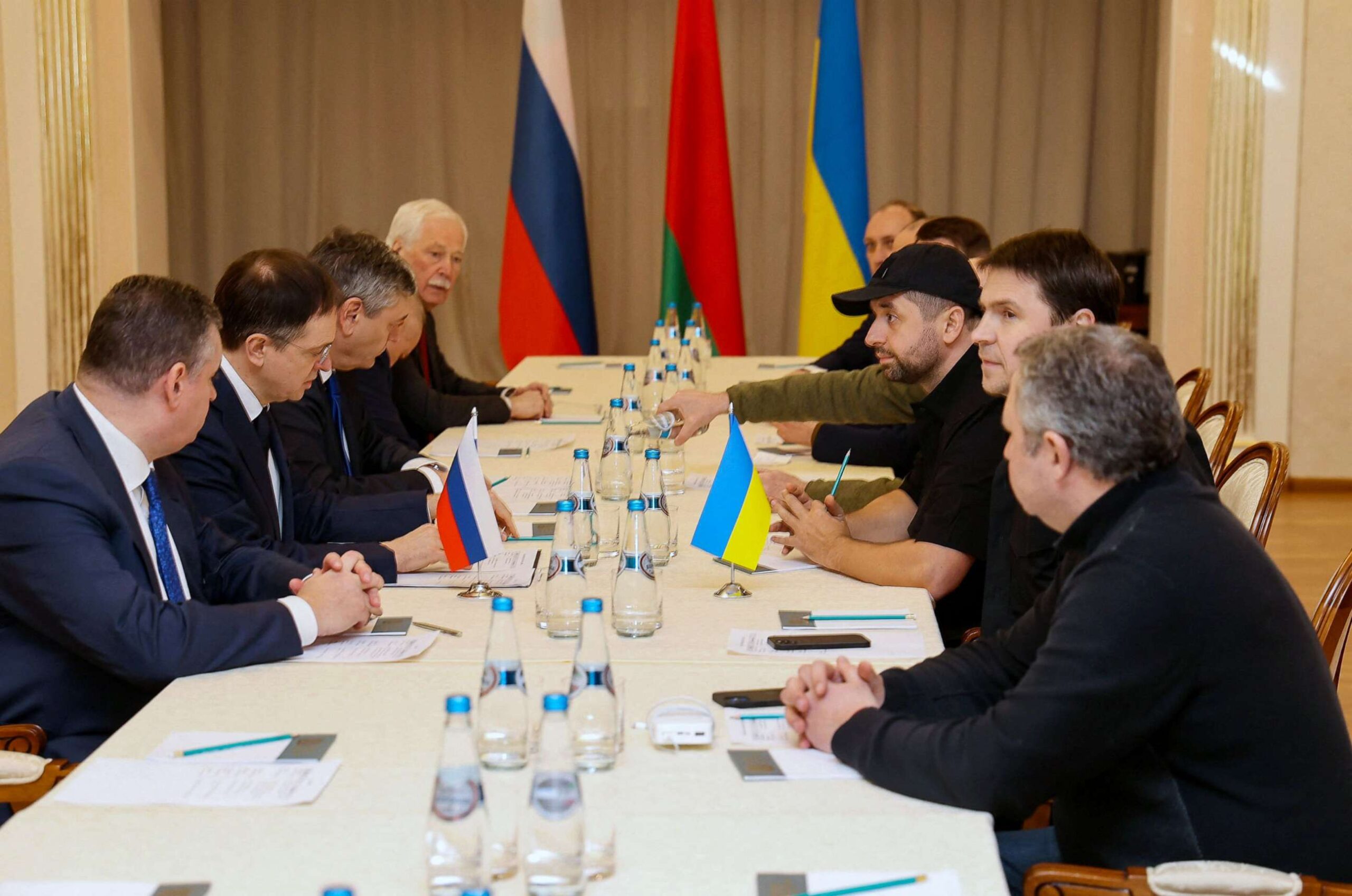
Despite increased political language, obstacles remain formidable. Trust deficits, territorial disputes, and security guarantees continue to complicate Ukraine war dialogue, limiting how quickly concepts can translate into action.
Diplomats caution that progress is likely to be gradual and shaped by events on the ground.
Security Architecture Beyond the Conflict
Political planning increasingly extends beyond immediate conflict resolution. Ukraine war dialogue intersects with broader debates on Europe’s future security framework, including deterrence, alliance structures, and defense cooperation.
These discussions reflect how the conflict has reshaped strategic thinking across the region.
Media Scrutiny and Narrative Control
Intense media attention magnifies every diplomatic nuance. Officials involved in Ukraine war dialogue stress accuracy and restraint to avoid misinterpretation that could escalate tensions or distort expectations.
Clear communication remains essential in maintaining credibility with both domestic and international audiences.
Institutional Readiness and Governance
Government institutions continue adapting to the demands of prolonged conflict. Within the scope of Ukraine war dialogue, institutional readiness includes legal preparation, administrative capacity, and coordination mechanisms necessary for any future political process.
This preparation reflects an understanding that governance challenges do not end with cessation of hostilities.
Humanitarian Considerations
Humanitarian impacts remain a constant backdrop to political planning. Discussions related to Ukraine war dialogue increasingly acknowledge the need for civilian protection, displacement solutions, and social recovery as integral to stability.
Aid organizations stress that humanitarian recovery must align with political and security frameworks.
Regional Stability and Neighboring States
Neighboring countries closely monitor political signals from Kyiv. As Ukraine war dialogue gains attention, regional governments assess implications for border security, migration, and economic integration.
These perspectives influence broader diplomatic alignment within Europe.
Long Term Economic Integration
Beyond reconstruction, long-term economic integration with European markets remains a strategic objective. In contexts referencing Ukraine war dialogue, officials emphasize regulatory alignment, trade access, and institutional reform as components of future stability.
Economic integration is increasingly viewed as a peace-building tool.
Managing Expectations Among Allies
Allied governments balance support with realism. Within Ukraine war dialogue, officials work to ensure that political preparation does not translate into premature assumptions about outcomes.
Maintaining unity requires disciplined communication and shared understanding of objectives.
Historical Lessons From Past Conflicts
Policymakers frequently reference historical precedents. The emergence of Ukraine war dialogue reflects lessons from conflicts where delayed political planning complicated postwar recovery.
Preparation is increasingly seen as a necessity rather than an option.
Civil Society and Public Engagement
Civil society organizations play a role in shaping discourse. As Ukraine war dialogue becomes more visible, civic groups advocate for transparency, inclusion, and accountability in any future process.
Public engagement is viewed as essential to legitimacy.
Information Security and Disinformation Risks
Political language can be exploited by disinformation campaigns. Officials therefore manage references to Ukraine war dialogue carefully, mindful of attempts to distort narratives or undermine confidence.
Information security remains an integral part of strategic communication.
Institutional Memory and Policy Continuity
Long conflicts test institutional memory. Within Ukraine war dialogue, maintaining policy continuity across political cycles is viewed as essential to preserving strategic coherence.
This continuity supports credibility with international partners.
Diplomacy as a Parallel Track
Throughout the conflict, diplomacy has functioned alongside defense. The increasing visibility of Ukraine war dialogue underscores recognition that political planning must proceed even amid ongoing hostilities.
Parallel tracks reduce the risk of unprepared transitions.
Strategic Preparation Without Illusion
As 2026 unfolds, Ukraine war dialogue represents a phase of deliberate preparation rather than imminent negotiation. Military realities remain decisive, but the expanding political vocabulary reflects an understanding that sustainable outcomes require foresight, coordination, and clarity.
The trajectory of this dialogue will depend on developments on the ground and continued unity among partners, shaping how diplomacy may ultimately contribute to ending the conflict.