Greenland, January 2026 — According to parliament news that an intense Arctic weather system swept across Greenland this week, unleashing Greenland strong winds that crippled infrastructure, disrupted daily life, and exposed the fragility of systems supporting one of the world’s most remote populations. The storm arrived amid easing geopolitical tensions involving the United States, yet underscored a reality far more immediate for residents: nature remains the dominant force shaping life in the Arctic.
Across coastal towns and inland settlements alike, communities faced power failures, transport shutdowns, and isolation as winds intensified rapidly, overwhelming preparedness measures in several regions.
A storm that moved faster than forecasts
Meteorological authorities said the storm developed quickly over the North Atlantic before accelerating northward with unusual intensity. Wind speeds exceeded seasonal norms, leaving little time for local authorities to fully secure vulnerable infrastructure.
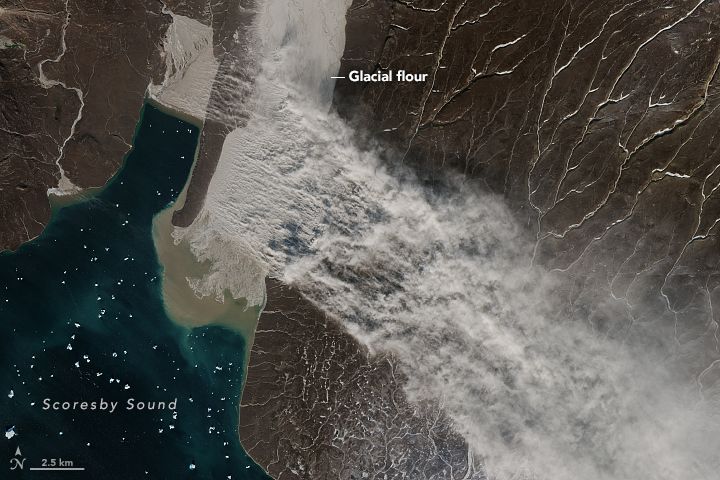
In western and southern regions, Greenland strong winds tore across exposed coastlines, damaging rooftops, downing power lines, and forcing emergency shutdowns of harbors and public facilities. Residents described sudden darkness and silence as electricity failed within minutes of peak gusts.
Power outages magnify Arctic vulnerability
Electricity is not merely a convenience in Greenland but a lifeline. Heating systems, water pumps, and communication networks depend on uninterrupted power. When outages spread, the consequences were immediate.
Utility providers confirmed that multiple municipalities experienced extended blackouts. For households already managing extreme cold, Greenland strong winds transformed routine weather into a survival challenge. Emergency shelters were opened, and backup generators became critical in maintaining essential services.
Daily life under disruption
Schools closed, businesses suspended operations, and families adapted to a sudden halt in normal routines. Grocery deliveries were delayed, and access to medical services became uncertain in remote areas.
Residents relied on community networks, checking on neighbors and sharing resources. In many towns, Greenland strong winds reinforced long standing traditions of collective resilience, where survival often depends on cooperation rather than individual capacity.
Transport networks brought to a standstill
Air travel suffered extensive disruption as strong gusts made landings unsafe. Flights connecting Nuuk with regional hubs were canceled, leaving passengers stranded and supply chains interrupted.
Maritime traffic also ceased as ports closed due to dangerous sea conditions. Authorities warned that Greenland strong winds reduced visibility and created unpredictable wave patterns, posing risks even to experienced navigators.
Emergency services stretched across vast distances
Greenland’s emergency response system operates across a territory larger than Western Europe with limited personnel and resources. During the storm, teams worked continuously to assess damage and respond to urgent calls.
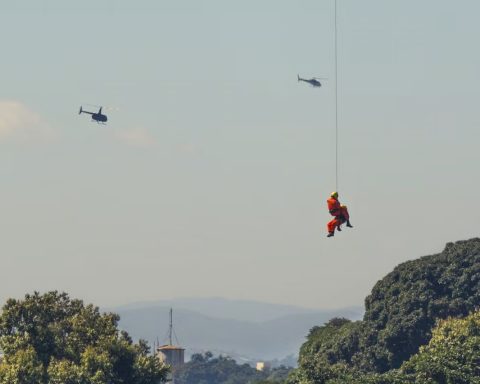
Despite careful coordination, Greenland strong winds complicated response efforts by delaying access to affected areas and limiting communication. Helicopter deployments were grounded, forcing responders to rely on ground based solutions wherever possible.
Infrastructure stress exposes long term challenges
Experts say the storm highlighted systemic vulnerabilities in Greenland’s infrastructure. Power grids and communication systems were designed for harsh conditions, yet many components are aging and increasingly strained by climate volatility.
Repeated exposure to Greenland strong winds accelerates wear and increases maintenance costs. Engineers warn that without sustained investment, outages could become more frequent and recovery periods longer.
Climate change intensifies Arctic extremes
Climate scientists link the growing intensity of Arctic storms to warming ocean temperatures and shifting atmospheric circulation. These changes contribute to stronger winds and more unpredictable weather patterns.
The recent episode of Greenland strong winds fits a broader trend observed across polar regions, challenging assumptions about seasonal stability and forcing authorities to reconsider preparedness strategies.
Political calm contrasts with environmental urgency
The storm occurred as diplomatic relations between Greenland and the United States showed signs of stabilization following months of dialogue on Arctic cooperation and security.
While political tensions have eased, officials stressed that Greenland strong winds represent a separate challenge requiring sustained attention independent of geopolitical dynamics. Environmental risk, they argue, is now a defining factor in Arctic governance.
Economic consequences ripple outward
Fishing operations were suspended during the storm, affecting livelihoods in coastal communities. Tourism activities were also disrupted as weather conditions deterred travel.
Small businesses reported losses as Greenland strong winds forced temporary closures and delayed shipments. For an economy already vulnerable to external shocks, even brief interruptions carry significant weight.
Health and safety concerns grow
Medical facilities operated on backup power as long as fuel supplies allowed. In isolated settlements, access to emergency care became uncertain, heightening anxiety among residents.
Authorities emphasized safety precautions, urging people to remain indoors and avoid unnecessary travel. During peak conditions, Greenland strong winds increased the risk of injury from flying debris and structural damage.
Community resilience in action
Despite the hardships, local resilience was evident. Neighbors shared heating resources, opened homes to those without power, and assisted emergency responders.
One municipal official noted,
“The strength of our communities is tested most when conditions are at their worst.”
The remark reflected a broader sentiment as Greenland strong winds pushed social solidarity to the forefront.
Lessons for future preparedness
Policy analysts argue that the storm should serve as a wake up call. Investments in resilient infrastructure, decentralized energy systems, and improved forecasting are increasingly seen as necessities rather than options.
Preparing for Greenland strong winds of similar or greater intensity will require coordination across government agencies, utilities, and local communities.
Technology and adaptation strategies
Renewable energy projects, particularly hydropower, offer long term promise but remain vulnerable at the distribution level. Engineers are exploring reinforced transmission lines and localized energy storage to reduce outage risks.
Digital communication tools also play a role. When traditional networks fail, satellite based systems become essential during Greenland strong winds, enabling emergency coordination and public updates.
The human cost behind statistics
Beyond infrastructure and economics lies the human experience. Families coping with cold homes, uncertainty, and isolation face emotional strain that is rarely captured in official reports.
For children and elderly residents, Greenland strong winds magnify feelings of vulnerability. Community outreach programs have become vital in addressing not only physical needs but psychological well being.
Arctic realities reshape planning priorities
Greenland’s leaders face difficult decisions balancing economic development, environmental protection, and public safety. The storm reinforces the argument that climate adaptation must be central to all future planning.
As Greenland strong winds grow more frequent, the cost of inaction becomes increasingly clear.
A reminder of nature’s authority
In a region often discussed through geopolitical and strategic lenses, the storm redirected attention to a more fundamental truth. The Arctic remains governed by natural forces that no policy can fully control.
The impact of Greenland strong winds serves as a reminder that resilience is built not only through technology but through community strength and preparedness.
When silence follows the storm
As winds gradually subsided and repair crews restored services, a cautious calm returned. Yet the experience left a lasting impression on communities across the island.
For Greenland, the question is no longer whether such storms will occur again, but how prepared society will be when they do.
Beyond forecasts and forecasts alone
The latest storm was not an isolated event but part of a shifting climate reality. Its lessons extend beyond Greenland, offering insights for Arctic regions worldwide.
When future generations look back, Greenland strong winds may be remembered as markers of a turning point in how Arctic resilience is understood and addressed.
The Arctic writes its own rules
In the end, the storm reaffirmed a simple truth. Human systems must adapt to the Arctic, not the other way around.
As Greenland rebuilds and reflects, the enduring message is clear: resilience is not a destination but a continuous process shaped by environment, cooperation, and respect for nature’s power.