

Hong Kong trade advantages draw global attention as trade policies shift in 2026.
Officials highlight financial strength logistics efficiency and regulatory stability.
Investors view Hong Kong as a resilient hub amid changing global commerce trends.
Hong Kong, China, February 21, 2026 — According to Parliament News, that Hong Kong trade advantages are gaining renewed attention in global economic discussions as governments adjust tariff policies and corporations reassess supply chains. In a year marked by economic recalibration and geopolitical uncertainty, the city’s structural strengths are being closely evaluated by investors, policymakers, and multinational enterprises seeking reliable commercial hubs in Asia.
Analysts describe 2026 as a defining period for regional trade alignment. While external pressures influence manufacturing locations and capital allocation, Hong Kong trade advantages continue to stand out due to legal clarity, financial depth, and logistical efficiency. Officials emphasize that the territory’s institutional framework remains stable despite global fluctuations.
Strategic Gateway Between East and West
For decades, Hong Kong has operated as a bridge connecting mainland China with international markets. Its separate customs territory and open trade regime have enabled it to maintain strong relationships with both Western economies and Asian growth centers.
Businesses operating in Hong Kong benefit from low taxation, free capital movement, and minimal trade barriers. These elements form the backbone of Hong Kong trade advantages in a world where tariff adjustments often disrupt established routes.
Global corporations frequently use the city as a headquarters for regional management. From procurement to financial coordination, Hong Kong provides streamlined access to diverse markets across Asia Pacific.
Financial Infrastructure Driving Competitiveness
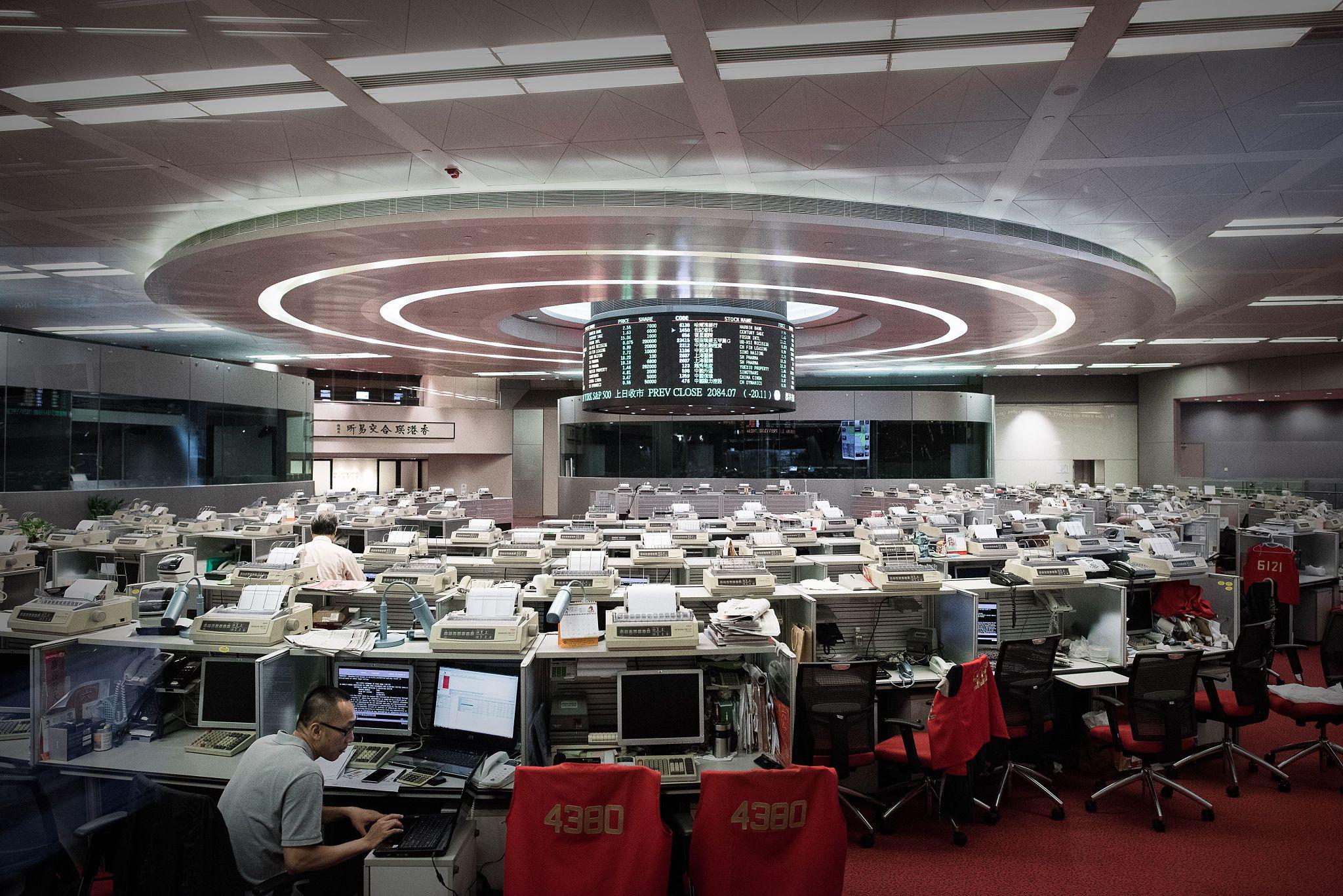
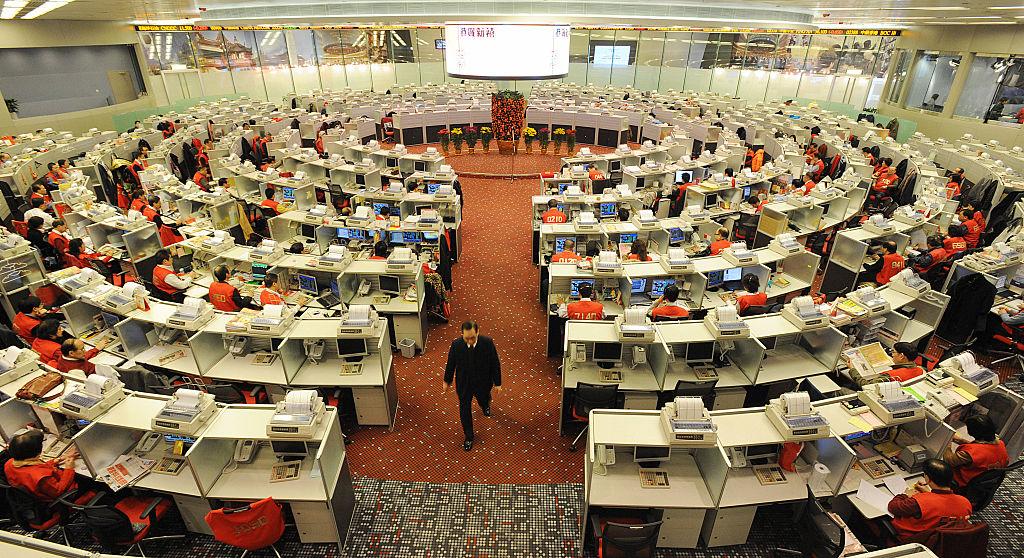
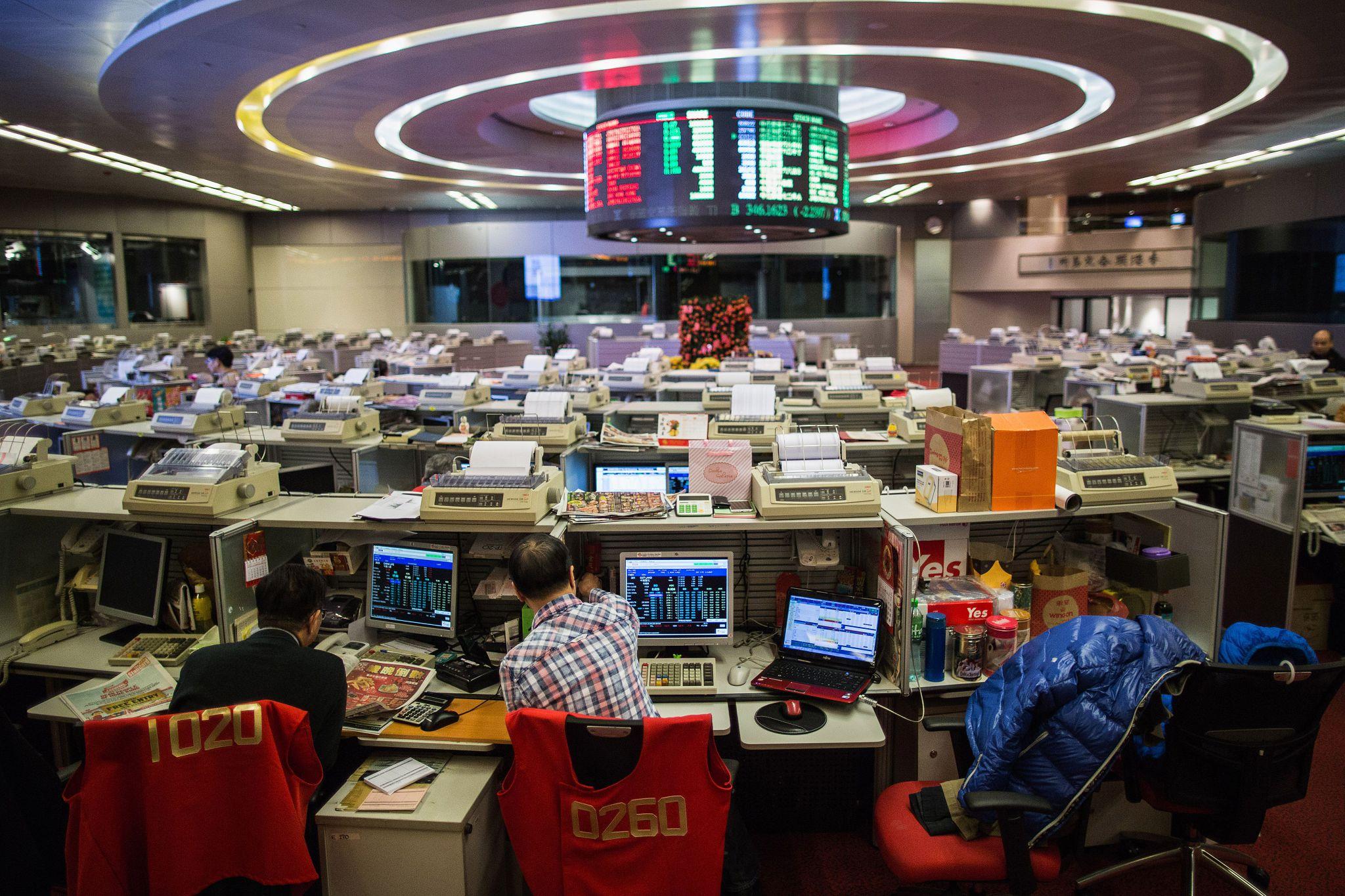
The financial services industry remains central to the city’s economic identity. The Hong Kong Stock Exchange ranks among the largest globally by market capitalization. International banks, private equity firms, and asset managers rely on its regulatory framework for cross border transactions.
Liquidity, transparency, and rule of law reinforce Hong Kong trade advantages by enabling companies to secure financing and hedge risk efficiently. During periods of volatility, capital tends to flow toward jurisdictions with predictable governance structures.
In 2026, bond issuance and initial public offerings continue to demonstrate the city’s role as a financial conduit. Institutional investors value the territory’s oversight mechanisms and established commercial codes.
Logistics and Infrastructure Strength
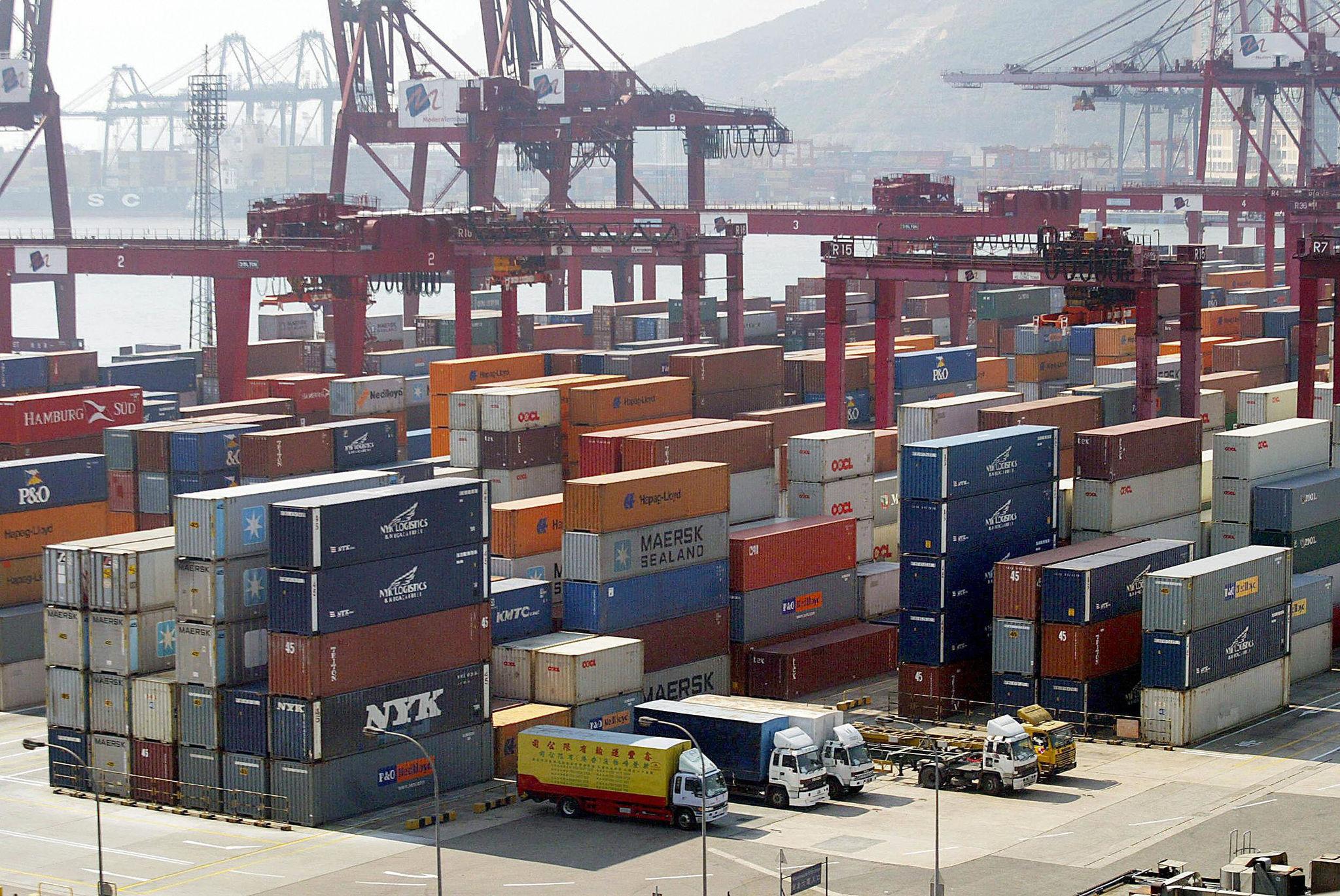
Infrastructure investments underpin commercial efficiency. Hong Kong International Airport remains one of the busiest cargo hubs worldwide. The Port of Hong Kong continues to handle substantial container throughput despite evolving trade routes.
Advanced digital customs processing systems reduce clearance times and enhance transparency. Supply chain managers cite speed and reliability as key elements of Hong Kong trade advantages, especially when global shipping networks experience disruption.
The city’s geographic proximity to major manufacturing clusters in southern China further supports rapid turnaround times. Warehousing, reexport processing, and consolidation services provide flexibility for multinational firms.
Regulatory Transparency and Legal Reliability
Hong Kong’s legal system operates under common law principles, offering familiarity for international businesses. Arbitration centers and commercial courts handle complex cross border disputes with recognized standards.
Corporate executives consistently reference legal predictability as essential to investment decisions. Hong Kong trade advantages are reinforced by intellectual property protections and enforceable contracts.
Regulatory agencies maintain oversight consistent with global norms, contributing to confidence among multinational corporations and institutional investors alike.
Impact of Global Trade Policy Adjustments
As major economies adjust tariff frameworks and trade priorities, corporations have diversified sourcing strategies. Some manufacturing segments relocate to Southeast Asia or South Asia to mitigate exposure to cost shifts.
Even amid these transitions, Hong Kong trade advantages remain relevant. Companies require stable financial and legal platforms to coordinate cross border compliance and manage risk. Service oriented economies often absorb manufacturing shifts by expanding advisory, logistics, and financial roles.
Trade consultants note that businesses navigating evolving tariffs depend heavily on experienced intermediaries. Hong Kong’s professional services sector provides precisely that expertise.
Regional Integration and Economic Alliances
Asia’s expanding regional agreements support greater connectivity across member states. These frameworks encourage trade liberalization and harmonization of standards.
Hong Kong trade advantages align with regional integration by facilitating finance and dispute resolution across borders. Multinational enterprises rely on the city’s banking infrastructure to manage transactions spanning multiple jurisdictions.
Economic growth in neighboring markets amplifies opportunities for logistics, consulting, and capital management services based in Hong Kong.
Market Resilience During Volatility
Financial markets often serve as barometers of geopolitical tension. Currency fluctuations, equity movements, and commodity prices respond quickly to global developments.
Despite external uncertainty, Hong Kong trade advantages contribute to relative resilience. Capital markets in the territory maintain depth and liquidity even during episodes of volatility.
Portfolio managers emphasize diversification as a buffer against shocks. Hong Kong’s diversified service economy reduces dependence on any single trade corridor.
Technology, Digital Trade, and Innovation
The government continues to invest in digital trade platforms and financial technology ecosystems. Electronic documentation systems, blockchain based verification, and real time settlement networks enhance operational efficiency.
These technological initiatives strengthen Hong Kong trade advantages by minimizing friction in commercial processes. Businesses increasingly prioritize jurisdictions capable of supporting digital transformation.
Innovation also extends to sustainable finance. Green bonds and environmental investment products are gaining traction, reinforcing the city’s role in modern capital markets.
Human Capital and Professional Expertise
A globally oriented workforce supports international commerce. Multilingual professionals skilled in finance, law, compliance, and logistics enable companies to navigate complex regulatory environments.
Educational institutions collaborate with industry to cultivate expertise in digital trade and risk management. Talent mobility across Asia further enhances competitiveness.
Hong Kong trade advantages derive not only from infrastructure but also from the depth of its professional services community.
Historic Comparison
Past decades offer instructive parallels. In the late twentieth century, Hong Kong weathered currency fluctuations, regional financial crises, and political transitions. Each episode tested institutional resilience.
Historical records show that adaptability often determined survival for trade hubs. When global manufacturing patterns shifted in earlier eras, Hong Kong recalibrated by strengthening finance and service industries.
Hong Kong trade advantages today echo lessons from those earlier transitions. Structural flexibility and legal continuity remain decisive factors in maintaining relevance within evolving global commerce networks.
International Perception and Diplomatic Engagement
Diplomatic outreach reinforces economic credibility. Officials participate in global economic forums to communicate commitment to open markets and multilateral cooperation.
International chambers of commerce frequently cite Hong Kong trade advantages in reports assessing regional competitiveness. These endorsements influence corporate site selection decisions.
Engagement with neighboring economies also fosters cross border infrastructure development and policy alignment.
Risk Management and Contingency Planning
No global hub operates without risk. External geopolitical shifts, currency volatility, and policy uncertainty require strategic foresight.
Financial institutions headquartered in Hong Kong maintain robust compliance frameworks and contingency plans. Diversification of trading partners mitigates concentrated exposure.
Hong Kong trade advantages are reinforced by proactive planning that anticipates potential disruptions rather than reacting after the fact.
Energy Security and Maritime Stability
Although primarily service driven, Hong Kong’s economy remains connected to maritime trade. Shipping lanes across the South China Sea and Pacific routes support commercial exchange.
Security analysts monitor developments affecting maritime stability, recognizing the importance of uninterrupted transit for global supply chains.
Infrastructure modernization and port management practices enhance reliability, contributing indirectly to Hong Kong trade advantages.
Socioeconomic Impact and Community Outlook
Trade policy decisions influence employment patterns and small business development. Entrepreneurs in logistics, finance, and consulting adapt to emerging client needs.
Community leaders emphasize the importance of inclusive growth. Economic opportunity tied to Hong Kong trade advantages should extend beyond multinational corporations to local enterprises.
Educational initiatives and vocational training programs aim to ensure workforce readiness for evolving sectors.
Long Term Strategy and Structural Evolution
Economic planning extends beyond immediate market cycles. Government strategy emphasizes diversification into innovation, sustainable finance, and digital commerce.
Long term policy frameworks focus on maintaining regulatory transparency and competitive tax policies. Infrastructure expansion projects support projected trade volumes.
Hong Kong trade advantages are positioned not merely as reactive strengths but as structural pillars underpinning sustained growth.
A Defining Year for Global Trade
As 2026 advances, Hong Kong trade advantages remain central to international economic discourse. Global corporations continue evaluating where to anchor regional operations amid shifting policy landscapes.
In a recent briefing, one senior official stated,
“Our enduring strength lies in openness, legal certainty, and global connectivity, which continue to define our role in international commerce.”
The statement reflects confidence rooted in decades of institutional continuity. While trade routes and tariff policies may evolve, the underlying framework supporting Hong Kong trade advantages remains intact.
In a world characterized by rapid transformation, stability itself becomes a strategic asset. For investors and enterprises navigating complexity, the city’s integration of finance, law, logistics, and human capital offers continuity amid change.
Hong Kong trade advantages therefore represent more than a competitive slogan. They embody a multifaceted ecosystem designed to withstand volatility and capture opportunity. As global commerce enters its next phase, the city’s role will likely continue evolving, anchored by principles of openness and adaptability.
The trajectory of international trade is rarely linear. Yet history suggests that hubs capable of reinvention maintain relevance across generations. Hong Kong trade advantages stand as a testament to that capacity for renewal, reinforcing the territory’s position within the architecture of global economic exchange.