

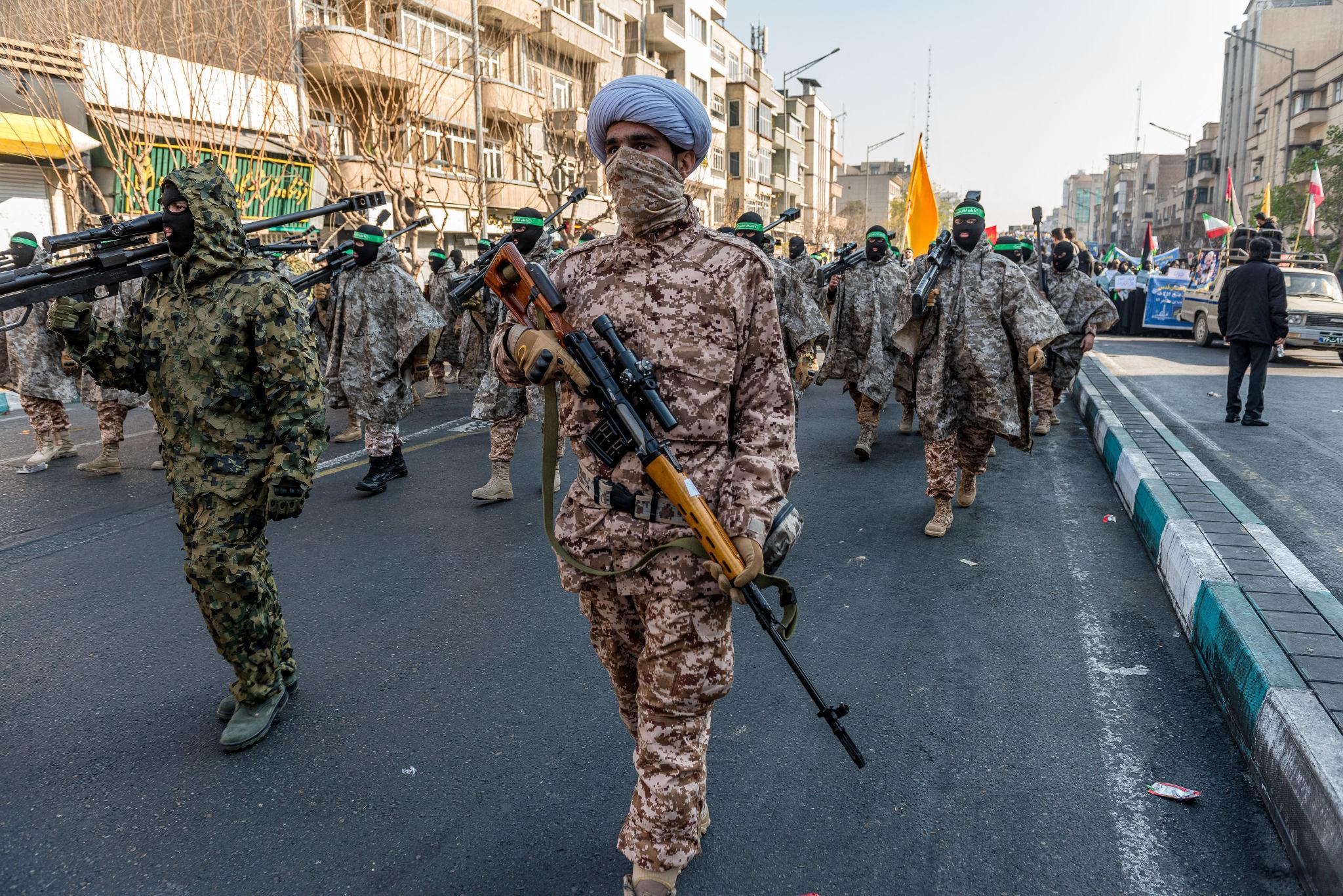
US Iran tensions intensify in Washington as officials weigh military deterrence and diplomatic options.
Energy markets react cautiously while lawmakers demand transparency and economic safeguards.
Global leaders urge restraint as strategic decisions in 2026 could reshape regional stability.
Washington, United States, February 21, 2026 — According to Parliament News, that US Iran tensions are once again dominating foreign policy discussions in the American capital, as strategic signals from both governments draw global attention. The situation unfolds at a time when economic stability, energy markets, and geopolitical alliances remain fragile. Officials across Washington acknowledge that the coming months could define not only bilateral relations but broader regional security in the Middle East.
The renewed spotlight on US Iran tensions follows weeks of military positioning, tightened sanctions enforcement, and escalating rhetoric. Policymakers insist that deterrence remains central to their approach. Yet behind closed doors, advisers are carefully evaluating the economic and diplomatic implications of every move.
Strategic Environment in Washington
Within Washington’s defense and intelligence community, the current climate is described as complex but manageable. Military readiness measures have increased, though officials stress these are precautionary rather than preparatory for immediate conflict.
Defense planners emphasize layered deterrence, combining naval deployments, intelligence monitoring, and regional partnerships. Such signals aim to discourage miscalculation. However, analysts caution that heightened readiness can sometimes amplify misunderstanding, particularly in regions where multiple armed actors operate in close proximity.
Energy markets respond swiftly to geopolitical cues. The Persian Gulf remains a focal point of concern due to its central role in global oil transportation. Even minor incidents in shipping lanes can create outsized market reactions.
Diplomatic Pathways Under Pressure
Diplomacy remains active, though strained. International intermediaries have encouraged structured dialogue, but trust between the parties remains limited. European governments advocate confidence building measures designed to stabilize communication.
Officials familiar with discussions describe a narrow diplomatic corridor. Sanctions remain a major sticking point. While some policymakers view economic pressure as leverage, others worry it may entrench positions further.
US Iran tensions have complicated broader multilateral initiatives aimed at nuclear transparency and regional security cooperation. Diplomatic observers note that progress requires sustained engagement, consistent messaging, and political will on both sides.
Economic Stakes for American Households
Beyond foreign policy circles, economic implications resonate deeply with American families. Inflation remains a central issue in domestic politics. Fuel costs, food prices, and transportation expenses are closely tied to energy stability.
If instability disrupts oil flows, prices could spike rapidly. Economists point out that markets react not only to confirmed events but also to perceived risks. A sudden surge in energy costs would ripple through supply chains and consumer spending.
In internal policy meetings, economic advisers stress caution. They argue that sustained growth depends on predictable global conditions. Prolonged uncertainty could slow investment and hiring, undermining broader economic objectives.
Military Calculations and Regional Risks
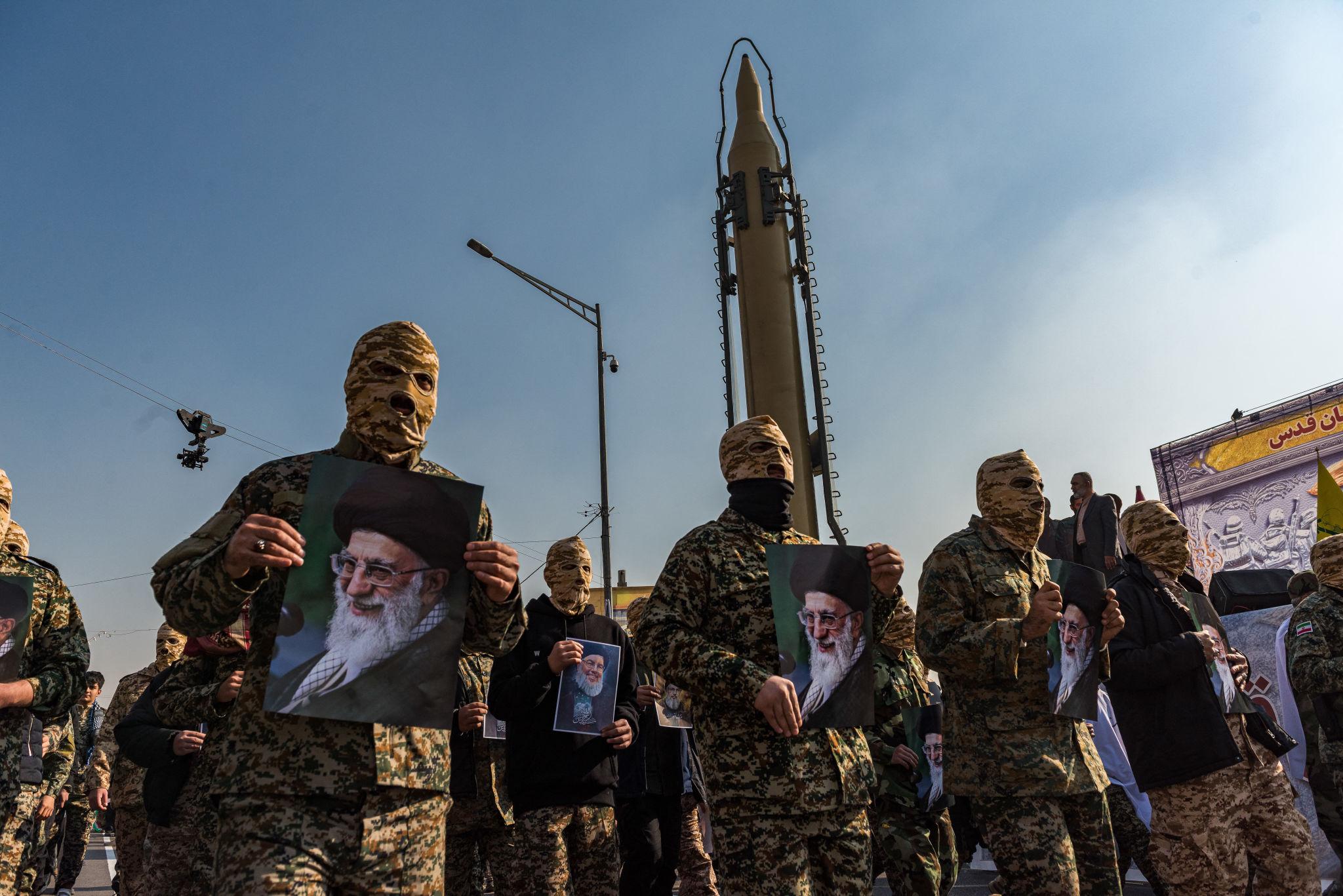
Defense strategists evaluate both immediate capabilities and long term consequences. Modern warfare involves cyber operations, drone systems, and asymmetric tactics. Any confrontation could extend beyond conventional battlefields.
Regional allies monitor developments closely. Security guarantees and alliance commitments add layers of complexity to decision making. Military planners must consider the possibility of escalation through proxy actors operating across the region.
US Iran tensions heighten the risk of miscalculation, particularly in crowded maritime corridors. Clear communication and disciplined command structures remain essential safeguards against accidental confrontation.
Congressional Debate and Oversight
Members of Congress have requested detailed briefings on evolving developments. Constitutional questions surrounding war powers and executive authority have resurfaced in public debate.
Some lawmakers advocate assertive measures to reinforce deterrence. Others urge restraint and renewed diplomacy. The legislative branch seeks clarity on objectives, exit strategies, and potential economic impact.
Public opinion remains divided. National security concerns resonate with some voters, while others prioritize domestic stability and economic growth.
Energy Markets and Global Commerce
Oil remains central to global commerce. Shipping routes through strategic chokepoints carry a significant share of international supply. Even temporary disruptions can elevate prices worldwide.
Energy analysts note that strategic reserves provide limited cushioning against sustained shocks. Markets rely on steady production and secure transit routes.
US Iran tensions have already introduced volatility into futures trading. Commodity markets reflect not only immediate events but also anticipated risk.
International Reactions and Diplomatic Coordination
Allied governments continue consultations with Washington. European leaders emphasize de escalation and adherence to international frameworks. Asian economies dependent on energy imports watch developments carefully.
Global institutions encourage dialogue and transparency. Multilateral coordination often serves as a stabilizing influence during periods of heightened tension.
Diplomatic observers highlight the importance of backchannel communication. Quiet engagement can sometimes prevent public escalation.
Historic Comparison
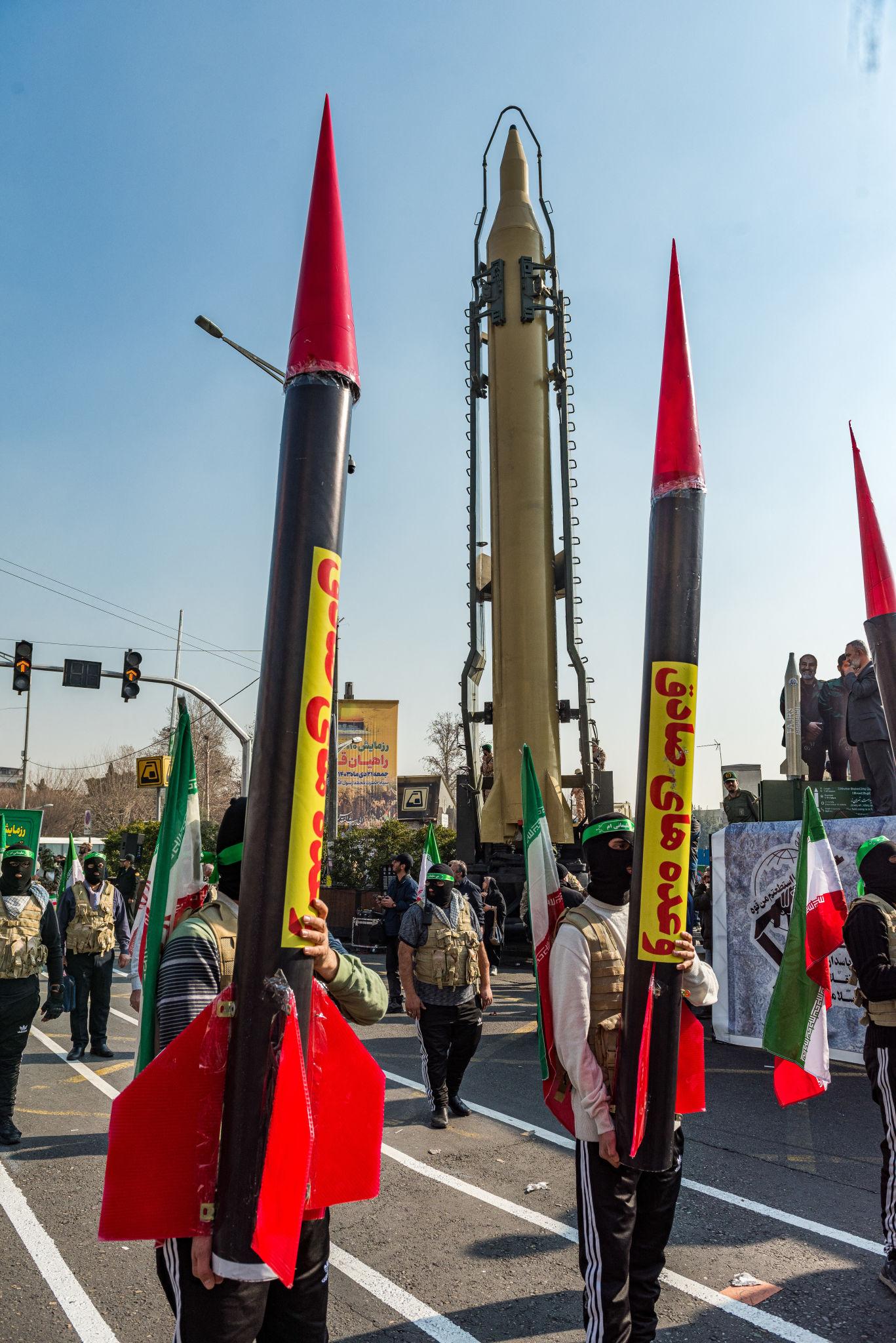
Periods of strain between Washington and Tehran have occurred before, often shaped by broader geopolitical shifts. Historical episodes demonstrate how misjudgments and escalatory rhetoric can rapidly intensify crises.
In earlier decades, maritime incidents and political upheavals brought both nations to the brink of confrontation. Diplomatic breakthroughs occasionally followed prolonged standoffs, illustrating that negotiation often emerges after tension peaks.
US Iran tensions today echo certain past patterns, though the global landscape has evolved. Cyber capabilities, regional proxy networks, and interconnected financial systems add complexity unseen in earlier eras.
Market Psychology and Investor Behavior
Financial markets serve as real time indicators of geopolitical anxiety. Stock indexes fluctuate in response to security developments. Safe haven assets often attract capital during uncertain periods.
Investors prioritize predictability. Business leaders evaluate risk before committing to long term projects. Prolonged instability can delay expansion plans and capital expenditure.
US Iran tensions influence not only energy commodities but also currency markets and emerging economies closely linked to regional trade.
Public Communication and Media Influence
Information flows instantly through digital platforms. Headlines shape perception as events unfold. Clear and measured messaging from officials can prevent unnecessary panic.
Analysts emphasize that rhetoric matters. Language suggesting inevitability of conflict can unsettle markets and citizens alike. Conversely, reassurances grounded in strategy may stabilize expectations.
Public trust hinges on transparency. Citizens seek clarity regarding objectives and safeguards.
Regional Power Dynamics
The Middle East remains a mosaic of alliances and rivalries. Developments between Washington and Tehran inevitably affect neighboring states.
Regional governments weigh their own security calculations. Some advocate dialogue to prevent spillover. Others quietly bolster defense readiness.
US Iran tensions intersect with broader strategic contests involving global powers. Diplomatic alignment shifts subtly as nations assess their interests.
Cyber and Asymmetric Dimensions
Modern security challenges extend beyond conventional military engagement. Cyber operations can disrupt infrastructure without a single shot fired. Financial systems, communication networks, and energy grids represent potential vulnerabilities.
Defense planners increasingly incorporate digital resilience into strategic planning. Cyber deterrence operates differently from traditional force projection.
US Iran tensions raise concerns about non traditional escalation pathways that could complicate response strategies.
Domestic Political Landscape
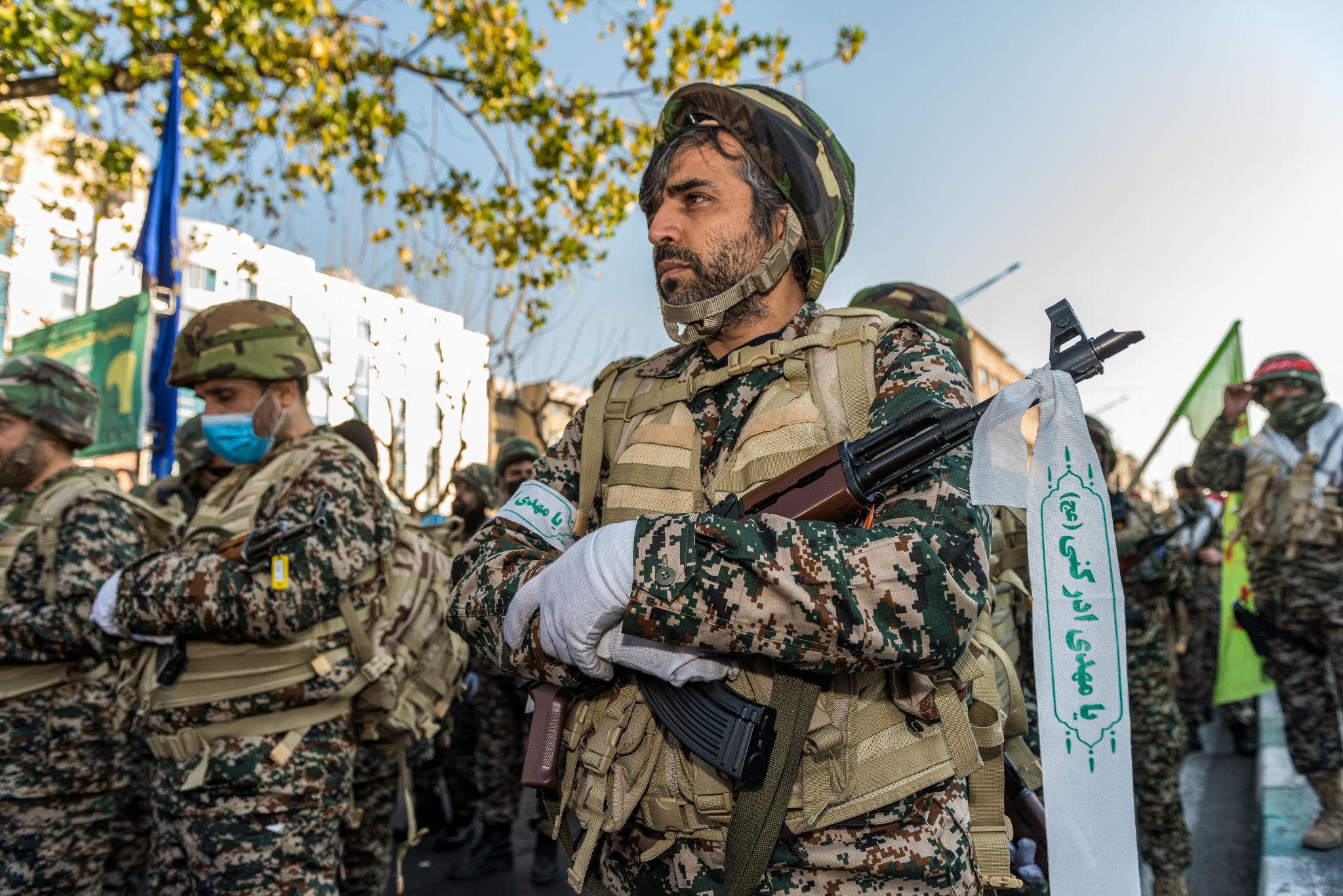
Election cycles and political narratives influence foreign policy decisions. Leaders must balance strategic imperatives with public sentiment.
Some political figures frame deterrence as strength. Others caution against entanglement in prolonged disputes abroad.
US Iran tensions have become part of broader national conversations about priorities and global engagement.
Economic Resilience and Strategic Patience
Economic stability depends on predictable trade flows and investor confidence. Policymakers face the challenge of safeguarding security while protecting growth.
Strategic patience often competes with pressure for decisive action. Long term objectives may require incremental progress rather than dramatic gestures.
US Iran tensions underscore the interconnectedness of security and prosperity in an era of global interdependence.
Intelligence Assessments and Risk Evaluation
Intelligence agencies continuously monitor developments. Threat assessments inform decision making at the highest levels of government.
Risk evaluation involves probability analysis and scenario planning. Officials weigh potential consequences of both action and inaction.
US Iran tensions require disciplined analysis rather than reactive policy shifts.
Humanitarian Considerations
Any escalation carries humanitarian implications. Civilian populations in the region would bear significant consequences if conflict emerges.
International organizations prepare contingency frameworks for potential displacement or disruption.
US Iran tensions highlight the human dimension behind strategic calculations.
Energy Security Planning
Energy security strategies include diversification of supply sources and investment in alternative technologies. Long term resilience reduces vulnerability to geopolitical shocks.
Domestic production and renewable expansion form part of broader strategic planning.
US Iran tensions remind policymakers of the importance of balanced energy policy.
A Measured Moment in Global Affairs
As Washington navigates 2026, US Iran tensions stand at a critical juncture. Leaders confront a complex web of strategic, economic, and diplomatic considerations.
In a recent briefing, one senior official stated,
“Our objective is stability through strength, but we remain committed to preventing unnecessary conflict.”
The coming months will test whether deterrence and diplomacy can coexist effectively. Markets, allies, and citizens alike watch for signals of direction.
US Iran tensions represent more than a bilateral dispute. They reflect the delicate balance between national security and global economic interdependence in the modern era.