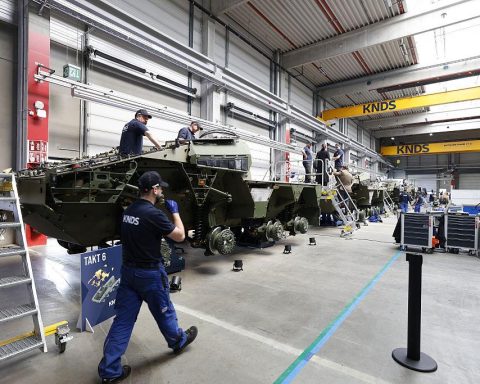
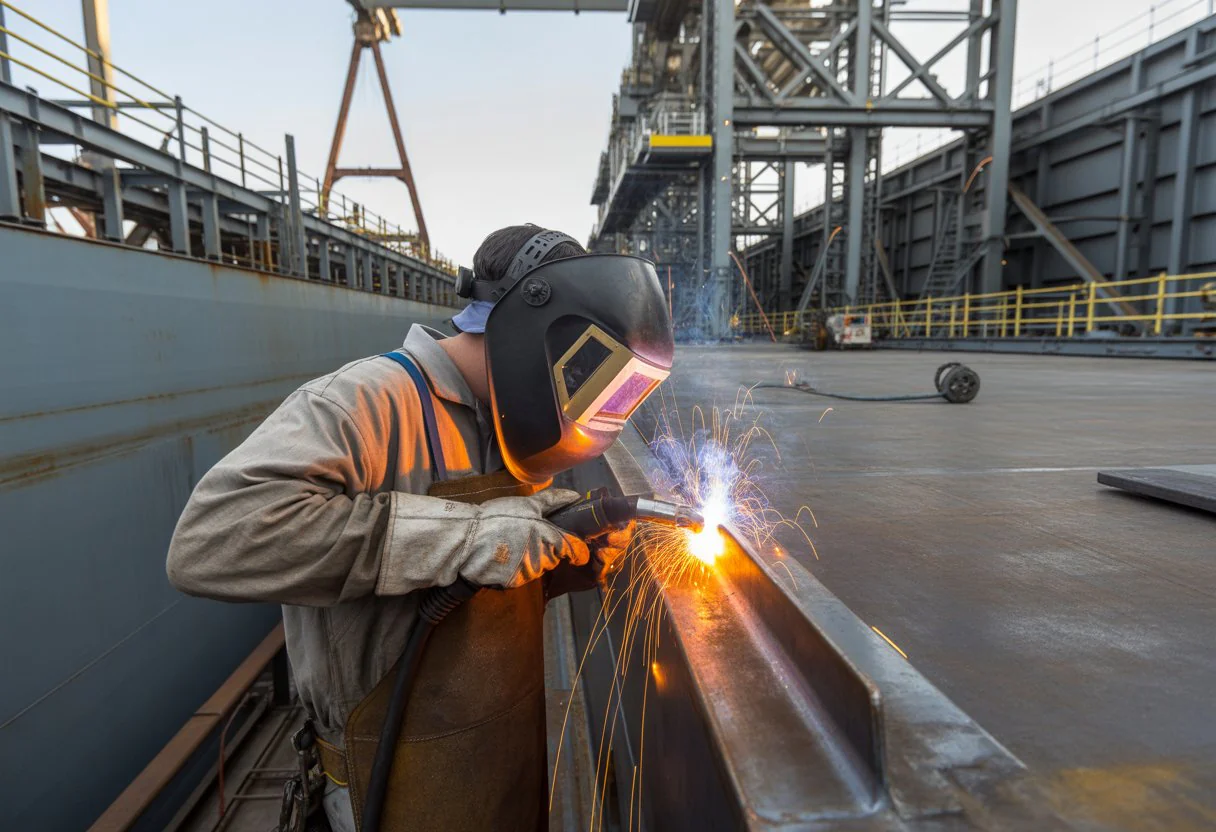
WASHINGTON, February 14, 2026 — According to Parliament News, that The US maritime strategy was formally unveiled today in Washington, signaling a renewed federal commitment to rebuilding the nation’s shipbuilding capacity, strengthening naval readiness, and expanding commercial shipping power. The announcement places maritime policy at the center of economic security and defense planning, marking a significant shift in how federal leaders view industrial capacity and global competition.
Officials described the initiative as a long-term framework rather than a short-term stimulus plan. The US maritime strategy integrates defense procurement, infrastructure modernization, workforce development, and private-sector incentives into a coordinated national approach designed to restore American maritime strength.
A Comprehensive Industrial Reset
For decades, policymakers debated the decline of American shipbuilding without implementing a unified response. Commercial vessel production steadily shifted overseas, and domestic shipyards increasingly relied on military contracts to survive. The new plan attempts to change that dynamic by aligning commercial and defense interests under one umbrella.
The US maritime strategy emphasizes that maritime capability is foundational to economic independence. Nearly all global trade travels by sea, yet the United States produces only a small fraction of the world’s commercial vessels. Supporters argue that such reliance on foreign-built ships introduces vulnerabilities during geopolitical disruptions or supply chain crises.
Federal officials outlined proposals including tax credits for shipyard modernization, expanded loan guarantees for commercial vessel construction, and regulatory reforms aimed at reducing approval delays. Lawmakers say this coordinated approach will strengthen long-term competitiveness rather than offering isolated subsidies.
Reviving Shipbuilding Capacity
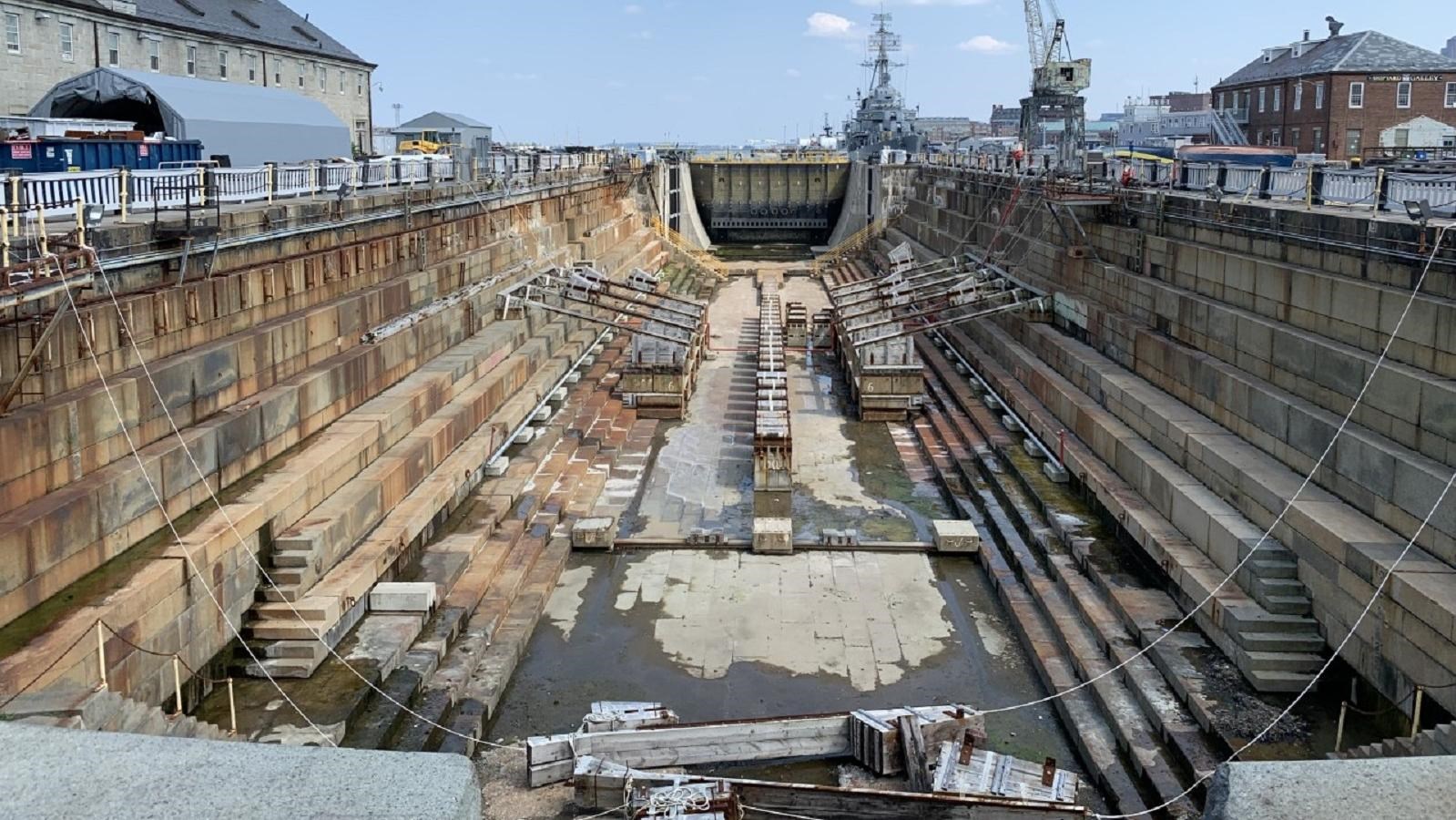
American shipyards once defined global maritime excellence. From World War II production surges to Cold War naval expansion, industrial shipbuilding was a pillar of national strength. However, as labor costs increased and international competitors expanded government support, domestic production fell behind.
The US maritime strategy aims to reverse this decline by modernizing facilities with advanced manufacturing technologies such as automation, digital ship design platforms, and streamlined supply chain systems. Advocates believe updated production methods will reduce costs while improving efficiency.
Industry leaders have long argued that shipbuilding must be treated as strategic infrastructure rather than a purely commercial enterprise. Under this framework, maritime capability becomes a matter of resilience and preparedness, not simply profit margins.
National Security Priorities
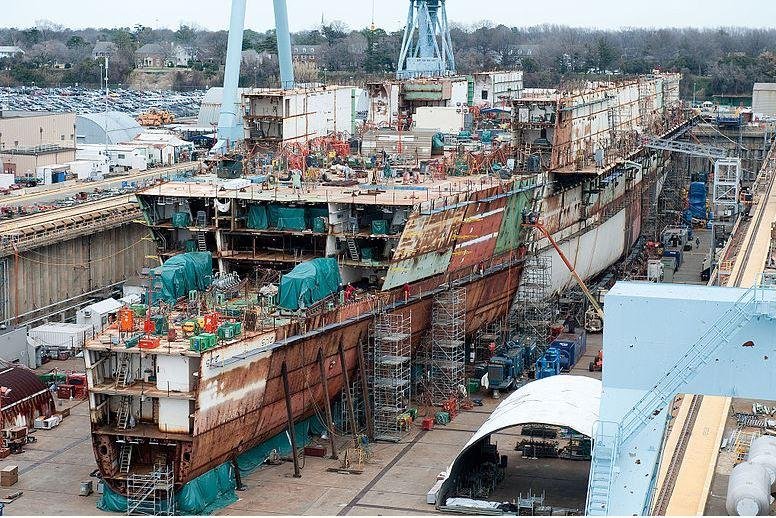
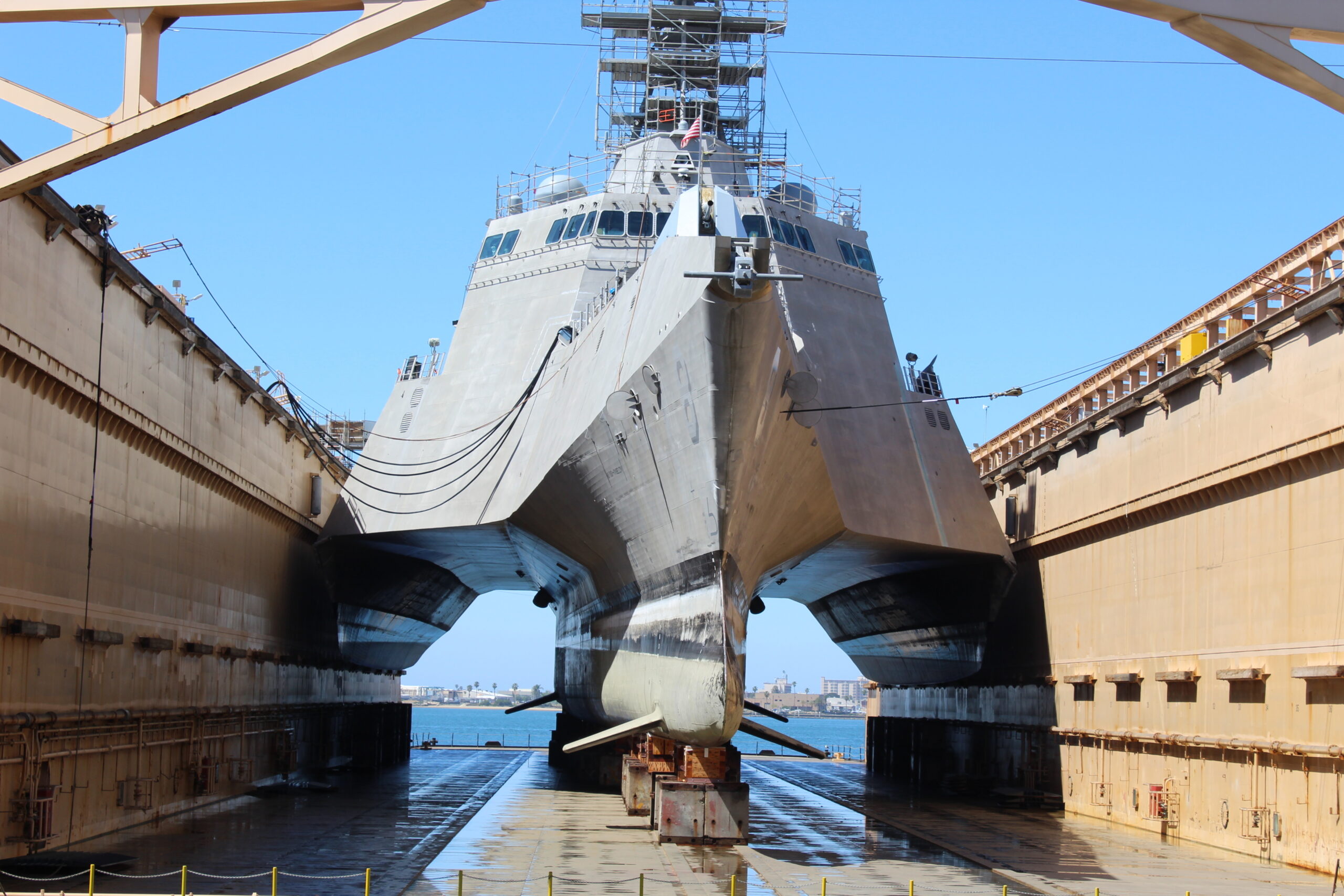
Defense planners consistently stress that maritime strength underpins national security. Naval fleets require consistent construction cycles, maintenance capacity, and skilled labor availability. Without a strong industrial base, fleet readiness can suffer.
The US maritime strategy proposes expanded funding for naval shipyards and private contractors responsible for building destroyers, amphibious vessels, and logistics ships. Reducing repair backlogs and ensuring timely fleet modernization are central objectives.
One senior administration official involved in the rollout said,
“A nation that cannot build and repair its own ships risks losing control of its destiny at sea.”
This statement reflects the broader belief that maritime independence supports deterrence, crisis response, and long-term stability.
Commercial Shipping and Global Trade
Beyond defense, commercial maritime capacity plays a vital role in economic health. Energy exports, agricultural shipments, and manufactured goods depend on reliable shipping infrastructure. When disruptions occur, economic consequences ripple across industries.
The US maritime strategy seeks to incentivize construction of US-flagged vessels and strengthen domestic shipping registries. Policymakers are exploring adjustments to cargo preference laws and financing mechanisms designed to level the playing field with heavily subsidized international competitors.
Supporters contend that expanding commercial shipbuilding will create thousands of skilled jobs while reducing supply chain exposure to geopolitical risks.
Workforce Development and Education
Rebuilding shipyards requires more than capital investment. Skilled welders, engineers, naval architects, and marine electricians form the backbone of maritime production. Many experienced workers have retired, leaving talent gaps that must be addressed.
Under the US maritime strategy, federal agencies plan to partner with maritime academies, community colleges, and apprenticeship programs to cultivate the next generation of maritime professionals. Scholarships and workforce grants are expected to support long-term labor expansion.
Industry analysts note that workforce training cannot be rushed. Shipbuilding is complex, and mastery of the craft takes years. Policymakers emphasize patience and sustained funding as critical components of success.
Infrastructure Modernization
Ports serve as gateways to global trade, and many American facilities face aging infrastructure challenges. Congestion, outdated cargo handling systems, and limited digital integration hinder efficiency.
The US maritime strategy allocates resources toward port modernization projects, including upgraded cranes, automated logistics systems, and enhanced cybersecurity frameworks. Officials argue that efficient ports complement domestic shipbuilding by improving overall maritime competitiveness.
Transportation economists suggest that integrated modernization efforts could significantly reduce shipping bottlenecks and increase throughput capacity.
Economic Ripple Effects
Shipbuilding stimulates activity across steel production, electronics manufacturing, engineering services, and logistics networks. Regional economies that host shipyards often depend on maritime contracts for stability.
The US maritime strategy is projected to generate economic growth in coastal states and inland industrial centers alike. By linking defense procurement with commercial incentives, policymakers hope to create predictable demand cycles that encourage private investment.
Financial analysts caution, however, that long-term returns will depend on global trade patterns and consistent legislative support.
Legislative and Budgetary Considerations
Implementation requires congressional approval of funding allocations and regulatory adjustments. Lawmakers will debate budget priorities, subsidy structures, and environmental compliance standards.
Critics question whether domestic production can realistically compete with large-scale international shipyards that benefit from lower labor costs and substantial government backing. Supporters counter that strategic independence justifies targeted federal investment.
The US maritime strategy must navigate these legislative hurdles while maintaining bipartisan support.
Environmental and Regulatory Balance
Modern shipbuilding must address environmental standards, including emissions controls and sustainable materials usage. Policymakers acknowledge that environmental compliance can increase costs but argue that innovation may offset long-term expenses.
The US maritime strategy incorporates green technology incentives aimed at promoting cleaner vessel designs and energy-efficient propulsion systems. Advocates believe environmental leadership could position American shipbuilders as innovators rather than followers.
Balancing competitiveness with sustainability remains a delicate task.
Global Competitive Landscape
International maritime production is concentrated in a handful of countries with established industrial ecosystems. These nations invest heavily in shipbuilding subsidies, research, and export incentives.
By contrast, American production has historically relied more heavily on defense contracts than commercial demand. The US maritime strategy seeks to bridge that gap by integrating public and private priorities.
Maritime economists observe that sustained commitment over multiple years will be necessary to close the competitive divide.
Historic Comparison
During World War II, American shipyards produced vessels at unprecedented speed, demonstrating what coordinated industrial policy could achieve. Liberty ships rolled off assembly lines in record time, symbolizing industrial unity and national resolve.
The US maritime strategy draws comparisons to that era, though modern conditions differ significantly. Today’s global economy is more interconnected, and shipbuilding technology is far more advanced. While production surges of the 1940s may not be replicable, policymakers hope the same spirit of coordination and urgency can guide contemporary efforts.
History suggests that when industrial policy aligns with national priorities, transformative results are possible.
Market Reaction and Industry Outlook
Following the announcement, investors responded cautiously. Defense contractors and maritime suppliers saw moderate interest, reflecting expectations of potential contract expansion.
Long-term confidence will depend on procurement schedules and regulatory clarity. If funding remains stable, industry participants anticipate gradual but measurable growth.
The US maritime strategy represents a strategic pivot rather than an overnight transformation.
Strategic Autonomy and Future Planning
Policymakers emphasize that maritime independence supports broader economic security goals. Industrial capacity at sea reinforces supply chain resilience, disaster response capabilities, and geopolitical leverage.
The US maritime strategy underscores a belief that strategic autonomy requires robust domestic production. Without it, reliance on external suppliers could limit flexibility during crises.
As implementation begins, stakeholders will monitor milestones closely.
Industrial Innovation and Technology Integration
Advanced manufacturing tools such as 3D printing, robotics, and digital twin simulations are expected to reshape shipbuilding processes. Incorporating these technologies could reduce construction timelines and lower costs.
The US maritime strategy encourages research partnerships between government agencies, universities, and private firms. Innovation funding aims to position domestic shipyards at the forefront of technological advancement.
Experts argue that modernization must accompany expansion to ensure competitiveness.
Long-Term Vision for Maritime Leadership
Rebuilding maritime strength is not solely about numbers of vessels produced. It also involves cultivating expertise, improving logistics networks, and maintaining strategic clarity.
The US maritime strategy envisions a future in which American shipyards compete globally while meeting domestic defense needs. Success will depend on sustained collaboration among policymakers, industry leaders, and educators.
If implemented effectively, the initiative could redefine the nation’s role in global maritime affairs for decades to come.
Steering Toward a New Maritime Era
The unveiling of this comprehensive plan signals renewed federal attention to an industry that once symbolized national capability. Reinvigorating shipbuilding requires patience, investment, and consistent policy alignment.
The US maritime strategy reflects a recognition that economic security and maritime strength are intertwined. While challenges remain, officials believe coordinated effort can restore long-term competitiveness.
As the plan moves from announcement to implementation, the coming years will determine whether this initiative marks a temporary shift or the beginning of a lasting maritime revival.