


BRUSSELS, 2026 — According to Parliament News, that Economic transformation is accelerating across major global markets in 2026 as policymakers, financial institutions, and private sector leaders converge on strategies aimed at reshaping trade, technology, labor, and sustainability. Brussels has emerged as a focal point for discussions that could redefine economic policy frameworks across Europe and beyond.
Governments are navigating a complex landscape shaped by inflationary pressures, digital disruption, climate commitments, and geopolitical shifts. The debate surrounding economic transformation now centers on how nations can modernize without widening inequality or destabilizing financial systems.
Global Policy Reset in 2026
The global economy entered 2026 facing structural pressures rather than cyclical slowdowns. Central banks have largely stabilized inflation compared to prior years, yet long-term competitiveness remains a concern. Leaders in Brussels emphasized that reforms must go beyond short-term stimulus and address systemic modernization.
Digital infrastructure, renewable energy transitions, and workforce retraining are now viewed as pillars of sustainable economic transformation. Policymakers are signaling that incremental reforms are no longer sufficient to meet long-term growth expectations.
Across Europe, investment packages are being restructured to prioritize innovation hubs, artificial intelligence development, and cross-border digital frameworks. Similar strategies are unfolding in Asia and North America, indicating a coordinated shift in global economic priorities.
Digital Infrastructure and Technological Expansion
Technology remains at the center of this new growth cycle. Governments are expanding public-private partnerships to accelerate broadband deployment, cybersecurity modernization, and cloud-based public services.
Artificial intelligence, automation, and advanced manufacturing are rapidly reshaping traditional industries. While these technologies improve productivity, they also create transitional challenges for labor markets.
Analysts note that digital readiness will determine which economies lead the next decade. Countries that delay investments risk falling behind in productivity and innovation competitiveness. The current wave of economic transformation is therefore increasingly digital in nature, reflecting the global shift toward data-driven governance and smart infrastructure.
Labor Market Realignment and Workforce Strategy
Workforce adaptation is one of the most complex elements of modern reform efforts. Automation and remote work have altered employment structures, demanding new skill sets and educational models.
European institutions have announced retraining initiatives aimed at equipping workers with digital and green-economy competencies. Public funding for vocational programs has increased significantly in 2026, reflecting urgency around inclusive growth.
The challenge lies in balancing rapid modernization with social stability. Labor unions and employer associations are negotiating frameworks to ensure technological progress does not outpace worker protections.
One senior economic advisor in Brussels stated,
“The future of growth depends on how effectively we align innovation with opportunity.”
That single remark encapsulates the broader tension driving economic transformation efforts worldwide.
Energy Transition and Sustainability Priorities
Climate commitments remain central to policy debates. Governments are accelerating renewable energy investment, decarbonization initiatives, and green financing instruments.
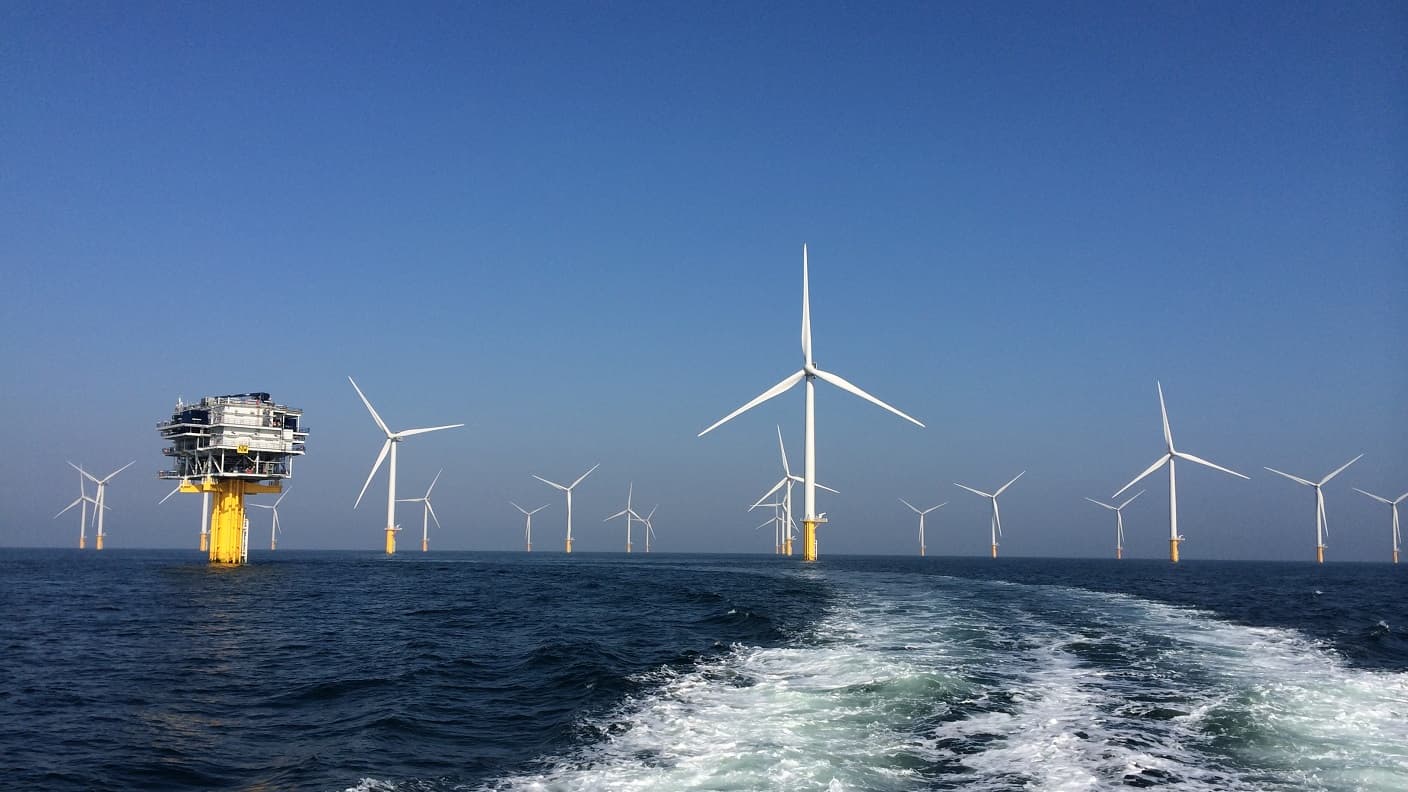
The European Union has strengthened emissions reduction benchmarks while encouraging private capital participation in clean energy infrastructure. Hydrogen, offshore wind, and grid modernization projects are gaining momentum.
Sustainability-linked bonds and green investment funds are attracting institutional investors seeking long-term stable returns. These mechanisms are becoming integral to the broader economic transformation strategy, linking environmental objectives with fiscal planning.
Energy security also remains a top concern. Diversification of supply chains and regional energy independence are considered essential to maintaining economic resilience in 2026.
Trade Realignment and Supply Chain Diversification
Global trade patterns continue to evolve. Businesses are diversifying supply chains to reduce dependency on single regions. Nearshoring and strategic trade partnerships are gaining traction across Europe and Asia.
Brussels officials highlighted new trade frameworks designed to protect strategic industries while maintaining global competitiveness. Digital trade agreements and technology transfer safeguards are being prioritized.
This recalibration reflects lessons learned from previous disruptions. Economic transformation now includes strengthening supply chain resilience to avoid future systemic shocks.
Cross-border collaboration remains important, but national resilience strategies are receiving greater emphasis in 2026.
Financial Sector Adaptation
Financial markets are adjusting to structural change. Investors are increasingly evaluating long-term productivity metrics rather than short-term cyclical indicators.
Central banks have shifted communication strategies toward stability and predictability. Monetary policy in 2026 focuses on maintaining growth without reigniting inflation.
Capital markets are channeling funding into sectors aligned with modernization objectives. Venture capital flows into green technology, fintech innovation, and digital infrastructure have expanded significantly.
Banks are also modernizing compliance systems using advanced analytics and blockchain solutions, supporting the broader economic transformation agenda.

Regional Development and Urban Policy
Urban centers remain laboratories for policy experimentation. Brussels has implemented pilot programs integrating smart mobility systems, AI-powered public services, and sustainable housing initiatives.
Local governments are aligning infrastructure spending with long-term competitiveness metrics. Smart cities are becoming models for scalable economic reform.
Regional development funds are being redistributed to close disparities between metropolitan and rural communities. Balanced growth strategies are seen as essential for long-term economic transformation.
In 2026, the emphasis is not merely on expanding GDP but on building durable, inclusive systems capable of adapting to technological and environmental change.
Geopolitical Influence on Reform Strategies
Global tensions continue to shape policy priorities. Trade disputes, security alliances, and regulatory differences influence how nations structure economic planning.
European policymakers have underscored the importance of strategic autonomy while maintaining cooperative trade relationships. This balancing act defines much of the current debate.
Emerging markets are pursuing parallel strategies, seeking diversification without alienating key trading partners. The process reflects a broader geopolitical dimension to economic transformation.
Private Sector Innovation and Entrepreneurship
Startups and technology firms are playing a critical role in modernization efforts. Entrepreneurship ecosystems across Europe have expanded access to funding, mentorship, and cross-border collaboration.
Innovation clusters in Brussels, Berlin, and Paris are attracting global talent. Regulatory reforms are being introduced to streamline business formation and digital operations.
Corporate leaders emphasize that agility and adaptability will define success in this evolving environment. Private sector participation is now deeply embedded within economic transformation planning, reflecting a shift toward collaborative governance models.
Fiscal Strategy and Public Investment
Public finances remain under scrutiny. Governments are balancing debt management with targeted investment in future growth sectors.
Infrastructure modernization programs are structured to generate multiplier effects across local economies. Investments in transportation networks, renewable energy grids, and digital public services are designed to produce long-term returns.
Brussels policymakers have reiterated that sustainable public finance frameworks are fundamental to credible reform agendas. Transparent budgeting and accountability measures are receiving heightened attention in 2026.
The alignment between fiscal discipline and innovation spending defines the current stage of economic transformation.
Social Equity and Inclusive Growth
Economic modernization efforts must address inequality. Policymakers are integrating social safety nets into broader reform frameworks.
Affordable housing initiatives, healthcare modernization, and education access programs are being expanded. These measures aim to ensure growth benefits are broadly distributed.
Experts warn that without inclusive planning, economic transformation risks exacerbating existing disparities. The challenge lies in synchronizing technological acceleration with equitable opportunity.
Global Outlook for 2026 and Beyond
Analysts project moderate but steady global growth through 2026, contingent on policy coordination and geopolitical stability.
Digital expansion, green investment, and supply chain resilience are expected to drive medium-term productivity gains. However, execution remains critical.
Brussels continues to position itself as a convening hub for policy dialogue, reflecting Europe’s central role in shaping modernization frameworks.
The trajectory of economic transformation will ultimately depend on sustained political commitment, cross-sector cooperation, and adaptive governance models.
Beyond Reform: Redefining Prosperity in a Changing World
As 2026 unfolds, the conversation is evolving from adjustment to redefinition. Policymakers are no longer debating whether change is necessary but how deeply systems must evolve to remain competitive and equitable.
The next phase of economic transformation may not be measured solely by growth rates but by resilience, sustainability, and adaptability. The shift underway in Brussels reflects a broader global movement toward modernizing institutions to meet 21st-century challenges.
While uncertainties remain, 2026 stands as a pivotal year marking a decisive turn toward structural renewal rather than temporary stabilization.