

EU Payments Strategy Drives Digital Reform in Frankfurt 2026

Contactless payment growth supporting EU payments strategy reforms

FRANKFURT, February 18, 2026 — According to Parliament News, that Inside the headquarters of the European Central Bank, policymakers are reshaping the future of money across the eurozone. The EU payments strategy has moved from policy discussion to structural priority, signaling Europe’s determination to modernize its financial architecture in a rapidly digitizing world.

The year 2026 marks a pivotal point. Digital transactions now dominate retail commerce across much of Europe. Mobile wallets, online marketplaces, and contactless cards have transformed consumer behavior. Yet alongside this technological shift, European officials have become increasingly aware of vulnerabilities tied to reliance on foreign-controlled payment systems.

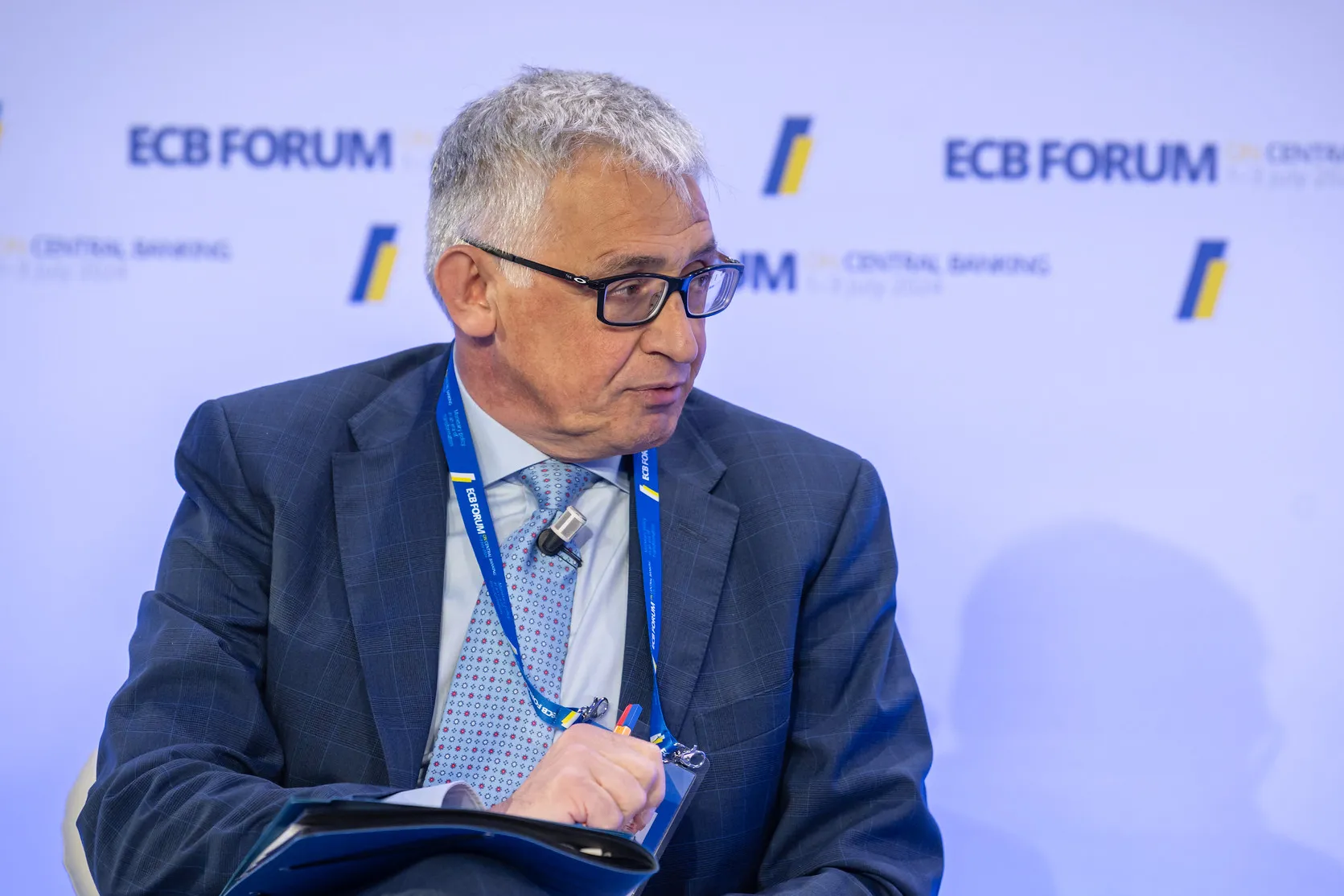
Board member Piero Cipollone emphasized that reform is not optional but necessary. He framed current initiatives as protective measures designed to safeguard European banks, maintain competitiveness, and strengthen monetary sovereignty.

The Strategic Importance of Payment Infrastructure

Payment systems once operated quietly in the background of economic life. Today, they sit at the heart of geopolitical and economic strategy. The EU payments strategy recognizes that control over transaction rails is inseparable from broader economic independence.

A large share of card-based transactions in Europe is processed through networks headquartered outside the European Union. While these systems function efficiently, policymakers argue that excessive reliance on external providers could create exposure during times of geopolitical tension or economic conflict.

The debate has intensified in recent years as sanctions regimes, trade disputes, and global supply chain disruptions have underscored the importance of autonomous infrastructure. Financial stability is no longer defined solely by capital reserves and liquidity; it is also defined by operational control.

The ECB’s reform agenda therefore seeks to reinforce domestic capacity while preserving Europe’s openness to global markets.

Digital Transformation and Declining Cash Usage

Across the eurozone, consumer behavior has shifted dramatically as digital tools reshape everyday commerce. In many member states, physical cash transactions have steadily declined, replaced by electronic payments that offer greater speed, efficiency, and convenience. This broad transition reflects deeper structural changes within the financial system and directly informs the direction of the EU payments strategy.

The rapid expansion of e-commerce, particularly during the early 2020s, permanently altered purchasing habits for businesses and households alike. Small retailers increasingly rely on online platforms and card-based systems to remain competitive, while younger generations have embraced seamless mobile and contactless transactions as the norm. These evolving patterns underscore why the EU payments strategy prioritizes modernization and interoperability across the single market.

Policymakers recognize that as digital transactions become dominant, central bank money must remain visible and functional within this environment. The EU payments strategy is designed to ensure that public currency continues to play a foundational role even as private payment providers expand their influence.

Officials have repeatedly clarified that physical cash will not disappear. It remains legal tender and a trusted form of payment throughout the eurozone. However, authorities also acknowledge that digital alternatives are increasingly necessary to preserve confidence in monetary systems. By adapting to these behavioral shifts, the EU payments strategy seeks to maintain stability while embracing innovation.

Ultimately, the decline in cash usage does not signal the weakening of public money but rather its evolution. Through forward-looking reforms embedded within the EU payments strategy, Europe aims to align its monetary framework with modern consumer expectations while safeguarding long-term financial resilience.

The Digital Euro: Foundation of Modernization

At the center of reform discussions lies the proposed digital euro. As part of the broader EU payments strategy, this initiative would introduce a central bank digital currency available to citizens and businesses throughout the eurozone.

Unlike private cryptocurrencies, the digital euro would be fully backed by the ECB, providing the same trust and stability associated with physical banknotes. Distribution would occur through commercial banks and supervised intermediaries, preserving the two-tier banking model that underpins European finance.

Policymakers have been careful to design safeguards. Holding limits may prevent excessive transfer of deposits from commercial banks into digital wallets. Privacy protections are also a cornerstone of the proposal, reflecting Europe’s stringent data standards.

The digital euro is intended to complement existing payment tools, not replace them. By anchoring digital transactions to central bank money, authorities believe they can reinforce financial resilience.

Declining cash usage in Europe linked to EU payments strategy modernization efforts

Protecting Banks and Reinforcing Card Schemes

European banks play a critical role in the implementation of reforms. Under the EU payments strategy, commercial institutions would distribute digital wallets, maintain customer relationships, and integrate new systems into existing infrastructure.

Domestic card schemes may also gain renewed relevance. Policymakers are exploring ways to strengthen European alternatives, reducing reliance on international networks while maintaining interoperability.

During discussions in Frankfurt, Cipollone delivered a concise statement that captured the strategic vision:

“Europe must ensure its payment system remains secure, competitive and sovereign.”

The quote reflected consensus among policymakers that payment infrastructure is now a pillar of economic security.

Banks, for their part, are investing heavily in cybersecurity, digital compliance, and innovation to align with regulatory expectations.

Legislative Alignment and Regulatory Oversight

Implementing reforms across 20 eurozone countries requires coordination between monetary authorities and lawmakers. The European Parliament is reviewing proposals to ensure legal clarity, consumer protection, and data privacy.

Regulatory frameworks will define operational standards, anti-money laundering controls, and technical specifications. Harmonization is essential to avoid fragmentation within the single market.

The EU payments strategy emphasizes interoperability, allowing citizens and businesses to transact seamlessly across borders without technical barriers.

Legislators have expressed broad support, recognizing that financial modernization strengthens the European Union’s economic cohesion.

Economic Benefits for Businesses and Consumers

The modernization of Europe’s financial infrastructure is expected to deliver measurable advantages for both companies and households. Faster settlement cycles, more efficient transaction processing, and lower operational costs could enhance competitiveness across the single market.

Small and medium-sized enterprises are likely to see meaningful improvements, particularly through reduced payment processing fees and simplified acceptance systems. In cross-border commerce, streamlined infrastructure may reduce delays, administrative complexity, and compliance friction, allowing businesses to expand more confidently across member states.

Consumers, meanwhile, could benefit from greater reliability and enhanced security in digital transactions. Confidence may strengthen further if central bank backing reinforces trust in electronic payments. Within this framework, the EU payments strategy supports innovation by offering fintech firms a predictable and secure regulatory environment in which to build new services and technologies.

Cybersecurity and Risk Management

As digital payment volumes continue to rise, cybersecurity becomes a central priority. The European Central Bank, along with national supervisory authorities, is investing in advanced defense systems designed to counter evolving cyber threats.

Resilience planning now includes system redundancy, real-time monitoring, and comprehensive stress testing to ensure continuity during periods of crisis. Financial institutions operating under the new framework must comply with strict security benchmarks and reporting standards.

Policymakers recognize that trust is the foundation of monetary stability. Without strong safeguards, technological progress could undermine confidence rather than strengthen it. For that reason, the EU payments strategy blends digital innovation with disciplined risk management, ensuring modernization proceeds without compromising stability.

EU payments strategy driving digital transformation across eurozone economies in 2026

Global Context and Competitive Pressures

Europe’s payment reforms unfold within a rapidly changing international environment. Several major economies are developing or piloting central bank digital currencies, intensifying competitive dynamics in global finance.

By advancing the EU payments strategy, European leaders aim to maintain technological relevance and support the euro’s standing in international markets. Sustained modernization signals to investors that Europe remains committed to financial resilience and innovation.

Geopolitical realities also shape decision-making. Payment systems play a role in sanctions enforcement, trade relationships, and the transmission of monetary policy. Strengthening domestic infrastructure enhances Europe’s strategic flexibility amid global uncertainty.

Addressing Public Concerns and Transparency

Public confidence remains indispensable in any monetary transformation. European authorities have emphasized transparency, conducting consultations, industry roundtables, and public briefings to clarify objectives and safeguards.

Privacy considerations are particularly prominent as digital currency discussions continue. Officials have stated that any digital euro structure will align fully with European data protection laws and will not permit unwarranted monitoring of individual transactions.

Clear communication regarding safeguards, operational limits, and consumer protections is essential to sustaining trust. The EU payments strategy therefore integrates technical design with active public engagement, ensuring that modernization efforts are both comprehensible and accountable to citizens across the Union.

Long-Term Vision for Financial Sovereignty

The transformation of Europe’s payment infrastructure reflects deliberate planning rather than reactive policymaking. Leaders are focused on preparing monetary systems for long-term technological shifts, ensuring resilience in a world increasingly driven by digital commerce.

Future-proofing financial infrastructure means anticipating innovation, strengthening domestic capabilities, and encouraging collaboration between central institutions and private sector innovators. Policymakers envision an ecosystem where regulated financial institutions and emerging fintech firms work within a stable, secure framework.

Europe’s longstanding commitment to open markets remains unchanged. However, strategic autonomy has gained prominence as a guiding principle. Financial sovereignty is no longer theoretical; it now translates into practical decisions about infrastructure, regulation, and digital currency development under the EU payments strategy.

E-commerce expansion influenced by EU payments strategy financial infrastructure upgrades

A Transformative Chapter in European Finance

The reforms advancing in Frankfurt in 2026 represent one of the most consequential developments in European monetary policy in recent decades. The scope of modernization extends beyond technology, touching on governance, sovereignty, and systemic resilience.

At its core, the EU payments strategy aims to safeguard European banks, strengthen domestic card networks, reinforce economic independence, and prepare the eurozone for a fully digital financial environment.

Through coordinated regulatory oversight, legislative collaboration, and institutional alignment, Europe is constructing a payment architecture designed to withstand geopolitical pressures and technological disruption alike.

As implementation progresses, the message from policymakers is consistent: Europe does not intend merely to respond to digital transformation — it intends to lead it.

Daniele Naddei

Daniele Naddei is a journalist at Parliament News covering European affairs, was born in Naples on April 8, 1991. He also serves as the Director of the CentroSud24 newspaper. During the period from 2010 to 2013, Naddei completed an internship at the esteemed local radio station Radio Club 91. Subsequently, he became the author of a weekly magazine published by the Italian Volleyball Federation of Campania (FIPAV Campania), which led to his registration in the professional order of Journalists of Campania in early 2014, listed under publicists. From 2013 to 2018, he worked as a freelance photojournalist and cameraman for external services for Rai and various local entities, including TeleCapri, CapriEvent, and TLA. Additionally, between 2014 and 2017, Naddei collaborated full-time with various newspapers in Campania, both in print and online. During this period, he also resumed his role as Editor-in-Chief at Radio Club 91.
Naddei is actively involved as a press officer for several companies and is responsible for editing cultural and social events in the city through his association with the Medea Fattoria Sociale. This experience continued until 2021. Throughout these years, he hosted or collaborated on football sports programs for various local broadcasters, including TLA, TvLuna, TeleCapri, Radio Stonata, Radio Amore, and Radio Antenna Uno.
From 2016 to 2018, Naddei was employed as an editor at newspapers of national interest within the Il24.it circuit, including Internazionale24, Salute24, and OggiScuola. Since 2019, Naddei has been one of the creators of the Rabona television program "Calcio è Passione," which has been broadcast on TeleCapri Sport since 2023.