

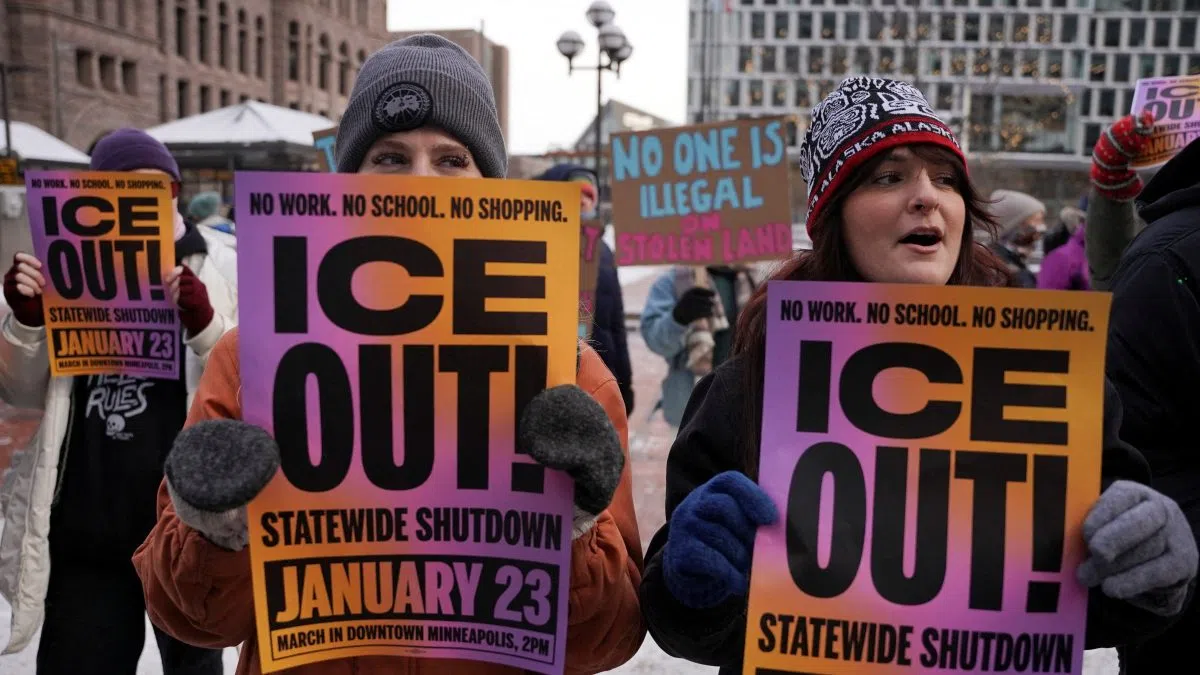
Minneapolis, United States January 2026, — According to parliament news Large crowds filled downtown streets as ICE protests USA intensified following a series of federal immigration enforcement actions that triggered public outrage. Demonstrations that began as localized gatherings quickly expanded into coordinated nationwide marches, reflecting deep frustration with immigration policy, law enforcement conduct, and accountability at the federal level. The scale, persistence, and emotional intensity of the protests signaled a defining moment in the country’s ongoing debate over immigration enforcement.
From the outset, organizers emphasized peaceful assembly, yet the urgency driving participants was unmistakable. Families, students, labor groups, faith leaders, and civil rights advocates marched side by side, united by concerns over civil liberties and the human cost of enforcement operations.
Origins of the Protest Movement
The current wave of demonstrations traces back to a sequence of enforcement incidents that drew national attention in early 2026. Video footage, eyewitness accounts, and conflicting official statements fueled public distrust and anger. As images circulated rapidly across digital platforms, outrage spread far beyond the communities directly affected.
Within days, ICE protests USA became a unifying label for gatherings demanding answers, accountability, and reform. Activists argue that the protests are not about isolated incidents but about long-standing structural issues within federal immigration enforcement.
Minneapolis as the Flashpoint
Minneapolis emerged as the symbolic epicenter of the movement. Thousands gathered nightly near government buildings, turning the city into a focal point for national attention. Demonstrators carried banners calling for justice, transparency, and an end to what they described as aggressive enforcement tactics.
As ICE protests USA grew in size, city officials implemented crowd-management strategies to balance public safety with constitutional rights. Street closures, curfews in limited zones, and increased emergency services presence aimed to prevent escalation while allowing lawful assembly.
Rapid Spread Across Major Cities
Within a week, solidarity demonstrations appeared in New York, Los Angeles, Chicago, San Francisco, Seattle, and Boston. Each city adapted the movement to local contexts, highlighting regional immigration concerns and historical grievances.
The shared messaging of ICE protests USA connected these geographically distant events into a cohesive national movement. Protesters coordinated schedules, slogans, and visual symbols through online networks, reinforcing a sense of collective purpose.
Who Is Participating and Why
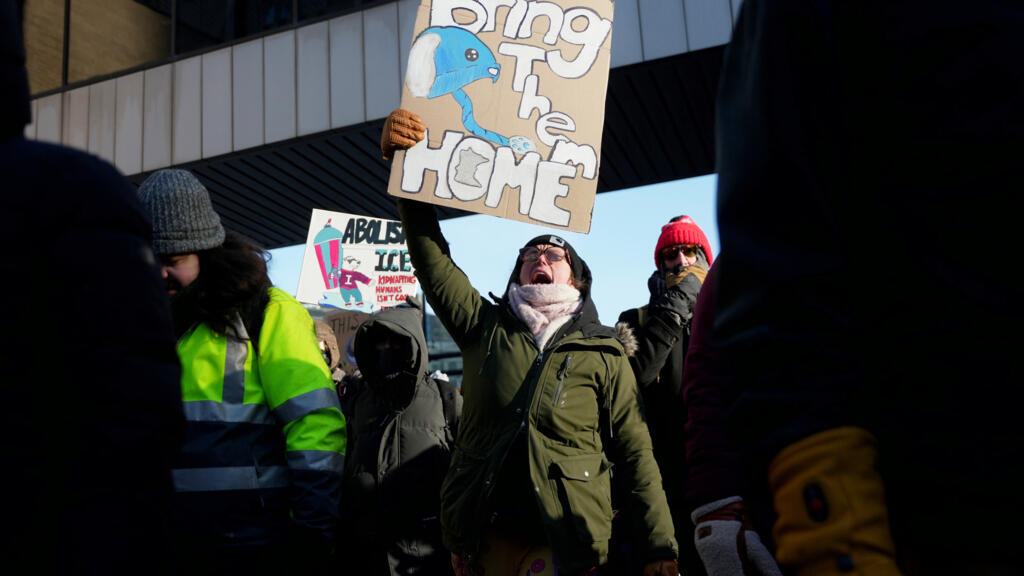
Participants span a broad demographic spectrum. College students cite fears about civil rights erosion. Immigrant families speak of constant anxiety and separation. Labor organizations warn that enforcement practices destabilize workforces and local economies.
For many involved in ICE protests USA, participation is driven by personal experience. Some recount encounters with enforcement officers; others describe witnessing the impact on neighbors, coworkers, or classmates. These stories fuel emotional resonance and sustained engagement.
Law Enforcement and Crowd Management
Police departments faced complex challenges managing large gatherings. In most cities, demonstrations remained peaceful, though isolated clashes occurred when tensions rose. Authorities emphasized de-escalation strategies and communication with protest organizers.
Observers note that the handling of ICE protests USA by local law enforcement contrasts sharply with federal enforcement actions being criticized, highlighting differing philosophies on public safety and community relations.
Political Reactions at State and Federal Levels
The protests quickly entered the political arena. State officials in several regions voiced concern over federal operations, while others defended strong enforcement as necessary for border security and rule of law.
In Washington, lawmakers debated oversight measures as ICE protests USA continued drawing attention. Proposed responses ranged from expanded review mechanisms to reaffirmation of existing enforcement authority, underscoring deep partisan divides.
Media Coverage and Narrative Framing
Extensive media coverage played a crucial role in amplifying the movement. Continuous livestreams, on-the-ground reporting, and investigative pieces shaped public perception. Analysts note that framing influenced whether audiences viewed the demonstrations as civil rights advocacy or public disorder.
As ICE protests USA dominated headlines, the narrative shifted from isolated events to systemic questions about governance, accountability, and democratic participation.
Role of Social Media and Digital Mobilization
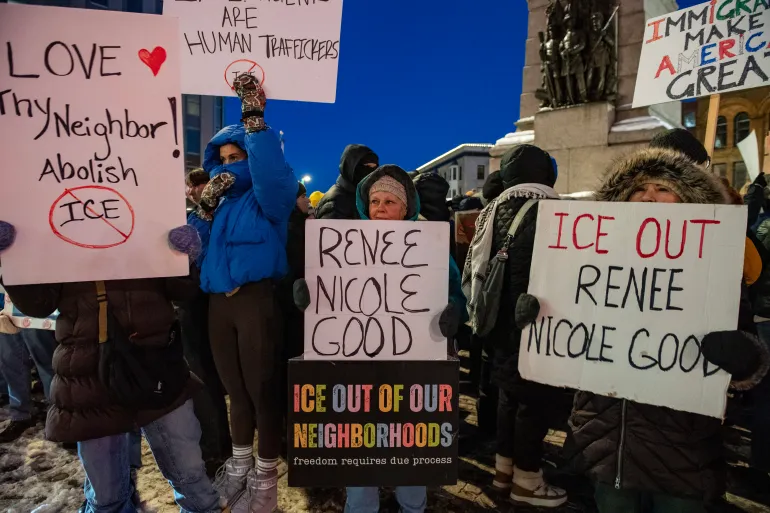
Digital platforms served as organizing hubs, allowing rapid dissemination of information and real-time coordination. Hashtags, livestreams, and encrypted messaging apps enabled decentralized leadership while maintaining message consistency.
This digital infrastructure helped ICE protests USA sustain momentum even as physical gatherings fluctuated, allowing participants unable to attend in person to remain engaged.
Economic and Social Disruptions
Large-scale demonstrations inevitably affected local economies. Downtown businesses reported temporary closures, while public transit systems adjusted routes. City officials acknowledged these disruptions while emphasizing the constitutional right to protest.
Supporters of ICE protests USA argue that short-term inconvenience must be weighed against long-term societal benefits if reform leads to improved trust and stability.
Voices From the Streets
Amid the crowds, one participant summarized the prevailing sentiment:
“People are here because they feel unheard for too long, and silence is no longer an option.”
The statement echoed across gatherings nationwide, encapsulating the emotional core of the movement.
Civil Rights and Legal Implications
Legal scholars note that the demonstrations raise important questions about federal authority, due process, and oversight. Lawsuits challenging enforcement practices have gained renewed attention, supported by public sentiment visible in the streets.
The persistence of ICE protests USA may influence judicial interpretation by highlighting widespread concern over how laws are implemented rather than their stated intent.
Historical Context of Immigration Protests
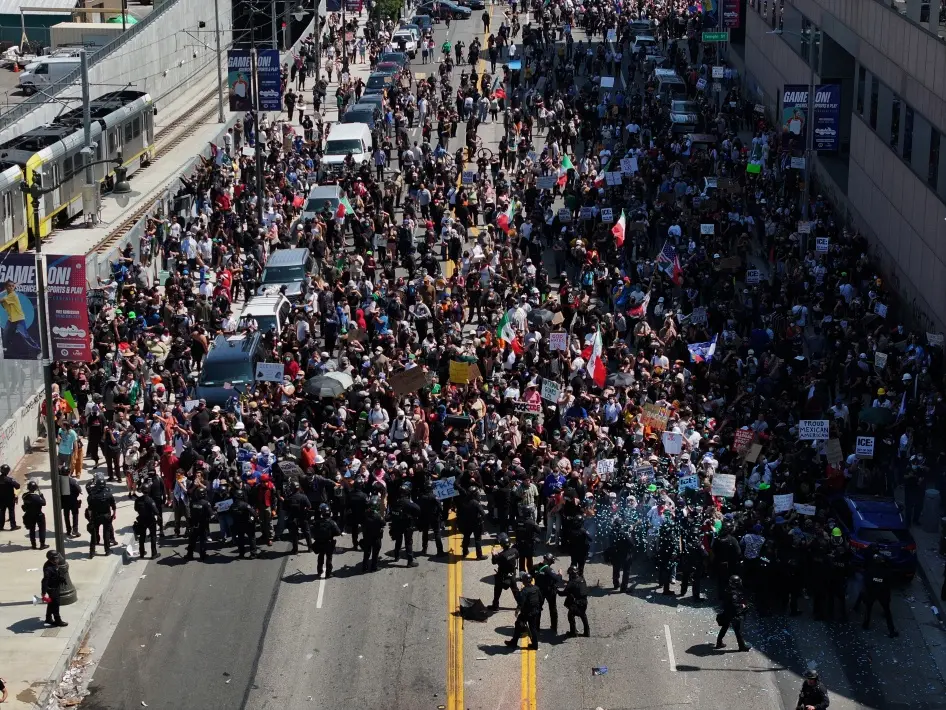
The United States has witnessed waves of immigration-related protests before, from labor movements of the early 20th century to mass marches in the early 2000s. Historians view the current movement as part of this continuum, shaped by modern communication tools and heightened political polarization.
What distinguishes ICE protests USA is their sustained national coordination and focus on enforcement mechanisms rather than solely legislative reform.
Impact on Immigrant Communities
For immigrant communities, the protests offer both hope and risk. Visibility can generate support and policy change, but it can also provoke backlash. Community leaders emphasize safety planning, legal awareness, and mutual aid to protect vulnerable individuals.
Despite uncertainties, many see ICE protests USA as an opportunity to reclaim agency and visibility in national discourse.
International Attention and Diplomatic Considerations
The demonstrations have drawn international media coverage, with observers abroad analyzing implications for human rights and democratic norms. Diplomatic analysts note that domestic unrest can influence global perceptions of governance and stability.
As ICE protests USA continue, international reactions may indirectly shape policy discussions through diplomatic channels and global public opinion.
Government Response and Possible Reforms
Federal agencies have issued statements reaffirming commitment to lawful enforcement while pledging internal reviews. Critics argue that statements alone are insufficient without concrete policy changes.
The scale of ICE protests USA increases pressure for measurable action, whether through revised guidelines, enhanced oversight, or legislative intervention.
Youth Leadership and the Next Generation
Young activists play a prominent role, organizing rallies, producing media content, and shaping messaging. Their involvement suggests long-term implications for political engagement and voter behavior.
For many young participants, ICE protests USA represent a formative civic experience that will influence their relationship with institutions for years to come.
Faith Groups and Moral Framing
Religious organizations have joined demonstrations, framing immigration enforcement as a moral issue. Interfaith coalitions host vigils and provide support services, emphasizing compassion and human dignity.
This moral framing adds depth to ICE protests USA, broadening appeal beyond political affiliations.
Public Opinion Trends
Surveys conducted during the protest period indicate shifting attitudes toward enforcement practices. While opinions remain divided, increased scrutiny suggests that public debate is evolving.
The visibility of ICE protests USA contributes to this shift by keeping the issue in public consciousness and encouraging dialogue across ideological lines.
Challenges Facing the Movement
Sustaining momentum poses challenges. Protest fatigue, resource constraints, and internal disagreements can weaken cohesion. Organizers focus on clear goals, nonviolent discipline, and strategic planning to maintain effectiveness.
How ICE protests USA navigate these challenges will influence their long-term impact.
Potential Long-Term Consequences
Analysts suggest that the protests could shape policy outcomes, electoral strategies, and institutional reforms. Even if immediate changes are limited, the movement may alter how enforcement agencies engage with communities.
The legacy of ICE protests USA may ultimately lie in shifting expectations about transparency, accountability, and civic participation.
A Defining Chapter in Modern Civic Activism
As winter turns to spring, demonstrations show no sign of immediate disappearance. Whether they culminate in legislative reform or gradual cultural change, the events of 2026 mark a significant chapter in American civic life.
The sustained presence, diversity, and national coordination of ICE protests USA underscore a broader reckoning with how power is exercised and contested in a democratic society.