

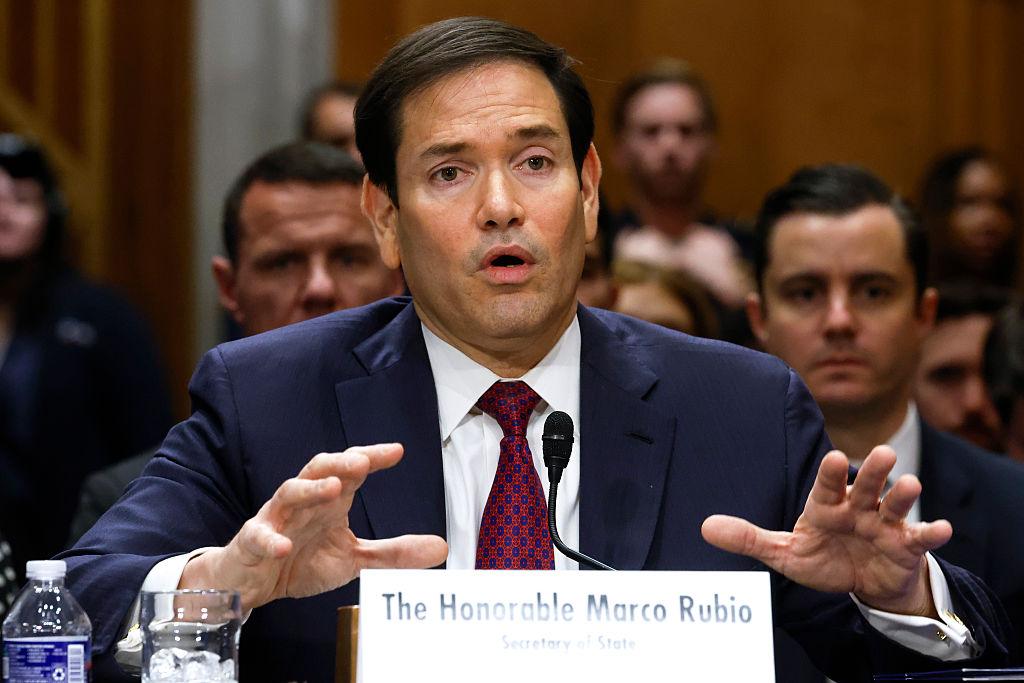
Washington, February 15, 2026 — According to Parliament News, that A newly issued US foreign policy statement from Washington has clarified that the United States does not dispute European conclusions regarding the poisoning of Russian opposition leader Alexei Navalny. The announcement reinforces transatlantic alignment and signals continuity in diplomatic posture amid ongoing geopolitical tensions.
Officials emphasized that the position reflects shared intelligence assessments and longstanding cooperation between American and European agencies. The reaffirmation arrives at a moment when global security dynamics remain fluid and diplomatic precision carries heightened importance.
The latest US foreign policy statement does not introduce new sanctions or policy measures, but it confirms that Washington stands by the investigative findings released by European authorities. Analysts describe the move as a strategic reinforcement of unity rather than a shift in direction.
Background of the Navalny Case
The poisoning of Alexei Navalny has been one of the most consequential political events in recent Russian history. Following his sudden illness, European laboratories conducted toxicology analyses that concluded a nerve agent had been used. The findings prompted widespread international condemnation and a series of coordinated sanctions.
Since then, Western governments have cited the case as emblematic of broader concerns regarding political dissent and human rights. The renewed US foreign policy statement reiterates that Washington accepts the scientific and investigative conclusions reached by European partners.
The incident has remained a reference point in diplomatic dialogue, particularly in discussions concerning accountability and adherence to international norms. By reaffirming alignment, the United States reinforces the credibility of shared intelligence frameworks.
The Strategic Timing of the Announcement
Diplomatic statements often carry weight not only for what they say but when they are delivered. The issuance of the US foreign policy statement comes amid renewed global focus on security alliances and geopolitical stability.
In Washington, officials underscored that the clarification was intended to eliminate ambiguity. Policy continuity can reduce speculation and reassure allies that transatlantic coordination remains intact.
Observers suggest that the timing reflects an effort to maintain consistency before upcoming multilateral meetings. By articulating its position clearly, Washington seeks to preserve predictability in its diplomatic engagements.
Alignment With European Allies
Transatlantic unity has long been a cornerstone of American diplomacy. The US foreign policy statement underscores that cooperation with European governments remains firm.
European leaders have consistently maintained that their investigations were thorough and evidence based. By affirming those findings, Washington reinforces the perception of a cohesive Western response.
Such coordination enhances collective leverage in diplomatic negotiations. Analysts argue that unified messaging strengthens credibility when addressing issues related to international law and security norms.

Implications for US Russia Relations
The relationship between Washington and Moscow has faced persistent challenges. While the US foreign policy statement does not introduce new punitive measures, it reaffirms existing concerns.
Diplomatic channels remain open, but disagreements continue over human rights, regional conflicts, and cybersecurity issues. The reaffirmation signals that accountability remains a central theme in bilateral discussions.
At the same time, officials emphasized measured language, avoiding rhetoric that could escalate tensions unnecessarily. This balance reflects a strategy aimed at maintaining dialogue while preserving principle.
Domestic Political Context
Foreign policy pronouncements often resonate within domestic political landscapes. The US foreign policy statement arrives amid ongoing debate about America’s role on the global stage.
Lawmakers across party lines have historically supported coordinated Western responses to alleged violations of international norms. The reaffirmation therefore reflects continuity rather than controversy.
Public opinion surveys indicate sustained support for alliance based diplomacy. By maintaining alignment, policymakers aim to reinforce bipartisan confidence in international cooperation.
Diplomatic Communication Strategy
Clarity in messaging can influence perceptions globally. The US foreign policy statement reflects deliberate wording designed to emphasize unity and stability.
By stating that there is no dispute with European findings, Washington reduces speculation about policy divergence. Such clarity can strengthen trust among allies.
Diplomatic communication also serves to reassure markets and institutions that established positions remain intact. Predictability in foreign policy often contributes to broader confidence.
International Reactions
European officials responded positively, viewing the US foreign policy statement as confirmation of enduring partnership. Human rights organizations also welcomed the reaffirmation.
Meanwhile, Russian authorities have consistently denied responsibility for the poisoning. The diplomatic narrative therefore remains contested.
International observers note that reaffirming alignment enhances the credibility of coordinated responses, even in the absence of new measures.
Economic and Security Considerations
Foreign policy decisions often intersect with economic realities. Although the US foreign policy statement does not directly address sanctions, it reinforces the framework under which prior measures were enacted.
Security alliances rely on shared assessments and mutual trust. By reaffirming agreement, Washington signals reliability within NATO and related structures.
Economic markets often respond favorably to stability in diplomatic relations. Predictable messaging can mitigate uncertainty even amid complex geopolitical environments.
The Role of Intelligence Cooperation
Intelligence sharing between allies forms the backbone of many diplomatic decisions. The US foreign policy statement reflects confidence in collaborative investigative processes.
European laboratories conducted extensive testing following the Navalny incident. By accepting those findings, Washington reinforces the integrity of joint intelligence mechanisms.
Such cooperation underscores the importance of multilateral verification in addressing international incidents.
Historic Comparison
Throughout modern history, transatlantic alignment has shaped responses to major international crises. During the Cold War, coordinated Western messaging was instrumental in addressing security threats and maintaining stability. In the aftermath of high profile political incidents, unity often served as a deterrent against further escalation.
The current US foreign policy statement can be viewed within this broader historical context. Just as past administrations emphasized solidarity in moments of tension, today’s reaffirmation reflects a tradition of alliance based diplomacy. While circumstances differ, the underlying principle of coordinated response remains consistent.
Public Messaging and Transparency
Transparency plays a crucial role in sustaining public trust. The US foreign policy statement emphasizes evidence based conclusions and cooperation.
Officials sought to avoid inflammatory rhetoric, focusing instead on reaffirmation. This measured tone aligns with broader diplomatic strategies aimed at reducing unnecessary escalation.
Clear communication ensures that both domestic and international audiences understand the continuity of policy.

Long Term Diplomatic Outlook
Looking ahead, the Navalny case is likely to remain a reference point in discussions about accountability and political freedoms. The US foreign policy statement establishes a benchmark for future messaging.
Continuity may contribute to stability in transatlantic relations. Allies often value predictable partnerships, particularly in uncertain times.
While geopolitical dynamics continue to evolve, reaffirming shared principles strengthens collective resilience.
Broader Geopolitical Landscape
The Navalny case intersects with wider debates about democratic governance and international norms. The US foreign policy statement situates the issue within that expansive framework.
Global challenges such as cybersecurity threats, regional conflicts, and energy security require coordinated responses. Unified messaging enhances the effectiveness of such efforts.
Observers argue that cohesion among allies amplifies diplomatic influence.
Strategic Balance and Measured Response
Foreign policy often requires balancing principle with pragmatism. The US foreign policy statement illustrates this equilibrium.
By reaffirming alignment without announcing new sanctions, policymakers demonstrate steadiness. The approach seeks to preserve dialogue while upholding accountability.
Such calibrated messaging can reduce escalation risks while maintaining credibility.
Quote From Officials
In discussing the reaffirmation, one senior official stated,
“Our position reflects shared facts and shared values, and we will continue working closely with our European partners to uphold international norms.”
This single remark encapsulates the emphasis on unity and evidence based cooperation that defines the current posture.
The Importance of Alliance Credibility
Alliance credibility rests on consistency. The US foreign policy statement reinforces the perception that Washington remains committed to shared assessments.
Consistency enhances diplomatic leverage and reassures partners of sustained cooperation. It also strengthens collective responses to complex international challenges.
By reaffirming alignment, policymakers contribute to long term strategic stability.
Steady Diplomacy in a Complex Era
In Washington 2026, the US foreign policy statement regarding Navalny represents continuity rather than transformation. It underscores alignment with Europe, reinforces shared intelligence conclusions, and signals disciplined diplomatic messaging.
As geopolitical tensions persist, clarity and coordination remain essential. The reaffirmation does not introduce new measures, but it strengthens a framework of unity that underpins broader foreign policy objectives.
In a world marked by rapid change and competing narratives, steady diplomacy can provide an anchor. By maintaining alignment with allies, Washington reinforces the enduring value of transatlantic cooperation.