


Brussels, Belgium — January, 2026 — Social media youth mental health has moved to the center of global debate as a landmark trial opened this week in Brussels, placing major technology companies under unprecedented legal scrutiny. The case, watched closely by governments, educators, and families worldwide, examines whether leading digital platforms contributed to psychological harm among children and teenagers through addictive design practices.
Held in the heart of the European Union’s political capital, the proceedings mark one of the most consequential technology trials of the decade, reflecting growing concern over how online environments shape young minds during critical developmental years.
How the Case Reached the Courtroom
The Brussels trial is the result of years of mounting pressure from health professionals, parent groups, and lawmakers. Reports from across Europe documented rising anxiety, depression, and attention related disorders among adolescents, coinciding with increased time spent on digital platforms.
Legal filings argue that social media youth mental health concerns were repeatedly raised in academic studies and internal assessments long before the lawsuit was filed. Plaintiffs maintain that warnings went unheeded while engagement driven business models expanded aggressively across younger demographics.
Technology Giants Named in the Proceedings
The case brings together three of the most influential platforms in the world: Meta, TikTok, and YouTube. Together, these services reach billions of users globally, including hundreds of millions of minors.
Prosecutors argue that the dominance of these companies gives them unmatched influence over social media youth mental health, making their design choices a matter of public interest rather than private business strategy.
Design Features at the Center of the Case
At the core of the legal arguments are platform features alleged to promote compulsive behavior. These include endless scrolling feeds, algorithmic video recommendations, auto-play functions, and persistent notifications.
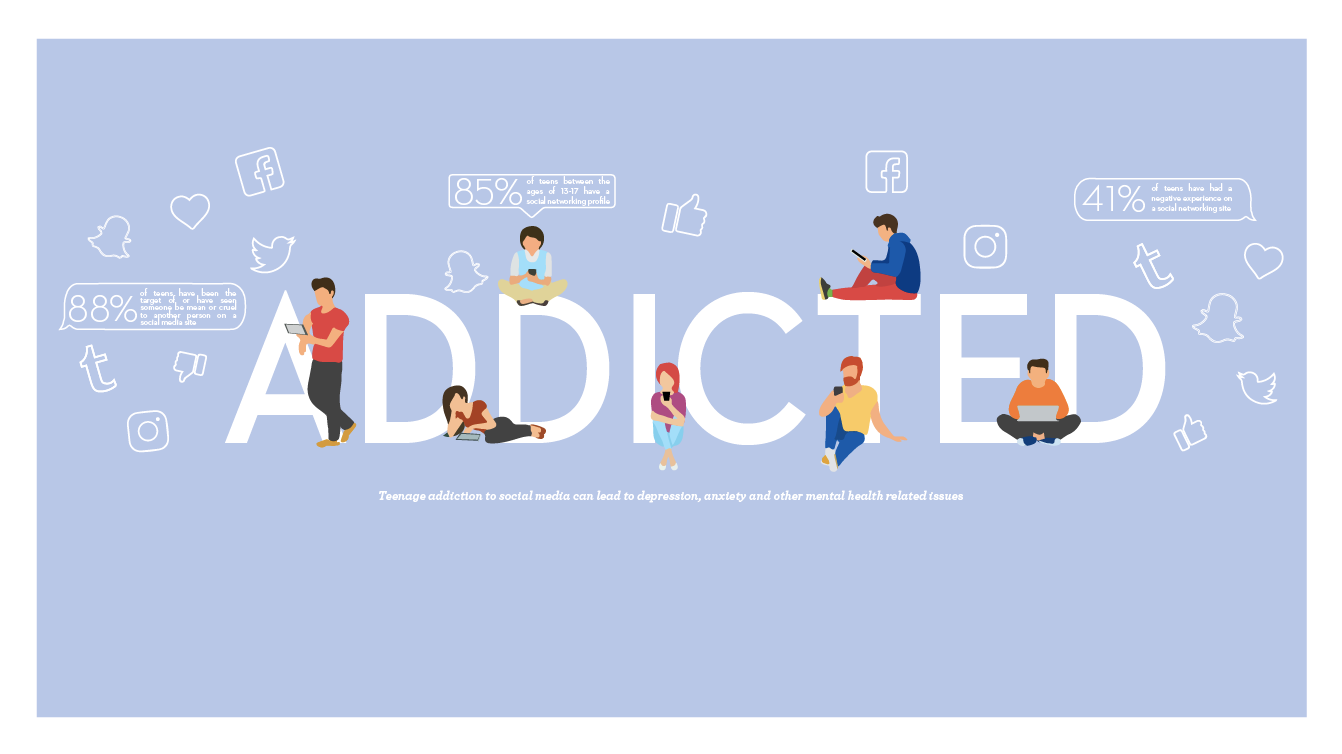
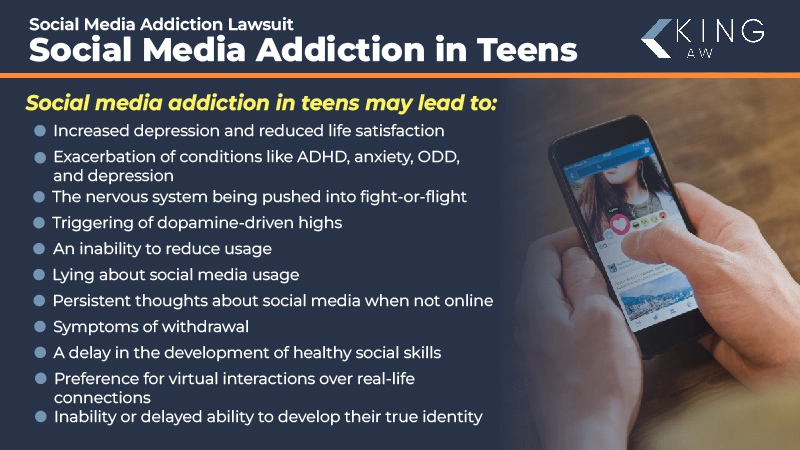
Experts called by the court explain that adolescent brains are particularly sensitive to reward based feedback loops. According to prosecutors, such systems intensified dependency and undermined social media youth mental health by encouraging excessive screen time and emotional comparison.
Evidence Expected to Shape the Verdict
The trial is expected to feature extensive documentary evidence, including internal research reports, design briefings, and engagement metrics. Mental health specialists will present longitudinal data examining correlations between prolonged usage and psychological stress in minors.
One youth psychologist told the court,
“When digital environments are engineered for constant engagement, young users often lack the cognitive tools to disengage.”
This single statement has become emblematic of the broader social media youth mental health debate surrounding the trial.
Voices of Families and Educators
Outside the courtroom, families across Europe have shared stories of struggle. Parents describe nightly conflicts over screen limits, disrupted sleep cycles, and emotional withdrawal among teenagers. Teachers report declining attention spans and increased classroom anxiety.
Advocacy groups argue that the trial validates long standing concerns about social media youth mental health, particularly in communities where online interaction has replaced traditional social spaces.
European Political Response
European Union officials have framed the trial as a policy inflection point. Several lawmakers attending the hearings stated that the outcome could influence upcoming revisions to digital services regulations.
Proposed measures include mandatory algorithm transparency, stronger age verification standards, and limits on targeted advertising to minors. Supporters say these steps are essential to protect social media youth mental health while maintaining a competitive digital economy.
Defense Strategy from the Platforms
Representatives for the technology companies deny allegations of intentional harm. They highlight investments in parental controls, well being dashboards, and educational partnerships.
Defense teams argue that attributing declines in social media youth mental health solely to platforms ignores broader social and economic factors. They also warn that excessive regulation could reduce access to educational and creative tools valued by young users.
Economic Stakes for the Digital Industry
Beyond legal consequences, the trial carries significant financial implications. Advertising models heavily dependent on youth engagement may require restructuring. Analysts note that even modest design changes could alter user behavior at scale.
Market observers suggest that prioritizing social media youth mental health could accelerate a shift toward alternative success metrics focused on well being rather than time spent online.
International Attention and Global Ripple Effects
Although the proceedings are taking place in Brussels, regulators worldwide are monitoring developments. Governments in North America, Asia, and Australia have expressed interest in the legal arguments presented.
A ruling against the platforms could establish precedents affecting global standards for social media youth mental health, prompting coordinated international regulatory responses.
Cultural Shifts in Digital Consumption
Public attitudes toward technology have evolved rapidly in recent years. Surveys indicate increasing skepticism toward algorithm driven engagement, particularly among parents of young children.
Youth organizations argue that protecting social media youth mental health does not require abandoning technology but re-imagining it. Balanced digital habits, they say, are achievable when platforms share responsibility.
Technology Innovation After the Trial
Industry analysts predict that the outcome may reshape product design philosophies. Features encouraging mindful usage, natural stopping points, and content diversity could become standard.
If such changes take hold, social media youth mental health may emerge as a benchmark for ethical innovation, influencing how future platforms are built and evaluated.
Legal Experts on the Broader Meaning
Legal scholars describe the Brussels case as part of a broader evolution in technology accountability. Similar to past rulings affecting environmental and consumer protection law, the trial reflects society’s attempt to align innovation with public welfare.
By placing social media youth mental health under judicial review, the court is effectively testing how far corporate responsibility extends in the digital age.
Public Reaction and Media Coverage
Media outlets across Europe have provided continuous coverage, reflecting widespread public interest. Social discussions reveal a growing consensus that youth protection must be embedded into platform design from the outset.
The trial has become a reference point in conversations about social media youth mental health, influencing debates in households, schools, and parliaments alike.
What Comes Next
Proceedings are expected to continue for several months, with expert testimony and closing arguments scheduled later in the year. A verdict could arrive before the end of 2026.
Regardless of the legal outcome, analysts agree that the trial has already altered the landscape. Social media youth mental health is now firmly established as a central issue in digital governance rather than a peripheral concern.
A Turning Point for the Digital Generation
As Brussels hosts this historic case, the implications extend far beyond the courtroom. The decisions made here may shape how children experience the internet for decades to come.
The trial stands as a defining moment, signaling that the protection of young minds is no longer optional but fundamental to the future of technology and society.