United States, January, 2026 — The Amazon Whole Foods expansion is accelerating across major American cities as consumer demand for faster grocery access and integrated shopping experiences continues to rise. In 2026, this strategy reflects a significant evolution in the national grocery landscape, blending physical retail with advanced logistics to meet changing expectations.
Led by Amazon through its premium grocery brand Whole Foods Market, the expansion marks a renewed emphasis on proximity, convenience, and supply chain efficiency. Analysts say the approach demonstrates how traditional retail formats are being re-imagined to support a digitally driven economy.
A Shift in Strategy Toward Physical Retail
The Amazon Whole Foods expansion represents a clear shift from an earlier focus on online only grocery solutions toward a hybrid retail model. While digital ordering remains central, physical locations are once again viewed as essential infrastructure rather than legacy assets.
These stores are being positioned not only as shopping destinations but also as operational hubs that support online fulfillment, same day delivery, and curbside pickup. This dual role allows Amazon to leverage existing real estate while adapting to modern consumer behavior.
Why Grocery Retail Is Changing in 2026
Several forces are shaping grocery retail this year. Inflation has moderated but cost sensitivity remains high among consumers. At the same time, convenience has become non negotiable, particularly in urban and suburban markets.
The Amazon Whole Foods expansion responds directly to these conditions by reducing delivery distances and improving inventory availability. Stores closer to customers allow faster service and lower logistical complexity, strengthening Amazon’s competitive position in a crowded market.
Store Conversions and New Openings
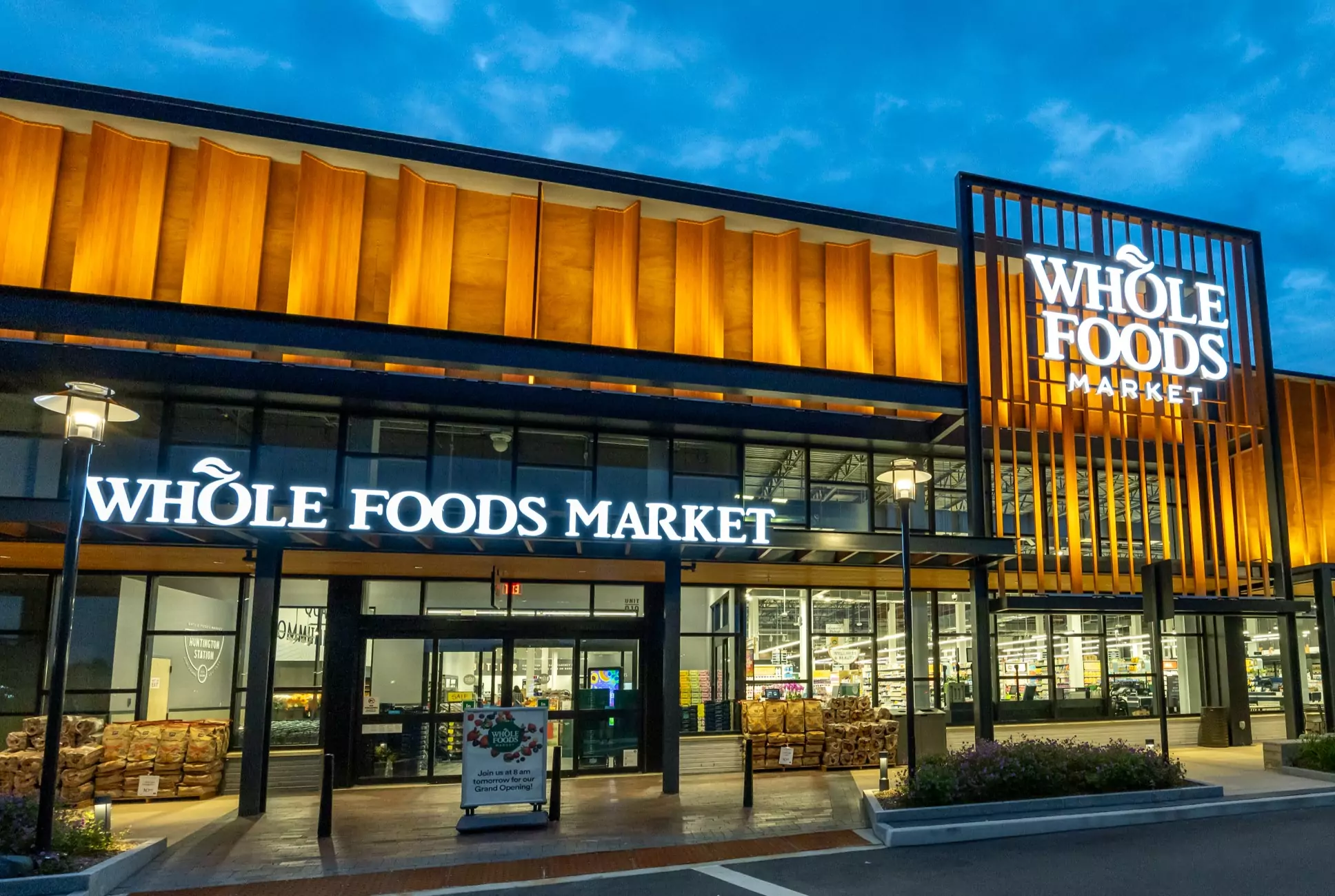
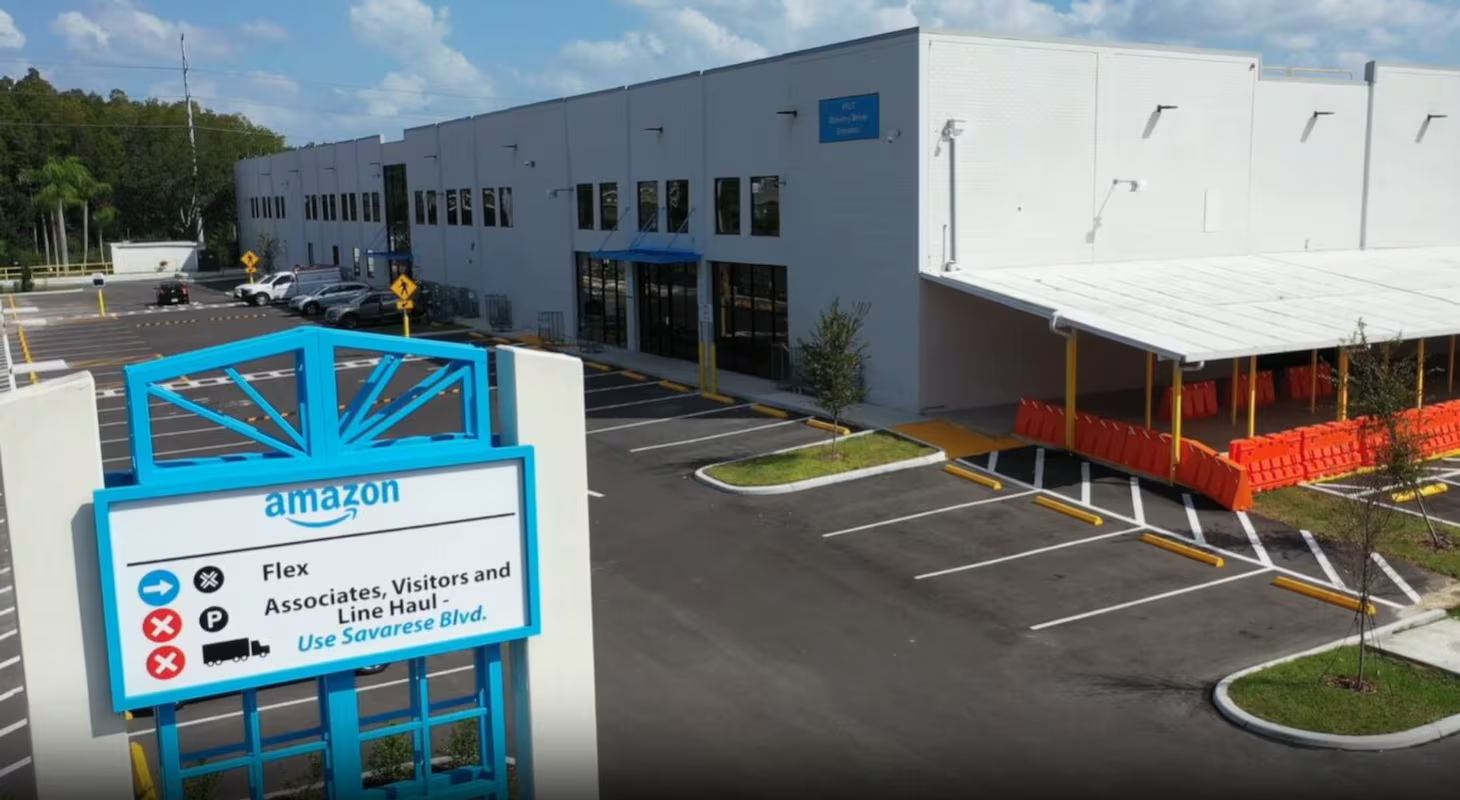
A key component of the Amazon Whole Foods expansion involves converting select physical retail spaces into Whole Foods locations while opening new stores in under-served areas. These conversions are designed to accelerate growth without the delays associated with ground up construction.
Layouts are being optimized to support both in store browsing and back of house fulfillment operations. Refrigeration, storage, and picking systems are being enhanced to ensure fresh products can move quickly from shelf to doorstep.
Local Fulfillment as a Competitive Advantage
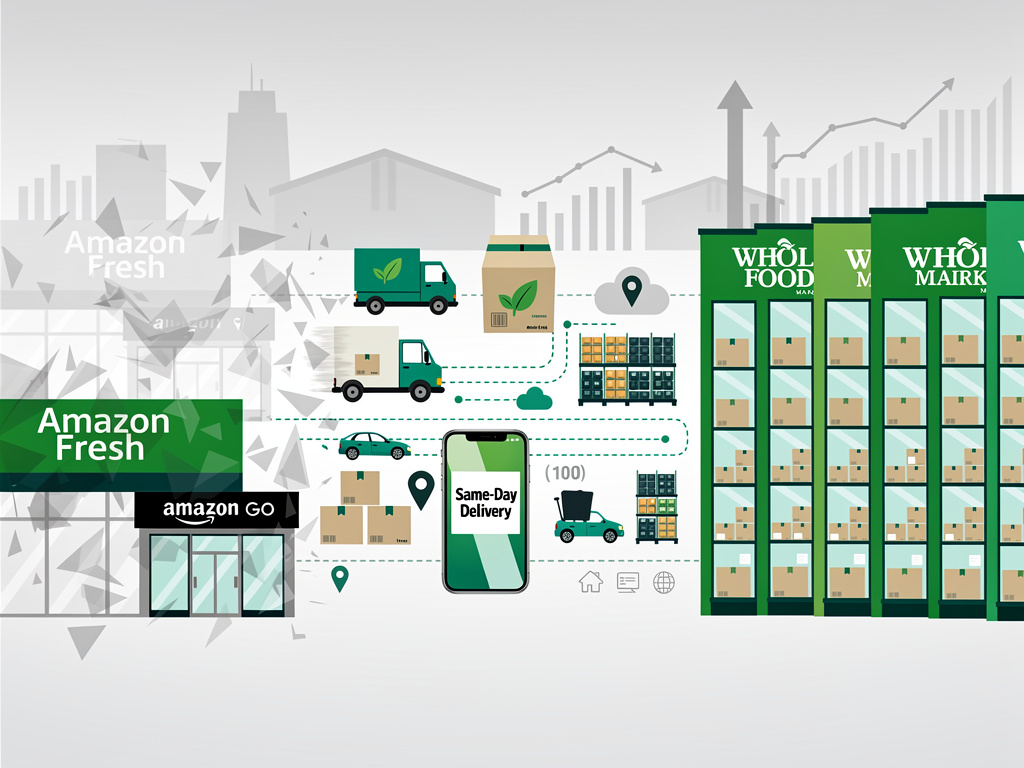
Local fulfillment has emerged as one of the most important advantages in grocery retail. The Amazon Whole Foods expansion places inventory closer to consumers, enabling delivery windows that traditional centralized warehouses struggle to match.
This approach reduces transportation costs and improves reliability for perishable goods. It also allows Amazon to scale same day delivery services while maintaining quality standards associated with the Whole Foods brand.
Consumer Experience at the Center
At its core, the Amazon Whole Foods expansion is designed around the consumer experience. Shoppers increasingly expect seamless movement between online and in store channels, with consistent pricing, promotions, and product availability.
Enhanced mobile integration, faster checkout options, and improved order accuracy are all part of the broader strategy. While much of the technology operates behind the scenes, its impact is felt in speed, convenience, and overall satisfaction.
Impact on Traditional Supermarkets
The Amazon Whole Foods expansion is forcing traditional supermarket chains to reassess their operating models. Many competitors are investing in automation, loyalty programs, and delivery partnerships to keep pace.
However, Amazon’s scale and data capabilities provide a significant edge. By analyzing purchasing patterns across millions of households, the company can optimize assortments and respond quickly to shifting demand.
Employment and Local Economic Effects
As Whole Foods locations expand, employment opportunities are also increasing. The Amazon Whole Foods expansion supports jobs in retail operations, supply chain management, and last mile delivery.
Local economies may benefit from increased commercial activity, though some independent grocers face heightened competition. The net impact varies by region, depending on market saturation and consumer demographics.
Technology and Data Integration
Advanced data systems are a defining feature of the Amazon Whole Foods expansion. Inventory forecasting, demand planning, and logistics coordination are increasingly automated, reducing waste and improving efficiency.
For consumers, this means fewer stock-outs and more consistent pricing. For Amazon, it translates into better margin control and operational resilience in an unpredictable retail environment.
Sustainability and Supply Chain Efficiency
Sustainability remains a priority as the Amazon Whole Foods expansion continues. Whole Foods’ emphasis on responsible sourcing aligns with Amazon’s broader environmental commitments.
By shortening delivery routes and consolidating shipments through local hubs, the company aims to reduce emissions associated with grocery logistics. Execution will be critical, as scale magnifies both positive and negative outcomes.
Industry Insight
One senior retail analyst said,
“This expansion reflects a long term commitment to hybrid grocery retail, where physical stores and digital platforms reinforce each other rather than compete.”
The comment underscores how industry observers view the strategy as structural rather than temporary.
Regulatory Attention and Market Oversight
Large scale retail expansion often draws regulatory scrutiny, and the Amazon Whole Foods expansion is no exception. Policymakers continue to monitor competition, pricing practices, and supplier relationships within the grocery sector.
Amazon maintains that increased efficiency and consumer choice benefit the broader market. Regulatory responses may influence how quickly additional locations are rolled out in the coming years.
Regional Focus and Market Selection
The Amazon Whole Foods expansion prioritizes regions with high population density, strong digital adoption, and established demand for premium grocery offerings. Urban centers and fast growing suburbs are key targets.
Market selection is informed by data on household income, shopping frequency, and delivery demand, allowing Amazon to allocate resources strategically.
Integration With Amazon’s Broader Ecosystem
Whole Foods locations increasingly serve as touch-points within Amazon’s broader ecosystem. The Amazon Whole Foods expansion supports Prime membership value through exclusive pricing, delivery benefits, and integrated services.
This ecosystem approach deepens customer loyalty and increases lifetime value, reinforcing Amazon’s long term growth strategy.
Challenges Facing the Expansion
Despite its advantages, the Amazon Whole Foods expansion faces challenges. Labor costs, real estate expenses, and competitive pricing pressures remain significant factors.
Balancing premium brand positioning with affordability is another ongoing consideration. Maintaining Whole Foods’ identity while scaling operations requires careful execution.
Consumer Behavior Trends to Watch
Changing consumer habits will shape the future of the Amazon Whole Foods expansion. Demand for prepared foods, health focused products, and friction-less checkout continues to grow.
Retailers that adapt quickly to these trends are better positioned to capture market share in an increasingly dynamic environment.
The Role of Innovation in Grocery Retail
Innovation underpins the Amazon Whole Foods expansion, from logistics optimization to customer engagement tools. Experimentation with store formats and service offerings is expected to continue throughout 2026.
Successful innovations may be scaled nationally, while less effective approaches are refined or discontinued.
Looking Ahead to the Next Phase
The Amazon Whole Foods expansion is expected to continue beyond 2026 as Amazon evaluates performance and market response. Analysts anticipate further integration of technology and logistics capabilities.
Future growth may also include smaller format stores designed specifically for high frequency shopping and rapid fulfillment.
Beyond Stores How Grocery Retail Is Being Redefined
The Amazon Whole Foods expansion illustrates how grocery retail is evolving into a service oriented industry where speed, flexibility, and trust are paramount. Physical stores are no longer endpoints but nodes in a connected commerce network.
As boundaries between online and offline shopping blur, retailers that successfully integrate both will define the next era of grocery commerce in the United States.