

United States | January, 2026: UPS job cuts emerged as a defining business development after UPS confirmed another phase of workforce reductions tied to a long-term restructuring strategy. The move highlights how one of the world’s largest delivery networks is adjusting to normalized demand, rising costs, and rapid technological change following years of expansion driven by global e-commerce growth.
Economic Pressures Shaping the Decision
The latest restructuring reflects broader economic realities facing the logistics sector. Parcel volumes remain historically strong but no longer support staffing levels built during peak growth years. Aligning operating costs with current demand has become essential, making UPS job cuts a measured response to shifting market conditions rather than an abrupt reversal.
Inflationary pressures, higher labor expenses, and fuel price volatility have further narrowed margins across the industry, reinforcing the need for structural adjustments.
Strategic Reset Focused on Profitability
Company leadership has emphasized that UPS job cuts are part of a wider transformation centered on profitability rather than volume. The strategy prioritizes premium logistics segments such as healthcare delivery, time-sensitive shipping, and specialized supply chain services, while reducing exposure to lower-margin contracts.
This repositioning reflects lessons learned during periods of rapid expansion, when scale alone did not always translate into sustainable returns.
Automation Accelerates Operational Change
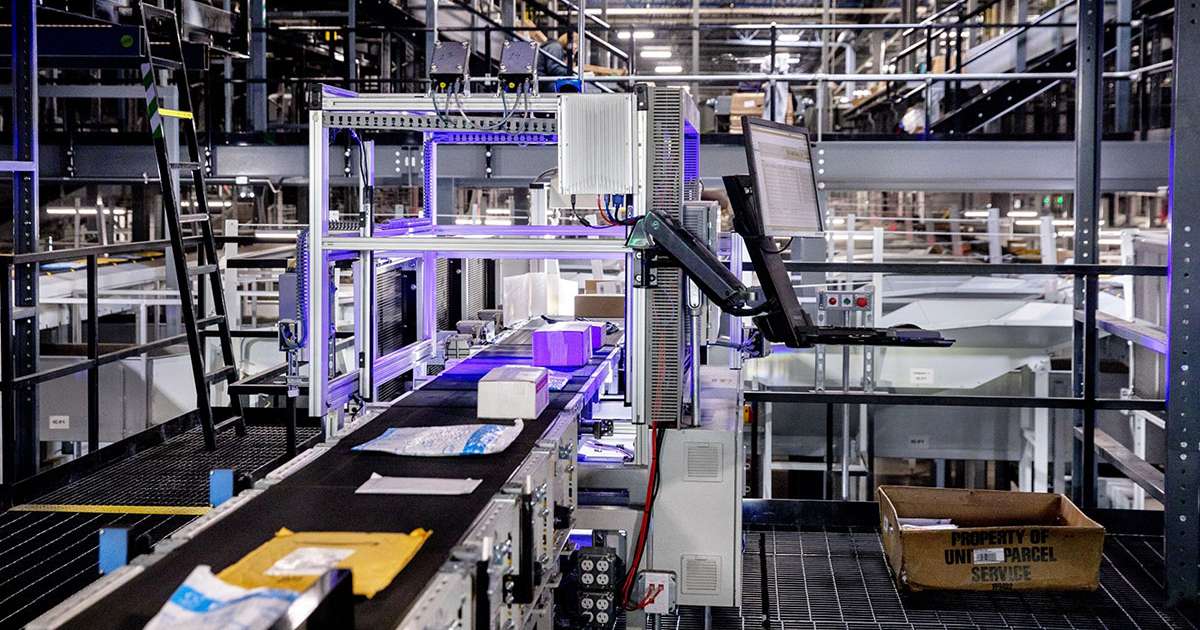
Technology has played a central role in enabling UPS job cuts. Advanced automation now powers many sorting facilities, with robotics and artificial intelligence increasing throughput while reducing manual handling. Route-optimization software and predictive analytics have also improved efficiency across transportation networks.
These innovations allow consistent service delivery with a leaner workforce, mirroring trends seen across manufacturing and transportation sectors worldwide.
Workforce Impact and Employee Uncertainty
For employees, UPS job cuts represent a period of significant uncertainty. Many affected roles are based in logistics hubs that serve as major regional employers. Workforce reductions in these areas can have cascading effects on local economies, influencing housing markets, retail activity, and public services.
Labor groups have called for clear communication and transition support as automation reshapes employment patterns across the sector.
Corporate Responsibility and Labor Relations
Managing the human dimension of restructuring has become a critical challenge. As UPS job cuts unfold, the company faces scrutiny over how it balances efficiency with corporate responsibility. Retraining initiatives, redeployment options, and severance frameworks have become central topics in discussions between management and labor representatives.
Maintaining morale among remaining employees is also viewed as essential to preserving operational reliability during the transition.
Investor Reaction and Financial Outlook
Financial markets have responded cautiously but constructively to news of UPS job cuts. Investors often view decisive cost control as a positive signal, particularly in capital-intensive industries. Analysts suggest that reduced labor expenses could support margin improvement over the medium term.
Market confidence, however, remains closely tied to the company’s ability to maintain delivery performance and customer satisfaction during restructuring.
Industry-Wide Recalibration Underway
The restructuring mirrors a wider recalibration across global logistics. Shipping companies, freight operators, and warehouse providers are reassessing capacity after years of aggressive hiring. In this context, UPS job cuts align with broader efforts to build more resilient and flexible operating models.
Geopolitical uncertainty and evolving trade patterns have further accelerated the push toward efficiency and adaptability.
Continued Investment Beyond Workforce Changes
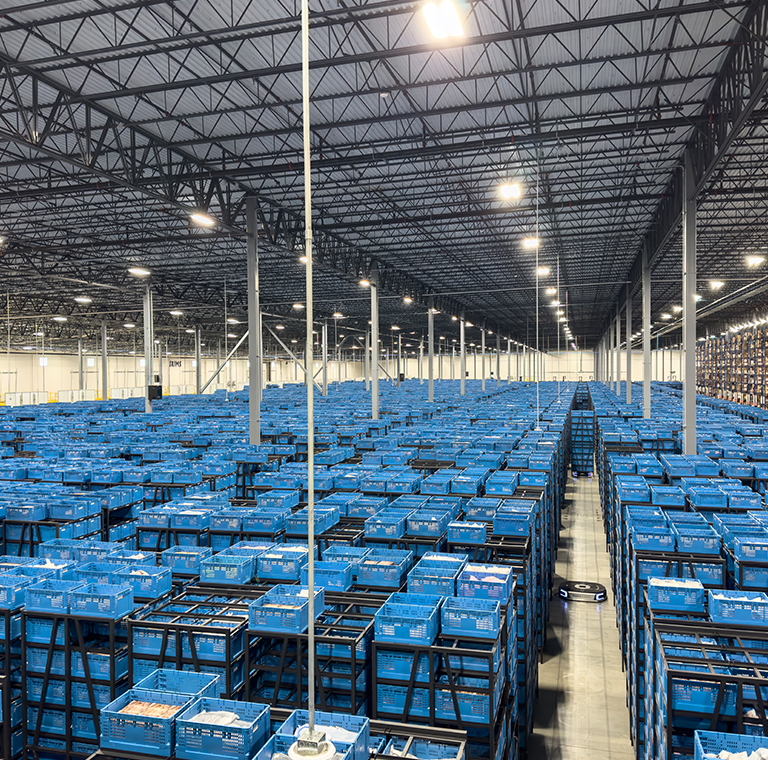
Despite workforce reductions, investment in innovation continues. UPS is expanding the use of alternative-fuel vehicles, data-driven planning tools, and sustainability initiatives aimed at reducing emissions and operating costs. These efforts complement UPS job cuts by supporting a leaner, more technologically advanced network.
Such investments are designed to meet rising customer expectations for faster, more reliable, and environmentally responsible delivery services.
Expert Perspective on Structural Change
One senior logistics analyst said,
“This moment represents a structural reset rather than a retreat, showing how technology and efficiency are redefining global delivery networks.”
The assessment reflects how UPS job cuts are widely viewed as part of a long-term evolution rather than a short-term contraction.
Community and Regional Effects
Across the United States, logistics hubs have become economic pillars. Employment changes can therefore influence entire regions. As UPS job cuts progress, local governments and workforce agencies are monitoring impacts closely while exploring retraining initiatives and economic diversification strategies.
These responses highlight how corporate decisions increasingly intersect with public policy and community resilience.
Competitive Landscape and Market Position
UPS operates in a highly competitive environment where service reliability and cost efficiency are paramount. Through UPS job cuts, the company aims to strengthen its competitive position against rivals investing heavily in automation and digital logistics platforms.
Execution will be critical, particularly as demand patterns and technology continue to evolve.
Long-Term Strategic Outloo
Looking ahead, UPS job cuts are expected to support a more disciplined growth strategy. Management has indicated that future expansion will focus on high-return opportunities rather than broad network growth, signaling a shift toward sustainable profitability and operational resilience.
As automation advances, workforce composition is also expected to evolve toward more technical and analytical roles.
Global Implications for the Logistics Sector
Decisions taken by UPS carry implications beyond national borders. As a global operator, its strategies often influence industry standards. In that sense, UPS job cuts may shape how other logistics firms approach restructuring, technology investment, and workforce planning.
The ripple effects could redefine employment trends across international supply chains.
Balancing Innovation With Stability
A central challenge highlighted by UPS job cuts is balancing innovation with workforce stability. While automation improves efficiency, companies must also consider long-term social impact and labor sustainability.
How effectively UPS manages this balance may serve as a benchmark for other legacy firms navigating similar transitions.
A Defining Chapter for Modern Logistics
As 2026 unfolds, UPS job cuts stand as a defining chapter in the evolution of modern logistics in the United States. The move underscores how economic normalization and technological progress are reshaping one of the world’s most critical industries.
The outcome will influence labor practices, competitive dynamics, and the future of work across the supply chain.
Beyond Efficiency Metrics
Beyond balance sheets and automation statistics, UPS job cuts reflect a broader transformation underway in global business. The logistics sector is redefining how value is created, delivered, and sustained in an era where efficiency, adaptability, and resilience are paramount.