

Tehran, Iran | January, 2026 — The Iran internet shutdown has entered a prolonged phase, reshaping daily life across the country while allowing fragments of digital activity to remain visible beyond national borders. As authorities restrict access to online platforms and communication tools, the contrast between domestic silence and external visibility has drawn renewed global attention.
For millions of Iranians, connectivity has become unreliable or unavailable, affecting communication, commerce, education, and access to independent information.
A Digital Landscape Marked by Absence
Across urban centers and provincial towns alike, residents describe a digital environment defined by inconsistency. Mobile networks fluctuate without warning, broadband connections slow to unusable speeds, and many international websites remain inaccessible.
The Iran internet shutdown has turned basic online tasks into obstacles, forcing people to repeatedly attempt connections or abandon digital tools altogether.
The Evolution of Internet Control
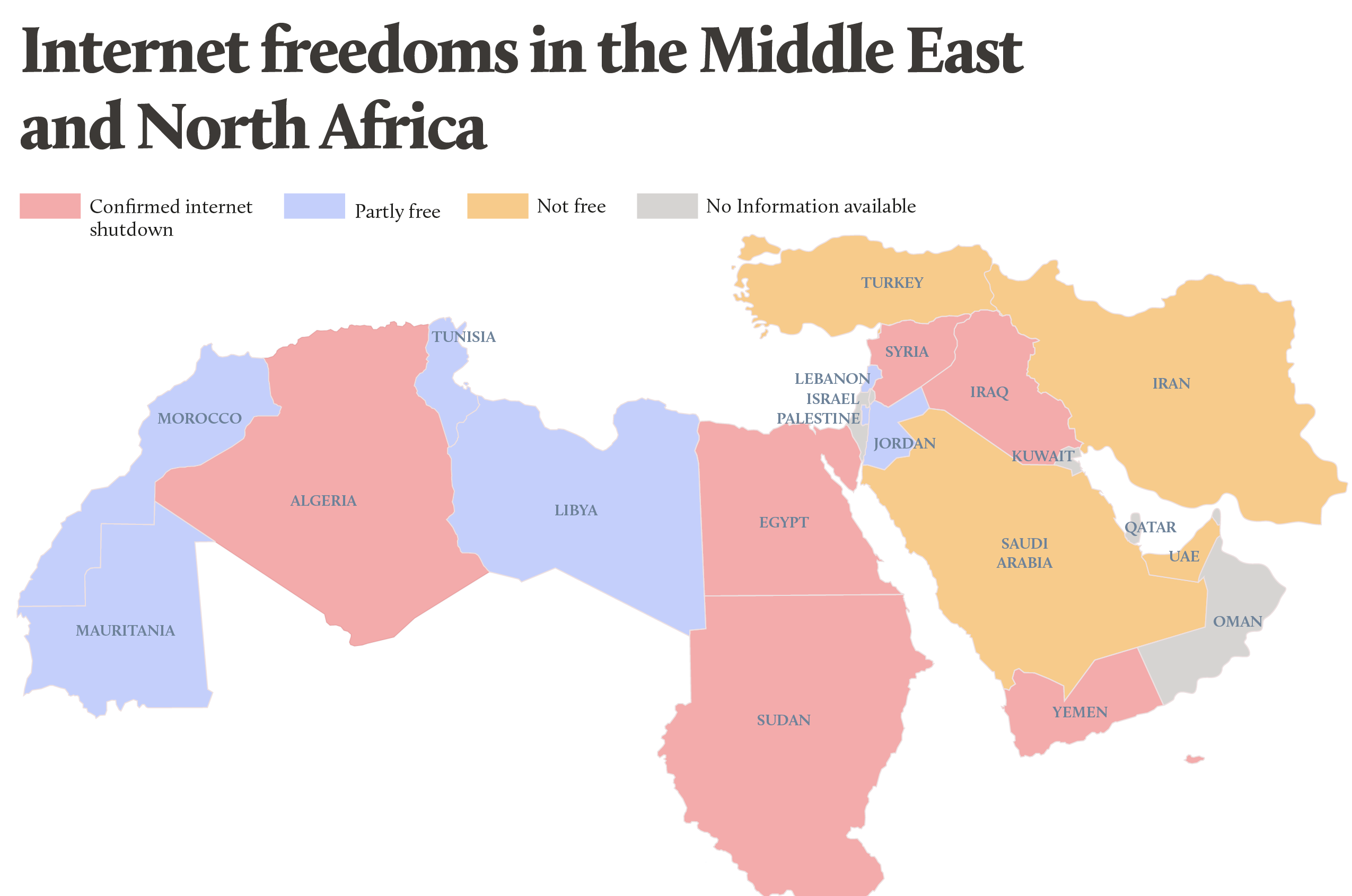
Internet restrictions in Iran are not new, but their scale and duration have expanded. Over time, digital control has become more precise, allowing authorities to regulate access selectively rather than impose blanket blackouts.
This approach reflects lessons learned from earlier shutdowns, shaping the current Iran internet shutdown into a calibrated mechanism rather than a blunt instrument.
Selective Connectivity and Strategic Access
Despite widespread restrictions, certain networks continue functioning with relative stability. Government institutions, state media organizations, and key service providers retain limited international access through protected infrastructure.
This selective model ensures continuity of official operations, even as the Iran internet shutdown limits public access across most sectors.
State Media and External Visibility
State affiliated media outlets continue distributing content internationally using mirrored platforms and overseas hosting services. These channels ensure official narratives remain accessible to global audiences.
As a result, the Iran internet shutdown does not fully sever the country’s digital presence, preserving controlled outbound communication.
The Impact on Everyday Communication
For families, the restrictions have altered how relationships are maintained. Messaging apps that once connected relatives across borders now fail without warning, leaving people dependent on rare windows of connectivity.
The Iran internet shutdown has reintroduced uncertainty into basic communication, turning routine conversations into logistical challenges.
Businesses Confront Operational Disruption
Small businesses reliant on online tools face mounting pressure. Payment systems experience delays, customer outreach stalls, and supply coordination becomes difficult without reliable internet access.
Economists warn that prolonged disruption tied to the Iran internet shutdown could have lasting effects on entrepreneurship and digital commerce.
Education in a Fragmented Digital Space
Students and educators have also been affected. Online coursework, research access, and academic collaboration suffer as platforms remain unreachable or unstable.
The Iran internet shutdown has widened educational disparities, particularly for those without institutional access to alternative networks.
Journalistic Work Under Constraint
Independent journalists face significant barriers to reporting. Verifying information becomes harder as sources go silent and communication tools fail.
Yet monitoring data shows that the Iran internet shutdown does not eliminate all information flows, allowing fragments of reporting to surface internationally.
International Monitoring and Data Analysis
Global internet observatories track Iran’s connectivity through routing data and traffic volume analysis. Their findings reveal intermittent outbound signals rather than complete disconnection.
These patterns confirm that the Iran internet shutdown relies on throttling and filtering rather than absolute isolation.
Diplomatic Channels Remain Functional
Even as public access remains restricted, diplomatic and official communication continues largely uninterrupted. Embassies, international organizations, and state representatives rely on secure networks unaffected by broader shutdowns.
This dual structure highlights how the Iran internet shutdown distinguishes between public communication and institutional necessity.
Technology and the Limits of Isolation
Modern internet architecture complicates efforts to impose total shutdowns. Redundant pathways, satellite links, and foreign hosted services create resilience within the global network.
These structural realities explain why the Iran internet shutdown still permits limited international visibility despite domestic constraints.
Social Adaptation to Digital Absence
Communities adapt by reverting to offline methods. Notices replace posts, in person meetings replace group chats, and word of mouth regains importance.
These adaptations reflect resilience but also underscore the social cost of the Iran internet shutdown.

Economic Consequences Extend Quietly
Beyond immediate disruption, the shutdown affects confidence. Investors hesitate, freelancers lose international clients, and startups struggle to maintain momentum.
The Iran internet shutdown adds another layer of uncertainty to an already strained economic environment.
The Global Conversation on Digital Rights
International reactions have remained cautious but persistent. Digital rights organizations emphasize the long term implications of prolonged restrictions, while policymakers weigh diplomatic responses.
The Iran internet shutdown has become a reference point in broader debates about digital sovereignty and access to information.
Information Control in the Modern Era
Controlling information today is less about total silence and more about managing visibility. Even under restriction, fragments of data escape, narratives form abroad, and scrutiny persists.
One regional technology analyst said,
“Modern shutdowns are designed to slow information, not erase it.”
The Psychological Toll of Disconnection
Beyond technical effects, prolonged disconnection affects morale. Uncertainty breeds anxiety, and the inability to access reliable information amplifies stress.
The Iran internet shutdown has introduced a psychological dimension to digital restriction that extends beyond infrastructure.
Youth and the Loss of Digital Space
Younger generations accustomed to constant connectivity experience the shutdown as a sudden contraction of social space. Online communities, creative outlets, and learning platforms disappear without notice.
This disruption reshapes how youth engage with information during the Iran internet shutdown.
Cultural Exchange Paused Midstream
Artists, writers, and creators find their audiences unreachable. Cultural exchange slows as platforms used to share work become inaccessible.
The Iran internet shutdown narrows the country’s cultural visibility even as select official channels remain active.
Global Media and Partial Narratives
International media outlets rely on limited signals and indirect reporting to cover developments inside Iran. This reliance shapes coverage, often emphasizing uncertainty.
The Iran internet shutdown thus influences not only domestic communication but also how global audiences perceive events.
Governance in a Connected World
The current situation illustrates a core tension of the digital age. States seek control, but networks resist confinement.
The Iran internet shutdown demonstrates how governance adapts to technology rather than fully mastering it.
Looking Ahead to Possible Changes
There is no public timeline for full restoration. Analysts expect gradual adjustments rather than sudden reopening, shaped by political calculations and external pressure.
Whether the Iran internet shutdown becomes a recurring tool or evolves into a redesigned system remains an open question.
When Silence Shapes the Signal
In Iran’s current digital moment, absence itself communicates meaning. The spaces where information once flowed freely now define the story as much as the fragments that remain visible beyond borders.